- Reaction score
- 43,649
- Points
- 1,210
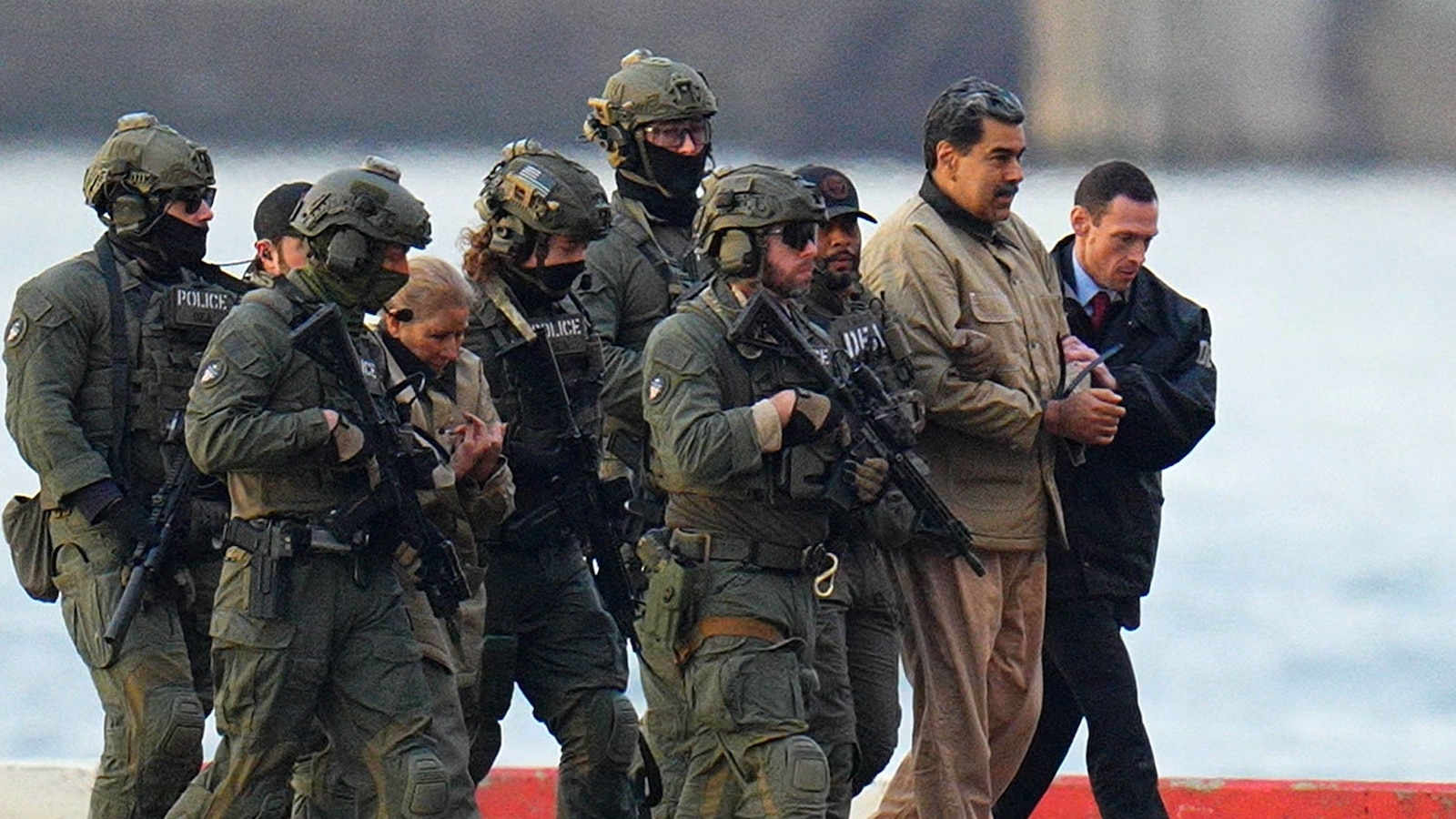
Who does he think he is, POTUS?So, pro tip: if you’re invoked in planning and executing the military kidnap of a foreign president, don’t use your access to classified information to bet on it on Polymarket.


Who does he think he is, POTUS?So, pro tip: if you’re invoked in planning and executing the military kidnap of a foreign president, don’t use your access to classified information to bet on it on Polymarket.

 abcnews.com

So, pro tip: if you’re invoked in planning and executing the military kidnap of a foreign president, don’t use your access to classified information to bet on it on Polymarket.


Pardon incoming.
F**kin' good for him...

Tip of the iceberg?So, pro tip: if you’re invoked in planning and executing the military kidnap of a foreign president, don’t use your access to classified information to bet on it on Polymarket.
 taskandpurpose.com
 www.thedailyupside.com

Congress will presumably act quickly to stamp out such insider trading. It certainly has the legal authority to legislate away such competition.Tip of the iceberg?
 www.foxnews.com
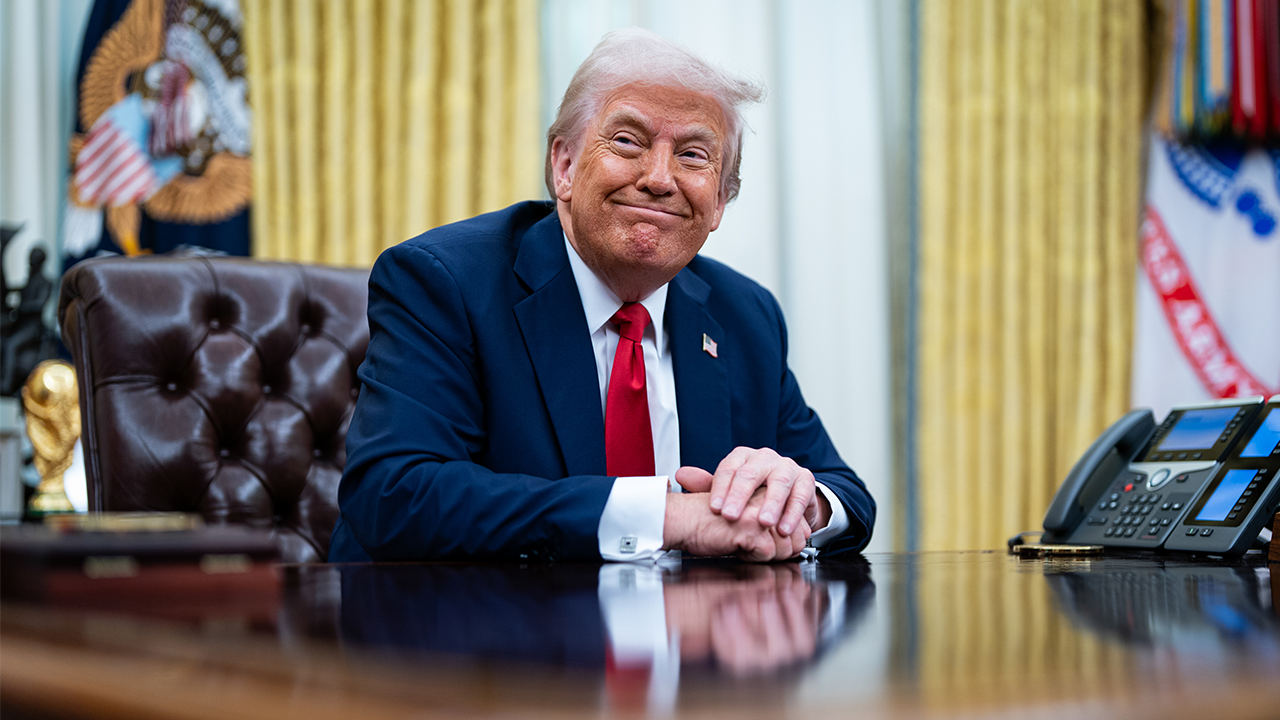
President Donald Trump is eyeing oil-rich Venezuela as a potential 51st state as officials continue to court oil companies for investments in the South American country following the U.S. intervention that removed President Nicolas Maduro from power.
Trump said in a phone call with Fox News that he is motivated by the estimated $40 trillion value of oil in Venezuela, adding that he is popular with the country's citizens.
"Venezuela loves Trump," Trump said.

lol, be patient, wait until he swims around the fish bowl again.Trump 'seriously considering' plan to make Venezuela and its $40 trillion in oil permanent part of USA
President Trump eyes oil-rich Venezuela as a potential 51st state, citing the country's estimated $40 trillion in oil reserves as key motivation.
I guess we are off the hook folks.

Well, to the '51st' title anyway.Trump 'seriously considering' plan to make Venezuela and its $40 trillion in oil permanent part of USA
President Trump eyes oil-rich Venezuela as a potential 51st state, citing the country's estimated $40 trillion in oil reserves as key motivation.
I guess we are off the hook folks.
Well, to the '51st' title anyway.
He doesn't need to make them a state to allow US corporations to bleed them dry - just a territory. Similar to what they would do to Alberta.

Two of the sources said the fire started at a gas line to the refinery's diesel hydrotreater, forcing the shutdown of the entire facility, including boilers.


