• Thanks for stopping by. Logging in to a registered account will remove all generic ads. Please reach out with any questions or concerns.

RPAS (was JUSTAS): the project to buy armed Medium Altitude Long Endurance (MALE) UAVs

A smaller part. They are playing the hand they've been dealt. Just the same as any military officer of DND PS. We shouldn't expect them to somehow not do their jobs so that our projects advance.
Which is an important point not to forget - they are supporting their Minister in the accomplishment of that Minister’s assigned mandate. Definitely a case of don’t hate the players, hate the game.
 
Which is an important point not to forget - they are supporting their Minister in the accomplishment of that Minister’s assigned mandate. Definitely a case of don’t hate the players, hate the game.

It's amazing to me how many people have come to believe that it's "the procurement system", or "the process" or "the bureaucrats". And virtually nobody blames the politicians who could fix most of this with policy changes.
 
It's amazing to me how many people have come to believe that it's "the procurement system", or "the process" or "the bureaucrats". And virtually nobody blames the politicians who could fix most of this with policy changes.
Assuming they care enough, understand enough of what is wrong and are willing to work hard, expend political capital on something that will only show results after they are gone. Most politicians work from 3 page briefing notes and all they know is on that note. Even if they really want to fix things, they have to do battle with the gatekeepers. Our system is designed to ensure slow moderate changes to avoid following the trend of the day. That is a good thing, until you really need to fix something, because it's been ignored for 15-20 years.
 
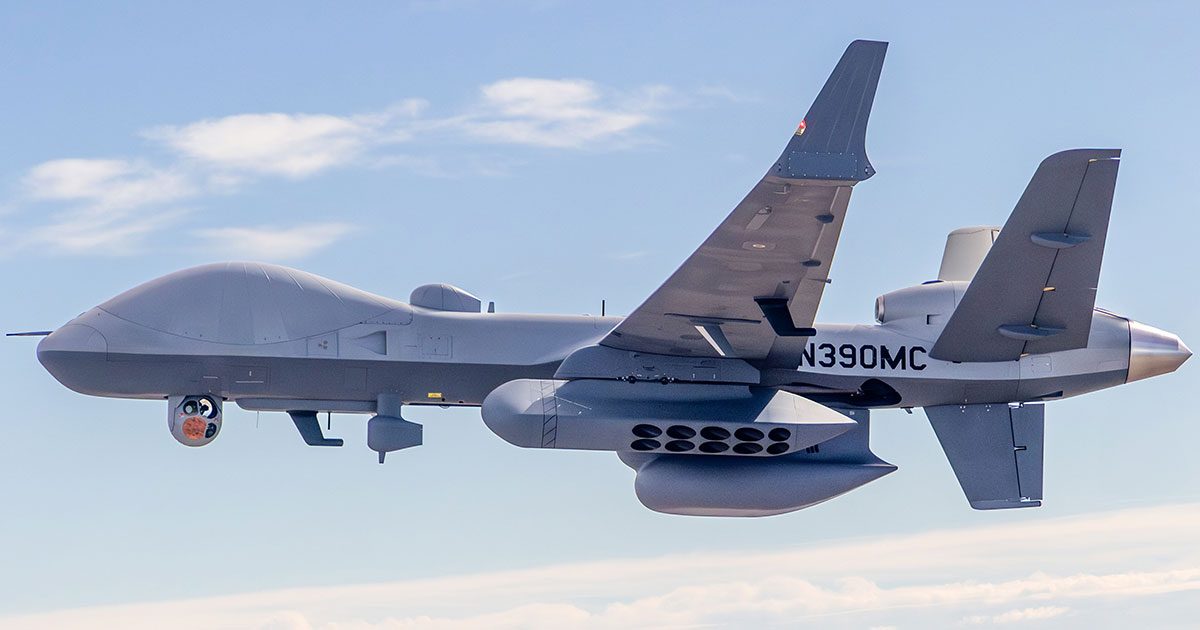
I wonder if our MQ-9Bs will be powered by Canadian engines:

 
  • Like
Reactions: ytz
I wonder if our MQ-9Bs will be powered by Canadian engines:


The list of customers (or those with contracts) is larger than I thought. I thought that the USAF was definitely not going for the MQ-9B, but apparently AFSOC is.

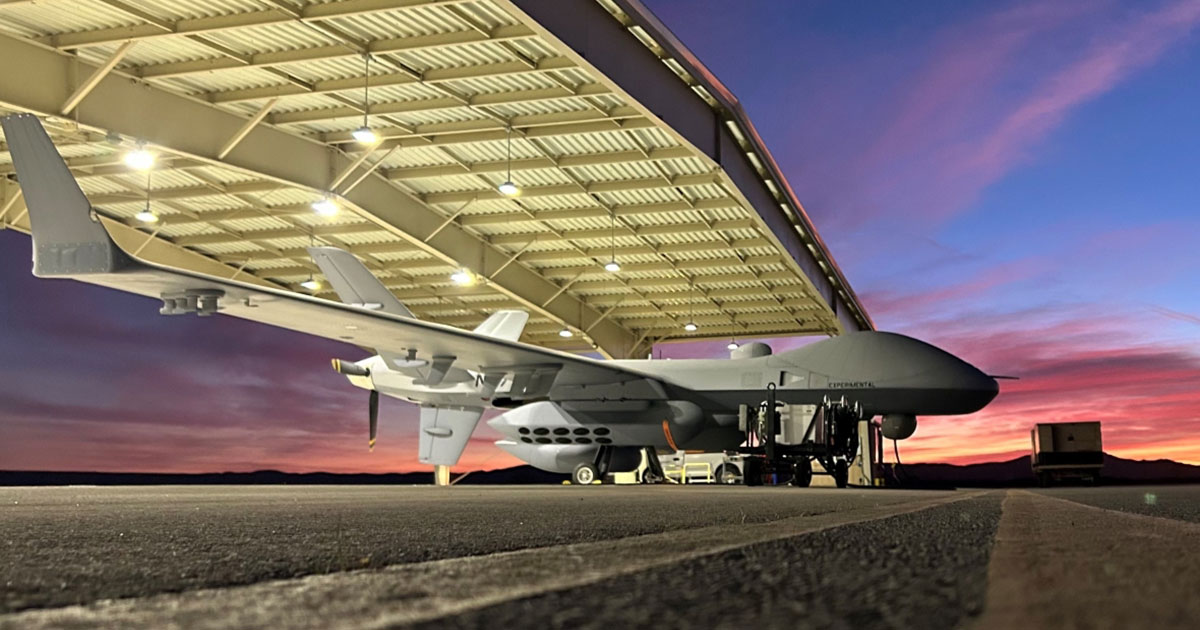
Deliveries of MQ-9B have begun for the United Kingdom, with contracts in place with Belgium, Canada, Taiwan, and the U.S. Air Force in support of the Special Operations Command. The Japan Coast Guard is currently operating MQ-9B for maritime operations, and the Japan Maritime Self-Defense Force (JMSDF) selected MQ-9B for its Medium-Altitude, Long-Endurance (MALE) Remotely Piloted Aircraft System Trial Operation Project. MQ-9B has also supported various U.S. Navy exercises, including Northern Edge, Integrated Battle Problem, and Group Sail.
 
Good news on the RPAS front!

 
Hopefully this is a capability that we'll be getting for our MQ-9B's
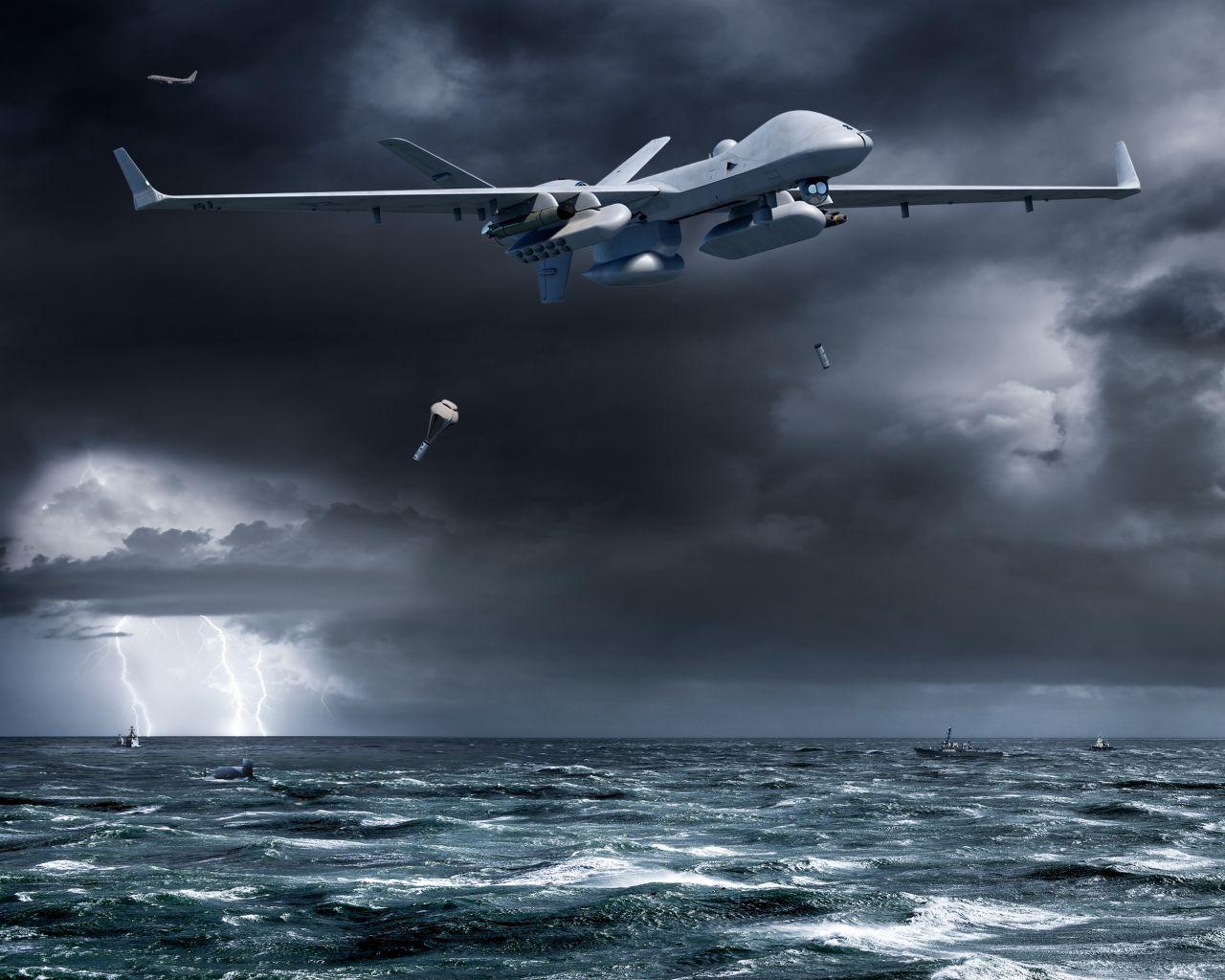
A good article highlighting a few more details on SeaGuardian's growing maritime and ASW capability our team has been working on. Collaborating with GA-ASI has been one of my career highlights outside of the military. :)

 
A good article highlighting a few more details on SeaGuardian's growing maritime and ASW capability our team has been working on. Collaborating with GA-ASI has been one of my career highlights outside of the military. :)

To follow up on @GR66 question, with your experience having worked with GA-ASI, do you know if this capability is "bolt-on" to our MQ-9B?. It wasn't clear to me having read the article if the Sea Guardian was a substantially different variant, or just and MQ-9B with some extras bolted on.
 
To follow up on @GR66 question, with your experience having worked with GA-ASI, do you know if this capability is "bolt-on" to our MQ-9B?. It wasn't clear to me having read the article if the Sea Guardian was a substantially different variant, or just and MQ-9B with some extras bolted on.
I'm not closely connected to the Canadian MQ-9B SkyGuardian variant that RCAF is acquiring.
I do know the two airframes (Sky vs Sea Guardians) are very similar, but "bolt-on" may be oversimplifying the ASW capability. There's more to it than the BRU-mounted sonobuoy carrier pod.
I am certain that when the RFP for Canadian RPAS was first issued (eons ago), ASW via UAS was wasn't envisioned, and not certainly not a priority for RCAF.
Thankfully another allied user is already flying SeaGuardian with the sonobuoy processing module operationally, and as mentioned in those articles, USN is actively pursuing this capability through supported development with GA.
If RCAF is ever interested, the capability will be ready to them harness.
 
Congratulations Germany! 💪🇩🇪

 
The ASW capability of the MQ-9B continues to evolve with deployment of Multi-static Active Coherent Sonobuoys (and double the number previously available). Hopefully this is a capability that the RCAF will adopt as I see the ASW role of the Sea Guardian being of ever increasing importance to the defence of Canada.

 
Over 5 years after the RFP, testing will begin in 26...with a slow delivery of 11 airframes. That is NOT procurement at the speed of the evolving threats.

Cost Breakdown
The $2.49 billion CAD investment is for the entire Remotely Piloted Aircraft System (RPAS) project, which is a direct commercial sale contract with General Atomics Aeronautical Systems (GA-ASI). The total price tag includes more than just the aircraft themselves:
  • Eleven remotely piloted aircraft.
  • Six ground control stations.
  • Initial weapons package, including Hellfire missiles and precision laser guidance sets.
  • Supporting infrastructure, such as new hangars and a ground control center.
  • Training solutions, including devices and courseware for aircrew and maintenance technicians.
  • Sustainment services and other associated equipment.

Delivery and Operational Timeline
The delivery schedule spans several years, with specific milestones for achieving operational capabilities:
  • Project Approval for the definition phase was received .2019
  • First Delivery: Expected in 2028.
  • Initial Operational Capability: Set to be achieved between 2027 and 2030.
  • Full Operational Capability (FOC): The entire fleet is expected to be fully operational by 2033.

 
FOC in 2033 for a RPAS we needed in Afghanistan. At least it'll be good for coastal/arctic defense nowhere near a major combat operation.
 
Over 5 years after the RFP, testing will begin in 26...with a slow delivery of 11 airframes. That is NOT procurement at the speed of the evolving threats.

Cost Breakdown
The $2.49 billion CAD investment is for the entire Remotely Piloted Aircraft System (RPAS) project, which is a direct commercial sale contract with General Atomics Aeronautical Systems (GA-ASI). The total price tag includes more than just the aircraft themselves:
  • Eleven remotely piloted aircraft.
  • Six ground control stations.
  • Initial weapons package, including Hellfire missiles and precision laser guidance sets.
  • Supporting infrastructure, such as new hangars and a ground control center.
  • Training solutions, including devices and courseware for aircrew and maintenance technicians.
  • Sustainment services and other associated equipment.

Delivery and Operational Timeline
The delivery schedule spans several years, with specific milestones for achieving operational capabilities:
  • Project Approval for the definition phase was received .2019
  • First Delivery: Expected in 2028.
  • Initial Operational Capability: Set to be achieved between 2027 and 2030.
  • Full Operational Capability (FOC): The entire fleet is expected to be fully operational by 2033.

Wondering if this should be the primary case study of what needs to change. And did we overpay again?
 
Elements of acquisition delay have always been affordability. Project entry into definition, and delivery timelines are strongly influenced by when funding is available.

CAF working requirements before funding decisions is common, to enable readiness to execute once funds are available, but this can result in lengthy project timelines.

Not to say that the delays are unavoidable, or that we can't do better. But there is context.
 
Back
Top