• Thanks for stopping by. Logging in to a registered account will remove all generic ads. Please reach out with any questions or concerns.

Pipelines, energy and natural resources

  • Thread starter Thread starter QV
  • Start date Start date
"Willing to entertain" is the other catch phrase being shared out there.

Translation - how thick is your wallet?
 
Changes - lithium galore
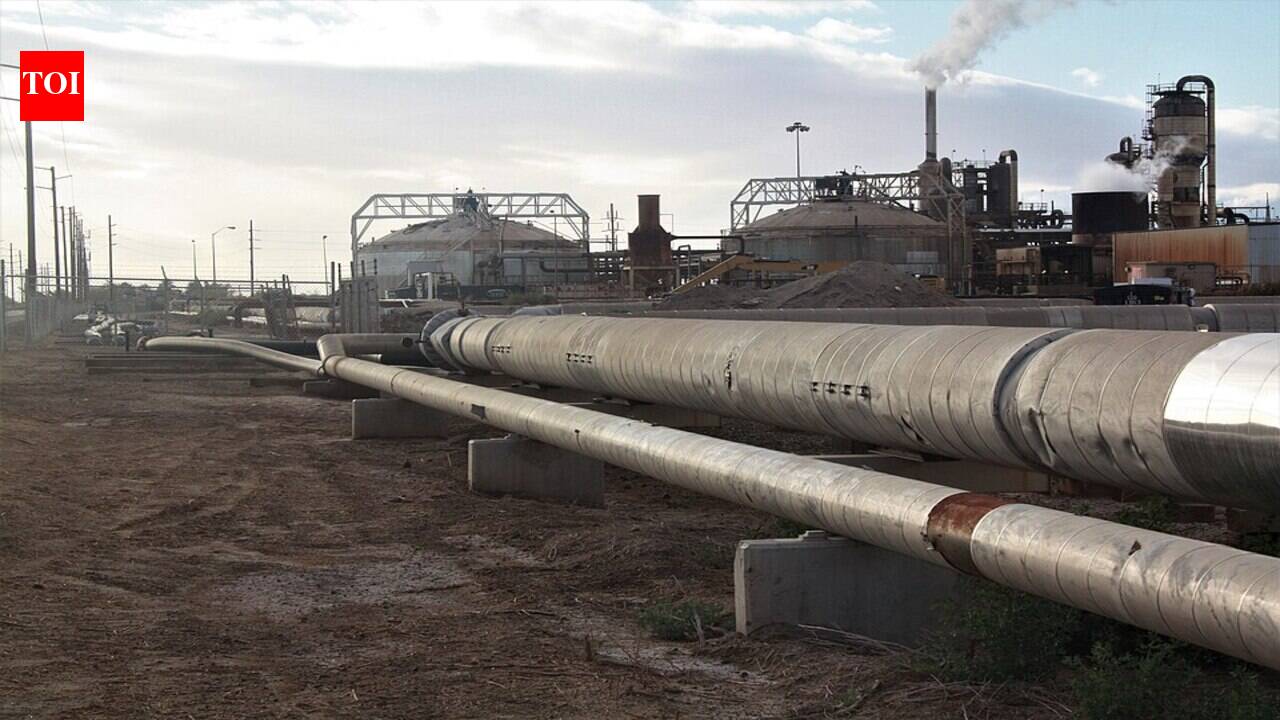
Lithium for nuclear power


.....


....
 
Danke Schoen, Germany....

Ksi Lisims LNG inks formal 20-year supply deal with German utility Uniper​

German utility Uniper has locked down a formal long-term agreement to purchase liquefied natural gas from the $30-billion Ksi Lisims project planned for the northern British Columbia coast.
LNG in, Interfor out.
 
If you build it they will come .... The answer to where will you get the oil to fill the pipelines.

This, coupled with the mantra from Carney et al, that Canada is a 'reliable, trustworthy partner', will be a major reason why we won't put an 'export tariff' on oil/gas/potash/electricity/uranium to the US. We can't say we are a 'trustworthy partner' when we tariff the very products that we are trying to expand to the rest of the world so that they won't have to be held hostage to events in the Middle East.
 
Moving from 'net zero' to 'not zero' is the way ahead …


AI ASSISTED
This video from TLDR News explores the United Kingdom's energy crisis, examining why the nation faces some of the highest electricity prices in the world and the resulting economic consequences.

Key takeaways regarding the crisis:

  • Expensive Electricity: The UK has some of the highest industrial and domestic electricity prices in the developed world (1:35-1:48). This has contributed to de-industrialization, higher inflation, and lower overall energy consumption (2:01-2:15).
  • Marginal Pricing System: A major culprit is the UK's "marginal pricing" system, where the wholesale price of electricity is set by the most expensive generator required to meet demand (2:24-2:58). Because gas generators are frequently needed to fill supply gaps, they often dictate the wholesale price (3:31-3:58).
  • Grid Dysfunction: The issue is exacerbated by an outdated grid that struggles to move energy from where it is generated (e.g., wind farms in Scotland) to where it is needed (populated southern areas) (5:10-5:47). When the grid cannot handle the transmission, wind farms are still paid, but the operator must source more expensive electricity elsewhere, driving up "balancing costs" (5:48-6:27).
  • Limited Alternatives: Transitioning away from gas is difficult due to overregulation in the nuclear sector and the lack of high solar yields, while the cost of new wind infrastructure has recently increased (6:45-7:12).
The Silver Lining:Despite these challenges, the UK has uniquely decoupled energy consumption from GDP per capita (7:20-7:34). The country has achieved a high level of efficiency, with a better GDP per unit of energy than any other large economy (7:40-7:45). This suggests that if the UK were to secure more plentiful, affordable energy, it could potentially become one of the wealthiest nations in the world (7:47-7:53).


That guy is spewing complete and total bunk.
 
High energy prices = flight of industry... viz:


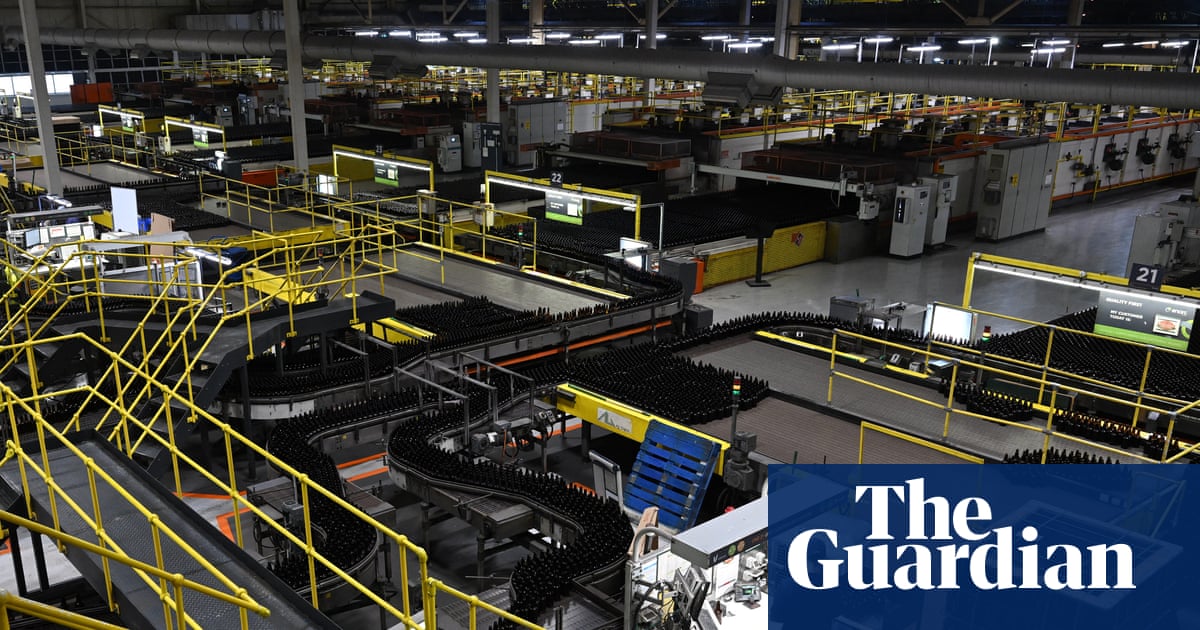
Britain ‘faces deindustrialisation’ without relief from high energy prices, survey warns​


Make UK says manufacturers’ feedback shows sector at risk of collapse as it calls on Treasury to take action

The manufacturers’ body Make UK said the latest feedback from its members found that many would not be able to cope for much longer with energy costs that were twice the average in continental Europe and four times higher than in the US.

A survey revealed that a quarter of manufacturing companies either planned to move their production overseas or had already done so, while one in 10 companies believed it was likely or very likely they would be insolvent within the next 12 months.

Stephen Phipson, the trade body’s chief executive, said that although factory output had remained robust over the previous quarter, businesses were gloomy about the outlook, largely in response to the Iran war and rising oil and gas prices, and confidence had dived to a four-year low.

“The time for talking is over. The time for action is now,” he said. “Britain faces deindustrialisation unless manufacturers get relief from high energy prices. Electricity and gas in the UK are far too expensive and it’s costing our country steeply. We cannot afford to be delayed by political upheaval, or by further consultations.”

 
High energy prices = flight of industry... viz:


Britain ‘faces deindustrialisation’ without relief from high energy prices, survey warns​


Make UK says manufacturers’ feedback shows sector at risk of collapse as it calls on Treasury to take action

The manufacturers’ body Make UK said the latest feedback from its members found that many would not be able to cope for much longer with energy costs that were twice the average in continental Europe and four times higher than in the US.

A survey revealed that a quarter of manufacturing companies either planned to move their production overseas or had already done so, while one in 10 companies believed it was likely or very likely they would be insolvent within the next 12 months.

Stephen Phipson, the trade body’s chief executive, said that although factory output had remained robust over the previous quarter, businesses were gloomy about the outlook, largely in response to the Iran war and rising oil and gas prices, and confidence had dived to a four-year low.

“The time for talking is over. The time for action is now,” he said. “Britain faces deindustrialisation unless manufacturers get relief from high energy prices. Electricity and gas in the UK are far too expensive and it’s costing our country steeply. We cannot afford to be delayed by political upheaval, or by further consultations.”

At least this one is factually correct.

Not about the cause of it, but about the effects.
 
Back
Top