


- Reaction score
- 14,128
- Points
- 1,160
I am going to put this here because it addresses the role of decision making in project delivery and cost accounting.
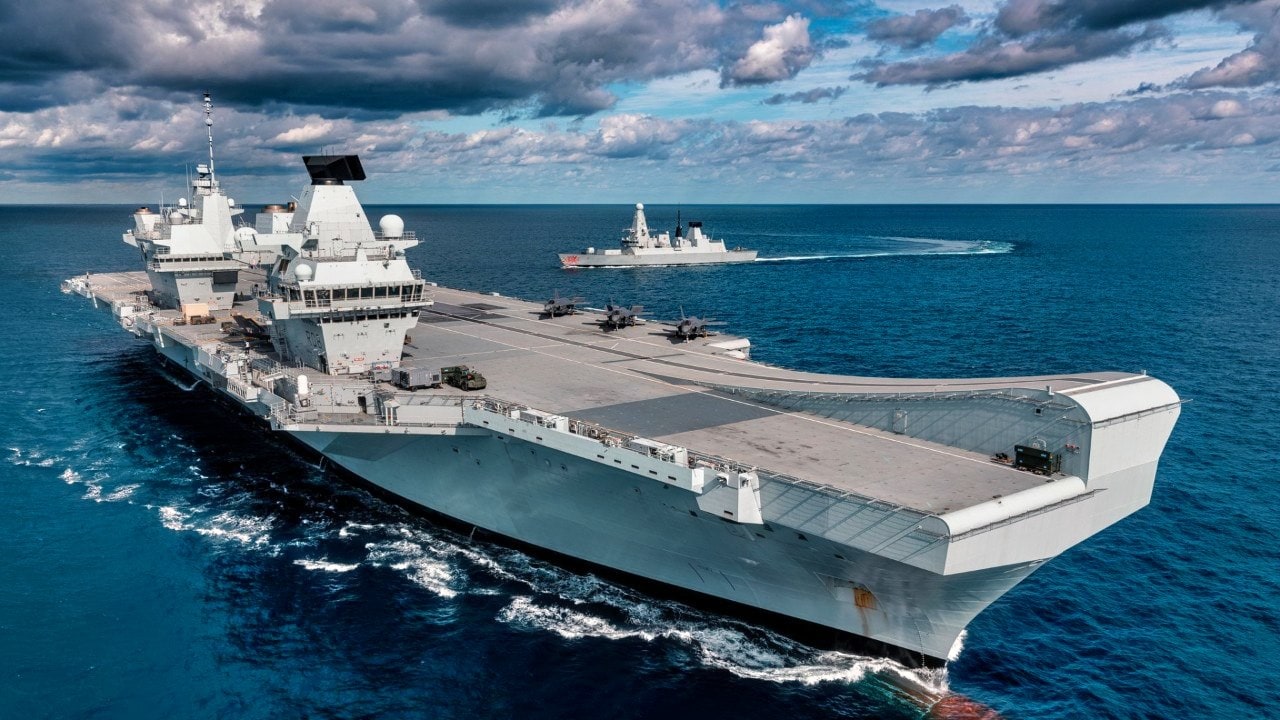
 www.19fortyfive.com
The Brit carriers were approved by a Labour government and the Tory government that followed it wanted to scrap the project.
But
They found that between investments already made, cancellation fees and promised business the cost of cancellation would be greater than the cost of completion.
Also
The ships were built with ski-jumps for the 35Bs. The Tories investigated whether or not, if they were stuck with the carriers, they could install catapults instead. They discovered that would add billions to the price and years to the delivery. So they stuck with the 35Bs and the skijump.
The study cost 100,000,000 UKP and delayed construction in any case.
In 2010 Britain Tried to Cancel Its Two Aircraft Carriers and Found They Were Cheaper to Build Than to Scrap
David Cameron said scrapping the second aircraft carrier would cost more than finishing it. The National Audit Office found the real story was more complicated.
www.19fortyfive.com
The Brit carriers were approved by a Labour government and the Tory government that followed it wanted to scrap the project.
But
They found that between investments already made, cancellation fees and promised business the cost of cancellation would be greater than the cost of completion.
Also
The ships were built with ski-jumps for the 35Bs. The Tories investigated whether or not, if they were stuck with the carriers, they could install catapults instead. They discovered that would add billions to the price and years to the delivery. So they stuck with the 35Bs and the skijump.
The study cost 100,000,000 UKP and delayed construction in any case.


