
100% this!If you do the training package that the C22 mandates, it's fairly robust and should result in comfort with a readief pistol. That said I reiterate the issue is that we should begin training with a pistol on the assumption you'll carry it loaded and readied. The problem becomes now we have to teach two different draws - one readied and one not. The correct drill should be i unholster my pistol, load it, ready it, check the brass indicator / press check it, return it to my holster. In even the even i have to engage in draw and fire, potentially from the hip or chest if i dont have time and space. That is all normal pistol drill.
Conversely where the caf begins i now have to teach soldiers to potentially do an awkward half draw / ready drill and then do what after they engage? Unload and holster?
All this is to say that carrying a loaded readied pistol isnt inherently dangerous, the CAF at large just sucks at teaching it. Thats what creates the training scars at play here. Regarding the threat - if its high enough to justify carrying a loaded weapon why would you not carry it readied?

You are using an out of date browser. It may not display this or other websites correctly.
You should upgrade or use an alternative browser.
You should upgrade or use an alternative browser.
CAF MP SUES DND AND SIG SAUER
- Thread starter Haggis
- Start date

- Reaction score
- 14,737
- Points
- 1,260
If you do the training package that the C22 mandates, it's fairly robust and should result in comfort with a readief pistol.
I've done it. Its a good package, but doing it once does not equal expertise. The problem isn't with the training package, its that afterwards, most Army members rarely ever see a pistol again.
the CAF at large just sucks at teaching it.
Hence my comment on training and experience.
Outside of those who carry a pistol as their principal weapon for duty (namely, MPs), who is the next largest user of pistols? Generally HQ personnel on some sort of base, who have neither the training nor the experience to competently handle the thing. Watch an average clearing bay in a HQ to see what I mean. Not a good thing, but a reality.
For the branch that is generally looked at as having the most experience and comfort with small arms, the Infantry, the pistol is pretty much a sideshow with limited application, and so generally receives less priority for training.
Regarding the threat - if its high enough to justify carrying a loaded weapon why would you not carry it readied?
...because the threat isn't high enough and carrying it loaded saves one from having to carry a loose mag? Haggis also spoke to retaining the action of readying the weapon as a UoF technique.

- Reaction score
- 13,597
- Points
- 1,160
I don't know how it is with the C22/C24 training, but before I got out (2018) the Army sucked at pistol training and would often default to "safety scared, not safety conscious".
Like holding the unloaded rifle backwards (pointed down range) as you walk back to the firing line.
I have no reason not to believe the MWO's account of events. The timing is curious how the first time this may have actually happened in Canada was someone standing on a range opposed to regular MP dudes loading and unloading pistols every day, getting in and out of cars, and in and out of chairs.
I’ve seen comments elsewhere that he may not have been using the holster approved for this pistol, but instead a modified one intended for a different model. I’m very curious if that’s true.Like holding the unloaded rifle backwards (pointed down range) as you walk back to the firing line.
I have no reason not to believe the MWO's account of events. The timing is curious how the first time this may have actually happened in Canada was someone standing on a range opposed to regular MP dudes loading and unloading pistols every day, getting in and out of cars, and in and out of chairs.
- Reaction score
- 14,737
- Points
- 1,260
Like holding the unloaded rifle backwards (pointed down range) as you walk back to the firing line.
That's what I meant when I said "weird psychology."

- Reaction score
- 10,527
- Points
- 1,260
I've done it. Its a good package, but doing it once does not equal expertise. The problem isn't with the training package, its that afterwards, most Army members rarely ever see a pistol again.
Expertise and able to handle it safely aren't the same thing. One doesnt need to be an expert to keep the weapon holstered.
Hence my comment on training and experience.
Outside of those who carry a pistol as their principal weapon for duty (namely, MPs), who is the next largest user of pistols? Generally HQ personnel on some sort of base, who have neither the training nor the experience to competently handle the thing. Watch an average clearing bay in a HQ to see what I mean. Not a good thing, but a reality.
Sure but again thats a training failure. Should we adopt our policies based on the expectation that we won't actually conduct mandated annual refresher training? Again having different standards of carrying the pistol increases the training burden, it does not lower it.
For the branch that is generally looked at as having the most experience and comfort with small arms, the Infantry, the pistol is pretty much a sideshow with limited application, and so generally receives less priority for training.
Agreed, but its a weapon and we are expected to be proficient.
...because the threat isn't high enough and carrying it loaded saves one from having to carry a loose mag? Haggis also spoke to retaining the action of readying the weapon as a UoF technique.
Id argue that i can re rack a loaded weapon if i need that as an escalation, but being unprepared to fire my weapon when I need it is planning for failure. This is the hang over of UN ROE training.
- Reaction score
- 14,737
- Points
- 1,260
This is the hang over of UN ROE training.
Probably. I'd offer that its anchoring bias based on a career of using a service rifle. It's certainly where I am coming from at this as I am not a pistol guy in my spare time. For as long as I've been in, a weapon is readied and is on safe, and is removed from safe when it is fired and then placed back on safe. There is an external safety that is used. Introducing a weapon with no external safety is a change to that mindset.
Think of the holster as doing most of the work of the external safety. Trigger weight does most of the rest. The little bit left is trusting your troops to keep the booger hook off the bang switch.Probably. I'd offer that its anchoring bias based on a career of using a service rifle. It's certainly where I am coming from at this as I am not a pistol guy in my spare time. For as long as I've been in, a weapon is readied and is on safe, and is removed from safe when it is fired and then placed back on safe. There is an external safety that is used. Introducing a weapon with no external safety is a change to that mindset.

- Reaction score
- 31,520
- Points
- 1,260
@brihard gave a good summation to this.Probably. I'd offer that its anchoring bias based on a career of using a service rifle. It's certainly where I am coming from at this as I am not a pistol guy in my spare time. For as long as I've been in, a weapon is readied and is on safe, and is removed from safe when it is fired and then placed back on safe. There is an external safety that is used. Introducing a weapon with no external safety is a change to that mindset.
The SigP226/225/228 series didn’t have a manual safety either, so MP’s CANSOF, NBP, and Aircrew should have been familiar with the whole no external safety aspect.
Very few Striker fired guns do these days, as they have (generally) have striker/firing pin blocks that work as a drop safety to ensure the weapon isn’t discharged if rough handled.
Frankly the CAF should start with pistol training first - as it is a harder weapon to master then the carbine/rifle. The short length means you must be really careful with where it gets pointed, and the trigger weight to weapon weapon weight and stabilizing points of contact make it necessary to learn proper trigger control.
Plus pistols, parts and ammunition for them are much cheaper than carbines and their parts and ammo. Plus range requirements are significantly less.

OldSolduer
Army.ca Relic
- Reaction score
- 23,253
- Points
- 1,260
Roger that - sometimes - most times- you may not have the luxury of readying your weapon.Id argue that i can re rack a loaded weapon if i need that as an escalation, but being unprepared to fire my weapon when I need it is planning for failure. This is the hang over of UN ROE training.
The UN ROE to me was "you better have a sucking chest wound before you even THINK about loading your weapon"
Extreme I know

Haggis
Army.ca Fixture
- Reaction score
- 4,572
- Points
- 1,140
It's also a risk mitigation by HQ to lessen the chance of an ND as the people who generally (while I was in) carried a pistol did so more out of convenience and wanting to be "that LCF dude" than out of need.Id argue that i can re rack a loaded weapon if i need that as an escalation, but being unprepared to fire my weapon when I need it is planning for failure. This is the hang over of UN ROE training.
I've always been pretty skilled with a pistol, and I own a Browning HP. But, like Brihard, I didn't get really, really good with a pistol until I went LE. I was on the range with OPC last fall only to discover my recruits shoot about 30% more than OPC recruits do during basic training. I fired more pistol rounds during my basic LE training than in my whole 40+ years in the CAF.

- Reaction score
- 19,186
- Points
- 1,160
Loading and unloading a pistol with people with limited exposure to pistol handling, likely increase the risk of a ND by x10 over carrying it loaded.If you do the training package that the C22 mandates, it's fairly robust and should result in comfort with a readief pistol. That said I reiterate the issue is that we should begin training with a pistol on the assumption you'll carry it loaded and readied. The problem becomes now we have to teach two different draws - one readied and one not. The correct drill should be i unholster my pistol, load it, ready it, check the brass indicator / press check it, return it to my holster. In even the even i have to engage in draw and fire, potentially from the hip or chest if i dont have time and space. That is all normal pistol drill.
Conversely where the caf begins i now have to teach soldiers to potentially do an awkward half draw / ready drill and then do what after they engage? Unload and holster?
All this is to say that carrying a loaded readied pistol isnt inherently dangerous, the CAF at large just sucks at teaching it. Thats what creates the training scars at play here. Regarding the threat - if its high enough to justify carrying a loaded weapon why would you not carry it readied?
- Reaction score
- 19,186
- Points
- 1,160
When I was doing IPSC, I was shooting on average 800-1,000rds of centrefire a month and close to the same in .22cal using subcalibre kits from my pistols.It's also a risk mitigation by HQ to lessen the chance of an ND as the people who generally (while I was in) carried a pistol did so more out of convenience and wanting to be "that LCF dude" than out of need.
I've always been pretty skilled with a pistol, and I own a Browning HP. But, like Brihard, I didn't get really, really good with a pistol until I went LE. I was on the range with OPC last fall only to discover my recruits shoot about 30% more than OPC recruits do during basic training. I fired more pistol rounds during my basic LE training than in my whole 40+ years in the CAF.
- Reaction score
- 10,527
- Points
- 1,260
It's also a risk mitigation by HQ to lessen the chance of an ND as the people who generally (while I was in) carried a pistol did so more out of convenience and wanting to be "that LCF dude" than out of need.
I get the issue with those who often carry them being the worst trained - certainly the executive course of IBTS is something weve all seen happen. I would suggest though that if the threat is such you dont need a readied weapon - and your worried your soldiers and officers can't handle them safely - then just have them in a weapons locker. That way its safe, accessible, and no one is encumbered by a pistol magazine. Infact the C22 comes with a lockable carry case.
Haggis
Army.ca Fixture
- Reaction score
- 4,572
- Points
- 1,140
I've been in IPSC for about a decade (RO as well). Because my club is outdoor I do a lot of dry fire during the off season.When I was doing IPSC, I was shooting on average 800-1,000rds of centrefire a month and close to the same in .22cal using subcalibre kits from my pistols.
Here in the Ottawa, Kingston, Montreal area most CAF IPSC shooters are either from CANSOF or P Res units. Haven't shot much IDPA over the past couple of years so I can't speak to CAF participation in this region in that sport.

- Reaction score
- 8,280
- Points
- 1,110
UN ROE - "Stop!!...STOP!!...STOP OR I'LL SAY STOP AGAIN!!!...IF YOU DON'T STOP, I'LL BE FORCED TO COCK MY WEAPON AND TELL YOU TO STOP YET AGAIN!!!"...etc ad nasueum...Roger that - sometimes - most times- you may not have the luxury of readying your weapon.
The UN ROE to me was "you better have a sucking chest wound before you even THINK about loading your weapon"
Extreme I know
I think one weekend on a civilian Close Protection/Concealed Carry Course I shot more rounds through a pistol that I did my entire CAF career...come to think of it, I shot more 9mm through a C1 SMG in the first 3 years of my career than I did through a pistol my entire career...and I had to carry one for a bit. Of note, we had to carry the weapons holstered with a round in the chamber at all times as well - no Israeli draws.It's also a risk mitigation by HQ to lessen the chance of an ND as the people who generally (while I was in) carried a pistol did so more out of convenience and wanting to be "that LCF dude" than out of need.
I've always been pretty skilled with a pistol, and I own a Browning HP. But, like Brihard, I didn't get really, really good with a pistol until I went LE. I was on the range with OPC last fall only to discover my recruits shoot about 30% more than OPC recruits do during basic training. I fired more pistol rounds during my basic LE training than in my whole 40+ years in the CAF.

- Reaction score
- 2,569
- Points
- 1,260
Training is great.
But, i knew a couple of guys were flat out assassinated. Didn't do them any good. Never had a chance to draw. Or, a chance to "Reach for the sky."
One at Agincourt Mall. The other at Knob Hill Farms Oshawa.
Thankful that 99% of the time I was assinged as a DZ driver.
But, i knew a couple of guys were flat out assassinated. Didn't do them any good. Never had a chance to draw. Or, a chance to "Reach for the sky."
One at Agincourt Mall. The other at Knob Hill Farms Oshawa.
Thankful that 99% of the time I was assinged as a DZ driver.

- Reaction score
- 1,974
- Points
- 1,040
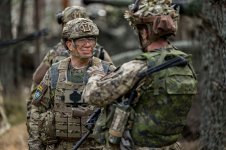
Yeah, if a pistol is your only weapon (lack of rifle mags indicate this) while you're standing around in the woods, you don't really have a weapon.
Why bother.
Why bother.
Ugh. No excuse not to have a proper holster.
Similar threads


- Replies
- 2
- Views
- 12K


- Replies
- 17
- Views
- 20K

- Replies
- 0
- Views
- 7K

- Replies
- 16
- Views
- 25K

