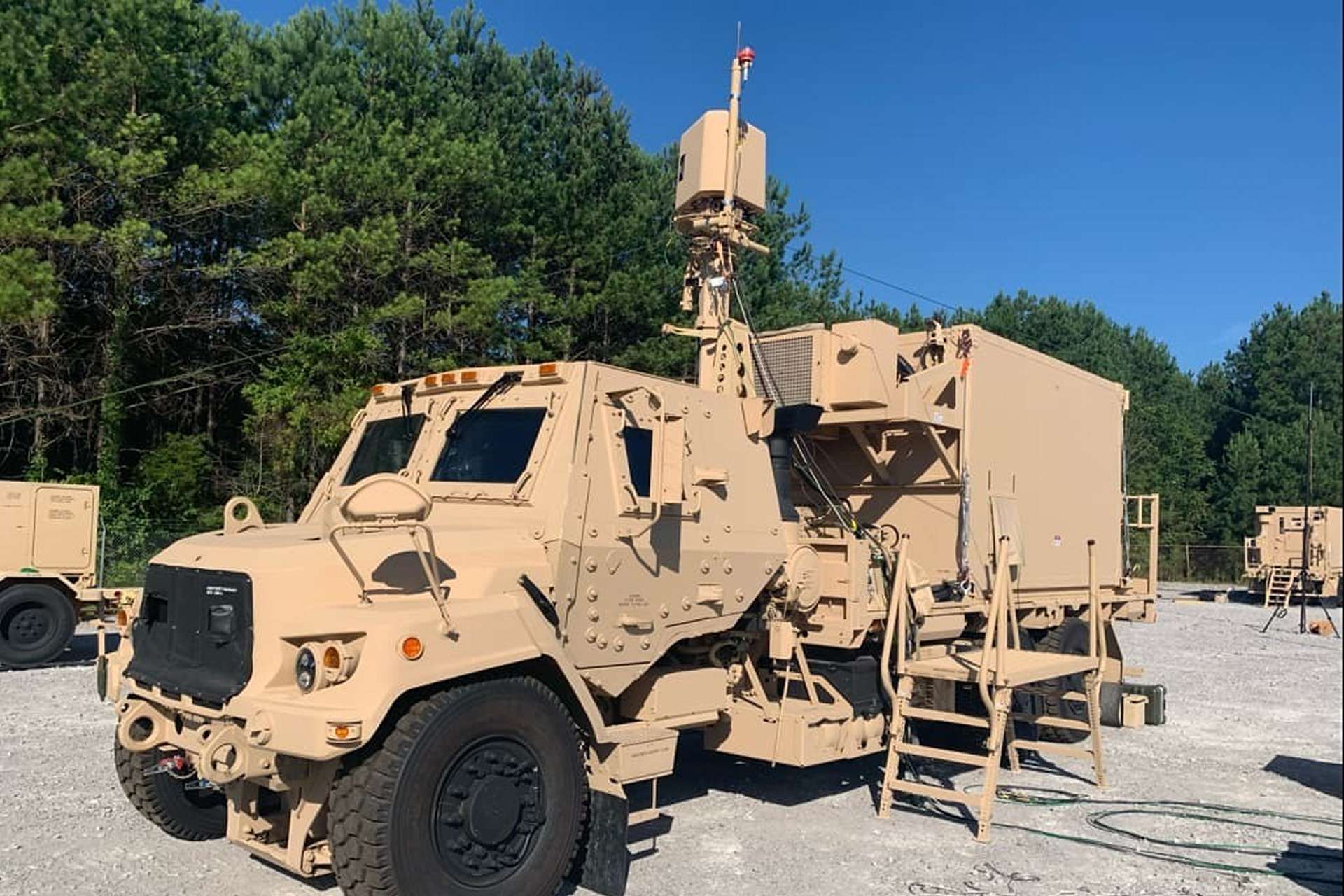
Nope. I think A2/AD brigades need to be Sheldrake with a heavy mix of Pronto, Acorn, Conrod, Cracker, and some Foxhound.
A2/AD in general, for a country like Canada, is a role for navy with air and army support and a healthy dose of EW/cyber.

I think I would turn things around, as is my wont.
I am inclined to present the Army with the same dilemma that it and the Navy present the Air Force. On land the Army leads and expects the Air Force to cover their operations. At sea the Navy expects the same things. In a peaceful world where everybody forgot about Air Defence this effectively relegated the Air Force to a secondary role. Even though its NORAD involvement meant that it was operational daily very few people to the threat to Canada and the continent seriously. We could afford to spend two decades about what our next fighter looked like. And those fighters were expected to be multi-role because Air Defence was only one of their jobs. The national threat was low enough that we could afford to loan out our planes and pilots to friends and associates in return for goodwill and training opportunities.
Now things are changing.
I would promote the Air Force and the Navy and relegate the Army.
I would put the Air Force into the lead role in National Defence on a number of grounds, primarily based on their NORAD/NORTHCOM associations, but also predicated on their ability to act rapidly across the long distances of our land and sea estates, Our threat level is low but not zero. I don't think we need mass domestically so much as we need variety and speed. We need a little bit of everything and not much of anything, delivered at speed over 20,000,000 km2 of land and sea. We can expect dozens of small incidents, widely scattered over time and space that require rapid response occasionally. The likelihood of the D-Day fleet appearing of Vancouver Island is slim to nil, as is the prospect of a mass of bombers or ICBMs overflying our territory although the latter probability is greater than the former.
The Air Force can deliver missiles, SAR techs, JTF2 teams, light battalions and HIMARS regiments rapidly anywhere we claim sovereign rights.
I would make the Navy the lead in Foreign Affairs and expeditionary warfare. Expedition still requires delivering mass and volume around the planet and despite advances in air travel the sea is still the only feasible means of delivering that volume and mass. What that volume and mass should consist of we can argue about for a long whiles. The important bit is that the Navy makes delvery possible, both by keeping sealanes open and by providing protective escorts.
The Navy can deliver everything that the Air Force can but in greater volumes and mass over longer distances if at slower speeds. Only the Navy can deliver armies around the world, regardless of the army's capabilities.
Before addressing the Army I am going to add another element. OGDAs, Other Government Departments and Agencies. In this world of hybrid threats National Security is more than National Defence. Our enemies, and I believe we have enemies, seek to wear us down.
@AmmoTech90 once described my options for opening a containment as a choice between slow and quiet or fast and noisy. We are preparing for the fast and noisy event and expecting to counter it in like manner, fast and noisy. But our enemies know that we and our friends are good at that and so they have chosen to adopt the slow and quiet route. And we find it difficult to counter that with fast and noisy tools. The slow and quiet tools are in the hands of all the OGDAs.
The OGDAs lead in the civil sphere. In that sphere our enemies seek to weaken our OGDAs, reduce their legitimacy and overwhelm them. To aid their project they create manufactured events, like sabotage and demonstrations. But they will also exploit natural disasters to weaken the connection between the government and the governed.
The government needs the means to manage any and all crises, no matter where or when they happen or what their scale,
Which finally brings me to the Army. The force of last resort comprised of citizen taxpayers with families that operate on land among fellow ctizen taxpayers.
The Army can supply people to be lifted by the Air Force to deal with events within Canadian territories.
The Army can supply people to be lifted by the Navy to meet the needs of Global Affairs internationally.
The Army can supply people locally to meet the needs of OGDAs domestically, whether the result of enemy action, natural disasters or simply accidents.
The Army needs to be able to manage all those roles.
And its primary role has to be to instil confidence in time of crisis, to be a visible demonstration that the government is in charge, it has a plan and is working the plan. Engaging people in that plan is one way of effectively managing any crisis. If people know who is in charge and what they have to do then crises are manageable.
The Army has to tie in to the citizenry.
As well as providing expert professional forces to meet day to day needs.




 thelogic.co