• Thanks for stopping by. Logging in to a registered account will remove all generic ads. Please reach out with any questions or concerns.

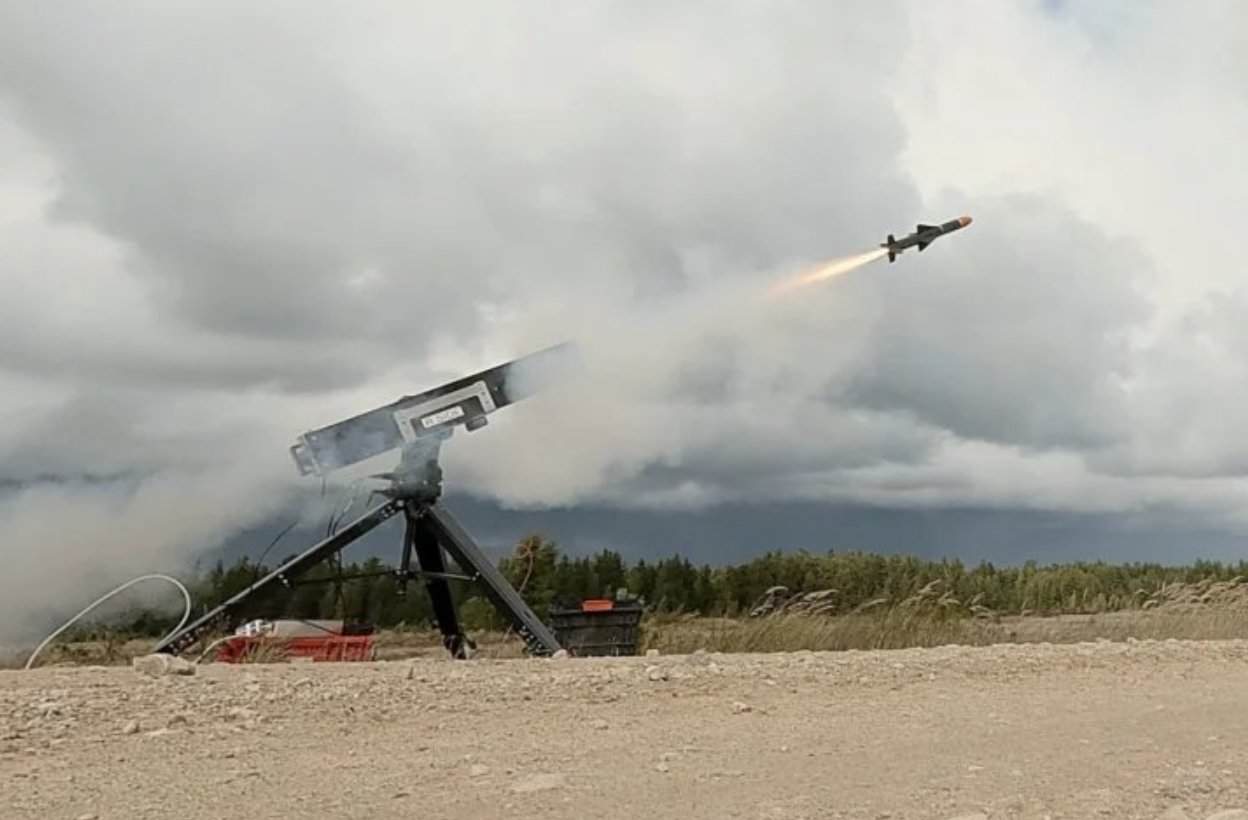
GBAD - The return of 'FOBS'

Interesting developments - time for an RAF Regiment?


🍻

Not sure how good a job they did at RAF Akrotiri recently, but FWIW...


Interview with NATO's Supreme Allied Commander Transformation, Admiral Pierre Vandier.

Air defense missiles is a hot topic. They also touch on drones, EW, and the overall need of a complete overhaul to reach the mass production needed of all 3.

I think the West has not considered the width and the scale of the production of ballistic missiles. We had warning, for example, about the Houthis in Yemen, that such a small country was able to strike the maritime traffic with ballistic missiles.

This should have warned us. Say, okay, we need to do something different.

During that time, the production line of the complex missile was not that big. And so I think we are in a moment where we are in a hurry. We need to ramp up this production, and it's a complex weapon. So it will take some time.


And I just posted this one but it bears reposting here


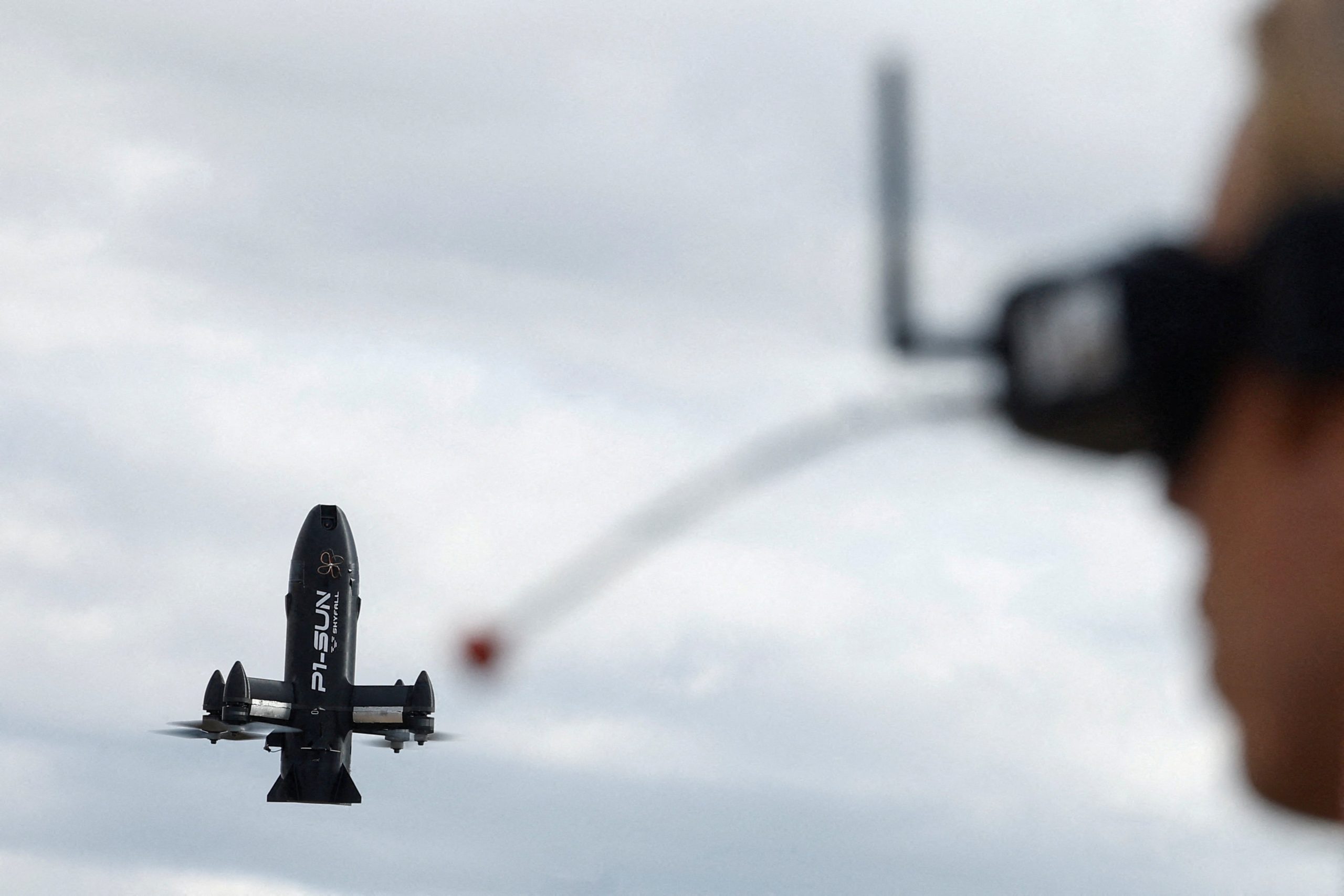
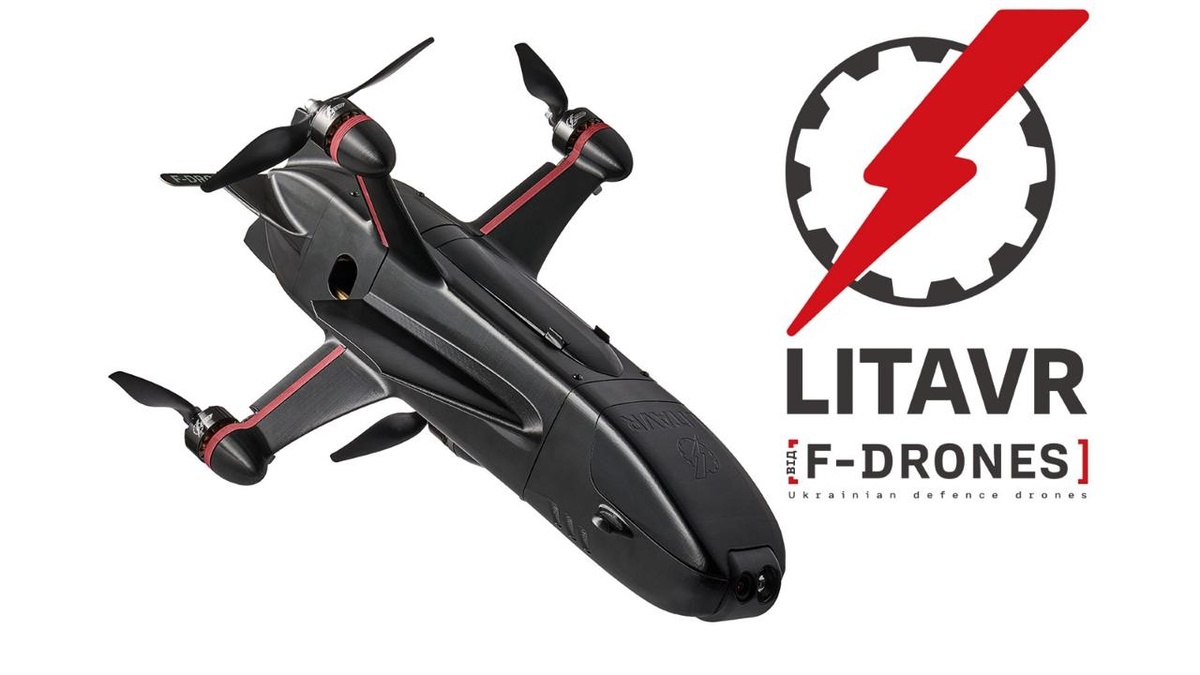
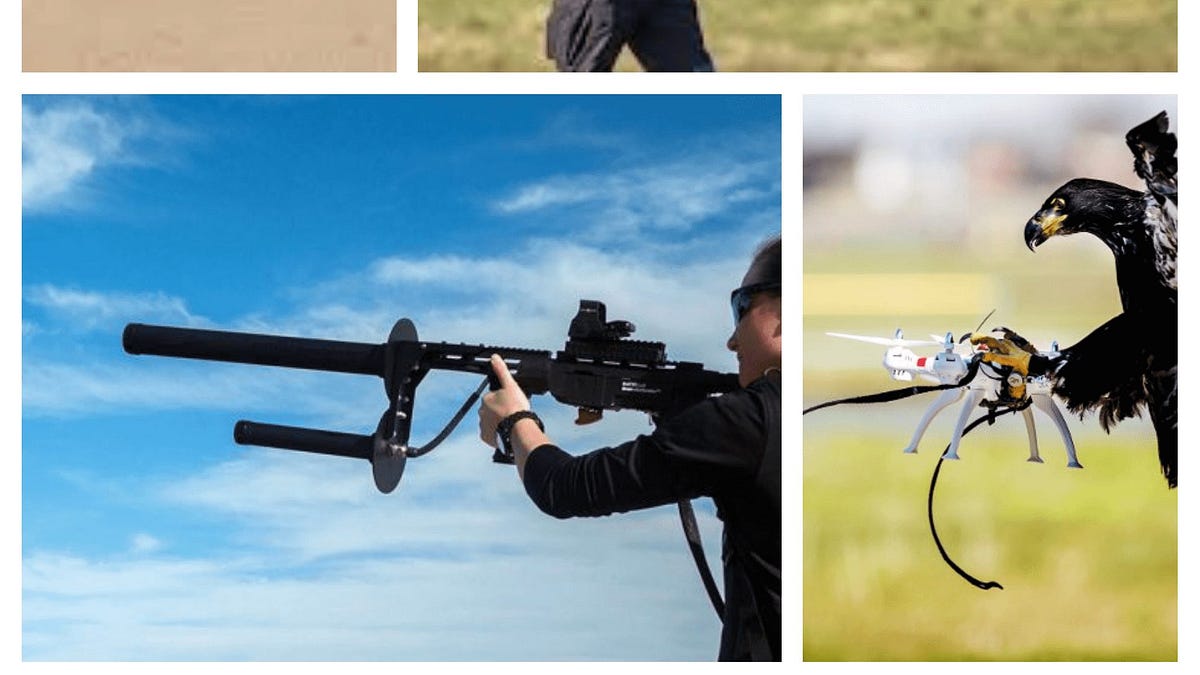
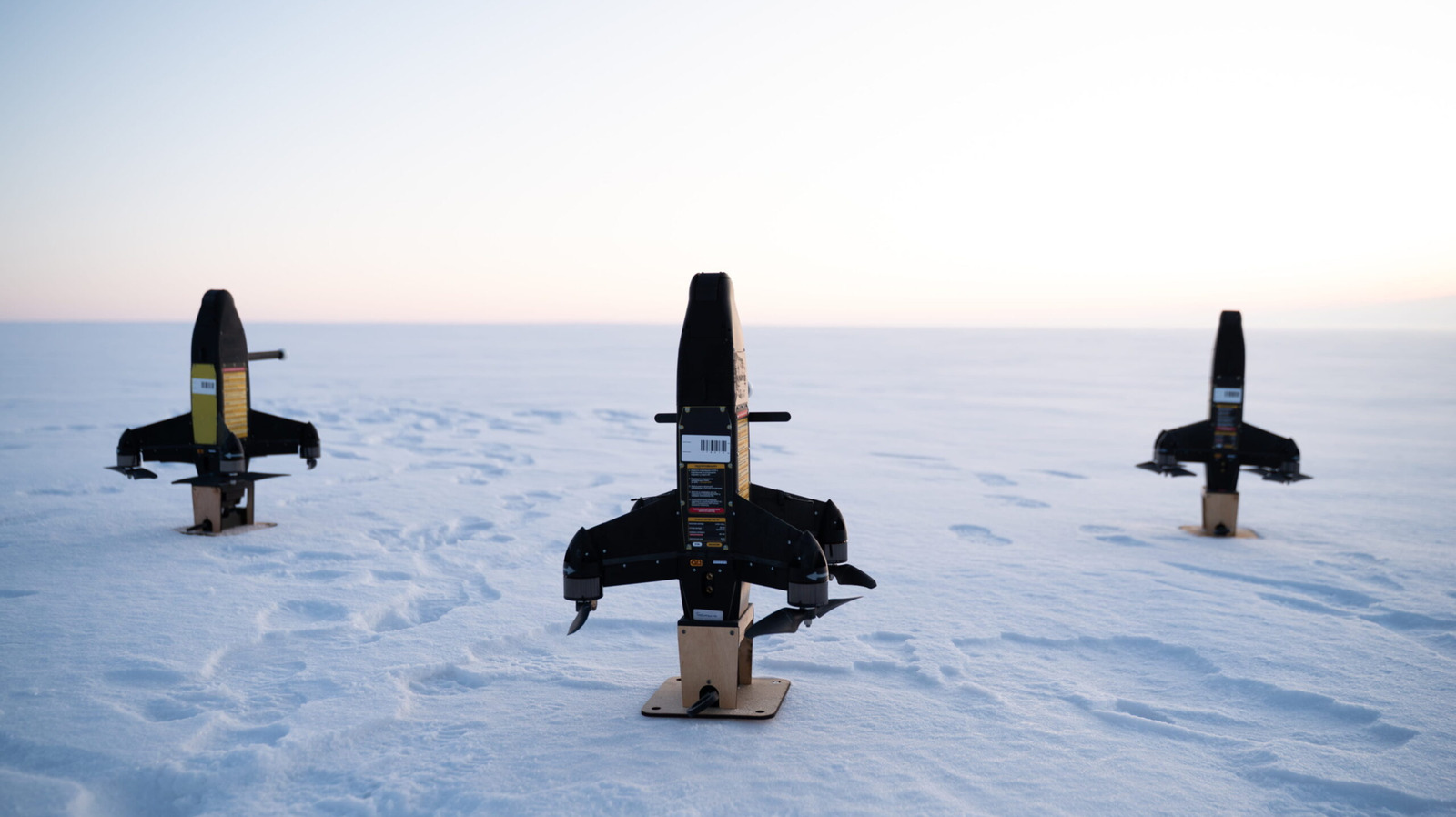
FPV interceptor drones, costing $500 - $1500, controlled remotely from a hotel room hundreds of kilometers away.
 
I suppose this may belong here too.

More than $1 billion going to Base Gagetown as part of military rebuilding


Part of the Gagetown specific stuff.

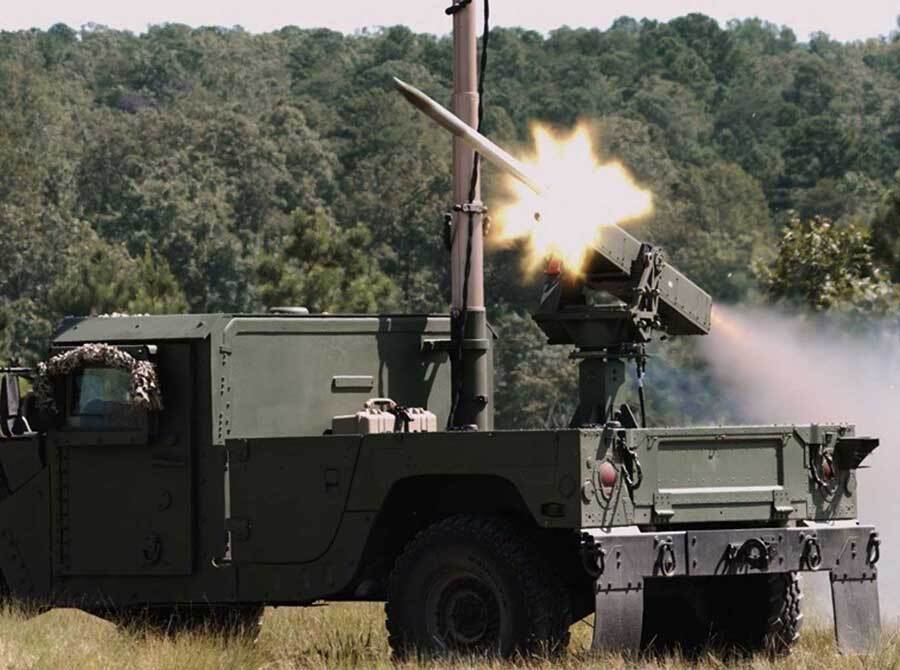
“In New Brunswick we’re investing more than a billion dollars in CFB Gagetown to recapitalize our primary army training area, introduce new ground-based air defence systems, and ensure our soldiers train on infrastructure built for the next century,” Carney said.


The right answer then. The right answer now.


30 x 113 mm is the smallest Prox round currently in general service AFAIK - suitable for the M230 LF compatible with LUVs and small UGVs.

....

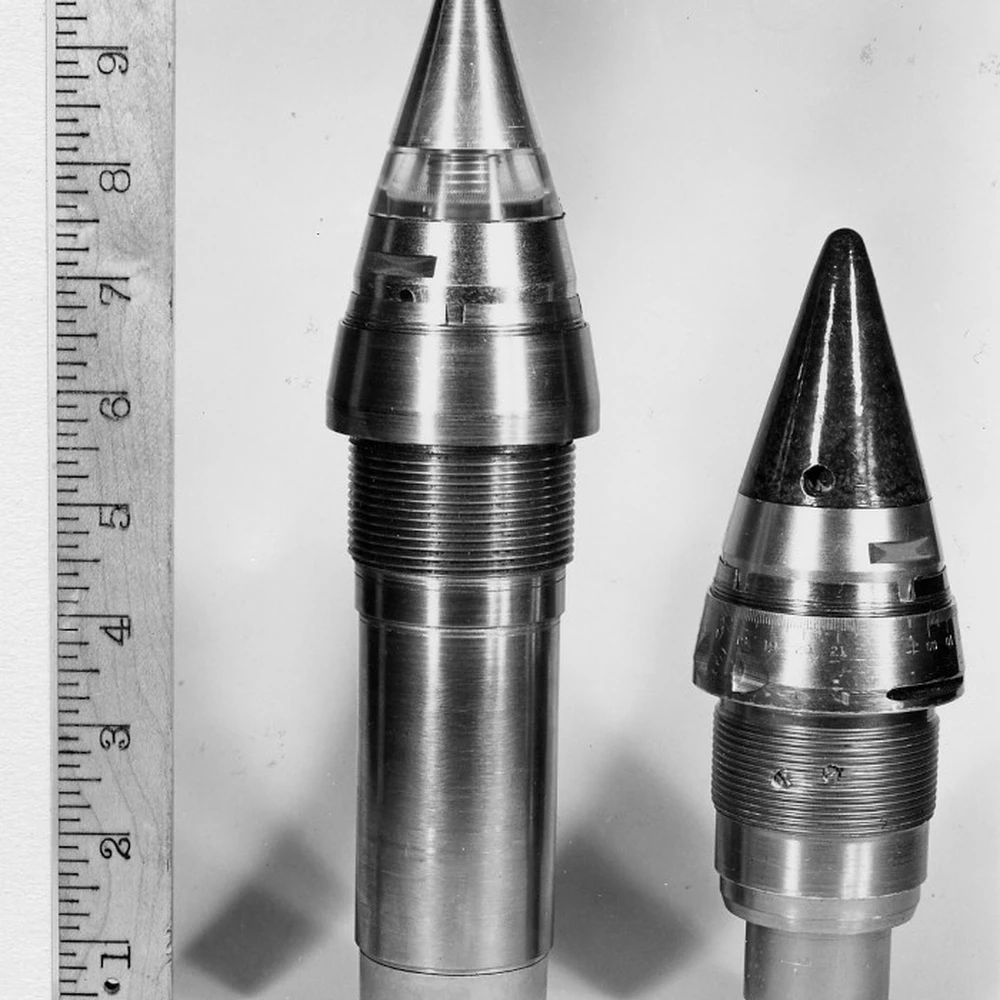
40 mm programmable GMG grenades are a thing

40mm proximity-fuzed (or programmable airburst) grenades for Grenade Machine Guns (GMGs) are a critical Counter-Unmanned Aerial System (C-UAS) technology designed to engage Group 1 and 2 drones at extended ranges (up to 1,500m+) using high-velocity (HV) rounds. These smart munitions are designed to detonate near drones, using either radar-guided proximity fuzes or RF-programmable airburst technology to maximize damage via fragmentation.
Key 40mm C-UAS Grenade Technologies
  • Nammo 40x53mm HEDP-RF (Radio Frequency): A programmable "Airburst" round that uses a pre-set timer, set by a muzzle-mounted device as the round leaves the launcher. It provides all-around fragmentation suitable for killing drones.
  • Rheinmetall DM131 40x53mm HV HE-T ABM: A programmable high-velocity airburst munition specialized in anti-drone tasks.
  • XM1211 High Explosive Proximity Round: A US Army project designed to provide true "proximity" fuzing (using a sensor to detect the target) rather than simple timed airburst, specifically for drone countermeasures.
  • M684 40x53mm HE/XM684: An electric proximity fuze designed to be threaded onto the front of the projectile for use with weapons like the Mk19.
Compatible GMG Platforms and Systems
These rounds are intended for standard NATO high-velocity GMGs, including the Mk19, HK40 GMG, and Rheinmetall Fieldranger.
YouTube +2
  • Valhalla Belt-Fed Midgard: A specialized, high-elevation GMG station specifically built to engage aerial drones using radar-guided optics and programmable ammunition.
  • Rheinmetall Fieldranger: Remote weapon stations featuring digital, stabilized optics tailored for C-UAS engagement.
  • Vingmate Fire Control System: Can be fitted to standard GMGs to enable the tracking and engagement of moving drones.
    Rheinmetall +2
These systems typically require a weapon-mounted programming unit to interact with the fuse.
....
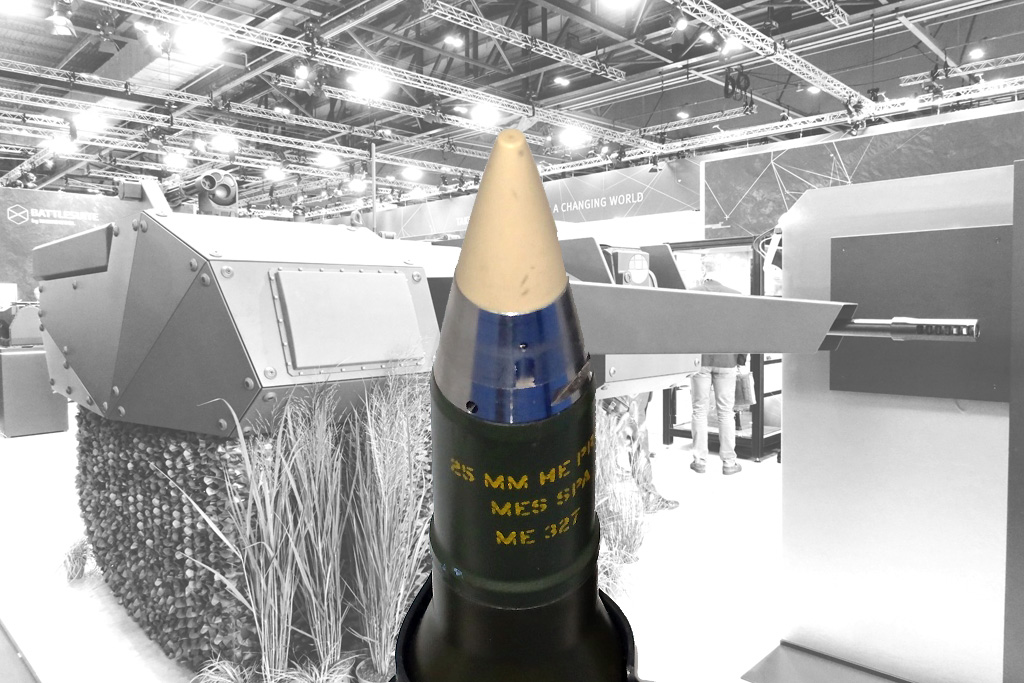
25mm is being procured because there are so many M242s and KBAs in existence.
 
Noah on CUAS

"I shouldn't be screaming into the void expecting something of a unified effort, a national push, especially when we all recognize the vulnerabilities. Here's an article from yesterday about recent incursions over American facilities. Here's another for you. Here's the UK, France, Belgium, the Baltics, and Denmark, just for good measure.

We would be foolish to assume the same isn't actively happening here. We would be foolish to assume that any part of our geography or location will keep us or critical assets safe from potential asymmetric attacks.

If you think something like Operation Spiderweb couldn't happen here, where cheap, crude uncrewed systems integrated with basic artificial identification and targeting couldn't, say, target a facility like Cold Lake? Or Halifax? Or Trenton? Hell, what about critical assets like the future Arctic Over-the-Horizon Radar systems?

Then I'm sorry, but you're playing a very stupid game, a game that has proven to cost those who don't play it seriously dearly. What will you do then? What would you do if a key part of our continental radar network is taken out by a cheap drone launched out of the back of a semi?

"What would you do?" is an easy question to ask, and you can supplement it for anything: any platform, capability, facility, or critical piece of infrastructure. Then remember that we have almost no way to protect ourselves, not while the ongoing CUAS initiative continues to sit in identification, not while we continue to endlessly study and discuss what we need.

And if I sound a bit dramatic? That's entirely because the concept terrifies me. It scares me when I talk to people about it, to understand how vulnerable you are, to know how little you have to stop it. To remember that it only takes one or two lucky little fucks to cripple us in ways we couldn't imagine.

That's why I take this so seriously. That's why I push for aggression. That's why this whole debate frustrates me, because we know there is a path forward. We know the assets and capabilities we have. We know the industry we have. We know we could be doing something now, anything.

And that's another thing in all this. It isn't just about having the systems in place. It isn't just about the right equipment. It's about having the right mentalities in place who are willing to accept that reality, and are ready to tackle it in the aggressive manner that the situation demands of them.

It's about having the contingencies in place for if the worst comes to pass. It is about having the proper facilities, like hardened shelters, in place domestically to ensure that we have available as many layers of protection as possible for our future fleets, even if some might call it silly. It is about having the proper training infrastructure in place so people can develop the experience and skill sets they need to operate in a drone-dense environment. That is especially important to me as we start talking about the future Base Security trade.


....

The real frightener?

If it was accepted that the domestic UAS threat was real and that it demanded a legitimate CUAS coverage of our domestic infrastrucure, and our domiciles, it would rapidly consume our entire defence budget and leave nothing for expeditions.

 
Back
Top