Random explorations of the unknown.


...
Back to the notion of privatised air defence.
Already a thing in Ukraine. Probably a logical extension of all the crowd-sourcing of funds, supplies and weapons that have been a feature of this war.
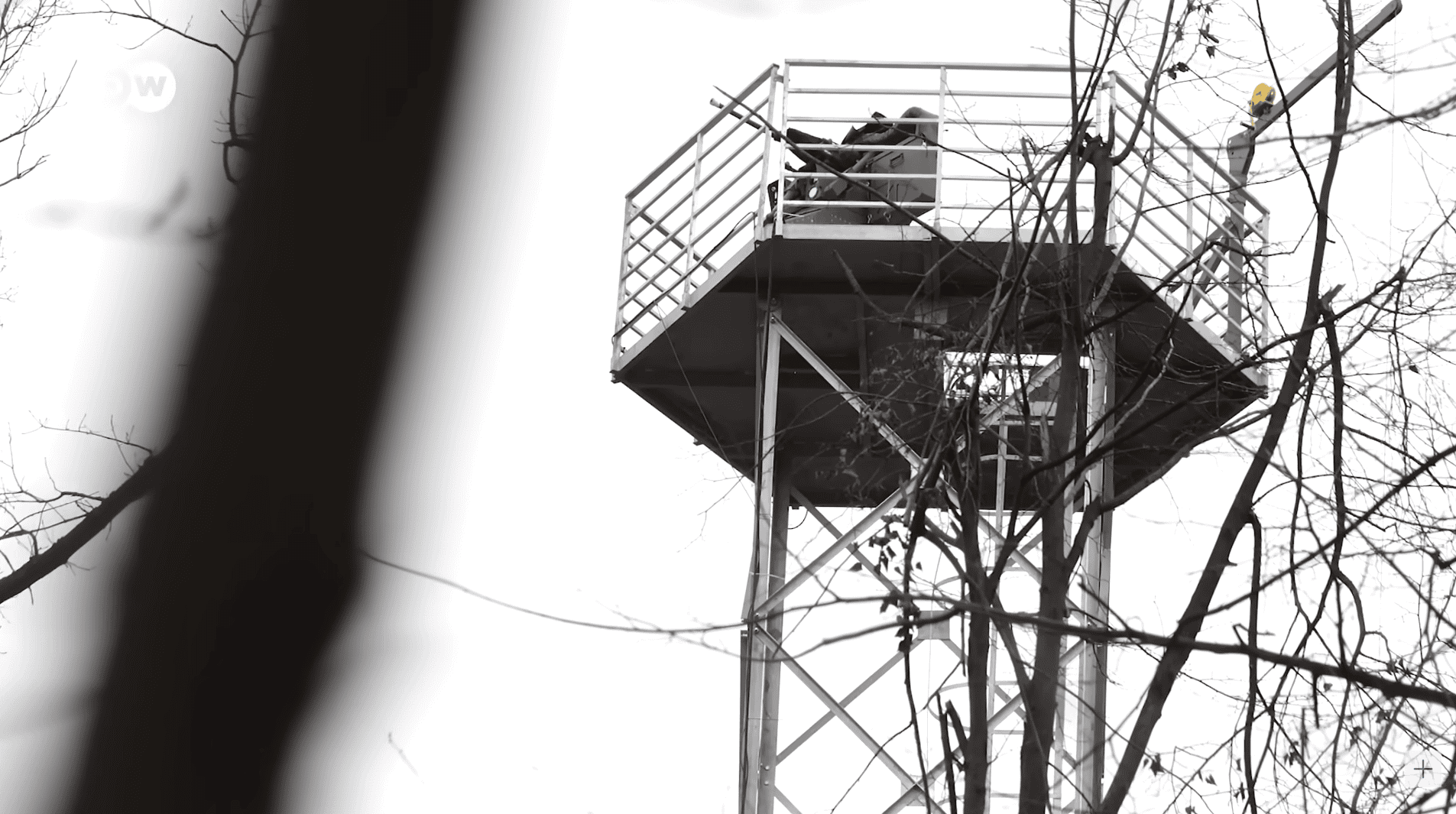
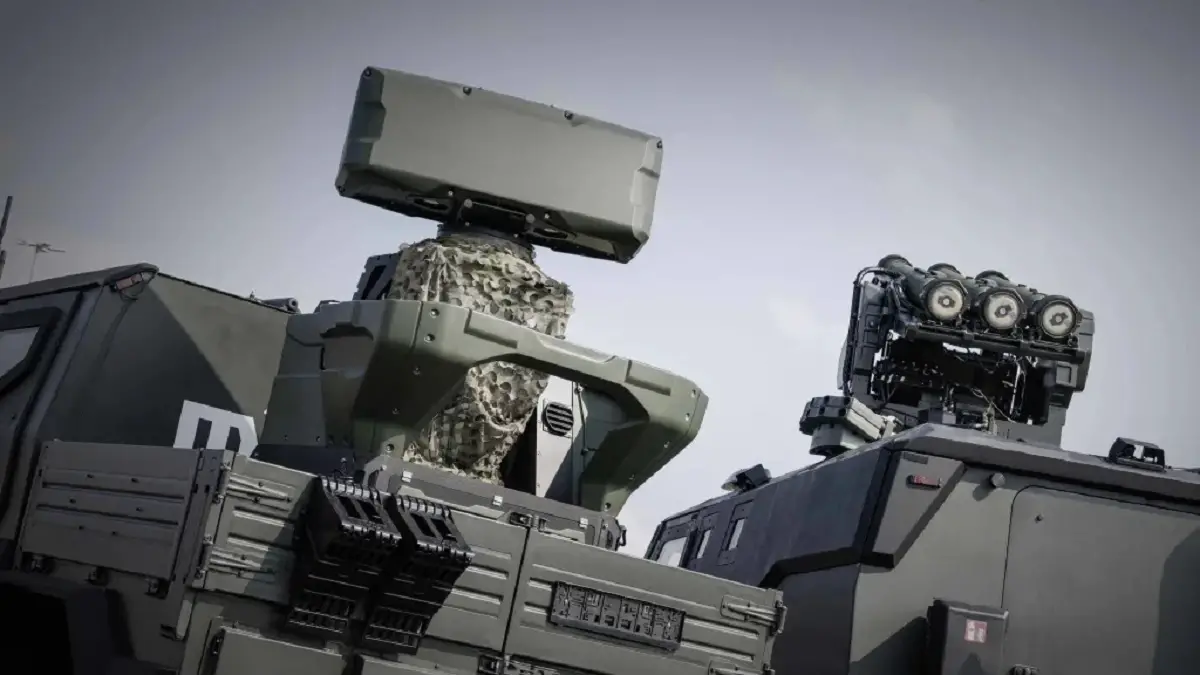
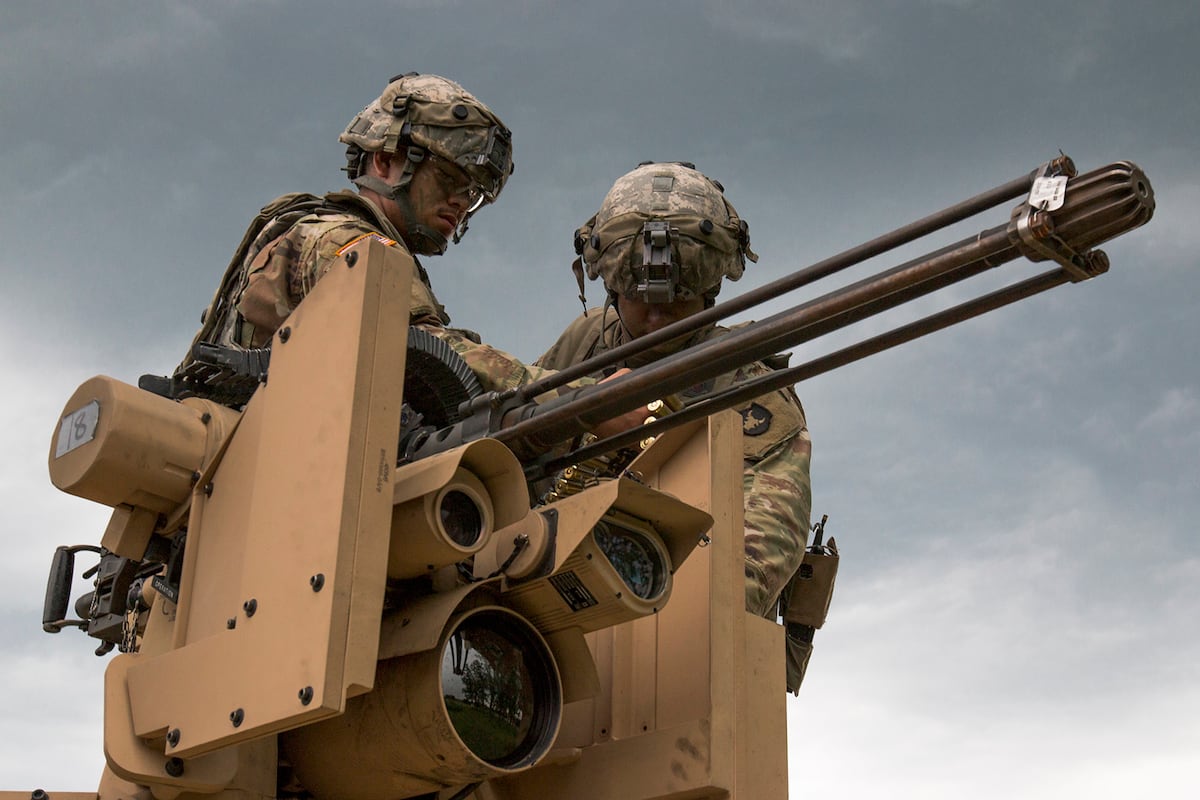
The Ukrainian company Carmine Sky has deployed towers equipped with Sky Sentinel remotely controlled turrets across Ukraine as part of private air defense.This is reported by the Ukrainian edition of […]

militarnyi.com
Starting from there I wonder if these interceptors might not make for a useful equivalent of a "sprinkler system" for fire suppression.
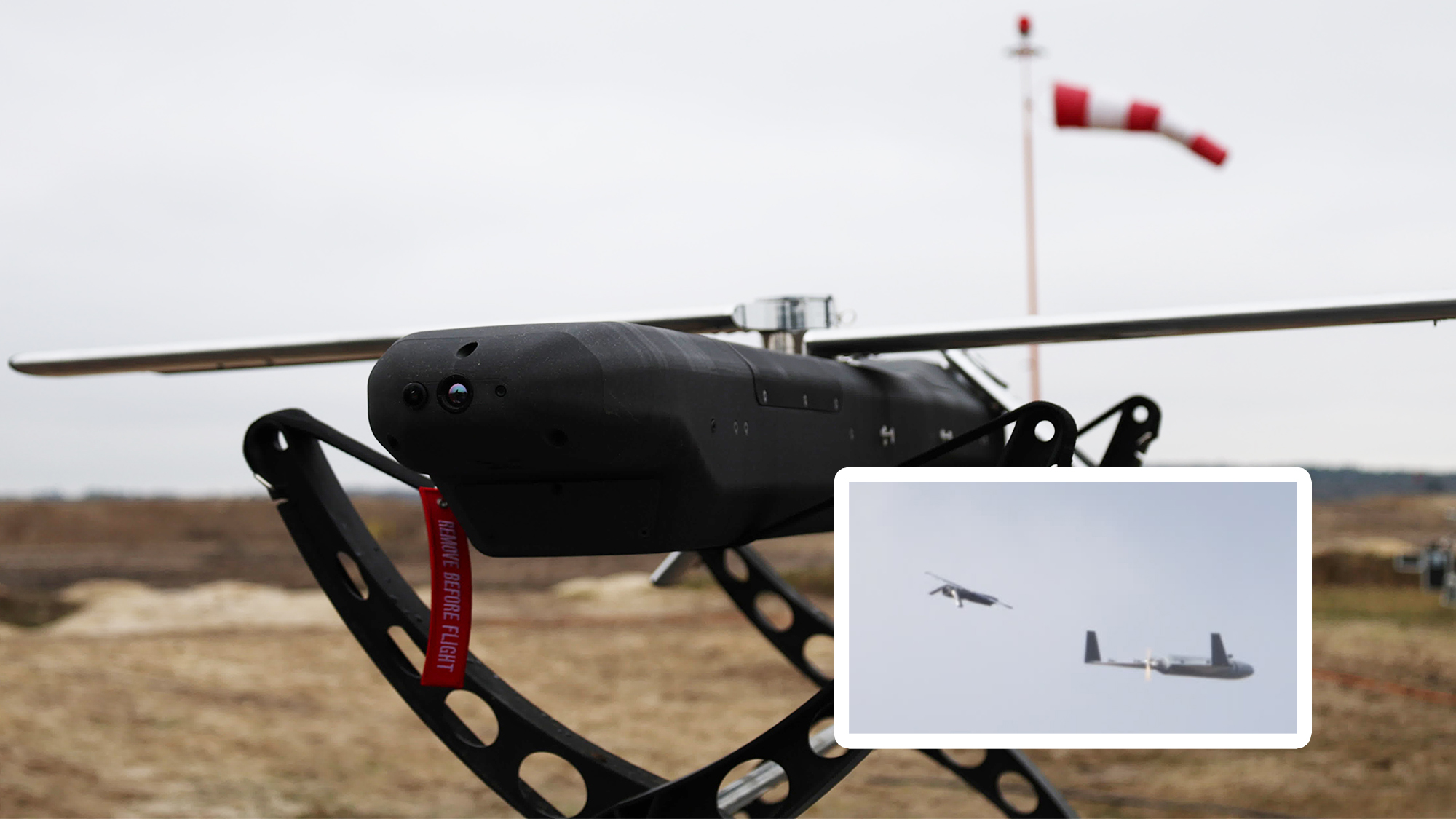
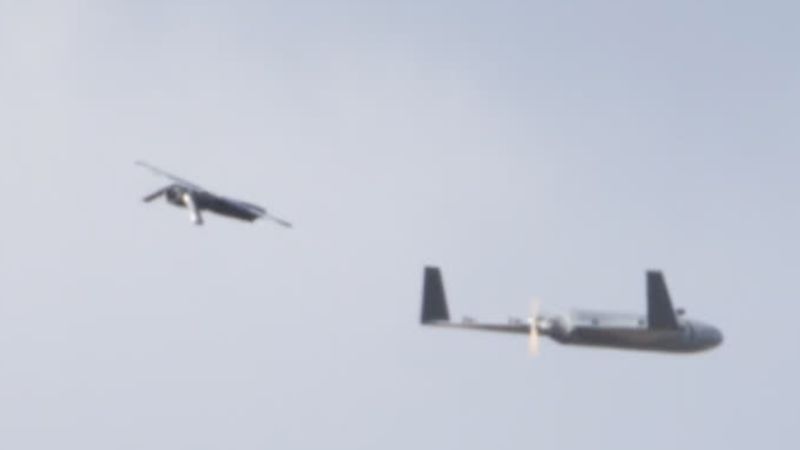
Ukraine spent years perfecting cheap drone killers. After burning through billions in missiles in three days, the U.S. and its allies are asking for help.

www.militarytimes.com
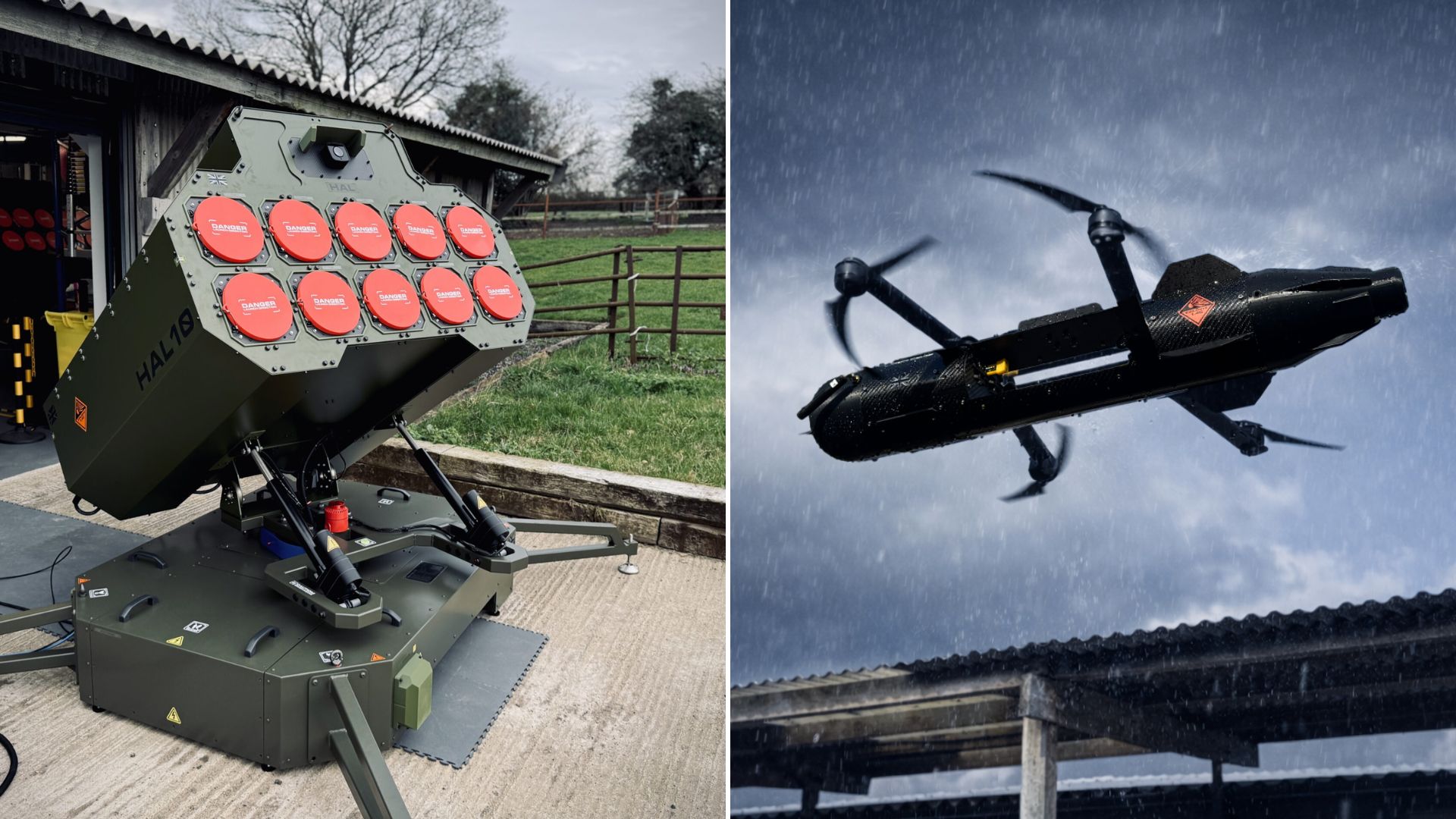
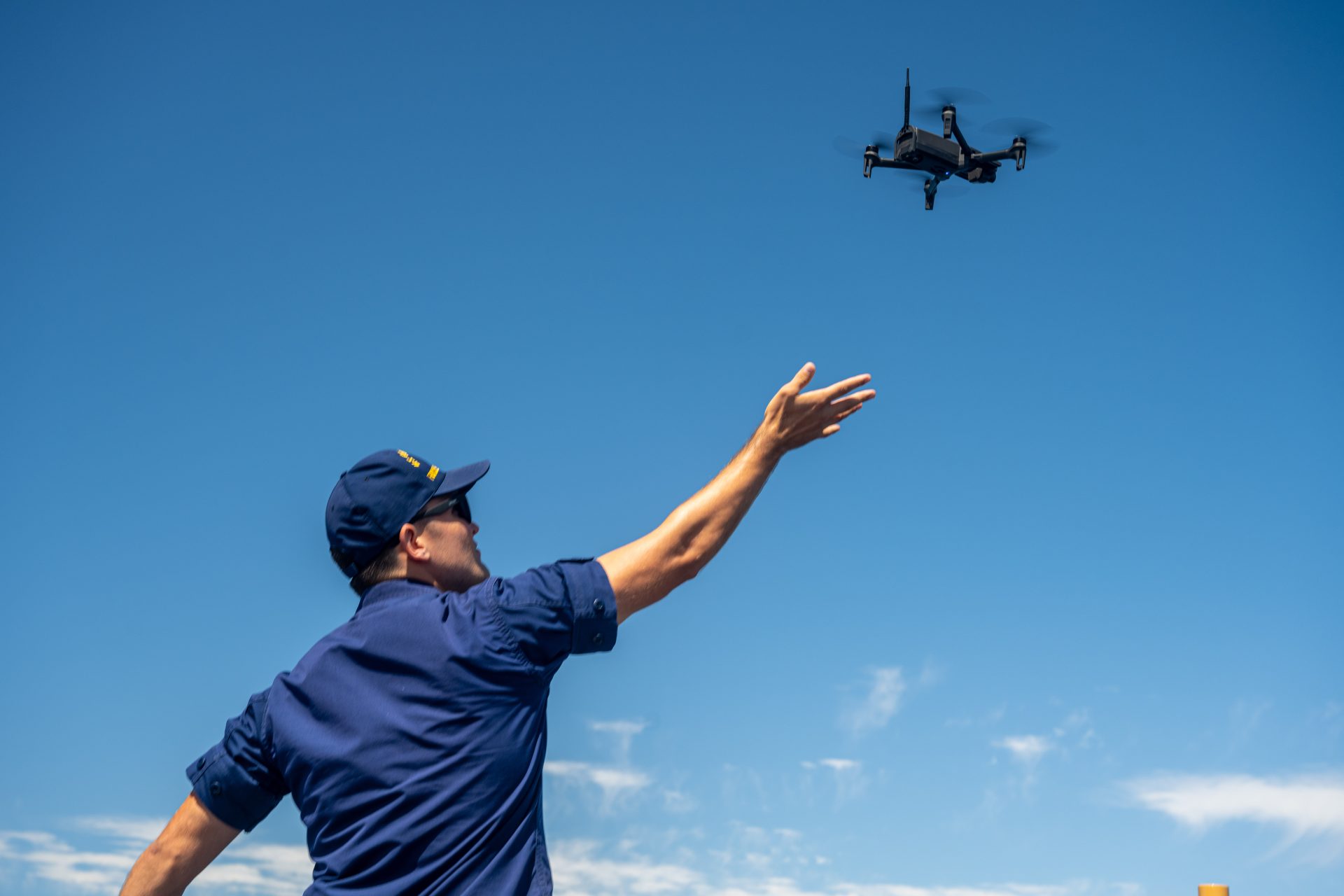
Not only are they cheap, they are compact and could be unobtrusive, and most importantly they seem to be inert. They rely entirely on their intrinsic mass and velocity to achieve a kill and contain no flammable fuels. They are likely to be able to sit idle for months if not years and remain effective, providing their batteries don't ignite. And launch systems like this one below could be mounted on any roof top. With or without the Sky Sentinel.
UK company introduces HAL10 launcher capable of deploying 10 WASP modular drones for rapid reconnaissance and battlefield surveillance.

interestingengineering.com
....
Golden Dome.
It will cost a fortune.
And the more effective it is the more costly it will be.
And one of the most vexing threats is the CUAS threat.
How to pay for the system.
The conventional route is to threat the threat as an extraordinary threat to be managed by the National Defence structure.
The unconventional route is suggested by the developing Ukraine actions.
There factories, like power plants, were under threat, weapons factories in particular. Companies were encouraged to bulid new weapons factories inside Ukraine to produce the weapons Ukraine needed knowing that they too would be high value targets. The solution was for the weapons manufacturers to supply and deploy their own weapons in their own defence at their own sites at their own expense. The costs would come out of their capital and operating budgets. Just like their sprinkler systems.
From that starting point you now approach the prospect of private companies specializing in CUAS security and offering the same services to other factories, as well as to the government to cover government facilities like powerplants, reservoirs, sewage works, hospitals and schools.
Which brings us to the Golden Dome.
Virtually every building of any size has a fire suppression system to automatically counter any fire.
Most buildings have security systems involving people, sensors, alarms and reaction capabilities - anything from calling the security company or the constabulary, fire or medical services to manage the problem for you to deploying more active measures youself like using fire extinguishers, first aid kits, AEDs or electric shocks and graduating upwards from there to ultimately employing lethal force in defence of you, yours and your property.
And you are encouraged to install these systems, which most of us would naturally turn to in any event, by a combination of laws and codes, and by financial inducements - fines for not having them and reduced insurance premiumd for having them.
Back to the Golden Dome
And the lots of money necessary.
One way to find the money necessary is to go the government route and tax people and then spend the money taking the credit for doing something and blame for raising taxes, spending too much in the wrong places for the wrong things to protect the wrong people and not protecting me and mine.
Or.
Follow the other route and privatise the entire system and encouarge people to engage their security companies to install approved CUAS devices on every high rise roof top and in every facility at risk.
The Sky Sentinel system costs $150,000. The interceptors cost $1500 apiece. I am guessing that $500,000 would buy a useful facility that if replicated on every high rise roof top could supply an effective low level air defence. And the cost is within the range of costs a developer or facility manager conventionally has to deal with.
Society will still bear the additional costs.
But more jobs will be created buliding and installing the systems, supervising and maintaining them.
So there will be more things and things will cost more but there will be more people with more money to be able to buy the new things and afford the higher prices. And the government can always intervene with subsidies, fines and penalties, as well as its own Nationa Defence capabilities.
Your CUAS security provider would join the ranks of your other security providers, fire cosultants and pest control companies.
A necessary but unobtrusive service that amplifies and facilitates the work of the government.
And they can still proclaim "No New Taxes!" with straight faces.
...
I like the interceptors for the sysyems and I like the Sky Sentinel's C3ISRT architecture. I am less sold on the 50 cal.
The combination of having to secure that system against unauthorised use and theft, as well as the cost of maintaining the gun, feed system and ensuring the ammunition is viable and the effect of the bullets ttat missed on the surrounding environment when engaging threats all makes it a bit problematic.
The bullet risk could probably be managed by swapping the 50 for a larger calibre gun with fragmenting rounds but then you still have the management of the gun itself.
Perhaps a solution could be the usual "fitted for, not with" and keep the guns in storage for elevated threat levels. In the mean time the Sentinel could rely on the interceptors, dircted energy systems and RF solutions to reduce risks.
...
Random wanderings in the dark.




defence-blog.com