• Thanks for stopping by. Logging in to a registered account will remove all generic ads. Please reach out with any questions or concerns.

GBAD - The return of 'FOBS'


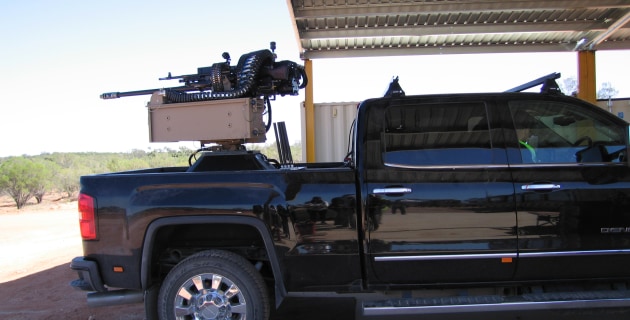
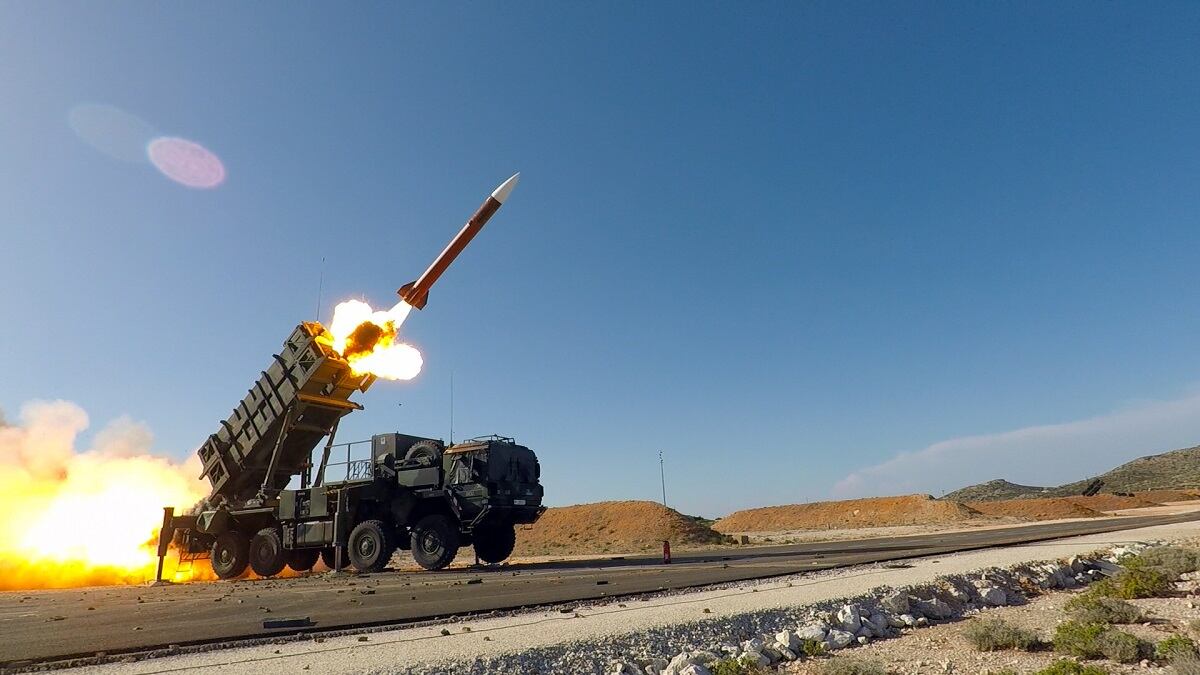
I figure these types of rigs would suit the domestic needs about right.

Especially when coupled with this


....
 
And do these fit into the discussion?


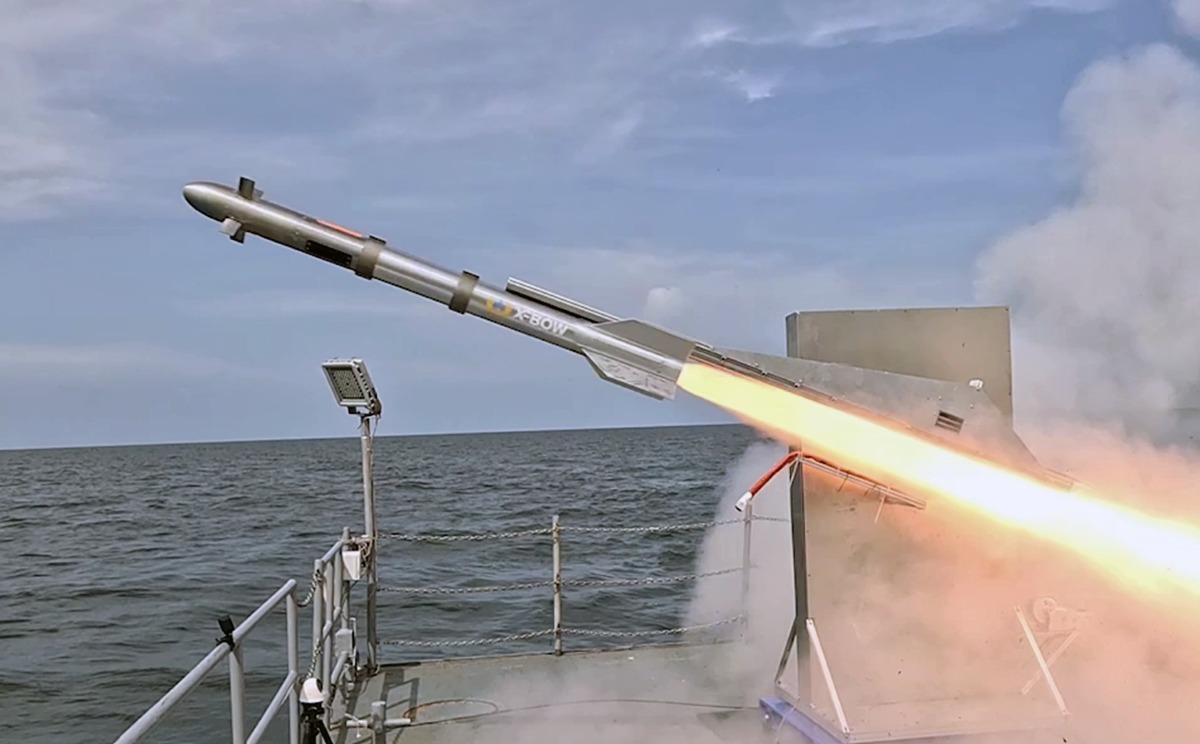
"Automated "mini air defense" for FPV drones

"According to RBK-Ukraine, the centerpiece of the presentation was the Mini Air Defense System (MADS), an automated platform designed to detect, track, and destroy small aerial targets, including FPV drones, quadcopters, and fixed-wing UAVs.

"The company said the system can engage targets flying at speeds of up to 300 km/h at ranges and altitudes of up to one kilometer without operator intervention. Interceptor missiles can reportedly be fitted with fragmentation, thermobaric, or net warheads depending on the mission.

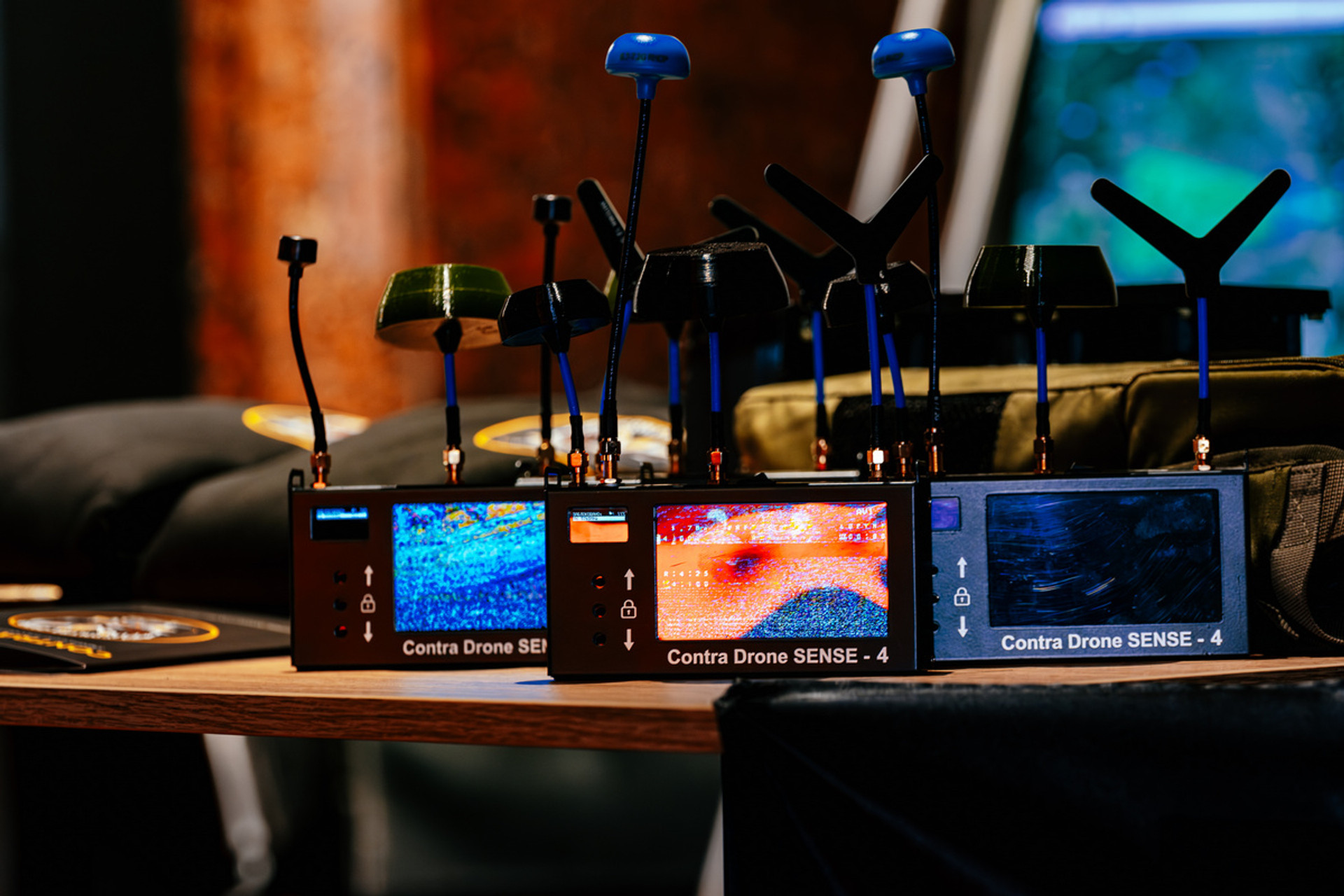
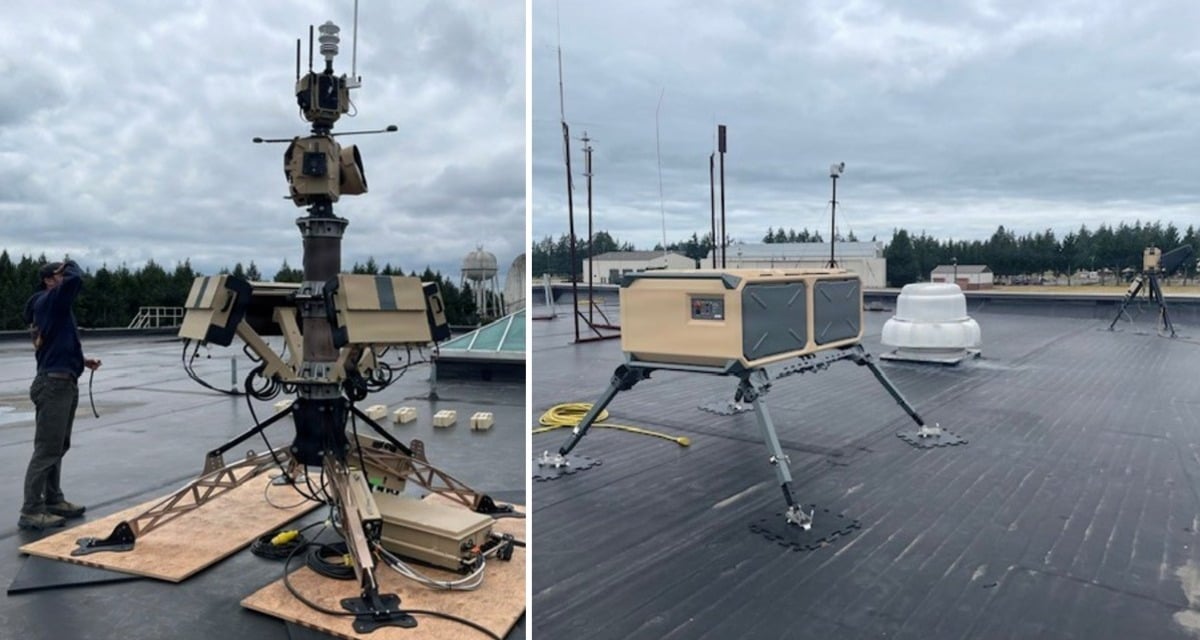
"Contra Drone also demonstrated several supporting detection systems, including the SPECTRE electronic intelligence complex, SENSE-3 and SENSE-4 FPV drone detectors, and the CD-T15 radar, which the company says can simultaneously track more than 300 aerial objects at distances of up to 22 kilometers."

....

Private Air Defence


Just to emphasise:

The 35mm cannon with the AHEAD rounds is only part of the SkyNex system

From Orlikon Rheinmetall

Oerlikon Skynex® air defence system

The modern air defence system Skynex is based on a concept to separate air traffic control from the effectors. Owed to the systems modularity it enables users to plug in only the mission relevant systems into the command and control unit.

Skynex allows integrating sensors from different manufacturers. Its capability to implement various types of effectors offers an additional freedom of action. The only requirement for the implementation is an integrated tracking unit.

Besides the single sensors and effectors, users can also link existing fire units such as Skyshield or Skyguard in a classic fire unit configuration to the control node. The recognized air picture is portrayed on a map within the command and control center in a default location showing both the sensor and effector positions and simplifies the target designation to the linked air defence equipment.

Key features
Open and modular system architecture
Increased saturation resistance
Functional composition of single effectors and sensors according to the mission requirements
Flexible command and control system
Capability to integrate existing Oerlikon Skyguard® and Oerlikon Skyshield® fire units and most other legacy systems


The Oerlikon Skynex® air defence system is Rheinmetall’s latest solution for short-range air defence. With its open and modular architecture, it sets new standards in terms of flexibility and expandability. The Oerlikon Skymaster® battle management system is the control node and centrepiece of the system. Various sensors and effectors can be linked in a modular way in order to fit mission requirements. One or several medium range radars, such as the Qerlikon X-TAR3D® Tactical Acquisition Radar, provide the air picture, which is consolidated in the control node. From there, air targets are assigned to autonomous effectors via the Skymaster network.

Besides the high performance Oerlikon Revolver Gun® Mk3, the Oerlikon Twin Gun® GDF009 TREO, surface-to-air missiles, means for active and passive electronic warfare and future high-energy lasers can be integrated. Such a weapon mix generates a highly effective layered protection shield against a wide spectrum of air threats and provides the necessary answer against saturation and swarm attacks in the future.

.....

The key element in any civil miltary application in Canada would be the installation of the SkyMaster system, regardless of what mix of effectors were integrated and authorised for release.

 
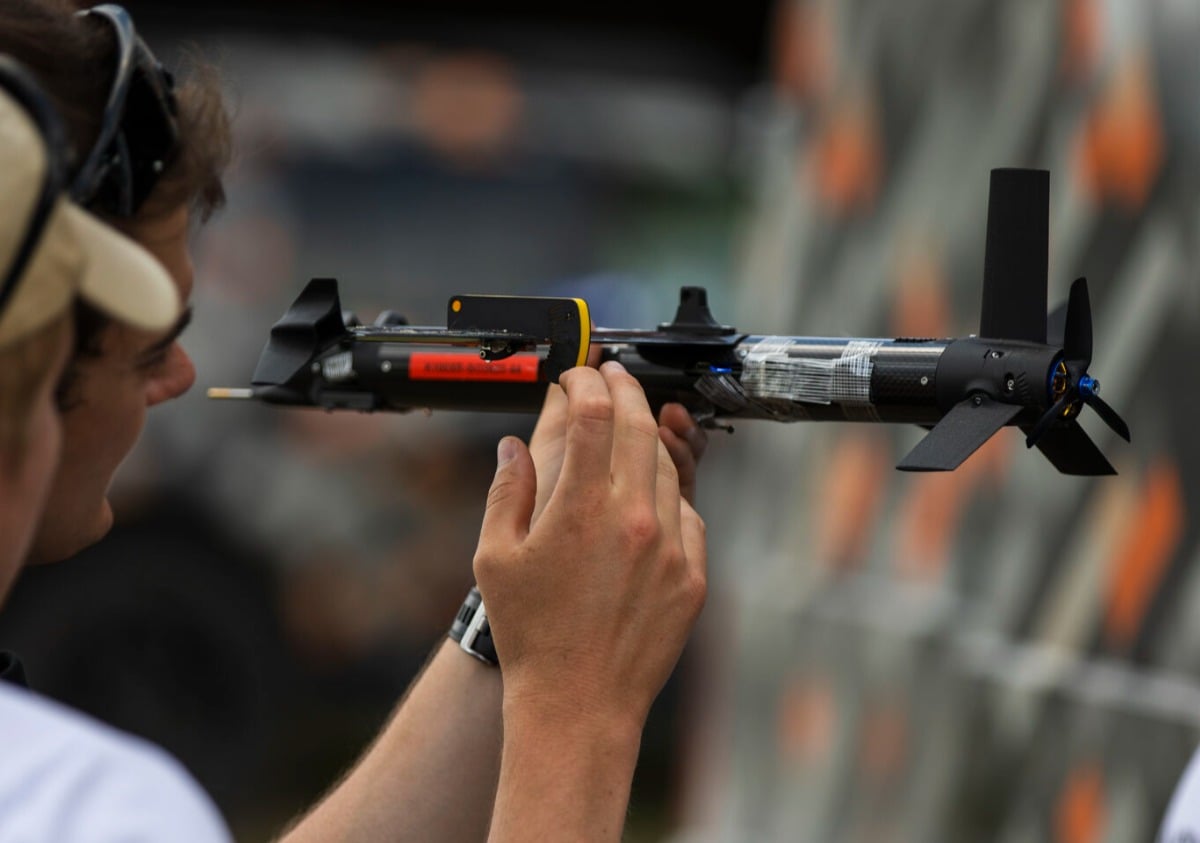
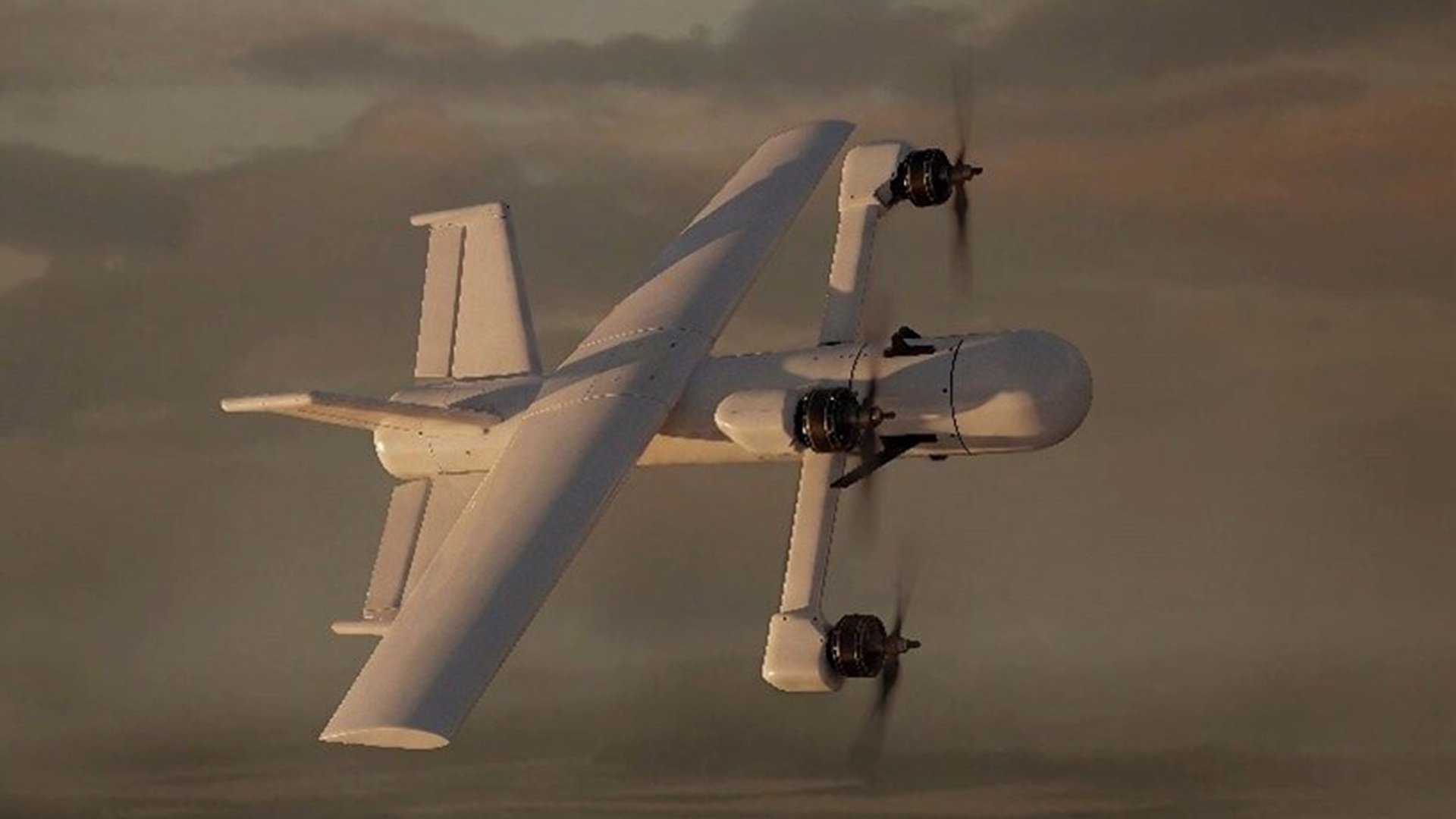
Another loitering CUAS effector

 
I have a hard time seeing as to why Canada hasn't already UOR'd several Skynex based systems if for no other purpose then to evaluate them while providing point defences in Latvia.

We had previously operated Oerlikon systems with CFE in that role in combination with Javelin and ADATS missiles. We need to rebuild our muscle memory for air defence. In an operational context, Skynex gun-based systems are low-cost and effective. Once we get a handle on fixed installations we can branch out to mobile.

Lord, but we're slow to learn and act.

🍻
 
Perhaps I wasn't clear enough.

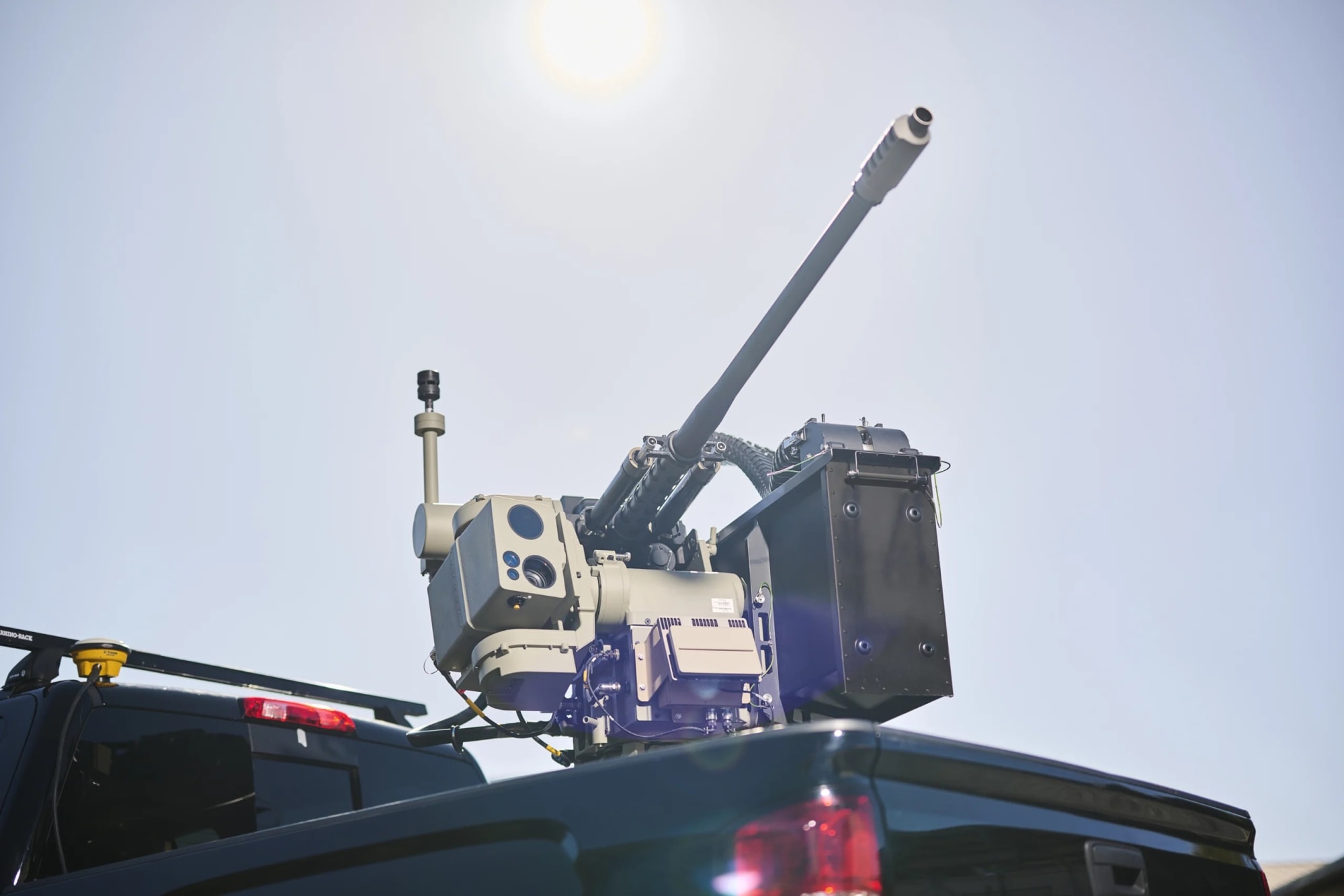
With an example of a light truck system like this where there are light missiles/rockets on board I think that the addition of a gun would be a good idea. I think the .50 is the better solution as it isn't too heavy for the vehicle. A 30mm would be. IMHO one needs to pair a small rocket/gun vehicle with a vehicle robust enough to carry the 30mm. Effectively you have a team that has the necessary sensor/targeting system for CUAS and light aircraft work which can select from a .50, a 30mm or a rocket to engage as appropriate. When I mentioned the TAPV I wasn't sure whether it was robust enough (and maybe too tall) to be able to mount a 30mm and rocket pods as well and fire sideways off of it.

These would work well in rear areas. In forward areas I think a heavier chassied (and lowered hull) armoured vehicle based on a 30/35mm gun and rockets/missiles would probably be technically feasible and desireable.

🍻


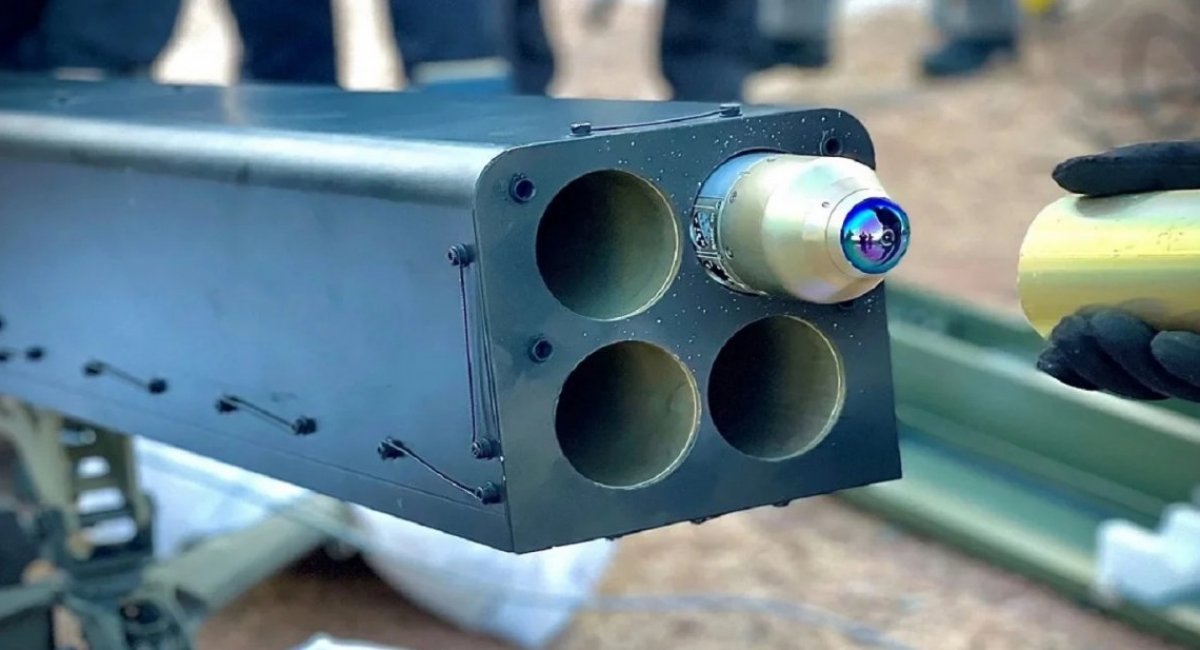
Thales Euro derivations of the APKWS II Hydra 70.

The APKWS II takes the standard 70mm Hydra 70 unguided rocket with a 10 or 17 pounder HE warhead and a proximity fuse and adds the APKWS II laser guidance system to allow the operator to steer the rocket to the general vicinity of the target and let the proximity fuse take over.

The Thales version is the LGR275 Proxy, or FZ 275 LGR.

But Thales has added a new warhead. The FZ123 disperses 6500 tungsten pellets in a cloud.


Further to this discussion


.....


And referring to the LUVW discussion on customization

My sense is that this module would pair nicely with a standard heavy duty civilian pickup for territorial defence or any armoured vehicle for the expeditionary force's self-defence as a final protection layer underneath the SkyRangers, CUAS drones and missiles. It woul also work on UGVs and USVs as well as containers for buildings, bases and ships.

Despite its primary CUAS role, as the primary system in an infantry Combat Support Company it would also provide the battalion with meaningful DFS against all targets.

On the subject of adding missiles to the turret on a pickup or UGV, in those cases where weight might be limited I would lean towards maxing out the weight with additional 30mm rounds and putting the 70mm rockets on a separate platform that is colocated with the guns and operated by the same gunners.
 
GBAD for Belgium and the Netherlands.

The interesting part, to me anyway, are the reatve ratios.

54 vehicles
20 SkyRanger 30s (30x173 not 30x113)
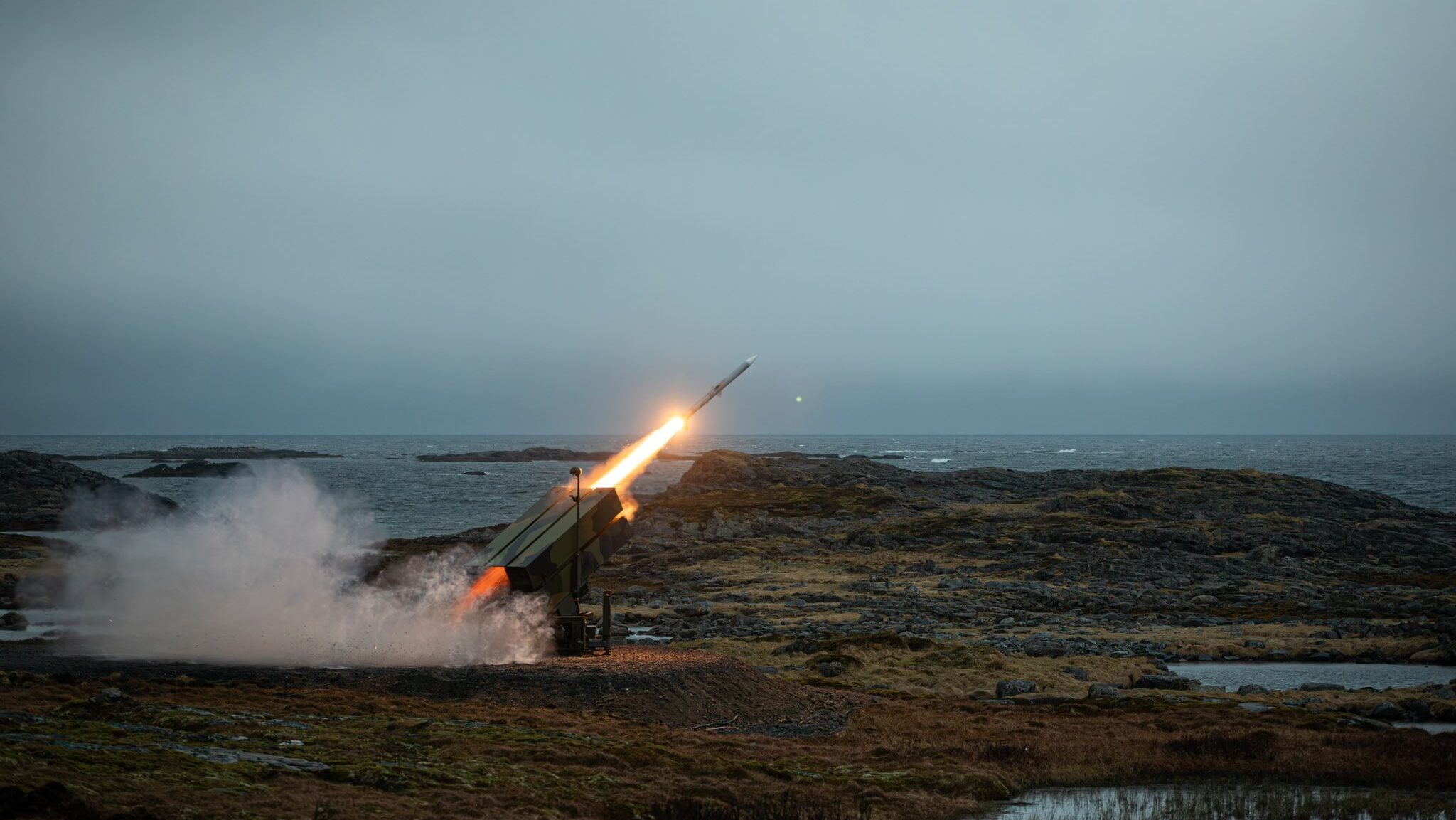
10 NASAMS MML Launchers
14 Radars

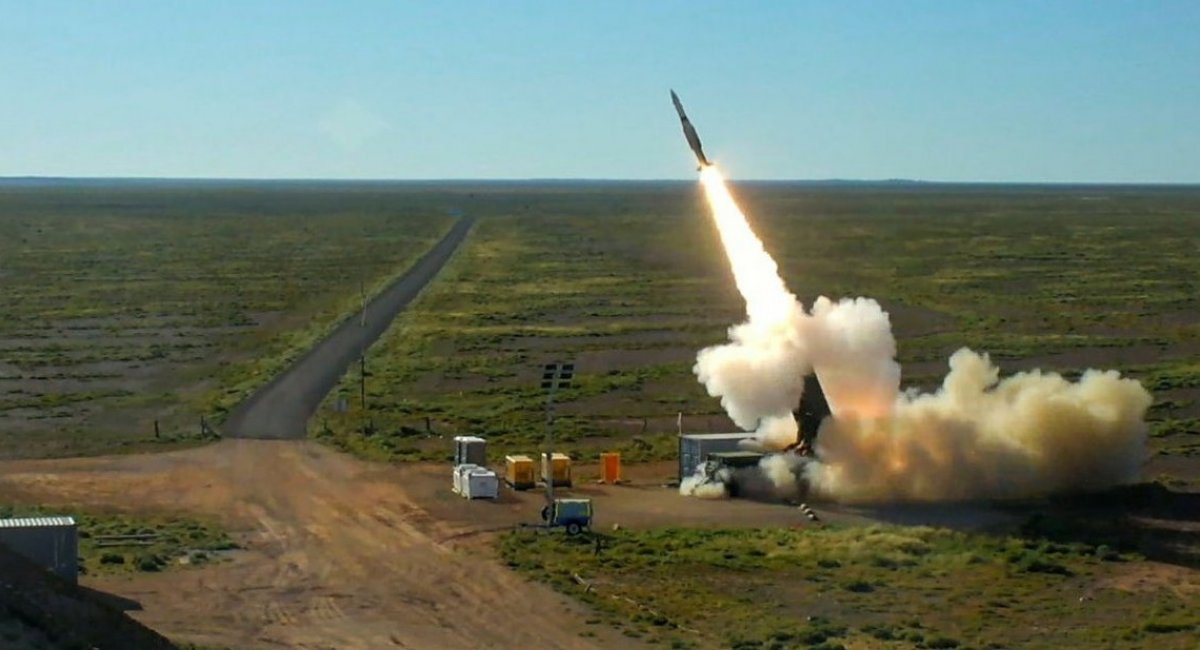
SAMP-T and Patriot are being discussed for the long range system


ANKARA, Turkey — In collaboration with the Netherlands, Belgium said today it is investing €3.1 billion ($3.5 billion) on the joint acquisition of two modern air defense systems, radars and command vehicles, as Russian threats drive Europe to spend more on lucrative ground based capabilities.

During a ceremony here at the NATO Summit, officials from the two countries signed a cooperation agreement covering the multibillion procurement of 10 Kongsberg National Air-to-Surface Missile (NASAM) launchers, 20 Rheinmetall-made SkyRanger 30 assets, 14 Thales supplied GM200 Multi Mission Radars and 54 Iveco manufactured command vehicles.

 
Back
Top