This is why Alto might fail.
The LPC is terrible at defending their ideas.
They let the opposition frame the debate. And by the time they get around to defending their ideas, its too late.
The LPC, Carney, should be out, in public, defending the case for Alto, the need for Alto, the spreading out of the cost for Alto, the economic argument for Alto, and why HSR is objectively better than HFR.
Instead crickets. Alto is more popular than not, but allowing critics to hammer away at it for years with no response, no public campaign to sell the benefits of it, will slowly degrade that support over time.
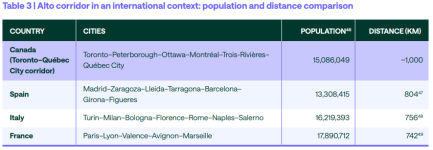
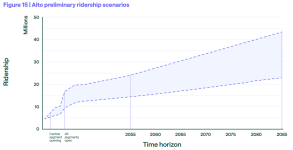
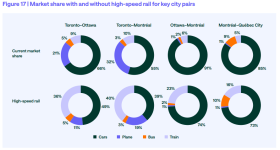
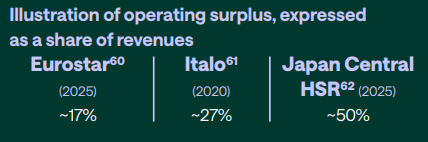
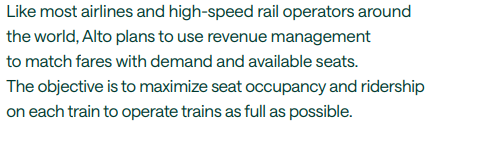
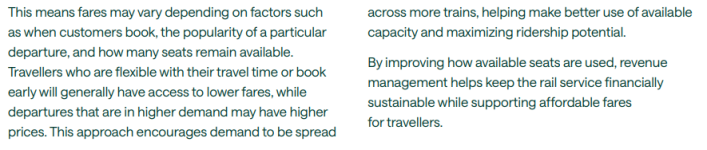
Because stuff like this should be being blasted out for all to hear, repeatedly, by every MP along the route, including Mark Carney.