Since 1989, the Artificial Reef Society of British Columbia (ARSBC) has sunk
more ships to create marine habitat than any other non-profit group in the world.
Today we are announcing that we are moving forward with plans to sink the
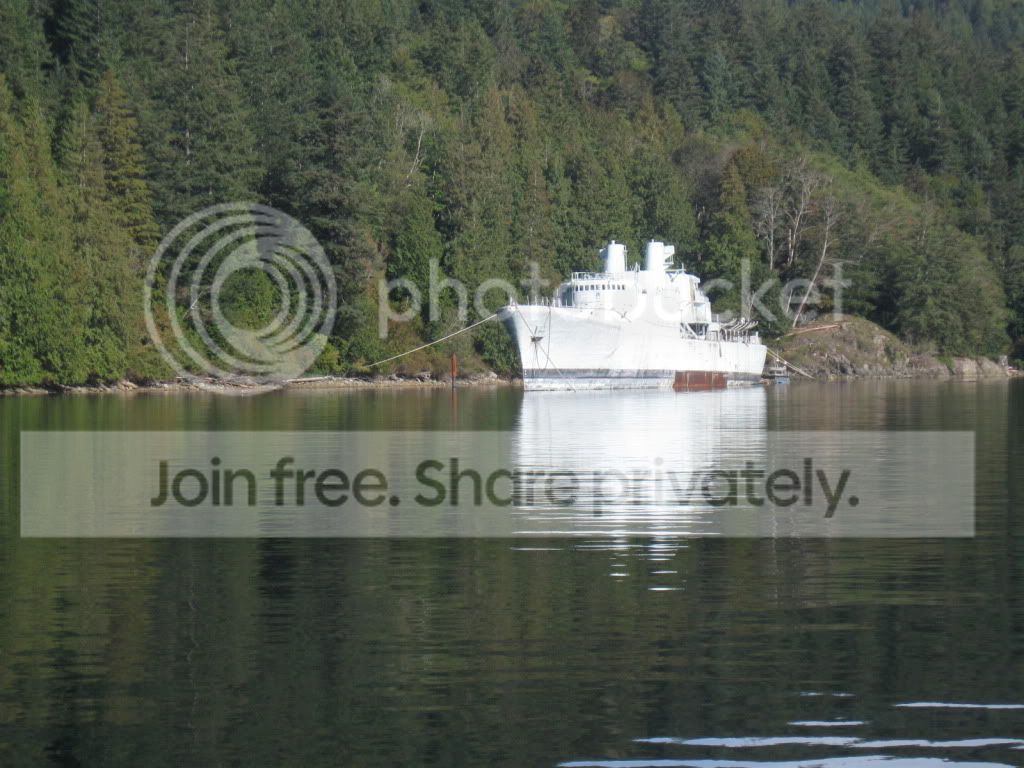
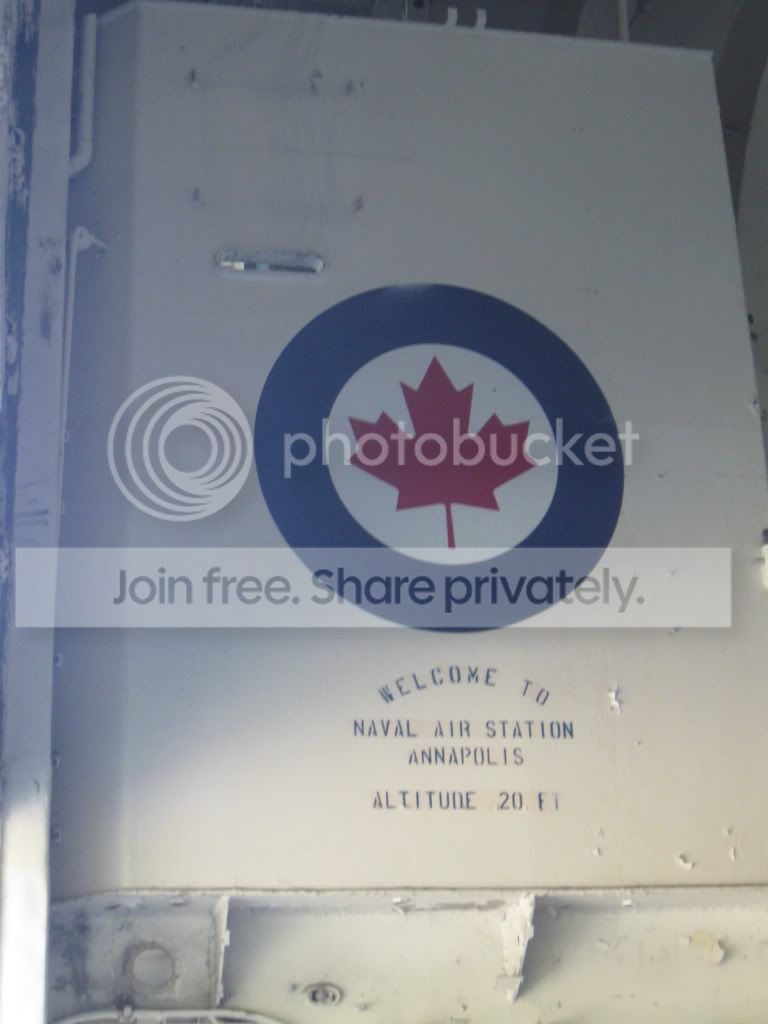
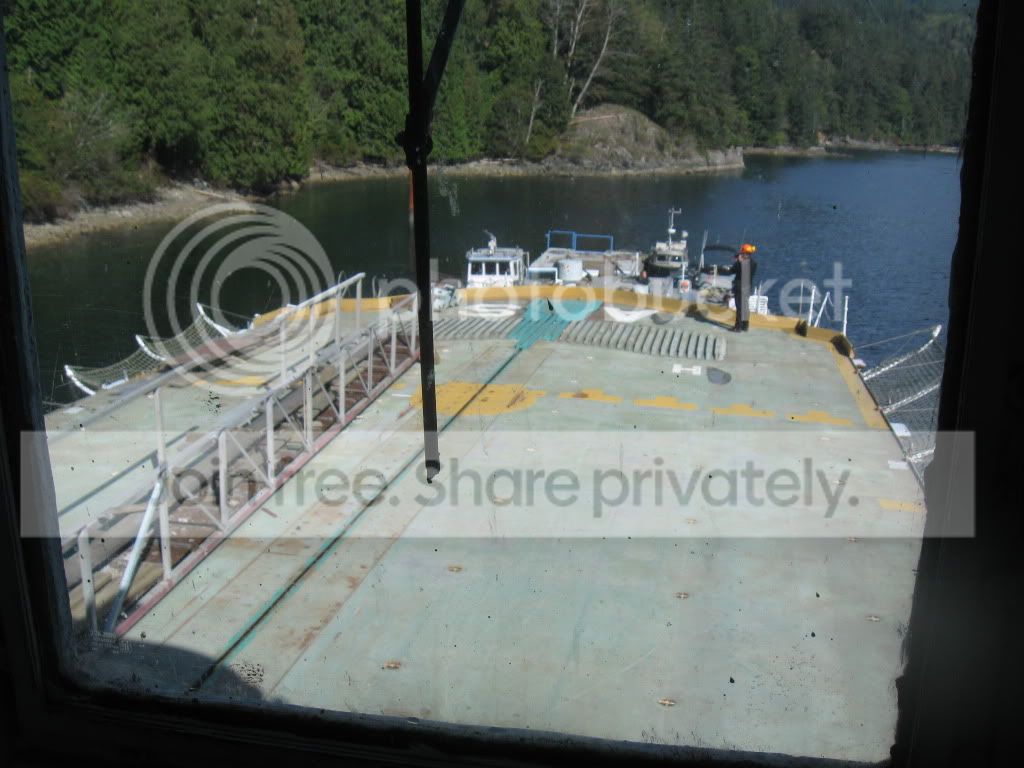
former HMCS Annapolis, a 366 foot (110 meter) helicopter-carrying destroyerescort
to create an artificial reef in Halkett Bay Marine Provincial Park on
Gambier Island, British Columbia. This involves two steps:
The ship will be towed from Long Bay, also known as Port Graves, to
neighboring Halkett Bay on January 13, 2015 for anchoring over the sink site.
Final preparations will be made before sinking on Saturday January 17, 2015.
The sinking is expected to take place in the late morning and is a weather
dependent event, we advise watching our web site for updates. The viewing
public is welcome to attend via water craft from an establish stand-off distance.
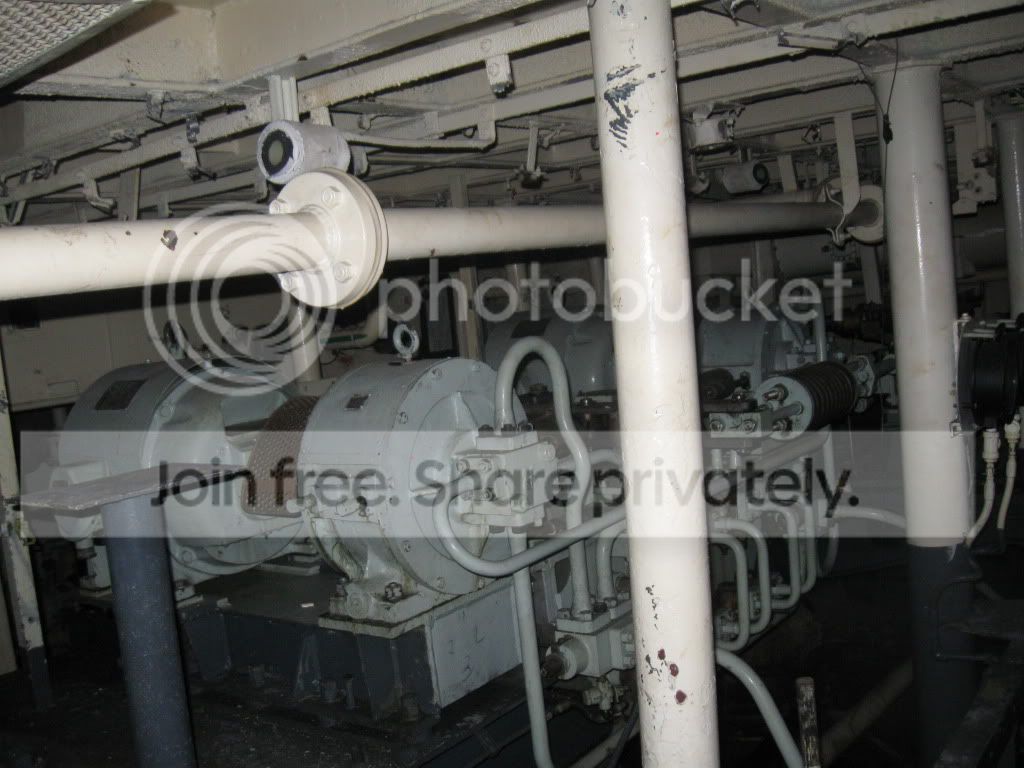
Leading up to the sinking, the Annapolis has been meticulously cleaned of
hazardous and pollutant materials in compliance with federal regulations and an
estimated 250 tons of materials--almost everything but the steel hull and
aluminum super structure will have been recycled.
The ship was purchased from the Federal Government in 2008 with the intent to
making this the largest artificial reef in the Greater Vancouver area. In the past,
BC Parks placed a number of smaller artificial reef structures in other provincial
marine parks such as Porteau Cove Provincial Park. The Annapolis will be the
second vessel prepared and gifted to BC Parks, the first being the GB Church,
sunk in 1990 at Princess Margaret Park, Portland Island BC. ( now part of the
Gulf Islands National Parks Reserve).
2
Howie Robins, President of the ARSBC, commented:
“We are deeply appreciative to all our volunteers for their hard work and dedication to the Project. And a special thanks to the many who remained confident in our determination during the more difficult periods of the Project”.
Annapolis has been the most complicated and most controversial project ever undertaken by the Reef Society. Starting with the stock market correction in 2008 and the rapid fall of recycling metal values which undermined the economics of the project, we also encountered changing federal government regulations, emerging environmental concerns, and erroneous legal challenges. These all forced the Project timelines and costs to be extended. The Project has consumed over 17,000 person-hours on the part of over 1,000 volunteers who came out to complete the preparatory work on the ship.
Robins added, “The project is now moving rapidly into its final phase of readiness. We successfully navigated through all the obstacles and now have all the required federal and provincial permits in place and the legal challenges dismissed in federal court”.
Once sunk, the Annapolis will be the most comprehensively prepared man-made reef anywhere in the world, in terms of environmental cleanliness. The Annapolis will provide a unique recreational diving experience for all diver skill levels, and will be a strong tourism draw due to its close proximity to Greater Vancouver.
The Reef Society have sunk an impressive fleet of seven underwater marine habitats/tourism attractions in BC coastal waters, including five large former naval vessels, a coastal freighter that participated in the D-day landings, and the world’s first intact Boeing 737 passenger jet, mounted on a cradle support system.
The artificial reef program, by virtue of its international visibility, has made a major contribution to dive tourism in BC by bringing international media attention, and in turn divers, to the Province’s superb diving conditions. These projects quickly attract an impressive variety of marine life. Biological reviews on the Boeing 737 sunk in Chemainus BC in 2006 documented the accumulation of over 110 species of marine life in just the first two years after sinking. This is similar to the ships that were sunk.
“The ARSBC’s mandate is to create long term sustainable marine habitat using ethical means of vessel preparation helping promote eco-dive adventure tourism. It’s good for the small businesses, the economy, the environment, and the province as a whole,” commented Doug Pemberton, ARSBC Vice President.