


daftandbarmy
Army.ca Fossil
- Reaction score
- 42,709
- Points
- 1,160
Stay of execution...
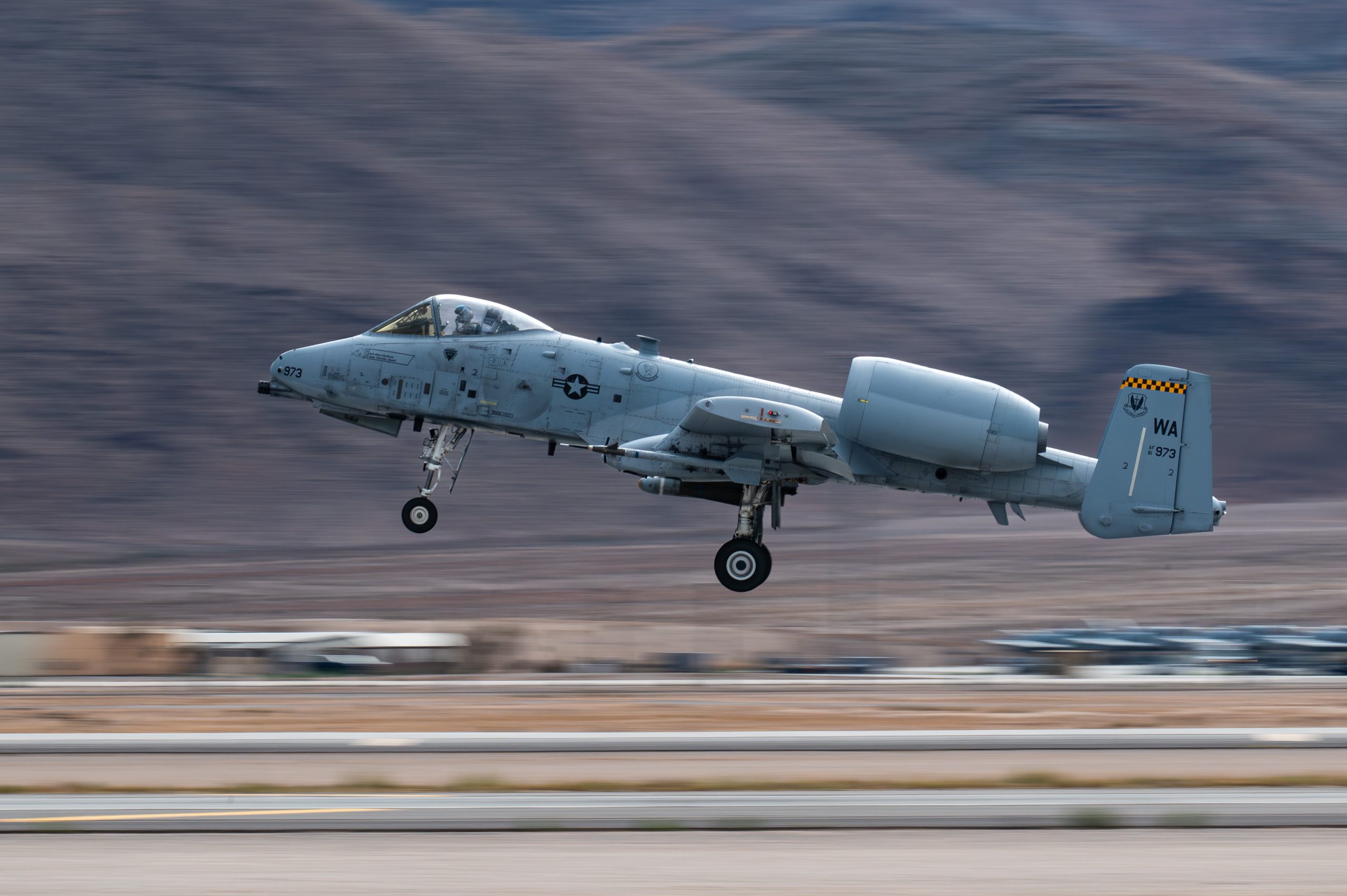
Lawmakers resolving differences in the House and Senate versions of the National Defense Authorization bill want to stop cuts to the Air Force’s combat fleet by blocking scores of planned divestments of aging A-10 and F-15E fighters.
The bill, unveiled Dec. 7, rejects the Air Force plan to retire all 162 A-10s still flying along with 21 F-15Es in 2026. If passed into law, the measure would limit divestments this fiscal year to just 59 A-10s and no F-15Es.
Also in the measure, Congress would redirect $250 million from future upgrades to the F-35 fighter and instead use it to supplement spare parts purchases.
The annual defense policy bill is considered must-pass legislation. The House passed its version in September and the Senate followed in October. Negotiations since produced the resulting 3,000-page bipartisan, bicameral conference bill, which is expected to move through both chambers in the coming weeks.
Known generally as the NDAA, the annual defense measure authorizes spending, sets policy, and directs actions, including reports, studies, research, and more. It is separate and distinct from the Defense Appropriations bill, which actually funds the department.
Lawmakers have used the NDAA to block Air Force divestment in the past, particularly for the A-10. Air Force officials acknowledge the Thunderbolt II was invaluable during the Global War on Terror but say it is poorly suited for high-end conflict in contested airspace. But lawmakers are pushing back, protecting bases with A-10 squadrons and arguing the Air Force is too eager to drop a still useful airframe.
 www.airandspaceforces.com
In Defense Bill, Congress Rejects Bid to Retire A-10s, F-15Es
Lawmakers resolving differences in the House and Senate versions of the National Defense Authorization bill want to stop cuts to the Air Force’s combat fleet by blocking scores of planned divestments of aging A-10 and F-15E fighters.
The bill, unveiled Dec. 7, rejects the Air Force plan to retire all 162 A-10s still flying along with 21 F-15Es in 2026. If passed into law, the measure would limit divestments this fiscal year to just 59 A-10s and no F-15Es.
Also in the measure, Congress would redirect $250 million from future upgrades to the F-35 fighter and instead use it to supplement spare parts purchases.
The annual defense policy bill is considered must-pass legislation. The House passed its version in September and the Senate followed in October. Negotiations since produced the resulting 3,000-page bipartisan, bicameral conference bill, which is expected to move through both chambers in the coming weeks.
Known generally as the NDAA, the annual defense measure authorizes spending, sets policy, and directs actions, including reports, studies, research, and more. It is separate and distinct from the Defense Appropriations bill, which actually funds the department.
Lawmakers have used the NDAA to block Air Force divestment in the past, particularly for the A-10. Air Force officials acknowledge the Thunderbolt II was invaluable during the Global War on Terror but say it is poorly suited for high-end conflict in contested airspace. But lawmakers are pushing back, protecting bases with A-10 squadrons and arguing the Air Force is too eager to drop a still useful airframe.
Congress Moves to Block A-10, F-15E Divestments in NDAA
Congress moved to keep the Air Force’s combat fleet from getting even smaller by blocking retirements of the A-10 and F-15E in the NDAA.
www.airandspaceforces.com


