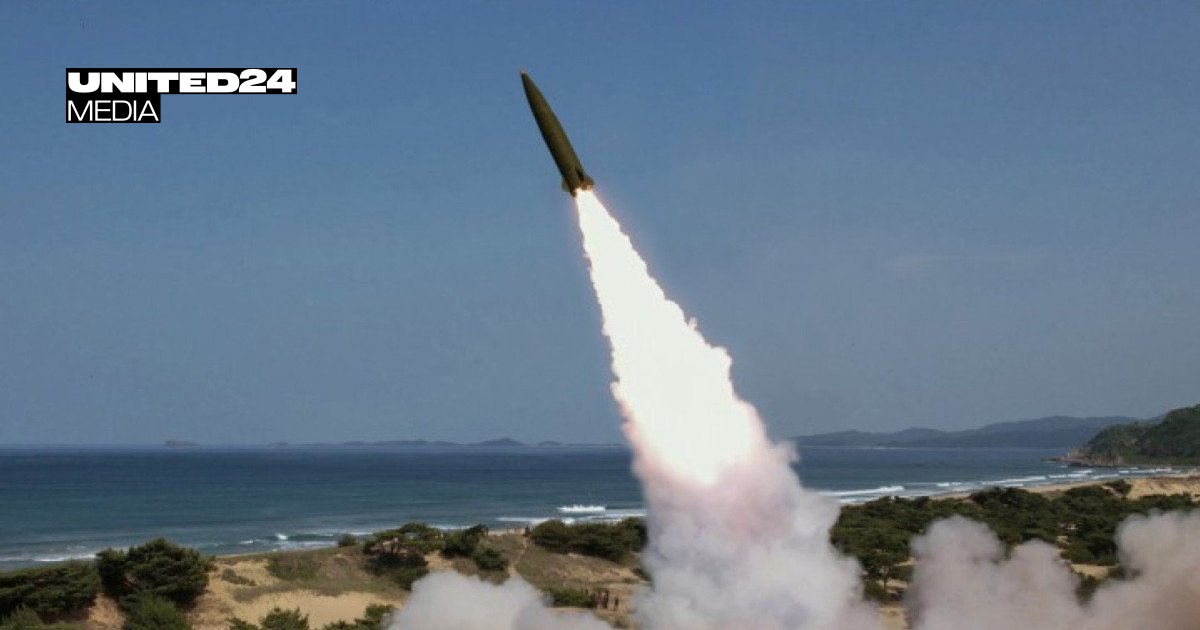
Russian mediation rejected by North Korea and missile supply to Russia interrupted
North Korea halts KN-23 ballistic missile shipments to Russia and bans Russian military aircraft after Moscow offers mediation with South Korea.

united24media.com
French mediation rejected by Israel
SOUTH LEBANON — Israel has categorically opposed, through its ambassador to the U.N., Danny Danon, the various

today.lorientlejour.com
US mediation "rejected" by Europe and Ukraine
US envoy and Trump son-in-law has given an alarming interview in which he shows he’s swallowed Russia’s propaganda - and worse - World Affairs Editor Sam Kiley explains

www.independent.co.uk
....
P5 membership ain't what it used to was.
I think it is more accurate to talk about a
multipolar world than a
multipolar society, assuming we are talking about the distribution of power among the states of the world. I think that you are also reading a little too much into those articles.
The bi-polar world was recognized as the two superpowers emerged after the Second World War. It is common to consider the period between the end of the Second World War and the dissolution of the Soviet Union as a bi-bolar world. Even then, though, other powers were trying to assert themselves - China among them. The Permanent Members of the United Nations Security Council have a certain of sway in that forum by way of their veto. We saw the limits to the global power of the United Kingdom and France in the
bi-polar world order in the 1956 Suez Crisis/War. Both tried to act like a superpower and were humbled by the US. So just being a member of the P5 has never been a guarantee of unfettered power or influence. It just means that UN Security Council resolutions will not tend to work directly against your interests.
Even the US at the height of the Cold War couldn't fully impose its will on neighbouring Cuba. The USSR hastened its demise with its invasion of neighbouring Afghanistan. Power, even great power, has limits. So the examples you cite above do not, in and of themselves, mean a major change in the world order. They are interesting, and one is particularly troubling. The shift from the recognition of a
uni-polar world with the US as the lone super-power following the dissolution of the Soviet Union happened long before those articles. Even during the 90s with the US being essentially alone as a super-power, events in a variety of places showed that limits still existed. Take Somalia for instance. Even superpowers without a clear super-power counter can exceed their capabilities and find that they would rather pack-up and accept that not everything is going to go their way.
The tension between the Soviet Union and then Russia with China goes back a long way. China and the USSR were only aligned for a brief period. The role that North Korea had in that relationship also goes back a long way and is complicated. So none of that is surprising.
I do think that we live in a multi-polar world, and the renewal of tension between the West (NATO) and Russia does not mean that we are returned to a bi-polar world of the US and Russia and everyone else lined up behind one of the other. China has always been in the mix considering itself its own great power, and Russia is not the USSR. India and several other states would like to be considered as regional powers.
But yes, I suppose I agree with you that power has limits. Even great power.