• Thanks for stopping by. Logging in to a registered account will remove all generic ads. Please reach out with any questions or concerns.

Robots


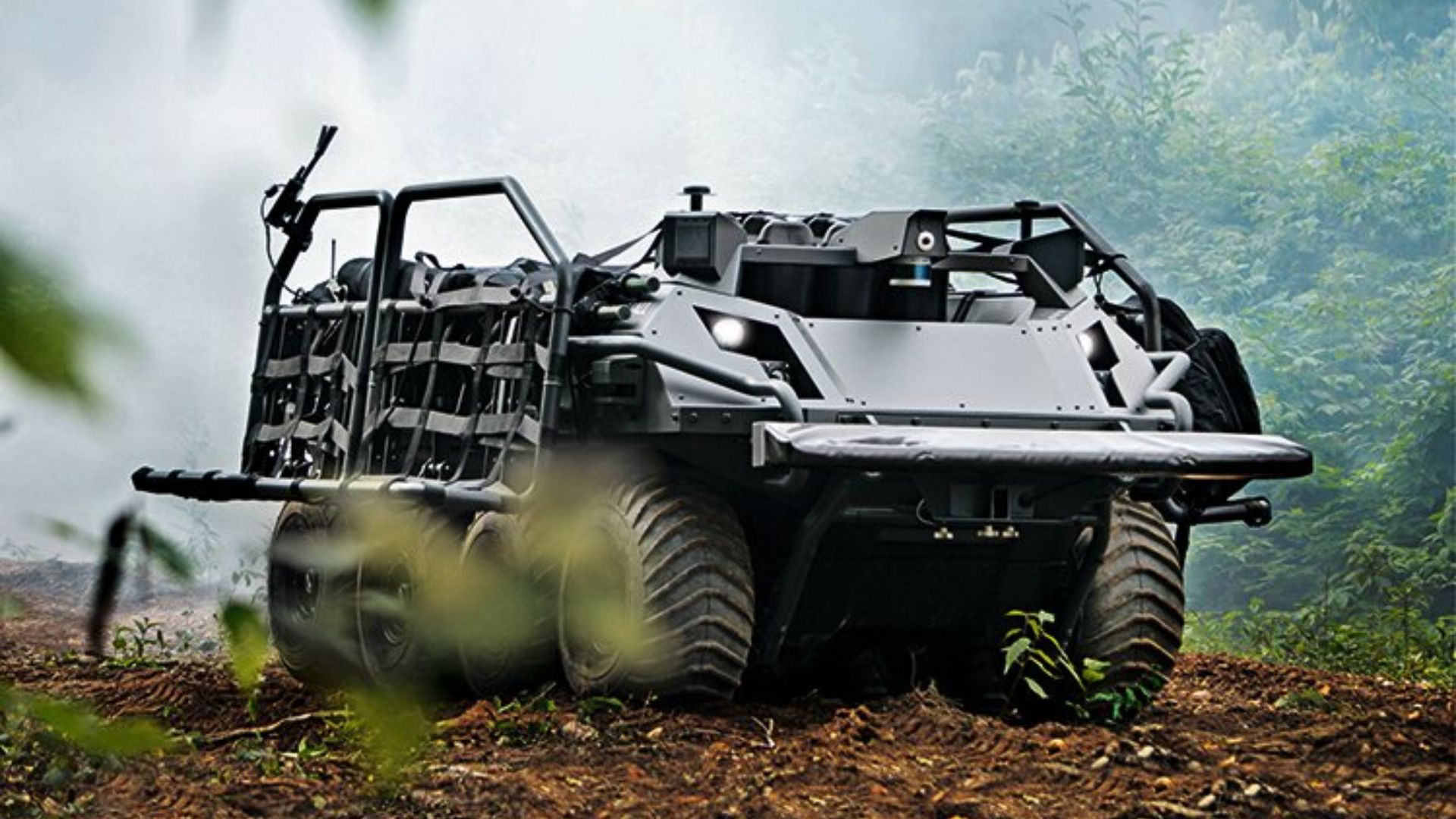
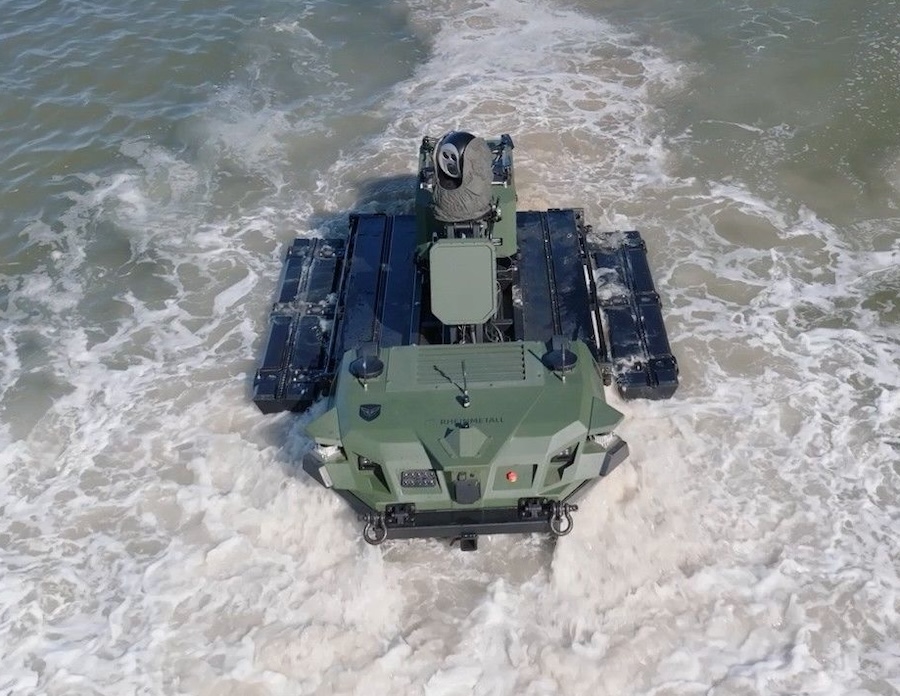
So the Rheinmetall Argo Mission Master is now amphibious. It can be dropped over the side, find its way to shore and crawl up the beach.

Sounds like a neat SAR/MAJAID capability.
 
In the 1980s the 7th Infantry Division was designated a Light division and equipped with dune-buggies, Chenoweths IIRC.
Now it seems that somebody figures a similar stripped down platform makes a valid base for an AI RWS turret. it would retain a "man-in-the-loop".


Question: What fitness level is required of the person operating/controlling/supervising such a system?
 
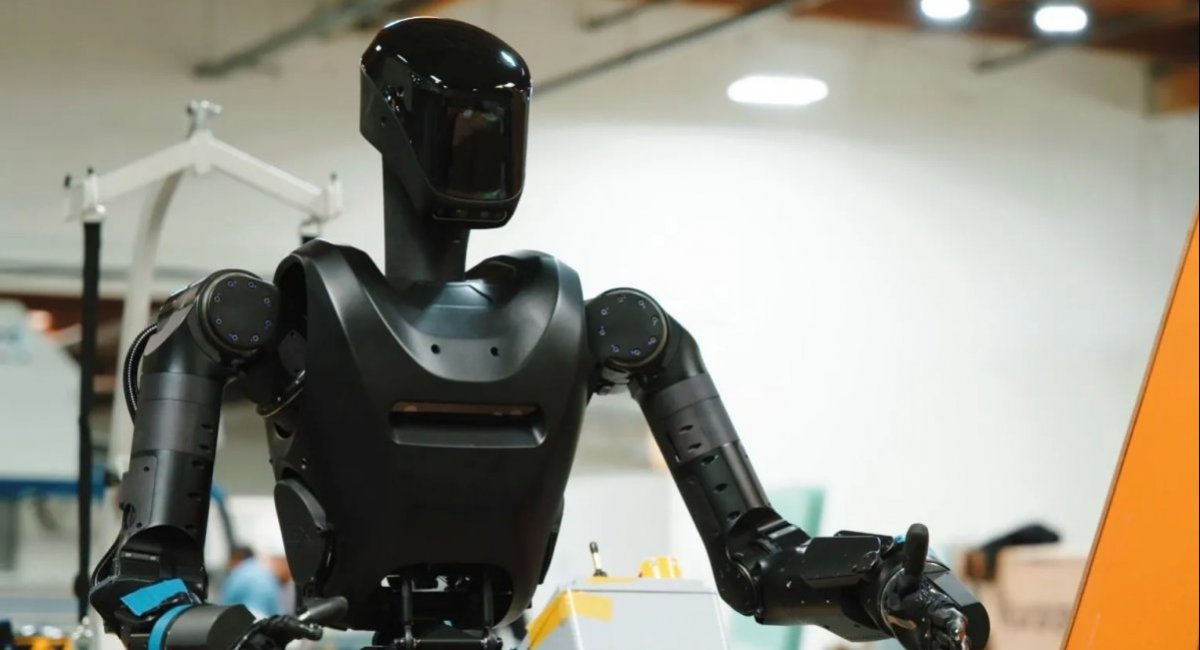
Dirty, scarred, battered and bruised.

11 months on the BMW line
30,000 vehicles,
90,000 sheet metal parts
1250 hours of run time
200 miles covered in the factory


Their primary task involved lifting sheet-metal parts from bins and placing them on welding fixtures with a 5-millimeter tolerance. After placement, traditional robotic arms performed the welding. The humanoids handled metal loading with a cycle time of 84 seconds, including 37 seconds for the load. Accuracy stayed above 99 percent, the firm stated in the press release.

 
30,000 vehicles,
90,000 sheet metal parts

Their primary task involved lifting sheet-metal parts from bins and placing them on welding fixtures with a 5-millimeter tolerance. ... Accuracy stayed above 99 percent, the firm stated in the press release.
So, ~900 (90,000 x 1%) of these parts were placed more than 5mm out of spec? That sounds more like Cyber Truck build quality than BMW.
 
So, ~900 (90,000 x 1%) of these parts were placed more than 5mm out of spec? That sounds more like Cyber Truck build quality than BMW.

I got the impression they were loading machines and piling pallets with 5mm accuracy, not doing final fits.

Could be wrong.

Given that they were battered and bruised like me after a shift I am assuming grunt work.
 
Aussie Army robot exercises


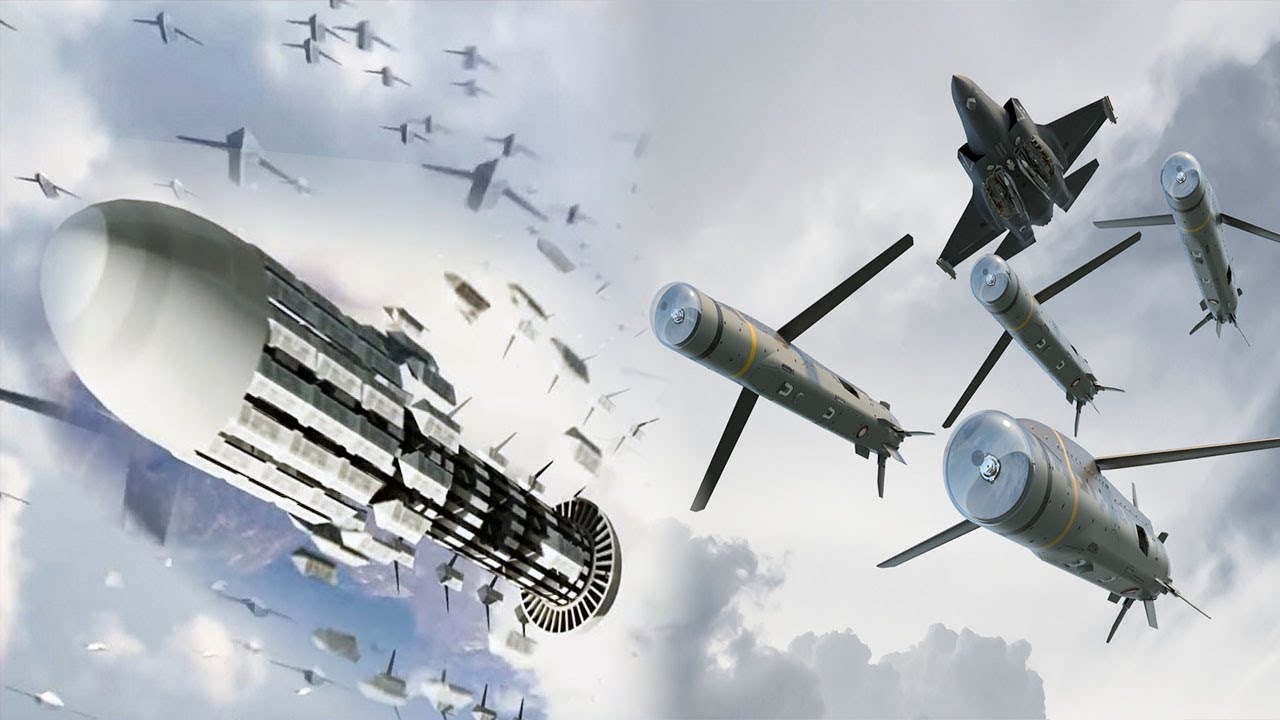
"Dozens of drones fly undetected above an enemy position feeding real-time surveillance back to the commander while he prepares a warning order.

"This commander has a tank troop and mechanised platoon, remote-controlled combat vehicles, autonomous robots and hundreds more drones.

"He deploys a second drone swarm jamming the enemy’s communications, giving them no chance of back-up for what’s coming next."

....

"With the enemy comms jammed, optionally crewed combat vehicles (OCCV) - enhanced M113AS4s - move into a support by fire position, uncrewed, ready to fire on the enemy with its tele-operated weapon system.

"Trooper Damen Holmes, of 4/19 Prince of Wales's light Horse, was one soldier trained on OCCV operation.

"“They’re easy to operate, like driving vehicles on an Xbox,” he said.

"“A crew can operate these vehicles, but then you can flip a few switches and drive it remotely.”

"It was also the first time Army fired a remote weapon system from the remote-controlled vehicle.

"Demonstration combat team commander Captain Balazs Bauer said up to three of these vehicles could be remotely operated from a single control vehicle up to 5km away."
 
Wesley Clark

“The right question is not What can drones do? It is What can drones not do? And the answer to that question is both ancient and decisive: Drones cannot seize ground. They cannot hold it. They cannot compel a population to submit. They cannot plant a flag on a hilltop and mean it.”


He is wrong on three out of four counts. The one count he is right on is "They cannot compel a population to submit". That is the final defining role of the soldier.

He is also wrong about the machine gun. It didn't change the fundamentals of warfare, and neither do the drones. In that he is right. But it absolutely changed the nature of war, its scope and expanse, and led to the development of new technologies, like the tanks which are becoming UGVs and moved the conflict from muddy fields to city squares and classrooms.
 
Back
Top