

You are using an out of date browser. It may not display this or other websites correctly.
You should upgrade or use an alternative browser.
You should upgrade or use an alternative browser.
Trump administration 2024-2028
- Thread starter dimsum
- Start date
- Reaction score
- 3,191
- Points
- 1,090
gas up 30%, going to be a rough year and not just for Canadians and Americans
- Reaction score
- 43,385
- Points
- 1,210
Whoever had "Americans embrace the British monarchy and the Papacy in 2026" on their bingo card...

HavokFour
Army.ca Veteran
- Reaction score
- 4,365
- Points
- 1,040
Whoever had "Americans embrace the British monarchy and the Papacy in 2026" on their bingo card...
Managed to work the word 'semiquintacentenary' into his big speech too.

- Reaction score
- 8,908
- Points
- 1,260
If he can say a speech in Welsh, working the word 'semiquintacentenary' into a speech is a cake walk.Managed to work the word 'semiquintacentenary' into his big speech too.
Managed to work the word 'semiquintacentenary' into his big speech too.
If he can say a speech in Welsh, working the word 'semiquintacentenary' into a speech is a cake walk.
He does speak German, so one long-ass word isn’t a new trick for him.
- Reaction score
- 8,908
- Points
- 1,260
Alex, I’ll take long, obscure Welsh and German words for 800$.He does speak German, so one long-ass word isn’t a new trick for him.

daftandbarmy
Army.ca Fossil
- Reaction score
- 48,429
- Points
- 1,160
Alex, I’ll take long, obscure Welsh and German words for 800$.
Sometimes it's hard to tell the difference...


- Reaction score
- 5,834
- Points
- 1,160
I’m pretty sure I heard Gerald on Clarksons Farm say that exact phrase.

Halifax Tar
Army.ca Legend
- Reaction score
- 20,703
- Points
- 1,260
I play rugby with a Welshman. Some times we get drink and make him say it lol
daftandbarmy
Army.ca Fossil
- Reaction score
- 48,429
- Points
- 1,160
I play rugby with a Welshman. Some times we get drink and make him say it lol
The RWF played enemy force for us once and conversed entirely in Welsh during their night attacks.
It was like being invaded by aliens


Halifax Tar
Army.ca Legend
- Reaction score
- 20,703
- Points
- 1,260
The RWF played enemy force for us once and conversed entirely in Welsh during their night attacks.
It was like being invaded by aliens
Aliens who reeeeeally like sheep.


- Reaction score
- 7,013
- Points
- 1,260
I’m pretty sure I heard Gerald on Clarksons Farm say that exact phrase.
I’m sure Gerald is English. Apparently he was born in the Cotswolds and never left.
daftandbarmy
Army.ca Fossil
- Reaction score
- 48,429
- Points
- 1,160
Next on the docket... revenge for the COVID years:
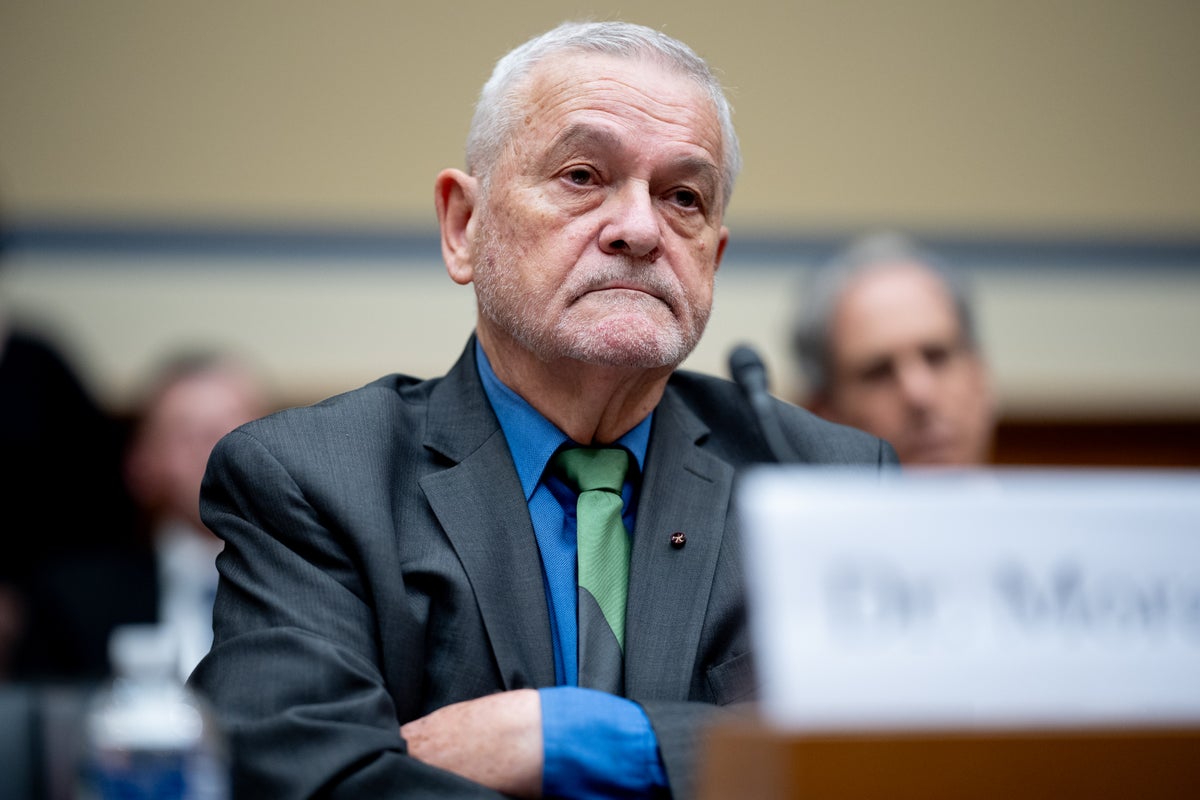
The Department of Justice has indicted a former senior National Institutes of Health (NIH) official who played a key role in the U.S. response to the COVID pandemic for allegedly attempting to evade record requests related to the pandemic’s origins.
David Morens has been charged with conspiracy against the U.S. and with the deliberate concealment, destruction, alteration or falsification of records. Morens was a senior aide to Anthony Fauci, who was formerly chief medical adviser to the president and director of the National Institute of Allergy and Infectious Diseases (NIAID). Fauci was the face of the U.S. response to the COVID pandemic and was initially praised by President Donald Trump, who was then in his first term in office. But Fauci has since been criticized for his role by several members of the Trump administration, including the president and Secretary of Health and Human Services Robert F. Kennedy, Jr. Fauci is not accused of any wrongdoing in this indictment.
“These allegations represent a profound abuse of trust at a time when the American people needed it most—during the height of a global pandemic,” said Acting Attorney General Todd Blanche in a statement. “As alleged in the indictment, Dr. Morens and his co-conspirators deliberately concealed information and falsified records in an effort to suppress alternative theories regarding the origins of COVID-19. Government officials have a solemn duty to provide honest, well-grounded facts and advice in service of the public interest—not to advance their own personal or ideological agendas.” Two unnamed people were cited as co-conspirators in the indictment, and they have not been charged with any crime.
Timothy Belevetz, an attorney who represent Morens, declined to comment.
Morens served in the role of senior adviser to the director of NIAID until 2025. The indictment accuses Morens of using his position to defraud the U.S. after a grant to study the origins of the COVID-causing virus SAR-CoV-2 that had been awarded to one of the unnamed co-conspirators was canceled. The DOJ alleges Morens promised to restore the grant in an effort to counter the theory that the COVID-causing virus originated in a Chinese laboratory rather than via animal-to-human transmission. Morens is also alleged to have evaded numerous record requests, including from journalists, that had to do with the pandemic’s origins and gain-of-function research—an area of study that can involve deliberately making a pathogen more deadly to investigate what its effects are and how to combat it.
 www.scientificamerican.com
DOJ indicts former Fauci adviser David Morens on charges related to the COVID pandemic
Former National Institutes of Health official David Morens is accused of evading record requests related to the COVID pandemic’s origins and gain-of-function researchThe Department of Justice has indicted a former senior National Institutes of Health (NIH) official who played a key role in the U.S. response to the COVID pandemic for allegedly attempting to evade record requests related to the pandemic’s origins.
David Morens has been charged with conspiracy against the U.S. and with the deliberate concealment, destruction, alteration or falsification of records. Morens was a senior aide to Anthony Fauci, who was formerly chief medical adviser to the president and director of the National Institute of Allergy and Infectious Diseases (NIAID). Fauci was the face of the U.S. response to the COVID pandemic and was initially praised by President Donald Trump, who was then in his first term in office. But Fauci has since been criticized for his role by several members of the Trump administration, including the president and Secretary of Health and Human Services Robert F. Kennedy, Jr. Fauci is not accused of any wrongdoing in this indictment.
“These allegations represent a profound abuse of trust at a time when the American people needed it most—during the height of a global pandemic,” said Acting Attorney General Todd Blanche in a statement. “As alleged in the indictment, Dr. Morens and his co-conspirators deliberately concealed information and falsified records in an effort to suppress alternative theories regarding the origins of COVID-19. Government officials have a solemn duty to provide honest, well-grounded facts and advice in service of the public interest—not to advance their own personal or ideological agendas.” Two unnamed people were cited as co-conspirators in the indictment, and they have not been charged with any crime.
Timothy Belevetz, an attorney who represent Morens, declined to comment.
Morens served in the role of senior adviser to the director of NIAID until 2025. The indictment accuses Morens of using his position to defraud the U.S. after a grant to study the origins of the COVID-causing virus SAR-CoV-2 that had been awarded to one of the unnamed co-conspirators was canceled. The DOJ alleges Morens promised to restore the grant in an effort to counter the theory that the COVID-causing virus originated in a Chinese laboratory rather than via animal-to-human transmission. Morens is also alleged to have evaded numerous record requests, including from journalists, that had to do with the pandemic’s origins and gain-of-function research—an area of study that can involve deliberately making a pathogen more deadly to investigate what its effects are and how to combat it.
DOJ indicts former Fauci adviser David Morens on charges related to COVID pandemic
Former National Institutes of Health official David Morens is accused of evading record requests related to the COVID pandemic’s origins and gain-of-function research

- Reaction score
- 7,402
- Points
- 1,160
Same with Kaleb until he 'became famous'. Some in the industry say parts of Gerald's sound tracks are 'enhanced' for effect.I’m sure Gerald is English. Apparently he was born in the Cotswolds and never left.
daftandbarmy
Army.ca Fossil
- Reaction score
- 48,429
- Points
- 1,160
Halifax Tar
Army.ca Legend
- Reaction score
- 20,703
- Points
- 1,260
TheBabylonBee asked AI to show America with no Democrats.

- Reaction score
- 3,258
- Points
- 1,140
Quite the time to gut USAIDThe famines will be spectacular.
People say trump doesn't have a plan. That's wrong. He has a plan. Its just evil.
They do call him "the nation builder" in China because he's great for them. Imagine having an overcapacity crisis in renewables and EVs and then Trump starts a war increasing those exports 50-70% YoY.
- Reaction score
- 3,258
- Points
- 1,140
Trump administration rejects women picked for soybean board, appoints men instead
By Karl Plume CHICAGO, April 29 (Reuters) - The Trump administration rejected all four women farmers chosen by their peers to represent them in an industry group called the United Soybean Board
The USA treats women just fine.CHICAGO, April 29 (Reuters) - The Trump administration rejected all four women farmers chosen by their peers to represent them in an industry group called the United Soybean Board earlier this year, a rare intervention by the U.S. Department of Agriculture that three of the women suspected was because of their gender.
From the Pentagon to the U.S. Department of Education, the Trump administration has vowed to root out policies that promote diversity, equity and inclusion, or DEI, from every layer of government.
Normally, soy farmers pick their representatives and the USDA signs off. This time, the USDA rejected at least five of the farmers selected for the United Soybean Board, including four women. It did not give any reason, according to three of the women.
Sara Stelter, a Wisconsin farmer stripped of her role on the soy board, saw the decision as part of Trump's broader policy.
“It seems like a small thing," Stelter said, "but in other ways, it’s really a big deal because it’s just another thing of where the current administration views women, I believe, and what their role should be."