
- Reaction score
- 3,258
- Points
- 1,140
Never thought I would be cheerleading for MTG, but here we are.




It's a hoax . . . but people ("friends") would get hurt. Hmmm.
Never thought I would be cheerleading for MTG, but here we are.
The Mandodiddlian?Deleted by staff for breach of forum rules.


 www.ctvnews.ca

Making the case to make it harder for any government in Canada to get information from any company, also.Making the case for digital sovereignty for us.
Making the case to make it harder for any government in Canada to get information from any company, also.
Getting data from foreign hosted service providers is already very difficult. Generally they won’t play ball with production orders for anything beyond basic subscriber data. To get info as evidence for a criminal investigating, we frequently have to go through the Mutual Legal Assistance Treaty process, which can easily take upwards of a year to see results. If there’s imminent risk of harm we can generally use other approaches, but for normal criminal investigations without an imminent threat to life or public safety, the situation already sucks. So, we shouldn’t let that fear shy us away from data sovereignty policy and legislation.Making the case to make it harder for any government in Canada to get information from any company, also.

Meanwhile there isn't even any allegation of criminal proceedings in this case, and actually seems to be against the US First Amendment generally.Getting data from foreign hosted service providers is already very difficult. Generally they won’t play ball with production orders for anything beyond basic subscriber data. To get info as evidence for a criminal investigating, we frequently have to go through the Mutual Legal Assistance Treaty process, which can easily take upwards of a year to see results. If there’s imminent risk of harm we can generally use other approaches, but for normal criminal investigations without an imminent threat to life or public safety, the situation already sucks. So, we shouldn’t let that fear shy us away from data sovereignty policy and legislation.
www.ctvnews.ca
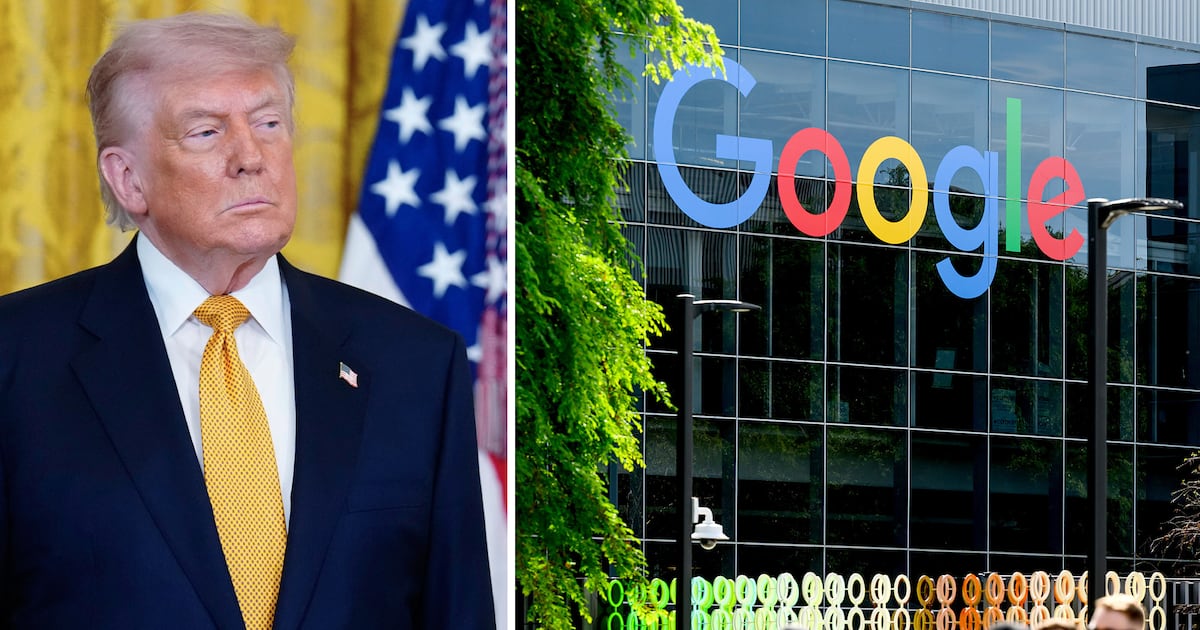
The U.S. Trade Court on Thursday ruled against U.S. President Donald Trump's latest 10 per cent global tariffs, finding across-the-board tariffs were not justified under a 1970s trade law.
The U.S. Court of International Trade ruled in favour of small businesses that challenged the tariffs, which took effect on Feb. 24. The ruling was 2-1, with one judge saying it was premature to grant victory to the small business plaintiffs.
The small businesses had argued the new tariffs were an attempt to sidestep a landmark U.S. Supreme Court decision that struck down the Republican president's 2025 tariffs imposed under the International Emergency Economic Powers Act.

The supreme court has agreed with the lower courts on tariffs.It's important to keep in mind that the administrateion will likely appeal, and this may also end up at SCOTUS.
So the 10% so-called "global tariff" isn't gone yet, it's still in effect, for now.
Despite tariff situation seeming to be backfiring hard, I don't think it will be over for a while yet.
The supreme court has agreed with the lower courts on tariffs.
He's cooked.
Yeah, it doesnt. Whatever.That doesn't mean this comes to an end. This can still be appealed and go to higher courts.
At best, this means there's probably still months to go before this is resolved / removed.
And even then, Trump will probably just find some new method, legal or not, to implement tariffs.
And this doesn't get into the sector specific things like aluminum tariffs...
“You’re saying that, if he wants to speak freely, he should discharge himself, which means giving up his retirement pay, giving up his rank, giving up all of those things,” said Judge Florence Pan, an appointee of former President Biden. “That that is the price that our military retirees and veterans should pay if they want to speak freely?”
Oh, discovery is going to be interesting.
What are the chances it even makes it past that, and this isn't just for a headline?

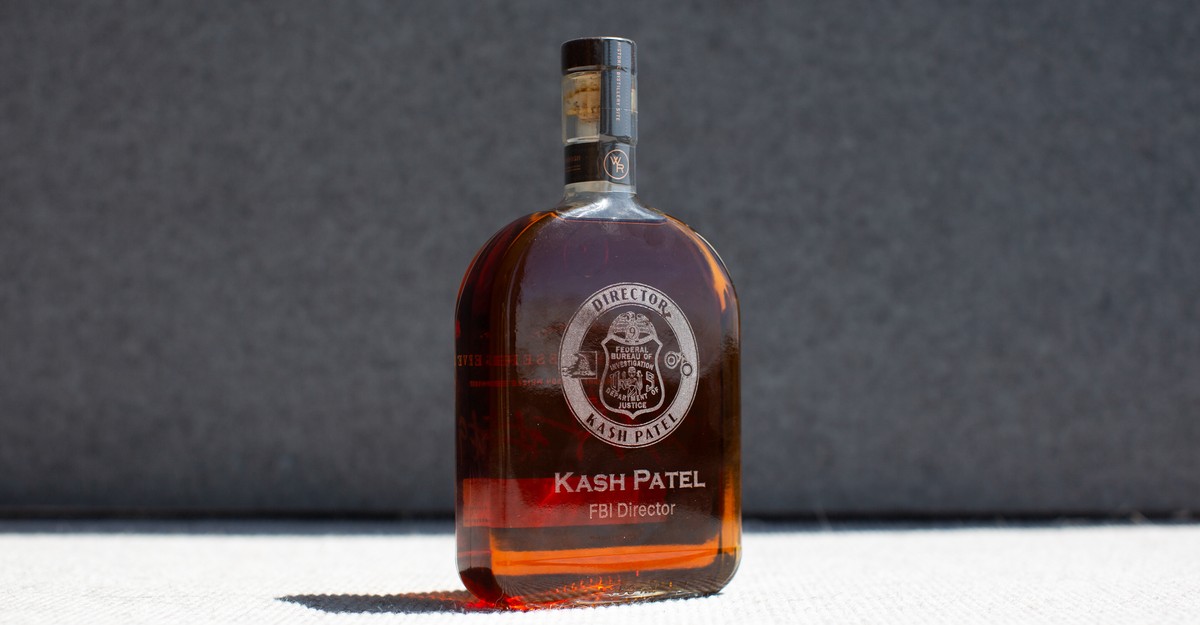
FBI's Patel sues Atlantic for $250M, says story about drinking is false
The magazine's story cited more than two dozen anonymous sources concerned at Patel’s "inebriation and unexplained absences.”www.usatoday.com
 www.theatlantic.com
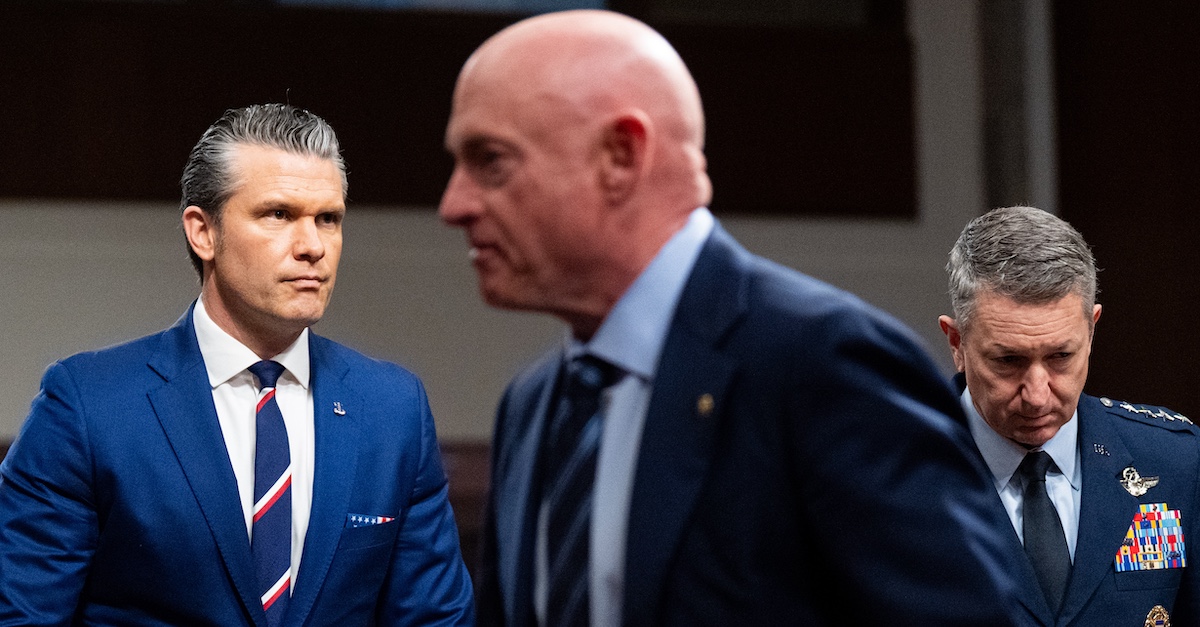
Federal appeals court skeptical of Hegseth Pentagon bid to punish Mark Kelly
Doesn't sound like Hegseth is going to get his way.
 lawandcrime.com