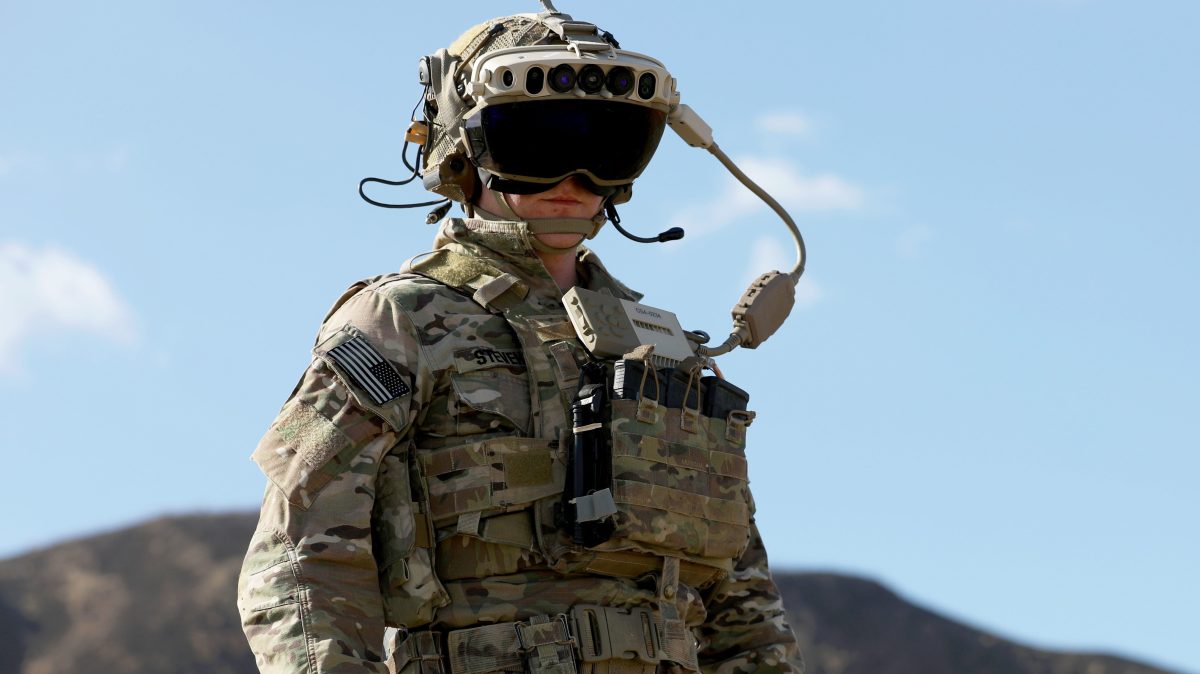
The Army spent almost $2 billion on 10,000 IVAS headsets, but most are destined for storage rather than the field.

taskandpurpose.com
“The expected time frame for major programs to deliver an initial capability now exceeds 12 years,” GAO wrote.
“When requirements are unstable or overly ambitious, programs pursue systems they are not ready to build,” Malone said.
"the Army’s fast-moving requirements for IVAS led the program to adopt “immature technologies,” which led to redesigns, delays and higher costs."
"In November 2018, the Army awarded a 10-year, $22 billion contract to Microsoft to begin building and delivering prototypes of the headsets. In 2021, Army officials announced that IVAS testing and fielding would be delayed for another year. By 2022, the Pentagon’s testing office began running early versions of IVAS through training scenarios and found that soldiers hit fewer targets and engaged them more slowly with IVAS 1.0 than with their current equipment. Soldiers wearing the headsets for the demos reported feeling disoriented or suffering eye and neck strains, headaches, and motion sickness."
"Soldiers said the headsets caused neck strains and headaches during use in the field. The Army spent close to $2 billion on the systems, which will be put in storage."



 www.defenseone.com