
- Reaction score
- 13,973
- Points
- 1,160
Subs move, so even a hypersonic missile 1000km away is going to miss the target.
Unless, perhaps, it can be updated in flight and stooge around the area for a bit?


Subs move, so even a hypersonic missile 1000km away is going to miss the target.

I'm not at ASW expert by any means, but I suspect nothing wants to linger around a confirmed enemy sub contact for that long. It makes more sense to have the unit engaging the sub much closer to the one detecting it/the target.Unless, perhaps, it can be updated in flight and stooge around the area for a bit?
I'm not at ASW expert by any means, but I suspect nothing wants to linger around a confirmed enemy sub contact for that long. It makes more sense to have the unit engaging the sub much closer to the one detecting it/the target.
We are unlikely to be engaging targets detected by remote sensors any time soon, the risk of error is too high. The remote systems let us know to go take a closer look, then the crewed/uncrewed systems under direct control will take over. None of that requires a 1000km ASROC.I'm thinking about all these autonomous sensors that seem to be the flavour of the day. Even if we are talking about ship-board weapons there seems likely to be a coverage gap due to lack of sufficient crewed assets. The ships are going to be covering very larve areas. Unless we start floating lots of uncrewed arsenals along with the uncrewed sensors.
Something that can deliver torpedoes or depth-bombs on demand?
We are unlikely to be engaging targets detected by remote sensors any time soon, the risk of error is too high. The remote systems let us know to go take a closer look, then the crewed/uncrewed systems under direct control will take over. None of that requires a 1000km ASROC.

 www.navalnews.com
You're mixing a few things together here...How close do you want to approach the target? At what range does the target become a threat to the obsever?
And range equals endurance, you give up range to gain loitering time. The problem becomes worse if you don't want to leave ordnance and million dollar vehicles scttered around and want unused craft recovered to a safe location. Your 1000 km range becomes 500 if RTB 200 to 400 if you want to loiter in the area like a Sea King.
As to the remote engagement based on sensors, isn't that what the Air Force is planning with their Reaper/Guardians loaded with precision kill missiles? They will be engaging and never have to leave their coffee pot in Ottawa.
GA-ASI Develops Long-Range Weapons Capabilities for MQ-9B - Naval News
General Atomics Aeronautical Systems, Inc. (GA-ASI) is developing the addition of long-range standoff weapons to its top-of-the-line MQ-9B SkyGuardian® and SeaGuardian®.
You're mixing a few things together here...
1. Remote autonomous sensors will be the tripwire that indicates something needs further tracking/investigation.
2. An ASROC is a weapon you fire once to hit a target, like a harpoon, NSM, or ESSM, they don't loiter waiting for a target to appear and return to the launcher if nothing is found. Loitering munitions, UAS, and missiles are different things, despite having some similarities.
3. Systems like the MQ-9B are uncrewed, but human controlled. Exactly what I was talking about sending out to engage a suspected target that has been detected/verified. A MQ-9B doesn't need a 1000km ASROC to do it's job, because it flies close enough to engage targets from within the weapon's effective range.
Long range weapons for striking targets unlikely to move, or that can be required after they move makes a lot of sense, but specifically in the context of ASW, super long range weapons make no sense.
Maybe don't...Yes, I am mixing things up. Intentionally.
They are called jets, we have them. We have slow and fast things because both slow and fast things have different roles. Trying to make a fast thing do the job of a slow thing is a fool's errand. A missile isn't just slightly faster than a MQ-9B, they move multiple times faster...Isn't an MQ-9B a slow moving super long range vehicle? Why not a fast moving super long range vehicle?
I'm guessing that is how it will work, with the addition of ASW helos, minus HIMARS.Particularly effective, I would think, would be to layer in the MQ-9Bs between the fleet of autonomous sonobuoys and the Type26s/HIMARS platforms.
Sounds great, but that isn't a 1000km ASROC launched by a HIMARS. This is why not mixing things up is important, because as it turns out, you aren't really talking about a 1000km ASROC, you're talking about deploying an ASW weapon from a UAS launched 1000km away from the target.And I will go one further and add the 5600 km autonomous truck to the mix - the Kratos MQ-58 has a lift capacity of 1200 lbs, 600 internal and 300 on each of its external hardpoints and a dash speed of 1000 km/h vs the MQ-9B's 400 km/h.
That truck could be launched from a ship or a truck, provide persistent intelligence coverage on short notice and rapidly deploy munitions to the target area for employment by local forces.

That may be how it works today, in peacetime, with the capabilities that we have.We are unlikely to be engaging targets detected by remote sensors any time soon, the risk of error is too high. The remote systems let us know to go take a closer look, then the crewed/uncrewed systems under direct control will take over. None of that requires a 1000km ASROC.


I think it could be possible to do, but I doubt it will happen in our lifetimes. Even in war you aren't going to trust a system to just fire long range weapons at every contact that seems like it might be an enemy. That's how you lose even more expensive and hard to replace vessels and crews with friendly fire.I think it would be shortsighted to think that remote sensors in the future would not be able to give the same confidence of information and weapon guidance that an RQ-9B or even a P-8 would give. Airborne platforms are vulnerable and we have a very limited supply to cover an extensive coastal region.
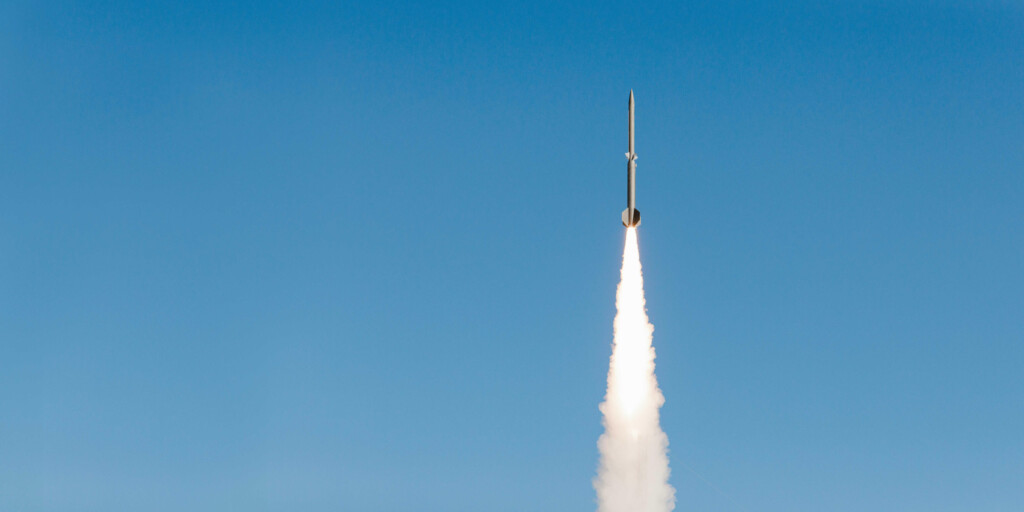
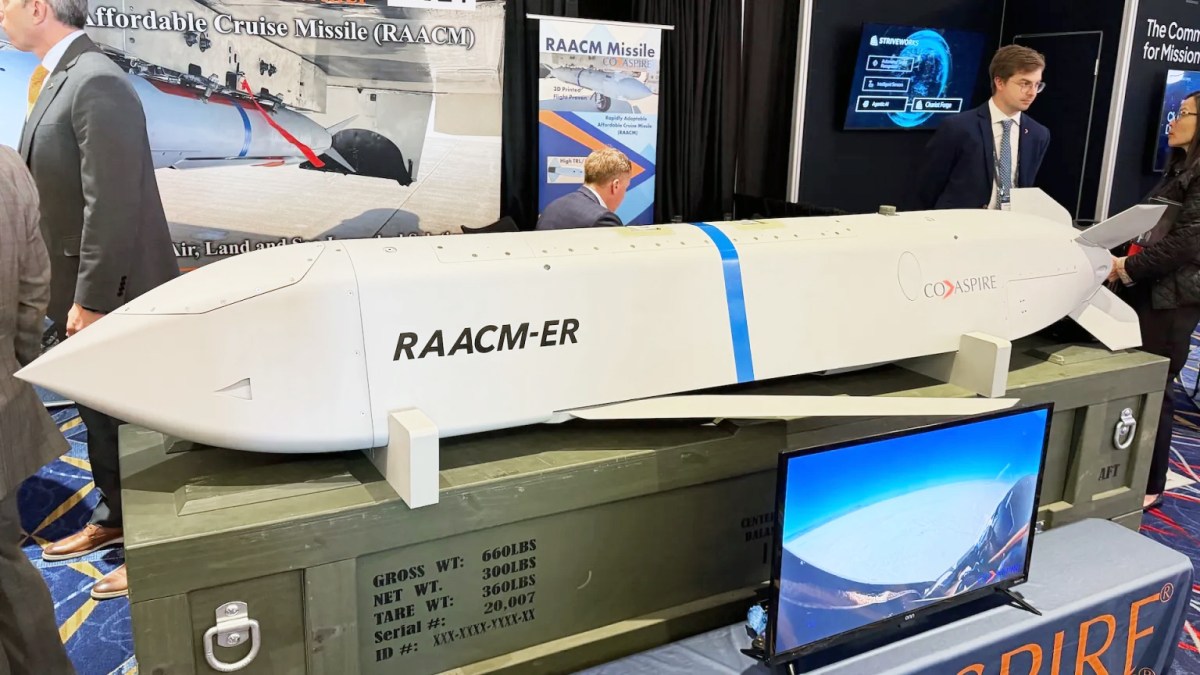
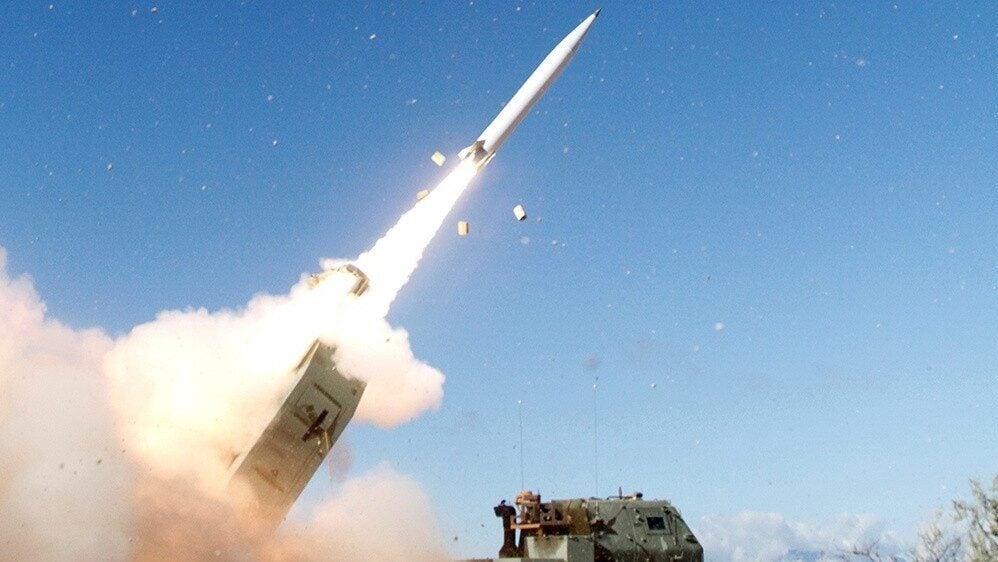
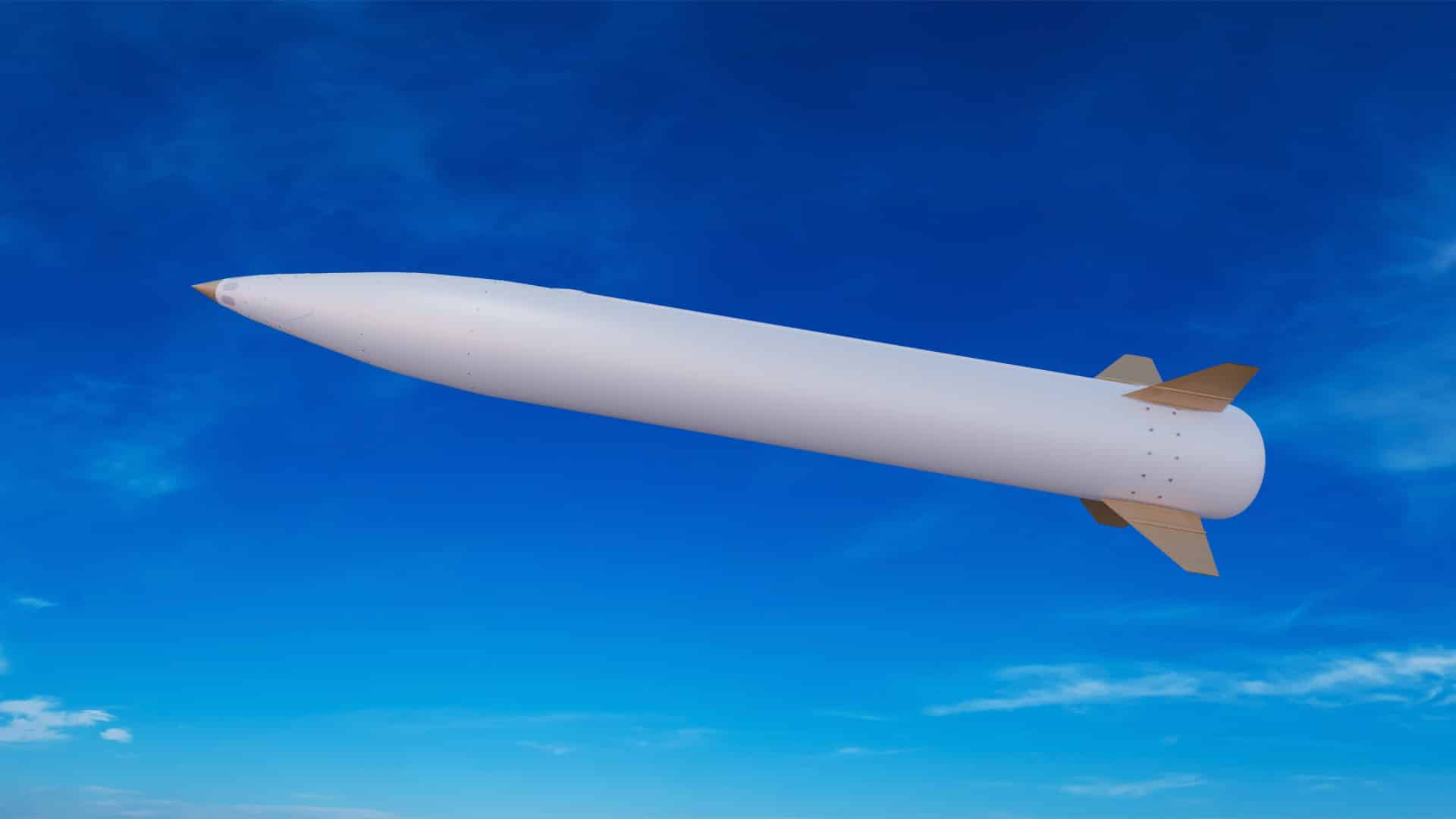
It strikes me that a ground-based strike capability adds a layer of response that may be necessary and desirable for the future. On top of that they are relatively cheap and easier to produce and maintain than an airborne system. There are already anti-ship missiles that can strike out a 1,000 kilometres and more. We're effectively looking at modifications to existing anti-ship weapons that make them viable in the anti-sub role. It's not a big technological stretch and my guess is that the US has them in R&D already.
I'm not sure if your picturing some coastal missile battery here that makes its own decisions when to fire.I think it could be possible to do, but I doubt it will happen in our lifetimes. Even in war you aren't going to trust a system to just fire long range weapons at every contact that seems like it might be an enemy. That's how you lose even more expensive and hard to replace vessels and crews with friendly fire.
Quite frankly I don't see the launchers and munitions being deployed to their launch bunkers until there is an appropriate national trigger activated on or just before hostilities. That said, the systems need to be acquired, integrated into the appropriate C&C system and exercised routinely during peacetime if they are to have any value when hostilities break out.Ground based ASuW weapons make sense in a shooting war, but ASuW and ASW are different beasts.
We're in a rapidly changing world where the question is no longer "is this possible?" but instead the direction is to "make this happen." I certainly appreciate the difference in sub hunting - I've played GATO on my computerI think you are dramatically underestimating the difference between engaging a surface target and engaging a sub. The US may be working on something, but if it was as easy as is implied, based on the fact long range ASuW weapons have been around a while now, the ASW variants would also be available.
 - but I'm also looking at the rate at which sensors are developing and, IMHO, within a decade, or two at the very most, subs will be about as safe from detection as a T72 roaming a Ukrainian battlefield is today. Lord, I've got little radars and electronics that keep my car in its lane by sensing paint on the road and keeps me at a safe distance from traffic in front of me. Technology and AI is leaving the vast majority of old beliefs and expectations behind. The issue will depend more on viable countermeasures available to the subs as opposed to the protection of thermal layers et al..
 defence-industry.eu

 armyrecognition.com
 aviationweek.com
 www.castelion.com
 www.twz.com
aviationweek.com
www.twz.com
aviationweek.com
 breakingdefense.com
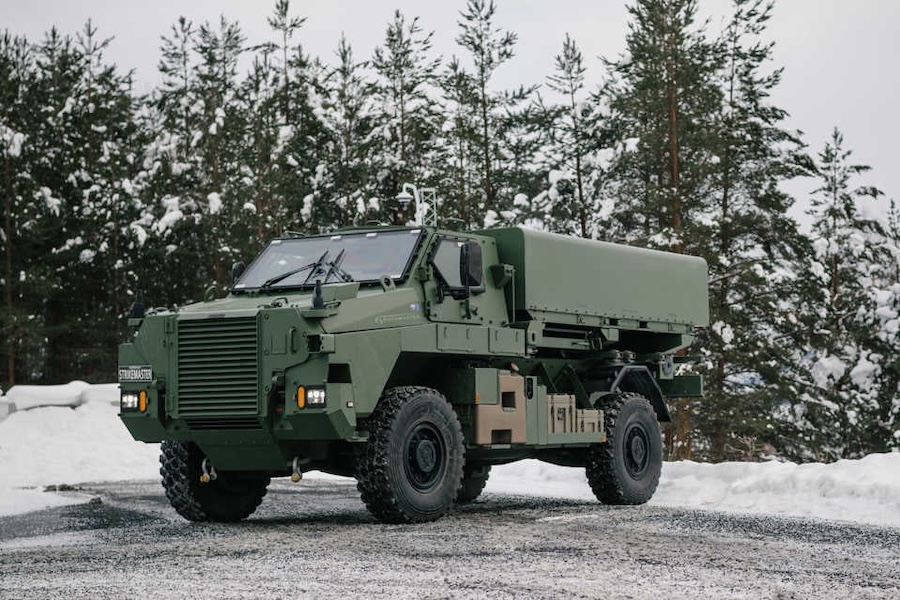
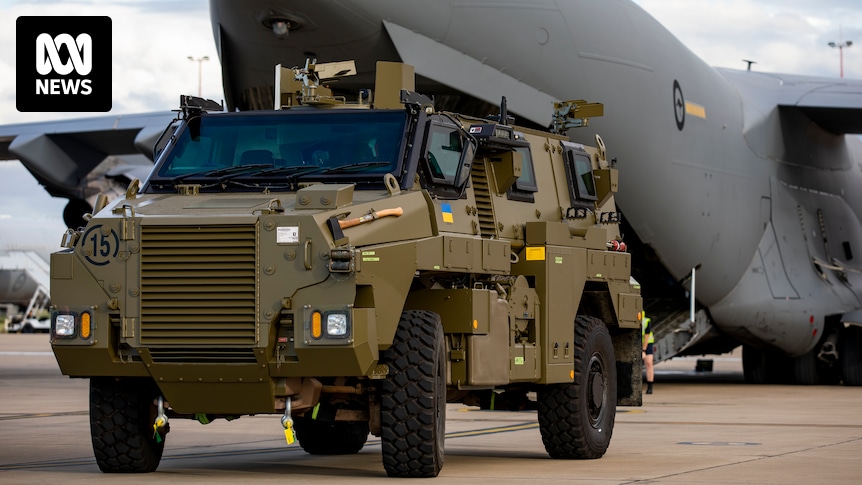
Meanwhile, in Australia, 4x4 PMVs
The Aussies are buying 268 more Bushmaster TCVs for their own use as well as 59 Strikemaster variants, each one to launch a pair of Kongsberg's 300 km NSMs.
Australia to sell fleet of Bushmaster armoured vehicles to the Dutch
Australian Bushmaster armoured vehicles are being sent to the Netherlands following a request to Australia by the Dutch government.www.abc.net.au
And the Dutch are buying Bushmasters from the Aussies as well..
www.abc.net.au
 www.navalnews.com
 breakingdefense.com
 www.navalnews.com
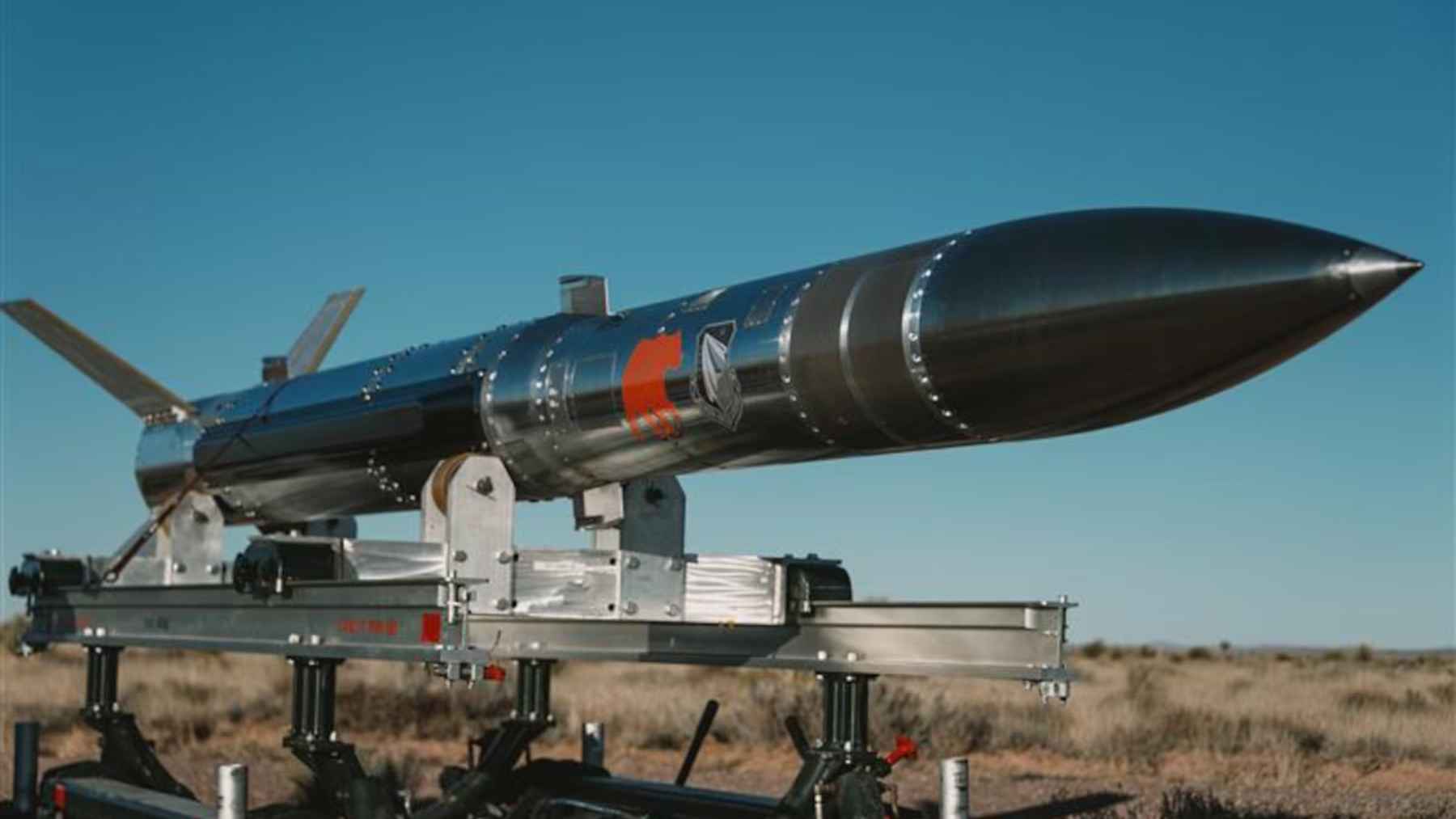
 www.ecoticias.com


