- Reaction score
- 13,964
- Points
- 1,160
Private enterprise air defence in the US.
 aviationweek.com
"U.S. startup Impact Drones has launched out of stealth offering drone interceptors as a service to protect data centers, airports, power grids and other infrastructure, initially overseas as U.S. counter-drone legislation evolves.'
Trespassers, birds, windshear,CUAS -

 www.ycombinator.com
"IMPACT Drones
"Air Defense as a Service for Civilian Infrastructure.
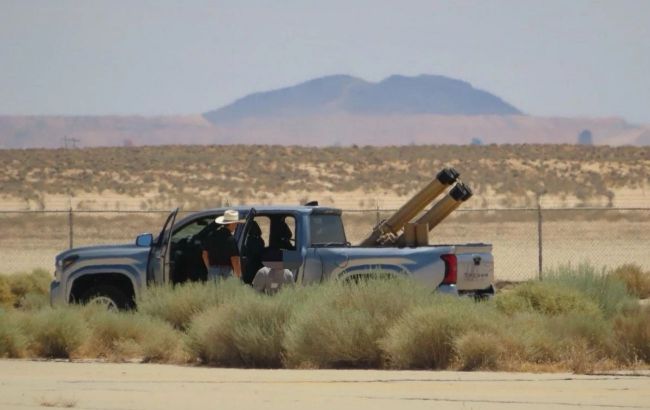
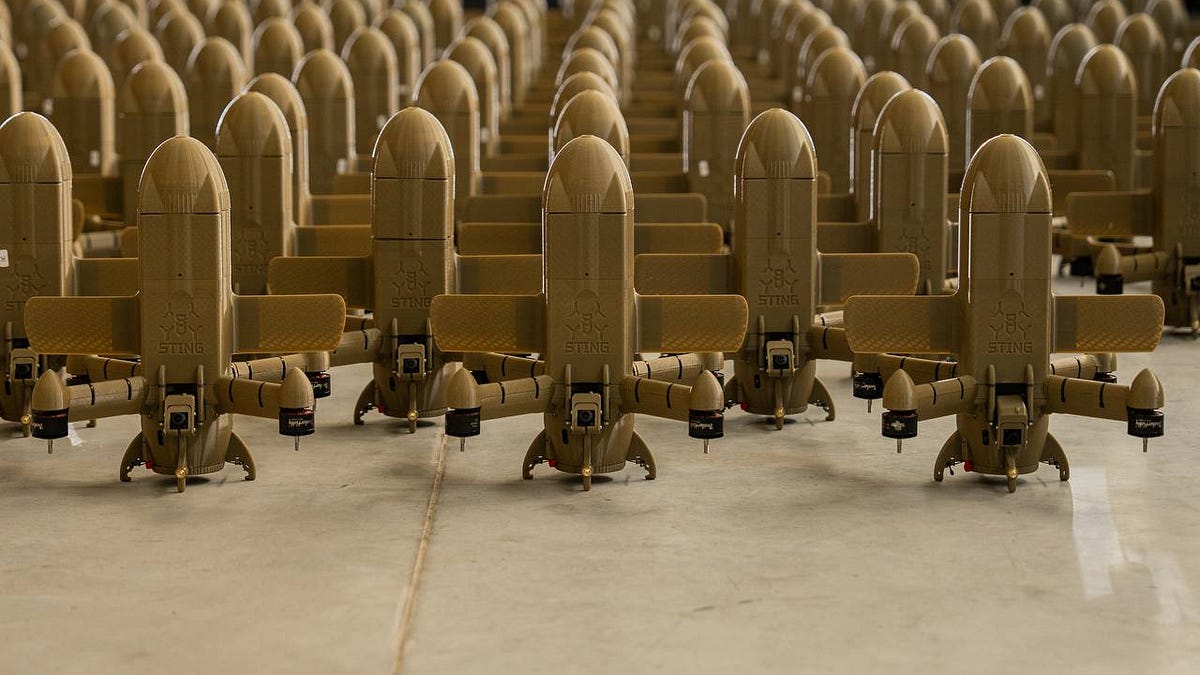
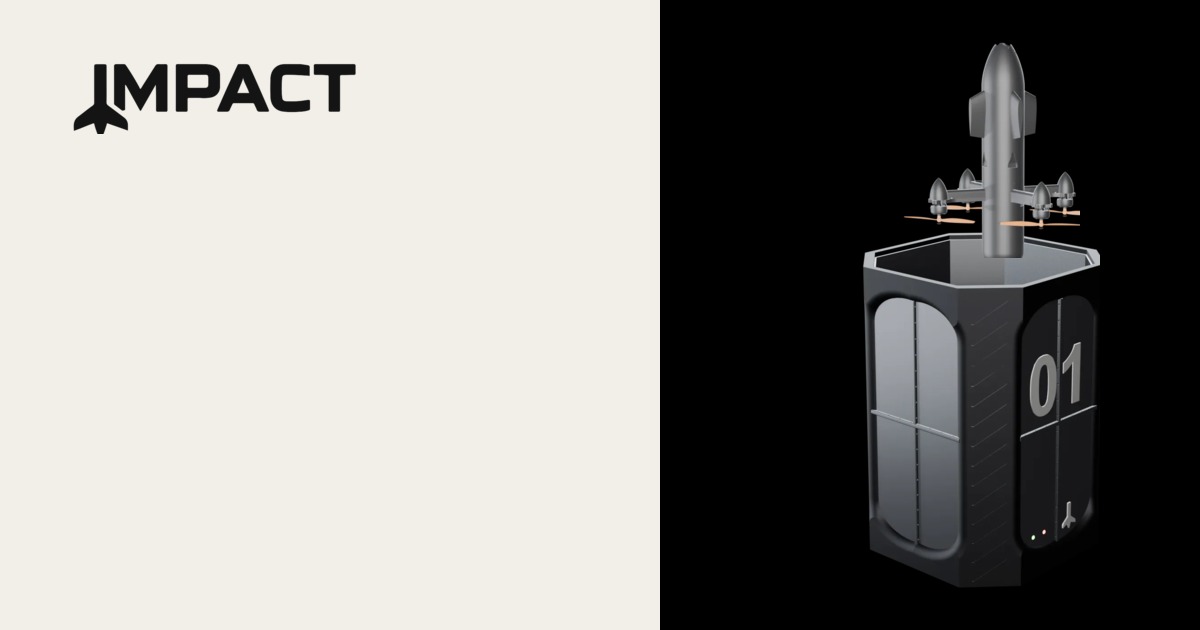
"IMPACT builds autonomous interceptor drones that ship in a sealed box. The box sits at the site it protects (data centers, power grid, airports, bases) with no crew on the pad. When sensors cue a hostile drone, an interceptor pierces its own frangible lid, launches, and rams the target, guided by onboard visual navigation that keeps working when GPS is jammed. Legacy effectors cost $1M+ per shot against $30k threats; our interceptors cost like the threat and launches scale with the swarm. Sites subscribe to protection instead of buying missiles: hardware, reloads, and monitoring included. Air defense as a Service."
 impact-drones.com
 www.edrmagazine.eu
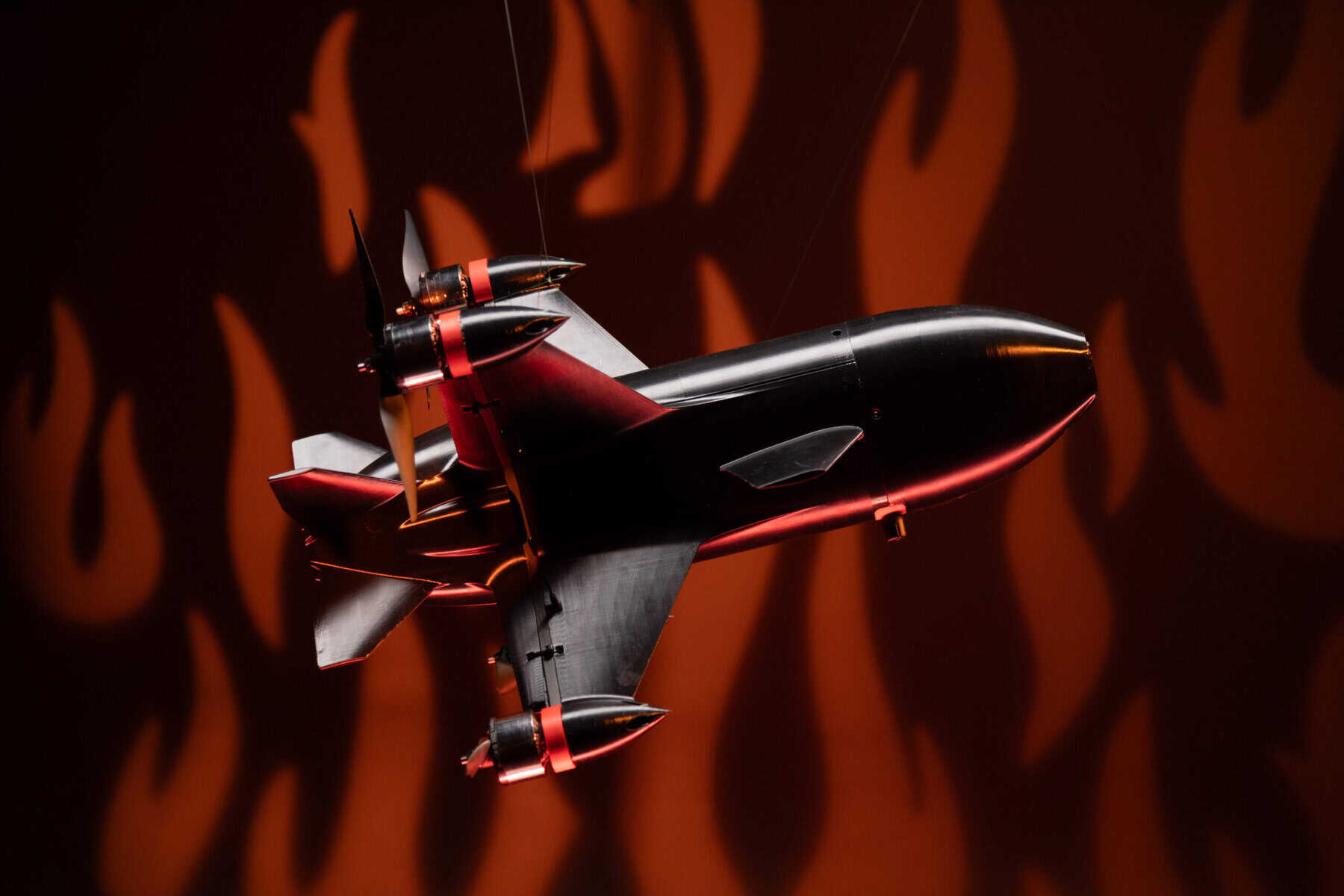
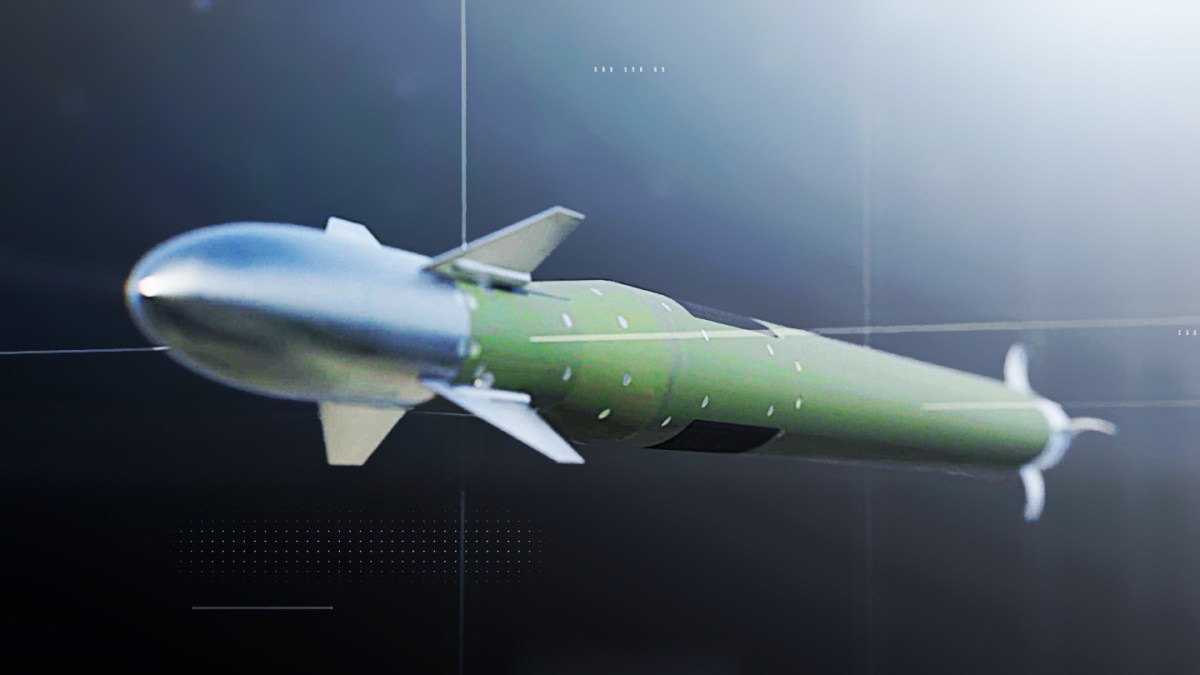
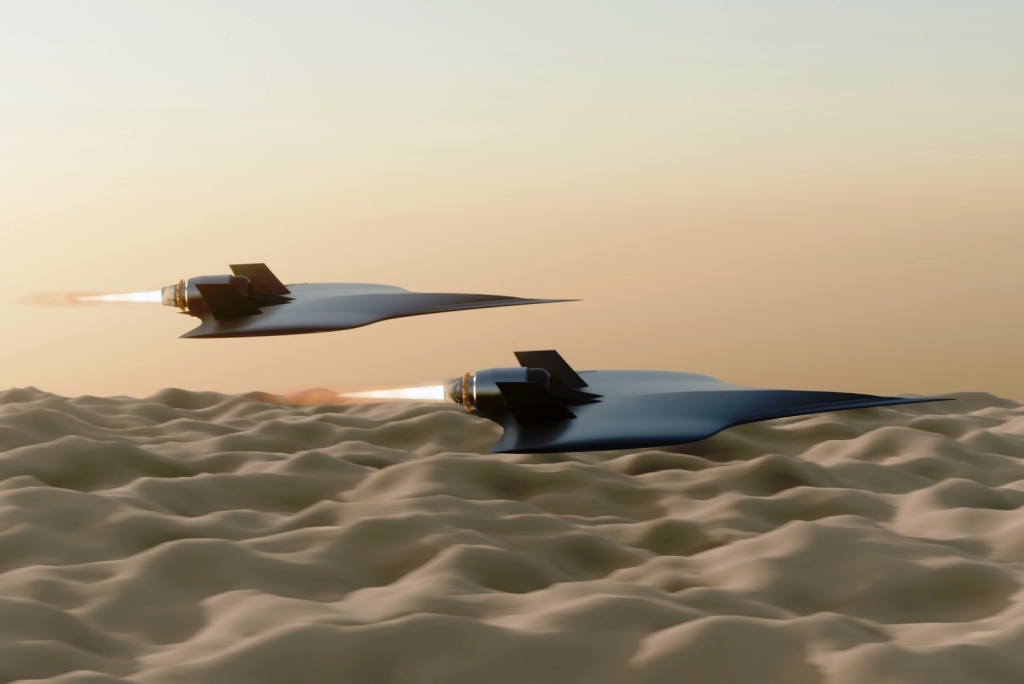
A combination of battery powered quadcopters (300 kmh local counter) and a jet powered long range pursuit interceptor (825 kmh)
Impact Launches Air Defense As Service Using Drone Interceptors | Aviation Week
U.S. startup Impact Drones has launched out of stealth offering drone interceptors as a service to protect data centers, airports, power grids and other infrastructure.
aviationweek.com
"U.S. startup Impact Drones has launched out of stealth offering drone interceptors as a service to protect data centers, airports, power grids and other infrastructure, initially overseas as U.S. counter-drone legislation evolves.'
Trespassers, birds, windshear,CUAS -
IMPACT Drones: Air Defense as a Service for Civilian Infrastructure. | Y Combinator
Air Defense as a Service for Civilian Infrastructure. Founded in 2026 by Alessandro Fiume and Jasper Lortije, IMPACT Drones has 2 employees based in San Francisco.
"IMPACT Drones
"Air Defense as a Service for Civilian Infrastructure.
"IMPACT builds autonomous interceptor drones that ship in a sealed box. The box sits at the site it protects (data centers, power grid, airports, bases) with no crew on the pad. When sensors cue a hostile drone, an interceptor pierces its own frangible lid, launches, and rams the target, guided by onboard visual navigation that keeps working when GPS is jammed. Legacy effectors cost $1M+ per shot against $30k threats; our interceptors cost like the threat and launches scale with the swarm. Sites subscribe to protection instead of buying missiles: hardware, reloads, and monitoring included. Air defense as a Service."
IMPACT | Autonomous interceptors, ready on demand
Autonomous counter-UAS protection for civilian infrastructure.
impact-drones.com
Impact launches Air Defense as a Service: autonomous interceptor drones in a sealed box, deployed at the sites drones are already hitting - EDR Magazine
San Francisco, August 4, 2026. IMPACT DRONES, INC., a counter-drone company backed by Y Combinator, today launched Air Defense as
www.edrmagazine.eu
A combination of battery powered quadcopters (300 kmh local counter) and a jet powered long range pursuit interceptor (825 kmh)