No, but certainly to the divisional air defence regiment.

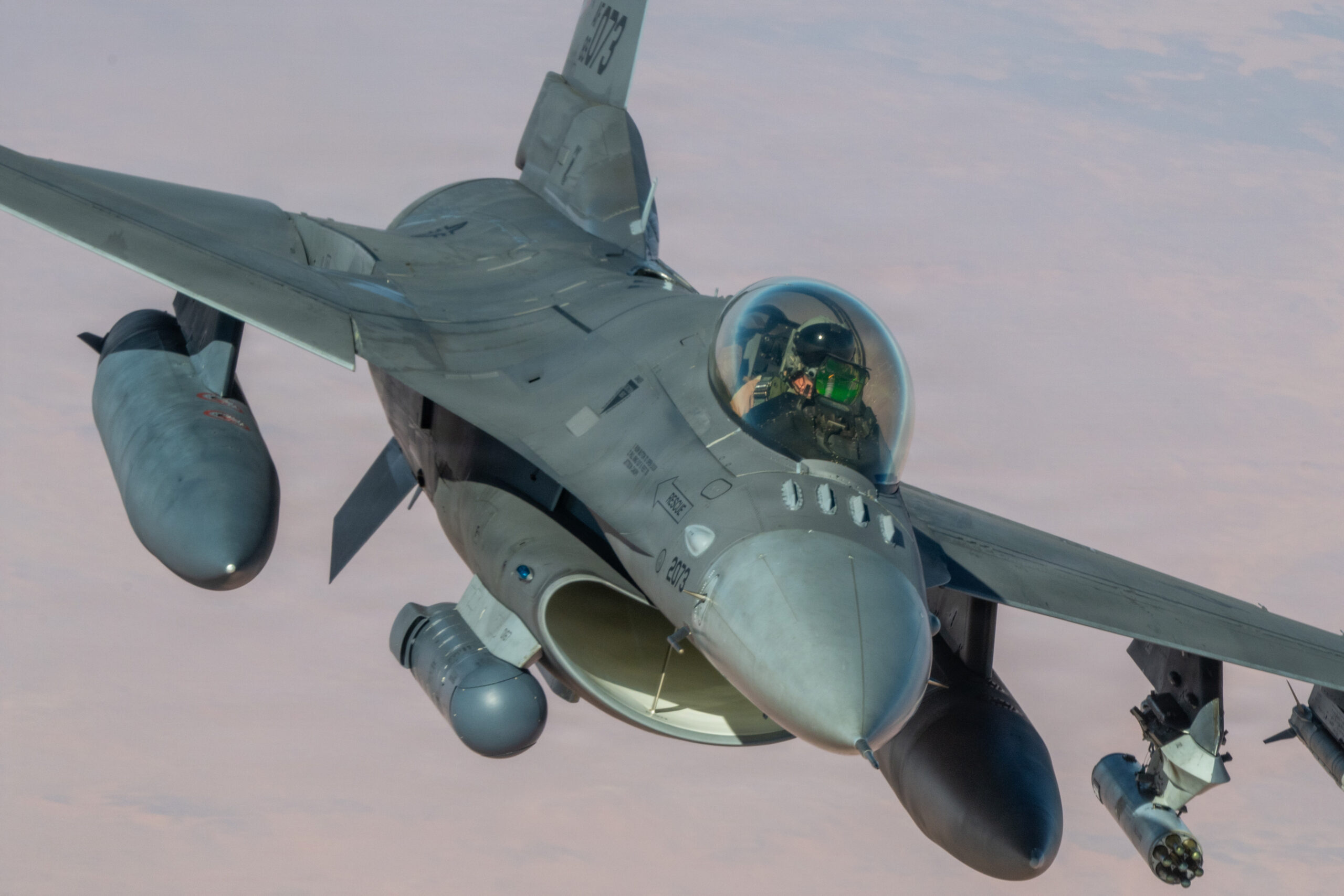
Perhaps there too but 70mm APKWS II is a multi-purpose round that can be used in the Air to Air, Air to Ground, Ground to Air and Ground to Ground roles. It can function against personnel in the open, bunkers, trucks, armoured vehicles, boats, UAVs and helicopters. It can emulate mortar rounds, ATGMs and SAMs.
The 70mm round is a capable battalion level weapon.
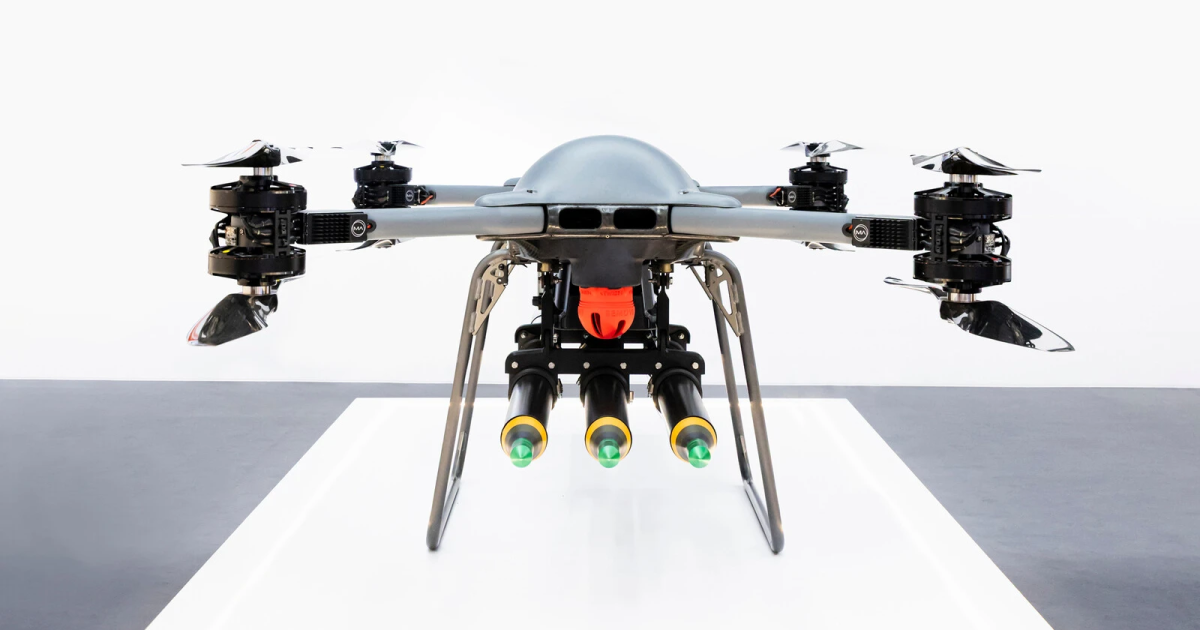
The Malloy T150
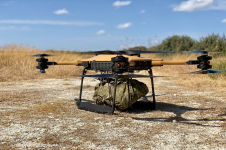
The T-150 has a payload of 68 kg, a range of 13 to 37 km and a speed of 108 kmh with an endurance of about half an hour.
It is a last mile asset, a pop-up capability.
In a force fielding 1000 km PrSMs from Divisional HIMARs the Divisional Air Defence Regiment is going to need something with much greater reach.
......
The
Malloy T-150 uncrewed air system (UAS) serves as a core heavy-lift tactical logistics asset for British frontline units, primarily operated by the
Royal Marines and the
Royal Navy. Following rigorous global evaluations, it was formally declared ready for front-line operational deployment under a
"Release to Service" status. [
1]
Within British tactical and battalion-level infrastructure, the T-150 has fundamentally reshaped the "last-mile" logistical footprint across multiple branches.
1. Royal Marines & Commando Service
The T-150 is heavily integrated into the
Commando Logistic Regiment (CLR) and operated by dedicated specialist units like the
Malloy Flight, Delta Squadron. [
1,
2,
3]
- The Tactical Role: Its primary function at the battalion and commando level is high-risk tactical resupply, shifting dangerous "last-mile" cargo transport away from all-terrain vehicles, personnel on foot, or skis. [1]
- Frontline Agility: Operating in small, two-person teams (one pilot, one systems monitor), marine commandos deploy the T-150 rapidly from rugged transit cases in under five minutes. [1, 2, 3]
- Extreme Environments: The T-150 is actively deployed by Royal Marines during NATO winter exercises in northern Norway. In temperatures dipping to -28°C, the drones autonomously transport vital battlefield equipment—including 81mm mortars, heavy machine guns, ammunition, rations, blood supplies, and explosive ordnance disposal (EOD) robots—across unforgiving, snow-covered terrain. [1]
2. Royal Navy & Amphibious Support
The T-150 is utilized by the
700X Naval Air Squadron to bridge naval task groups with ground forces (ship-to-shore) and handle inter-vessel transport (ship-to-ship). [
1,
2,
3]
- Warship Operations: The drone is deployed natively from moving flight decks without specialized launch infrastructure. It has notably taken over routine, lightweight cargo duties from manned helicopters aboard the UK Carrier Strike Group and vessels like HMS Prince of Wales. [1, 2, 3]
- Disaster Relief: In broader maritime service, the drone is deployed via vessels like HMS Trent during Caribbean hurricane seasons to ferry critical emergency aid to coastal communities severed from traditional supply routes. [1]
3. British Infantry & Wider Armed Forces
While the Royal Marines have pioneered the primary tactical adoption of the T-150 within the UK amphibious framework, the system represents the British Army's broader pivot toward automated logistics.
- The U.S. Variant (TRV-150): The exact same aircraft architecture is shared with the US Army and US Marine Corps, where it operates under the TRV-150 (Tactical Resupply Vehicle) designation to satisfy traditional infantry organic logistics. [1, 2]
- Operational Proof of Concept: Beyond British testing, the UK Ministry of Defence has supplied hundreds of T-150 units to Ukraine. Ukrainian forces and marine units successfully mirrored the British deployment style, utilizing the all-weather octocopters to ferry ammunition and medical blood directly to contested banks along the Dnieper River, and even configuring the aircraft to deposit heavy explosives onto strategic infrastructure. [1, 2, 3, 4]




 www.themoscowtimes.com

 www.nytimes.com