• Thanks for stopping by. Logging in to a registered account will remove all generic ads. Please reach out with any questions or concerns.

All Things First Nations - CF help, protests, solutions, residential schools, etc. (merged)

One of the Grand Chiefs already roasted Wab while a former chief is all for scrapping it

I am almost certain that when people say they support scrapping the Indian Act, they often mean doing away with it in name only.

I find it difficult to believe that many communities would be willing to relinquish the significant funding, programs, and legal protections that are currently tied to it. While there is certainly room for debate about reform or replacement, any discussion needs to acknowledge the practical realities and incentives involved.
 
Don’t forget throwing every Reserve infantry regiment and their dress uniforms in there.
Heck, try coming up with a consensus view on a position on, say, veterans' issues from all the groups involved, right? ;)
 
  • Like
Reactions: ueo
And the array of opinions continues ....

This just in... First Nations are kind of like us in more ways than one ;)

The myth of indigenous utopia

In the beginning, Canada was good, pure, and peaceful. Then the Europeans came, and it all went to hell. This creation and fall story has been cribbed from Genesis to frame today’s powerful aboriginal grievance and entitlement narrative. Its authors are now suggesting that redemption lies in a return to indigenous utopia. But the devil’s in the historical details, writes Hymie Rubenstein, and he was just as busy in pre-Columbian Canada as anywhere else.

In every other culture but Sinclair’s, apparently, infanticide was used to control population growth beyond the environmental carrying capacity of stone-age hunters and gatherers; ethnic cleansing was undertaken against alien neighbours when local groups exceeded the demographic sustainability of their territories under simple forms of farming; cannibalism was practiced as a response to hunger or to capture the spiritual power of competitors; wholesale extermination of enemies – genocide – was organized and executed to seize territory or eliminate military threats; and just about any alien group (now called “subalterns” in Marxist postcolonial studies) was subject to enslavement in support of forced labour, sexual exploitation, trade, or status enhancement.


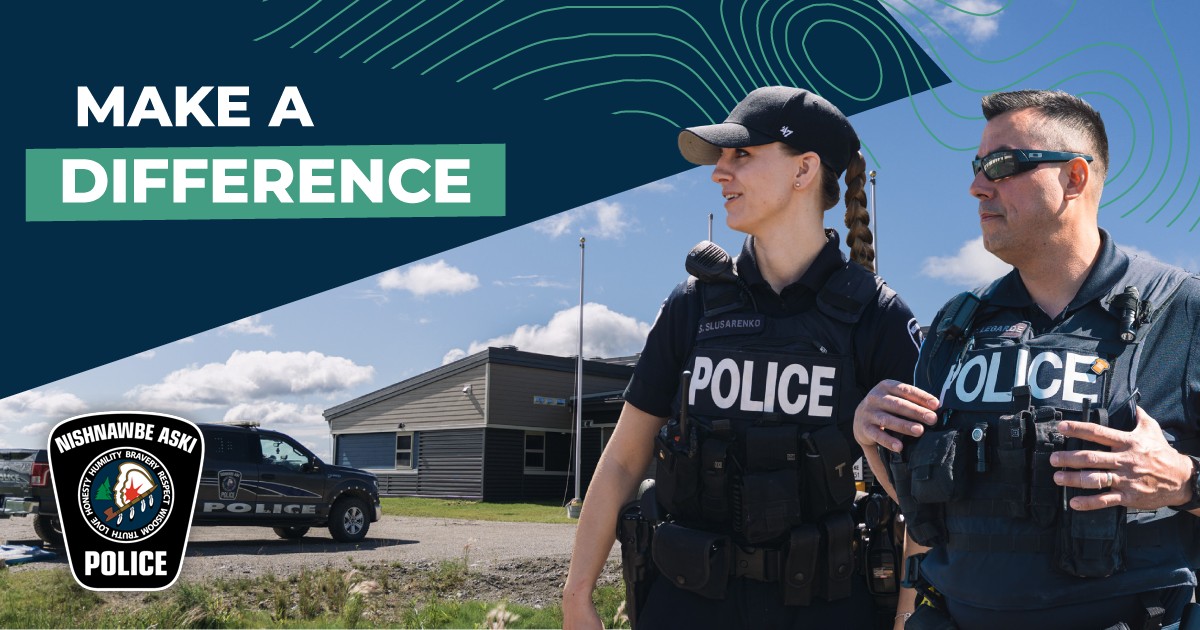
Here's one way to try to keep more contraband out of remote Ontario First Nations - let's see how it goes.
Starting with Eabametoong, Sandy Lake, Sachigo Lake, Kasabonika Lake and Kashechewan.
 
Last edited:
Here's one way to try to keep more contraband out of remote Ontario First Nations - let's see how it goes.
Starting with Eabametoong, Sandy Lake, Sachigo Lake, Kasabonika Lake and Kashechewan.
It’ll be interesting once someone challenges a search arising out of that in court. I see no established legal authority for such a search. They’re basically trying to assume a legal authority akin to the diminished expectation of privacy at Canada’s national border.

It’s one thing to recognize First Nations having the legal authority to legislate equivalents to provincial statute; that’s a thing already. But this essentially usurps federal authority and could set significant precedent if upheld.
Many years ago while helping out on some FN police use of force training, I was told by officers from northern communities that it was SOP to search arriving southerners for alcohol. The authority allegedly arose from s 85.1 of the Indian Act.
 
Not seeing an authority to search upon arriving. If they are flying in, searching them and their gear would be covered under aviation security acts, as long as it was done at pre-boarding.

AI Overview


Section 85.1 of Canada's Indian Act authorizes a First Nation band council to make local by-laws regarding intoxicants on its reserve. [1]

Key Powers of Band Councils
Under Section 85.1(1), a band council may pass by-laws to:
    • Prohibit any person from being intoxicated on the reserve. [1]
    • Prohibit any person from having intoxicants in their possession on the reserve. [1]
    • Provide for exceptions to the possession or intoxication prohibitions (such as prescription medication containing alcohol). [1, 2]

Requirements for Enactment
    • Electors' Assent: A by-law under this section cannot take effect unless it is first approved by a majority of band electors voting at a special meeting called specifically for that purpose. [1]

Offences and Penalties
Violating a Section 85.1 by-law is a summary conviction offence: [1]
    • Sale, barter, supply, or manufacture: Punishable by a fine of up to $1,000, imprisonment for up to six months, or both. [1]
    • Intoxication or possession: Punishable by a fine of up to $100, imprisonment for up to three months, or both. [1]
 
It’ll be interesting once someone challenges a search arising out of that in court. I see no established legal authority for such a search. They’re basically trying to assume a legal authority akin to the diminished expectation of privacy at Canada’s national border.

It’s one thing to recognize First Nations having the legal authority to legislate equivalents to provincial statute; that’s a thing already. But this essentially usurps federal authority and could set significant precedent if upheld.
I briefly touched the edge of this file in a previous life, and that was the big obstacle. We’ll see if enabling band council resolutions from the pilot communities (links at the bottom of the NAPS page I shared) will be enough, for sure. During COVID, some FNs got legal help to draft BCRs to "mirror" provincial rules to allow mobility restrictions.
Many years ago while helping out on some FN police use of force training, I was told by officers from northern communities that it was SOP to search arriving southerners for alcohol. The authority allegedly arose from s 85.1 of the Indian Act.
As of 3 years ago, not many communities did that - and only on an ad hoc basis - because of the points @brihard made. We’ll see if the legal scaffolding put into in place, such as it is, stands.
 
Last edited:
As of 3 years ago, not many communities did that - and only on an ad hoc basis - because of the points @brihard made. We’ll see if the legal scaffolding in place, such as it is, stands.
As I noted, this would've been 20 odd years ago. There were a few officers from northern FN police services such as NAPS and Treaty Three Police. Most of the attendees were from southern ones like AMPS, Tyendinaga Police and Kahnawake Peacekeepers.
 
There’s no authority for it. It’s been a practices many times in many places and it’s been a loser in court repeatedly. It’s crazy to put a news article out on it it’s been lost so much that even places that still do it don’t advertise.

There is some movement to assist bands with BCRs that are enforceable but the bands are unhappy with the results and what has been communicated as far as what actual punishment and authorities can be attached. Basically nil.

All the good contraband comes in on the Sealift anyways. ;)
 
Do the communities care about the legality of the search being held up in court though? They aren't trying to catch the criminals and have them tried. They are trying to stop the contraband entering their communities. I believe it is also meant as more of a deterrent, hoping that dealers will move on to places that are easier targets.
 
Do the communities care about the legality of the search being held up in court though? They aren't trying to catch the criminals and have them tried. They are trying to stop the contraband entering their communities. I believe it is also meant as more of a deterrent, hoping that dealers will move on to places that are easier targets.
No they aren’t. But they also don’t like being found liable in civil court for ignoring the law- which has happened several time in Manitoba and Saskatchewan
 
Do the communities care about the legality of the search being held up in court though? They aren't trying to catch the criminals and have them tried. They are trying to stop the contraband entering their communities. I believe it is also meant as more of a deterrent, hoping that dealers will move on to places that are easier targets.
So, Booter nails the first part:
No they aren’t. But they also don’t like being found liable in civil court for ignoring the law- which has happened several time in Manitoba and Saskatchewan
And then I’ll add a second: what happens when buddy gets off the plane, grabs his stuff, refuses to be subject to a search, tells whoever is at the airport to eff off, and then just walks?

Either the authorities purporting to have this power accept noncompliance, in which case the system collapses immediately, or they attempt to forcibly detain/arrest the person in order to effect the search and potentially remove them from the community.

Do they have a lawful authority for that detention/arrest? They’d better. Because if not, now we’re into the realm of committing an assault via unlawful arrest. Take it a step further: if an unlawful detention or arrest is an assault, and the person uses reasonable force to defend themselves, now things get stinkier with probably an assault to resist arrest charge and further detention all based on an unlawful arrest. Take it a step further still: what if in the course of this arrest someone is injured? What if they’re injured quite badly?

A lot of legal liability and other headache comes from acting outside of legal authorities.
 
But isn't this why they are looking to do this before boarding at origin? So that if they refuse to be inspected, they are refused access to the flight/bus?
 
But isn't this why they are looking to do this before boarding at origin? So that if they refuse to be inspected, they are refused access to the flight/bus?
There are no provisions in the any Canadian aviation security regulations that prevents someone from flying with alcohol in their checked bags. Cabin bags are a different story. There is no regulatory prohibition on traveling by road or water with alcohol in your possession (outside of regulations on open containers or within reach of the operator). A transportation company would have to develop, implement and enforce internal policies that prohibit the transportation of alcohol (and drugs) on any of their conveyances destined for a first nations community. This, in itself, opens up a much different can of worms.
 
Back
Top