
daftandbarmy
Army.ca Fossil
- Reaction score
- 48,654
- Points
- 1,160



For some reason I don’t think that’s an inappropriate response…


Regardless of his “donation”, he took a very scarce $10/day slot that someone more deserving could have used….The "difference between before and after" is a bit awkward, but I assume it means they topped up whatever smaller amount they would have paid.

They have means to have a person come to their home.Regardless of his “donation”, he took a very scarce $10/day slot that someone more deserving could have used….


 globalnews.ca
if he doesn't have the press broadcasting his message in support he is in real trouble and they seem to be more or less neutral in this oneThe Leaders Debate
It was interesting watching as an outsider. Eby has nothing to really stand on but "Conservatives are bad, mean and racist". He certainly could not defend his record.


What job do you think Eby will be doing after being thrown out? My guess , the leading First Nations Lawyer.
if he doesn't have the press broadcasting his message in support he is in real trouble and they seem to be more or less neutral in this one
 financialpost.com
Stupid plan. Anyone earning one million or more a year has no requirement to remain a resident of B.C. I am certain that Calgary would welcome them with open arms and lower tax rates.Meanwhile, money talking/ potentially walking...
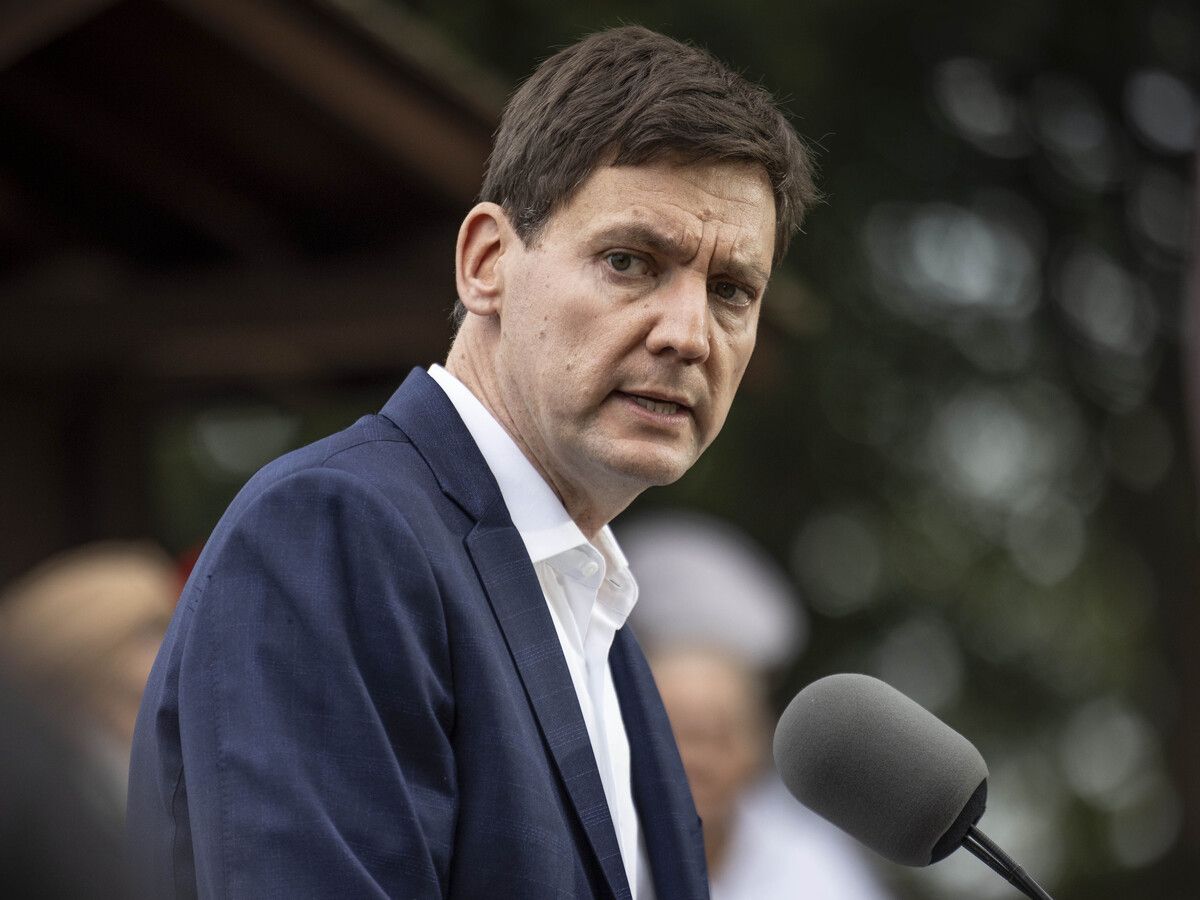
David Eby's bid to raise taxes on top earners hits an obstacle: voters
If Eby's reforms are passed, the province’s top marginal tax rate would rank at or near the highest in the world
David Eby's bid to raise taxes on top earners hits an obstacle: voters
David Eby launched British Columbia’s election campaign by arguing he needed a mandate to fight Donald Trump’s trade war. Economists warn his push for one of the world’s highest tax rates on top earners would hurt the province’s competitiveness in the middle of that battle.
Eby promised to hike taxes for higher earners by raising rates on all income above roughly $190,000 and proposed a new tax bracket on incomes over $1 million. When combined with federal taxes, the top marginal income tax rate would reach 57.5 per cent.
The proposal has become a flashpoint in a campaign centred on economic issues. Supporters say higher taxes on top earners would help shore up government finances and fund public services. But that argument isn’t getting the traction Eby hoped: with nine days until the vote, his New Democratic Party is trailing in public opinion polls.
David Eby's bid to raise taxes on top earners hits an obstacle: voters
David Eby launched British Columbia’s election campaign by arguing he needed a mandate to fight Donald Trump’s trade war. Find out more here
"Let's run an unvetted 18 year old as our candidate. What's the worst that could happen?"Meanwhile, the Conservatives continue to be surprised by the occasional neo-Nazi...
B.C. Conservatives drop candidate over post minimizing Holocaust
Jordan McIntosh dropped as the candidate for Vancouver-Strathcona
"Let's run an unvetted 18 year old as our candidate. What's the worst that could happen?"
Are there any grown-ups in BC provincial politics? (I'm claiming no virtue or adults in Ontario, for the record...)

What adult wants to have their entire life torn apart by the internet, just for the privilege of spending money to maybe get elected?"Let's run an unvetted 18 year old as our candidate. What's the worst that could happen?"
Are there any grown-ups in BC provincial politics? (I'm claiming no virtue or adults in Ontario, for the record...)
I can think of quite a few things that I said or implied when I was 15 that would get me arrested or blackballed now and which I certainly didn't think through at the time. Did I believe what I was saying? Probably at the time. That belief disappeared with a little maturity. There is a very good reason why a juvenile's criminal record is sealed and the same logic should be applied to his writings. We say enough stupid things after we are 18 without holding us liable for our mutterings as a teen.What adult wants to have their entire life torn apart by the internet, just for the privilege of spending money to maybe get elected?
Society, and in particular the internet, have made politics so toxic that nobody who isn't crazy or a narcissist will run.


