
- Reaction score
- 2,614
- Points
- 1,260
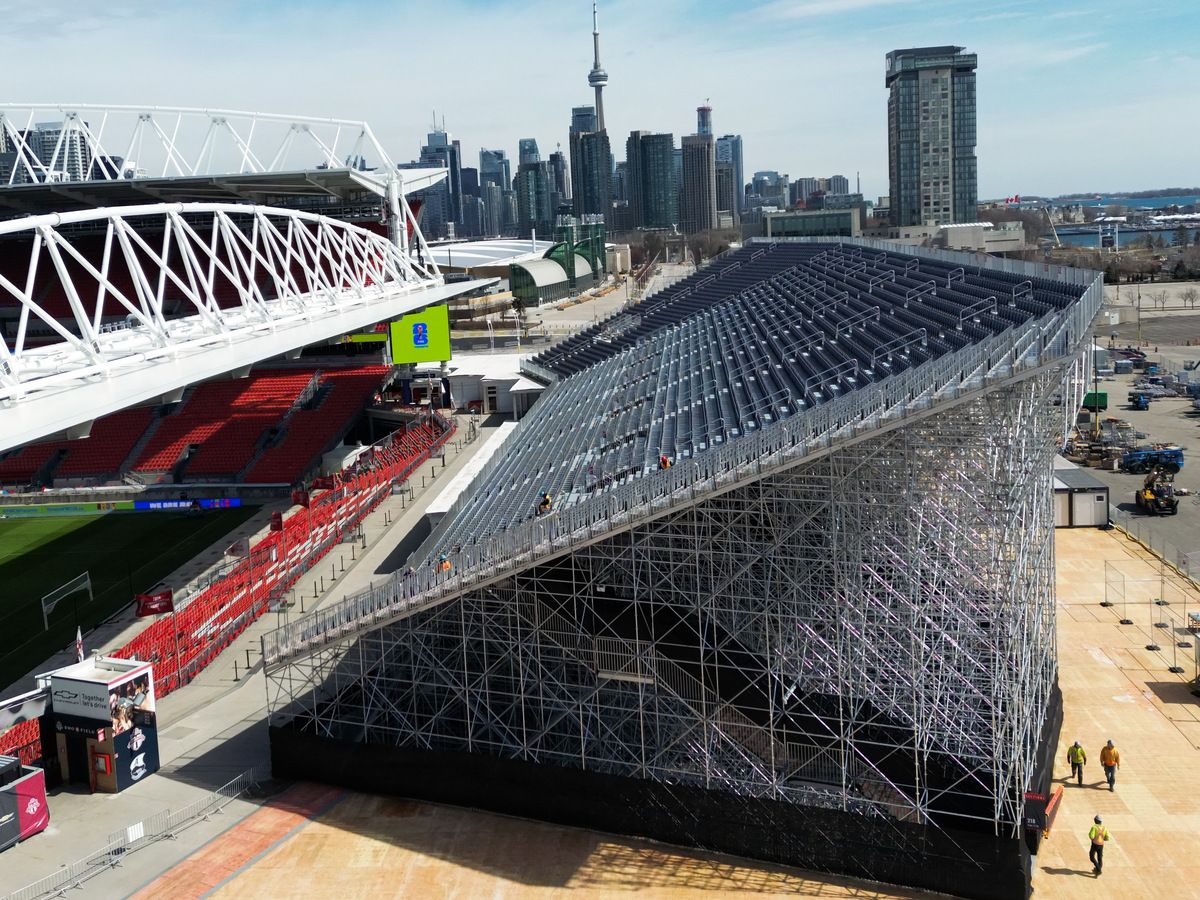
If I was going and sitting on those I would certainly be sitting at the bottom.
Bottom? Looks like the jump would probably kill ya.
I'd probably just ride it down.
Couldn't pay me to sit on that.
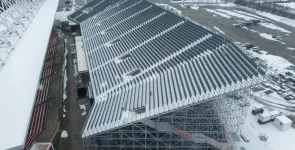


If I was going and sitting on those I would certainly be sitting at the bottom.


Hey, today was our best showing yet! We didn’t lose!

 www.bbc.com

If I was going and sitting on those I would certainly be sitting at the bottom.
Watched the game today. Canada carried the play for majority of the match, but they really missed Alphonso Davies. They just didn’t have a finisher until Kyle Larin came out and scored like a minute after he got on the pitch. He was really pissed that he was on the bench for a majority of the match.

The most Canadian comment ever. Thank you

That’s fine. I’ve sat on that type in the location during the Toronto Indy.Bottom? Looks like the jump would probably kill ya.
I'd probably just ride it down.
Couldn't pay me to sit on that.
View attachment 100755

Engineers will tell you that the strength of lattice work of that kind is incredible, even if it looks flimsy, which is what makes old style roller coasters so much fun: they look and sound as if you are taking your life in your hands every time you ride them, but are incredibly safe and strong.
The Flyer was torn down in 1992 , after it failed to meet safety standards.
That means nothing.
First of all, not meeting safety standard does not equate being unsafe.


 nationalpost.com


