

You are using an out of date browser. It may not display this or other websites correctly.
You should upgrade or use an alternative browser.
You should upgrade or use an alternative browser.
A-10 Warthog
- Thread starter Kirkhill
- Start date
Unless they already overmatch any likely near-peer enough that the near-peers are all seriously worried that the 90% is more than sufficient to allow the 10% to chew their mechanized forces to pieces.
I assure you that nobody in the USAF thinks actual near-peer is this easy. Jingoism is not a substitute for military competence.

- Reaction score
- 12,286
- Points
- 1,040
The US obviously divides its total platforms among various types (F, B, A, C, etc). Which near-peer forces the US is likely to fight are of a size that would put pressure on the US to downsize the As?I assure you that nobody in the USAF thinks actual near-peer is this easy. Jingoism is not a substitute for military competence.
The US obviously divides its total platforms among various types (F, B, A, C, etc). Which near-peer forces the US is likely to fight are of a size that would put pressure on the US to downsize the As?
Not sure what that has to do with anything. Feel free to explain.
- Reaction score
- 12,286
- Points
- 1,040
A-10s aren't a "10% handicap". They're part of a mix. Eventually they will be fully retired. There will still be a mix.Not sure what that has to do with anything. Feel free to explain.
A-10s aren't a "10% handicap". They're part of a mix. Eventually they will be fully retired. There will still be a mix.
Given the nature of near-peer threats the higher the percentage of aircraft that can't be used in that fight in any substantial capacity, the harder what's left has to work. That's absolutely a handicap. And while the GWOT was on, nobody cared about that percentage. Not so anymore.
Sure the A-10 will eventually be replaced. But it's highly unlikely to be a slow tank busting aircraft built around a gigantic autocannon. Nor is the percentage for a dedicated CAS platform that would be parked for most of a near-peer fight likely to be anywhere close to what it is today. Especially given that there will 4th gen platforms (F-15EX) that can bring most of the requisite capability and still do other things that make them useful against the pacing threat.

- Reaction score
- 13,990
- Points
- 1,160
In defence of @YZT 's position that the future is catching up to the A-10

France tests MQ-9 Reaper for drone intercept role
France’s Air and Space Force has successfully carried out its first anti-drone missile test from an MQ-9 Reaper, using a Hellfire missile to engage an aerial drone target. The test took place on April 2 at the military range ondefence-blog.com
Hellfires from Reapers.
Given that the APKWS II was developed as the low cost alternative to the Hellfire for the AH-64, and uses the same guidance system, I think it is safe to assume that the Hellfires on the Reaper could be swapped out for 4 or 7 packs of the APKWS II.
Further to:
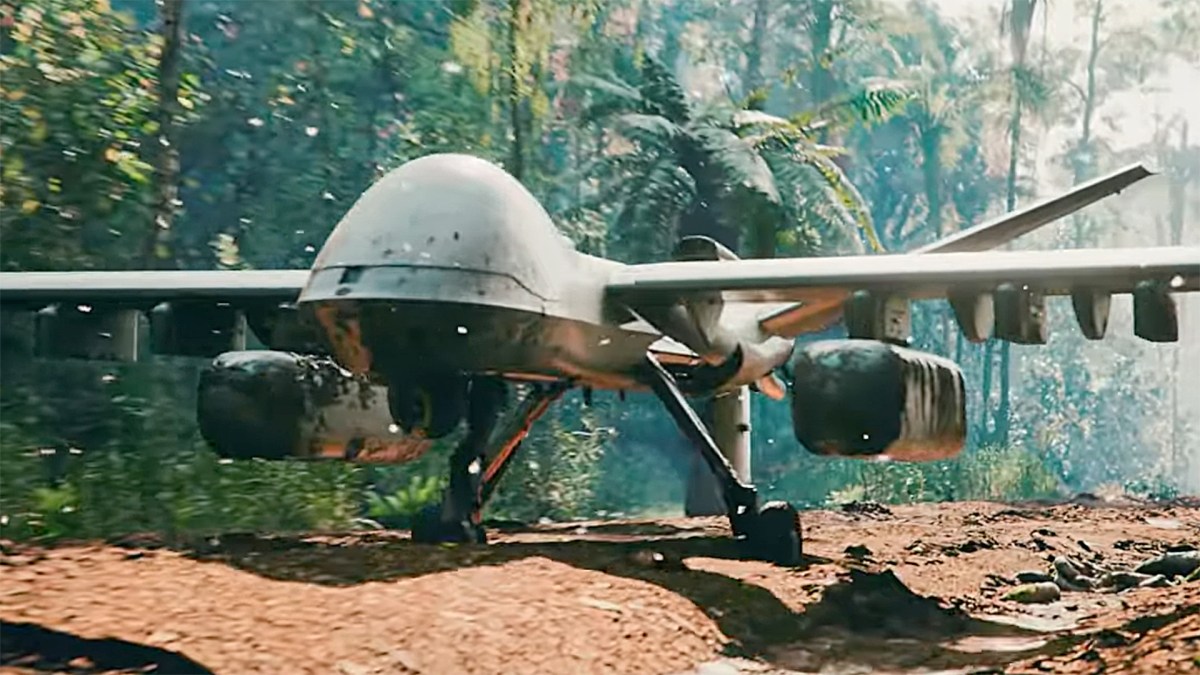
Hunting Drones From Sloppy Airstrips Is General Atomics' Future Vision For Mojave
Pushed forward to very rough fields, Mojave could also escort helicopters, strike targets, provide surveillance and networking, and even transport cargo.
 www.twz.com
I can't reproduce the pictures on the article. While I agree that this is the direction of travel, that it will be lest costly to put new UAVs in the air than new A-10s, I don't think that GAA is on the right track with its STOL aircraft in muddy jungle strips. I have visions of White City in Burma and the Malayan Emergency before the general application of Helicopters.
I think for the role that GAA is discussing AI Shield has a better solution: the tail sitter, with or without RATO.
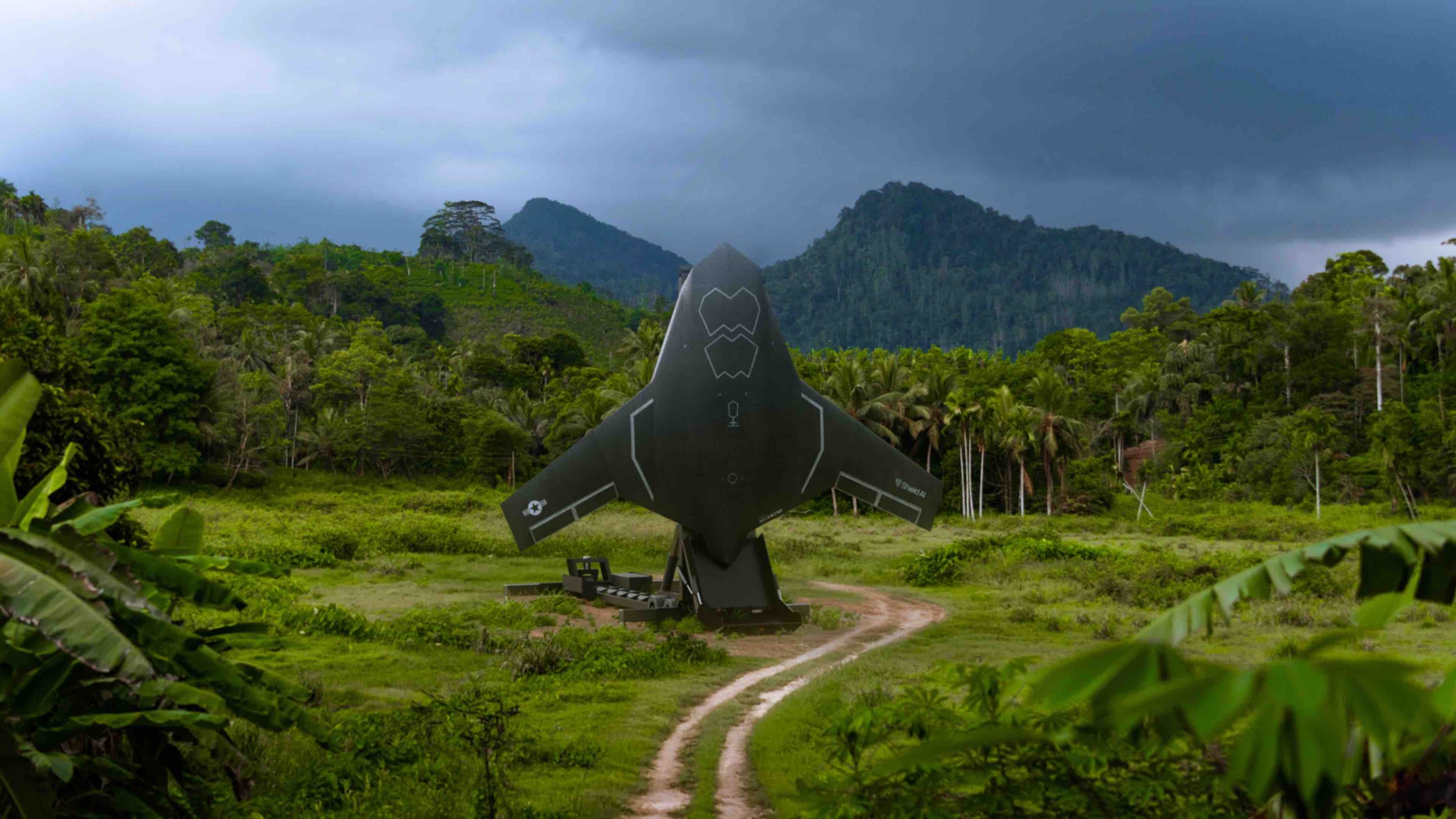
Shield AI Develops X-BAT Vertical Takeoff Drone
Shield AI unveiled last week its development of a new X-BAT aircraft that may be the most unconventional concept of the new breed of fighter-like Unmanned Comba
insideunmannedsystems.com

armrdsoul77
Sr. Member
- Reaction score
- 1,050
- Points
- 960
And look at the latest idea circulating at trade shows and recent service conferences.....
- Reaction score
- 13,990
- Points
- 1,160
SOCOM
Trading in crewed fixed wing CAS for more drones of all groups.
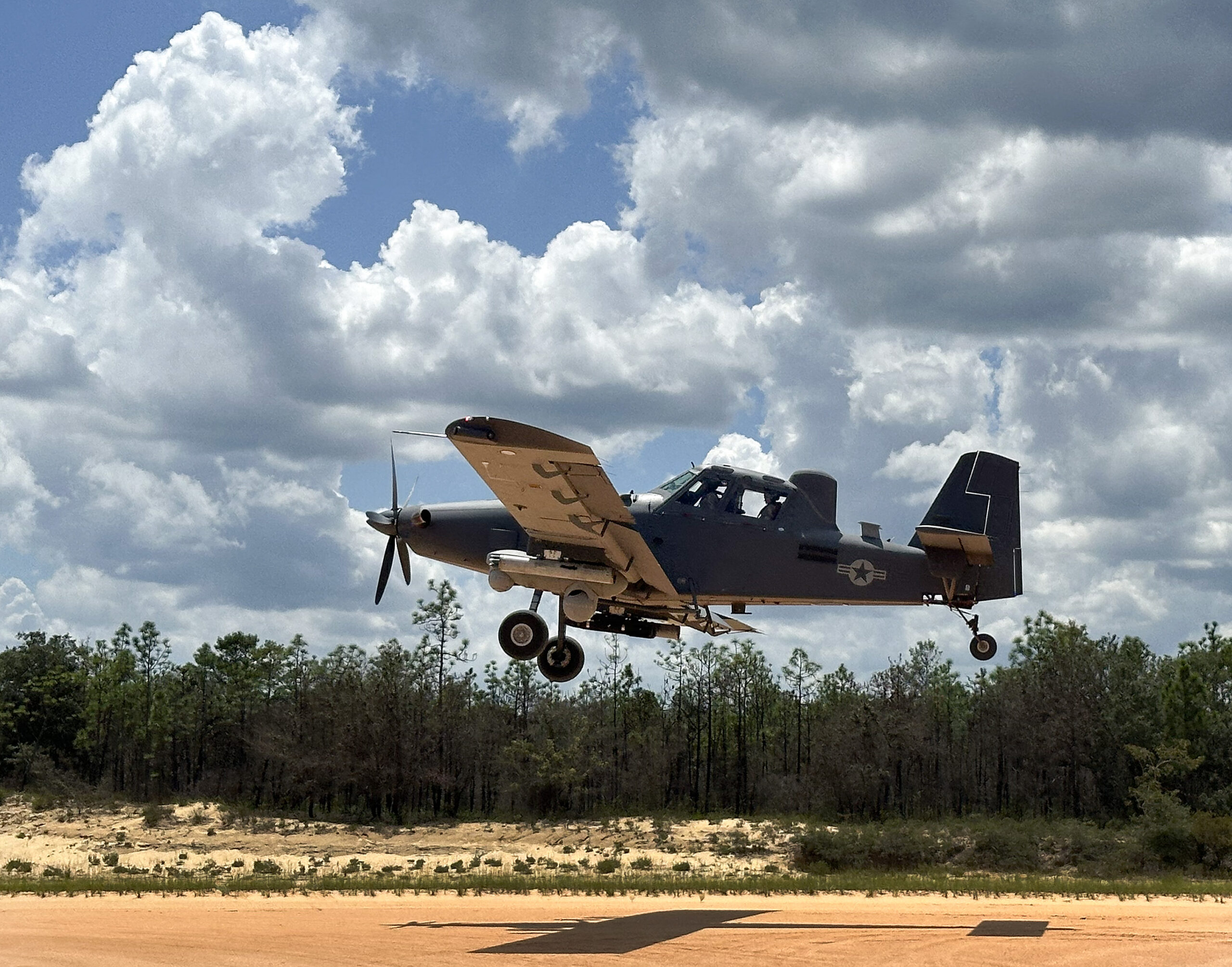
 www.airandspaceforces.com
Trading in crewed fixed wing CAS for more drones of all groups.
SOCOM Cuts Back on OA-1K, Wants 100 Drones to Go with MQ-9
U.S. Special Operations Command is shifting its aviation plans to favor more drone swarms and fewer militarized crop-dusters.
www.airandspaceforces.com

- Reaction score
- 10,681
- Points
- 1,260
As the article states, it's potentially down to the fight in the Indo-Pacific not being suitable for the aircraft. If you're doing lots of fighting in Africa against people in flip-flops, the Skyraider II makes sense. Against the Chinese, across vast expanses of ocean, not so much.SOCOM
Trading in crewed fixed wing CAS for more drones of all groups.
SOCOM Cuts Back on OA-1K, Wants 100 Drones to Go with MQ-9
U.S. Special Operations Command is shifting its aviation plans to favor more drone swarms and fewer militarized crop-dusters.
UAS are great, but having real people on scene is always more effective if you can afford to reasonably risk those people.
- Reaction score
- 13,990
- Points
- 1,160
As the article states, it's potentially down to the fight in the Indo-Pacific not being suitable for the aircraft. If you're doing lots of fighting in Africa against people in flip-flops, the Skyraider II makes sense. Against the Chinese, across vast expanses of ocean, not so much.
UAS are great, but having real people on scene is always more effective if you can afford to reasonably risk those people.
From my standpoint the issue is how much can be found out by other means before we have to commit those people to the task.
I am not against crewed craft. Far from it. I expect that there will be people in every conflict. Only people make war.
But I want the machines to do the uncovering. the shapimg and the supporting, in so far as they can.
- Reaction score
- 10,681
- Points
- 1,260
Fair enough, but from an economic perspective and operational, how much do you gain from a having a well paid pilot sit on the ground and have less awareness vs. a well paid pilot in a modified crop duster on scene with more awareness?From my standpoint the issue is how much can be found out by other means before we have to commit those people to the task.
I am not against crewed craft. Far from it. I expect that there will be people in every conflict. Only people make war.
But I want the machines to do the uncovering. the shapimg and the supporting, in so far as they can.
UAS make a lot of sense in environments where aircraft losses are expected, like in the Indo-Pacific fight. In an African bush war scenario, having a human in the aircraft seem more logical. Hence the changes in numbers for the Skyraider II...
At the risk of being a bit of a problem for the RCAF, I'd go so far as to suggest that Canada pick-up some of the no longer needed Skyraiders for our next counter insurgency fight, like Afghanistan or Mali.
armrdsoul77
Sr. Member
- Reaction score
- 1,050
- Points
- 960

- Reaction score
- 2,027
- Points
- 1,160
Congress may have thrown the A-10 a lifeline, the USAF is not having any of it.
For some reason the USAF has a real hate-on for the A-10.
Latest from TWZ:
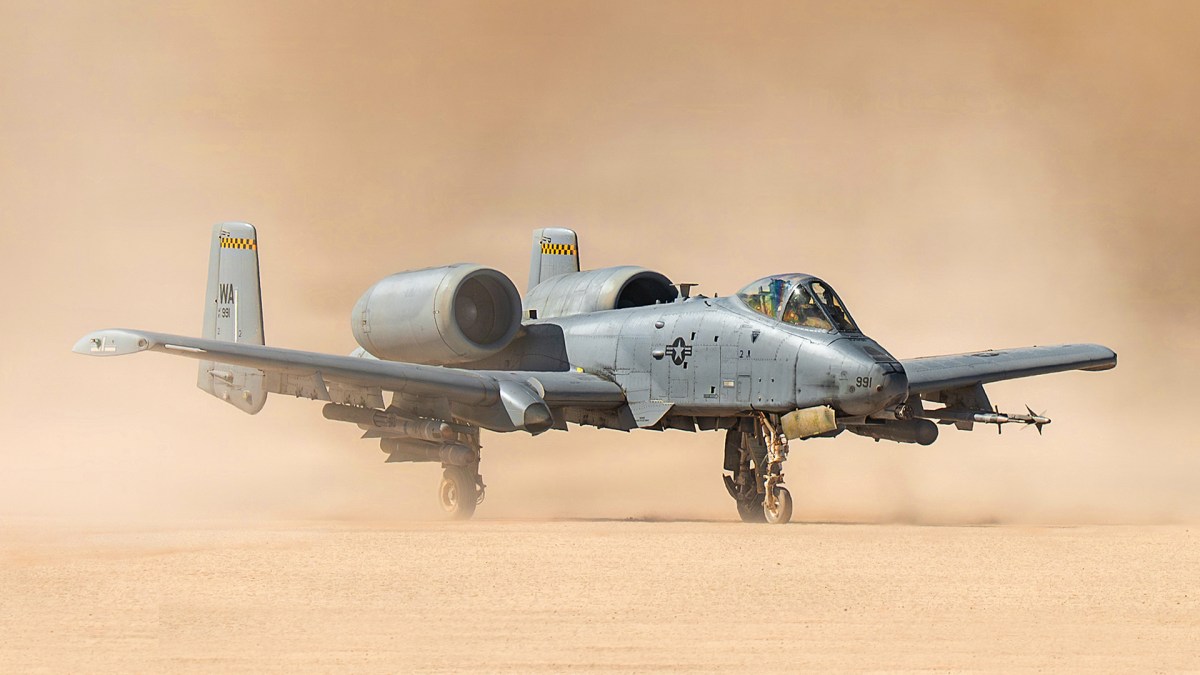
A Disciplined Case For The A-10 The Air Force Won't Make
Opinion: The USAF says the A-10's service is extended to 2030, but funding and planning doesn't really reflect that, which has to change and fast.
www.twz.com
Similar threads


- Replies
- 5
- Views
- 3K


- Replies
- 26
- Views
- 7K
