• Thanks for stopping by. Logging in to a registered account will remove all generic ads. Please reach out with any questions or concerns.

A Canadian CCA?

Kirkhill

Puggled and Wabbit Scot.
Subscriber
Donor
Reaction score
12,850
Points
1,160
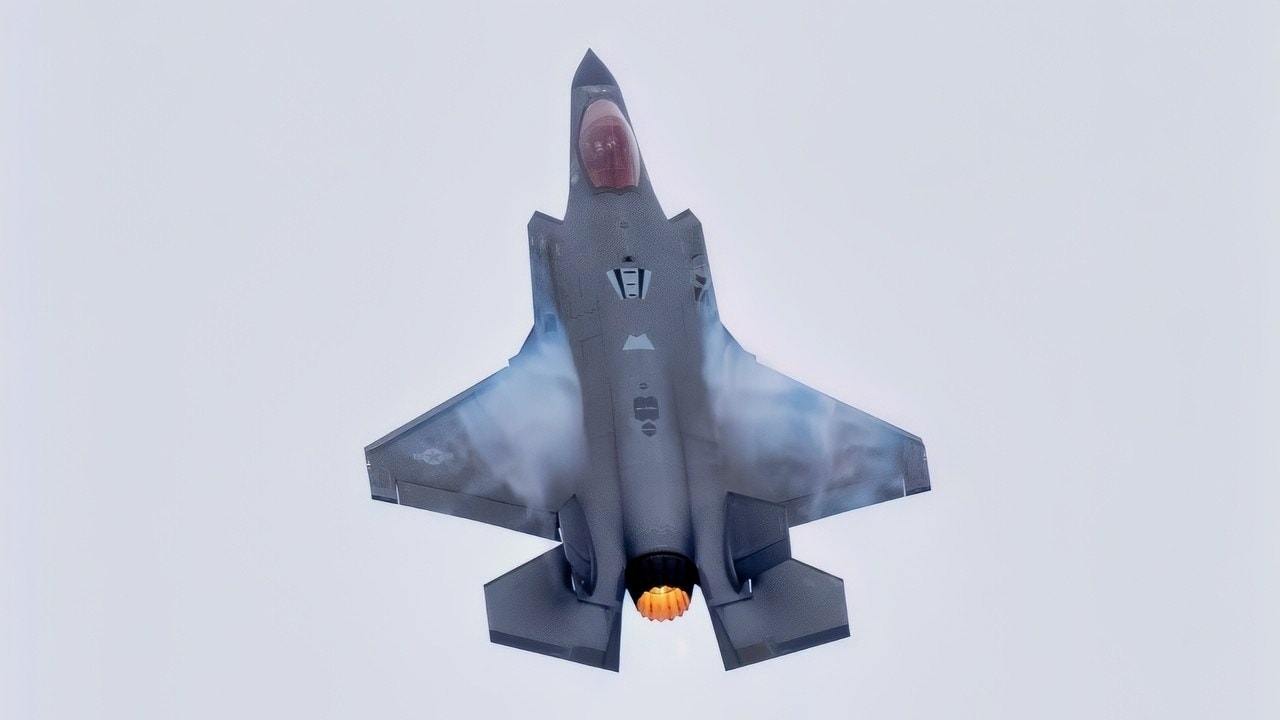
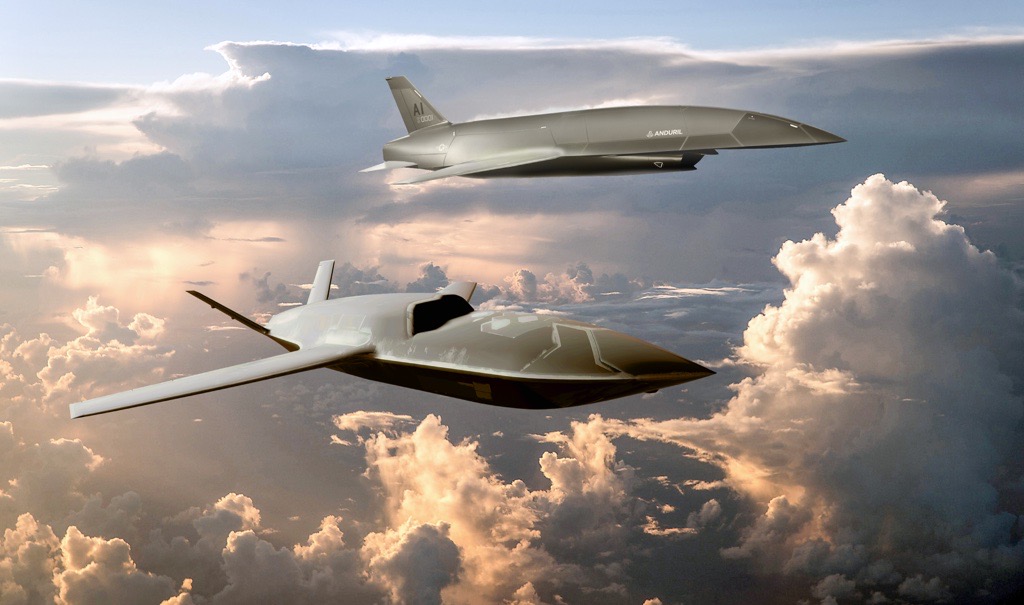
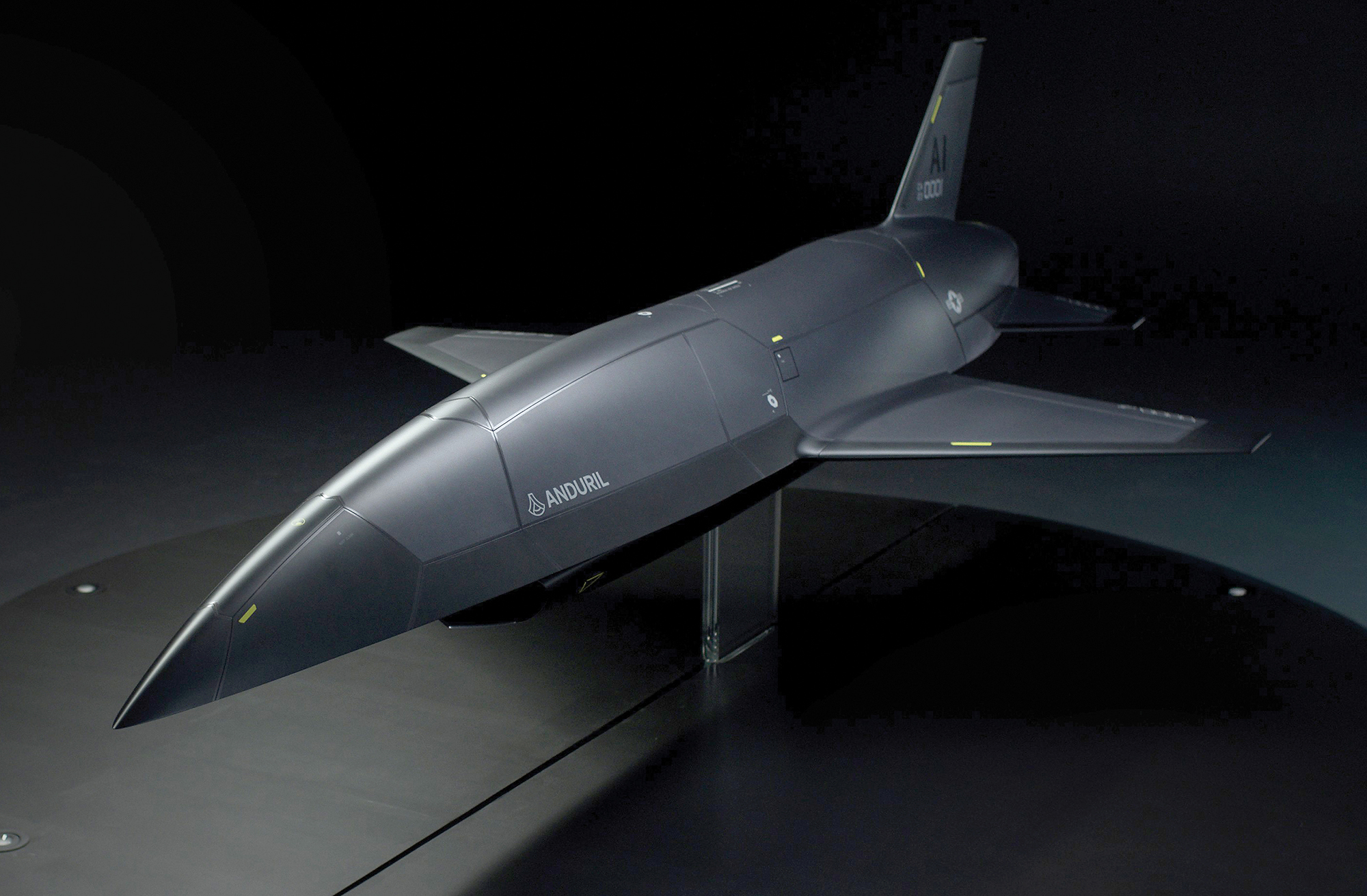
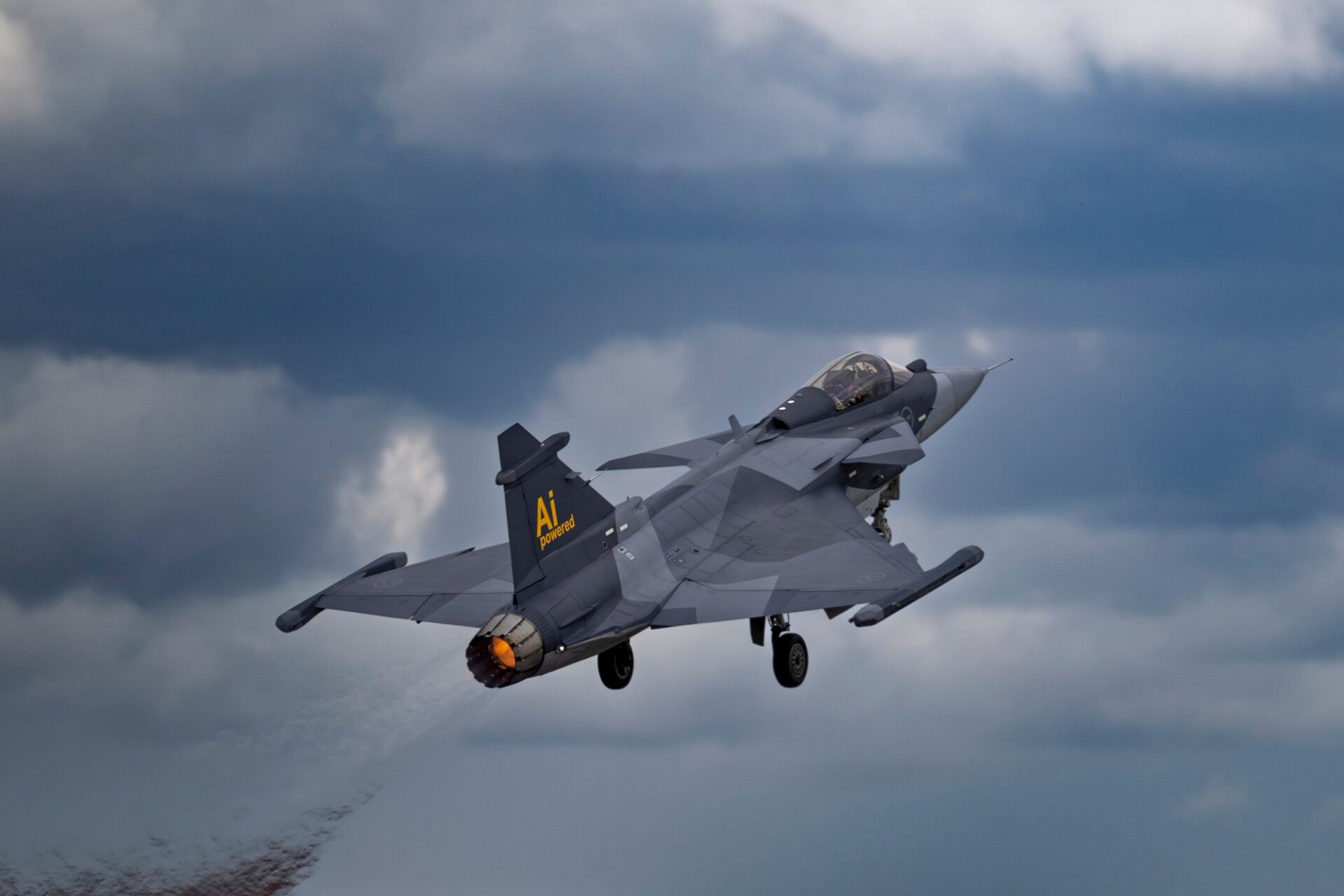
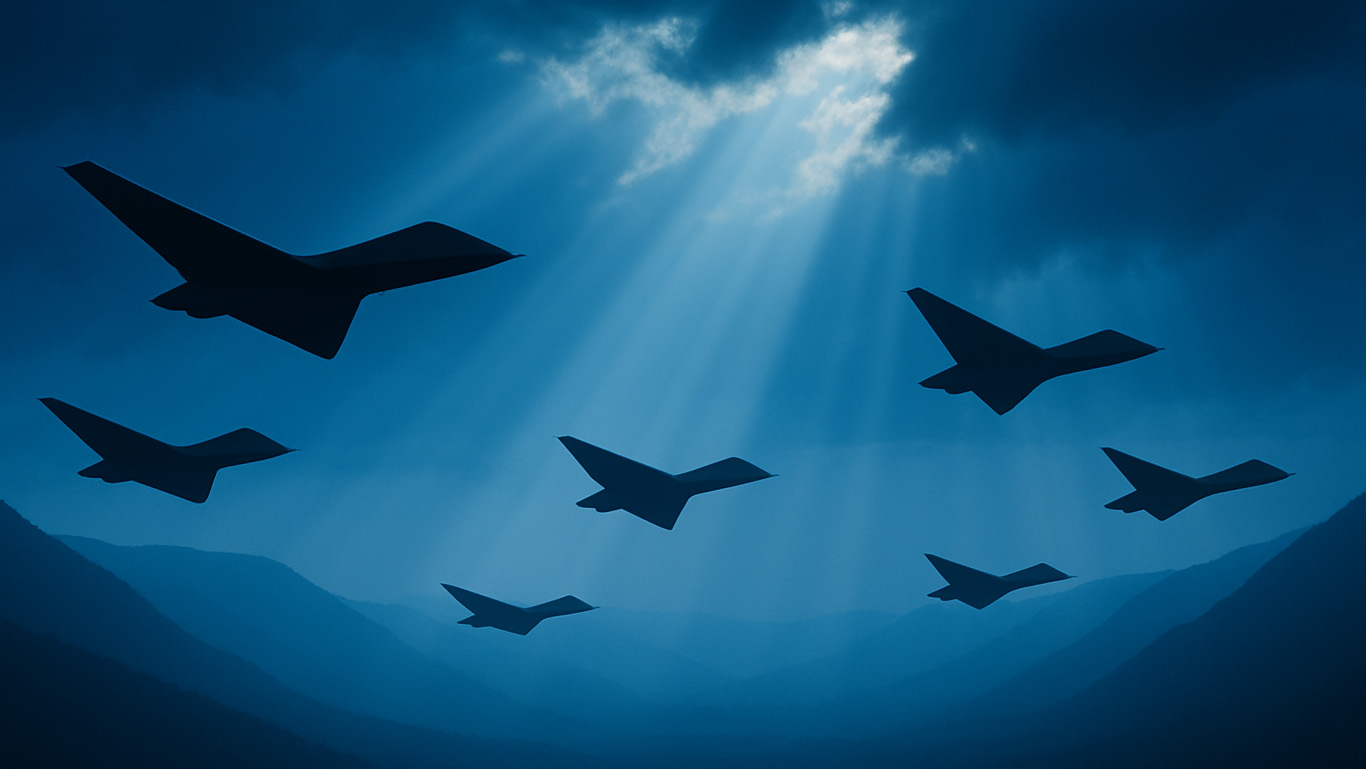
On March 5, 2026, the Canadian company Dominion Dynamics announced a $50 million investment to initiate the development of a sovereign Autonomous Collaborative Platform (ACP), an uncrewed aircraft intended to operate alongside crewed fighter jets such as the F-35 or the Gripen. The ACP is conceived as an autonomous wingman designed to extend the operational range of fighters and enable missions in environments considered too dangerous or too distant for human pilots. The project aims to establish Canada’s first domestically designed collaborative combat aircraft (CCA), capable of operating as part of networked formations involving crewed fighters, surveillance aircraft, and ground control nodes.

 
On March 5, 2026, the Canadian company Dominion Dynamics announced a $50 million investment to initiate the development of a sovereign Autonomous Collaborative Platform (ACP), an uncrewed aircraft intended to operate alongside crewed fighter jets such as the F-35 or the Gripen. The ACP is conceived as an autonomous wingman designed to extend the operational range of fighters and enable missions in environments considered too dangerous or too distant for human pilots. The project aims to establish Canada’s first domestically designed collaborative combat aircraft (CCA), capable of operating as part of networked formations involving crewed fighters, surveillance aircraft, and ground control nodes.

What I like is that this is a system that is specifically being designed for the unique challenges of Canada's geography.
Dominion Dynamics was founded in Ottawa to develop sovereign defence technologies adapted to Canadian operational requirements, particularly in remote environments such as the Arctic. The company’s activities include the development of sensor networks, artificial intelligence systems, and autonomous vehicles engineered to operate in extreme climates and remote territories.


One of its current projects involves building a persistent sensing architecture that integrates sensors across land, sea, air, and space to produce a continuous operational picture of northern regions. These networks combine commercial sensors with communications nodes that transmit data from remote locations to command centres where information is fused into a single intelligence stream. The system is intended to support surveillance missions and provide early warning capabilities in regions with limited communications infrastructure. The company has tested elements of this architecture with Canadian Rangers in northern environments to collect operational data on hardware performance in extreme cold conditions.

The architecture also integrates onboard processing, so sensors and autonomous vehicles could interpret information locally before transmitting it through the network.
Dominion Dynamics’ strategy reflects the perspective of its founder and chief executive officer Eliot Pence, who previously led international market expansion at the US defence company Anduril Industries. Pence has argued that future military capabilities will depend increasingly on integrated networks of sensors, communications systems, and autonomous vehicles rather than on individual aircraft alone. From this perspective, the decisive element of air power lies not only in the aircraft but in the surrounding architecture of software, sensing, and mission systems that determine how fighter jets operate within distributed formations.
The kind of communication web they are talking about to support their ACP I think is key to autonomous operations in the huge and sparsely developed territory of the Arctic and is why I think a domestic program is required. This same network, once established could likely be leveraged for other systems as well.

Note also that the founder, Eliot Pence, brings some experience to the venture having formerly been with Andruil.
 
Note also that the founder, Eliot Pence, brings some experience to the venture having formerly been with Andruil.
Gen Eyre, LGen Rouleau, and Erin O'Toole are on the Board, and I believe Janice Stein is as well.

I have spoken with Eliot Pence, and he has a very clear vision for both Dominion, and the defence industrial base.
 
This has been a long time coming. I am glad to see this might become a reality. This will hopefully excel our 6/7 gen programs.
 

30 F-35s committed?

"The Royal Canadian Air Force (RCAF) has already made a financial commitment to purchase 30 F-35A airframes, with the first 8 specimens to be delivered in the coming months to Luke Air Force Base, Arizona, where Canadian fighter jocks will begin immediate training."

Full scale production of the CCA/ACP in 24 to 36 months? - Adventuresome.

"The Way Forward for ACP and the RCAF F-35

The first development phase of the ACP program centers on the creation of scaled prototypes before moving to a full-scale aircraft within a projected 24 to 36 months."
 
“we just never predicted the numbers and scale of what we’re seeing.”

...

I just posted this video about a homebuilt Stinger analog created with 3D printing. a sugar and potassium nitrate engine and a bunch of sensors, motors, processors and connectors picked up at a local ectronics store for under $100


...

I had just finished reading these articles.


....

The USAF was looking at procuring 100 exquisite CCAs by 2029 at a unit cost of 30,000,000 USD. While that is a literal "fraction of the cost of an F-35" a quarter to a third is not what most people think of when someone says "a fraction of the price".

To paraphrase Crocodile Dundee:"That's not a fraction! This is a fraction."

The debate was between a 30,000,000 exquisite solution sometime in the never never or a functional 3,000,000 solution today.

The debate seems to have been won by the adequately functional low cost solution today. And lots of them.

...

The Air Force has not established production plans for Increment 2, but Secretary Troy Meink is pushing for “dramatically increase production” of weapons systems across the board.

While operational considerations play a role, he said the real push is driven by a shift in the types of threats the military faces.

“When we started fielding some of these systems, we weren’t concerned about thousands of ballistic missiles, particularly from smaller countries,” Meink said.

Whether it’s air-based, ground-to-air, air defense, or offensive action systems, Meink said, “we just never predicted the numbers and scale of what we’re seeing.”

...

Dominion can probably meet their timelines with a useful product if the adhere to the 70% rule and this: KISS.
 
Back
Top