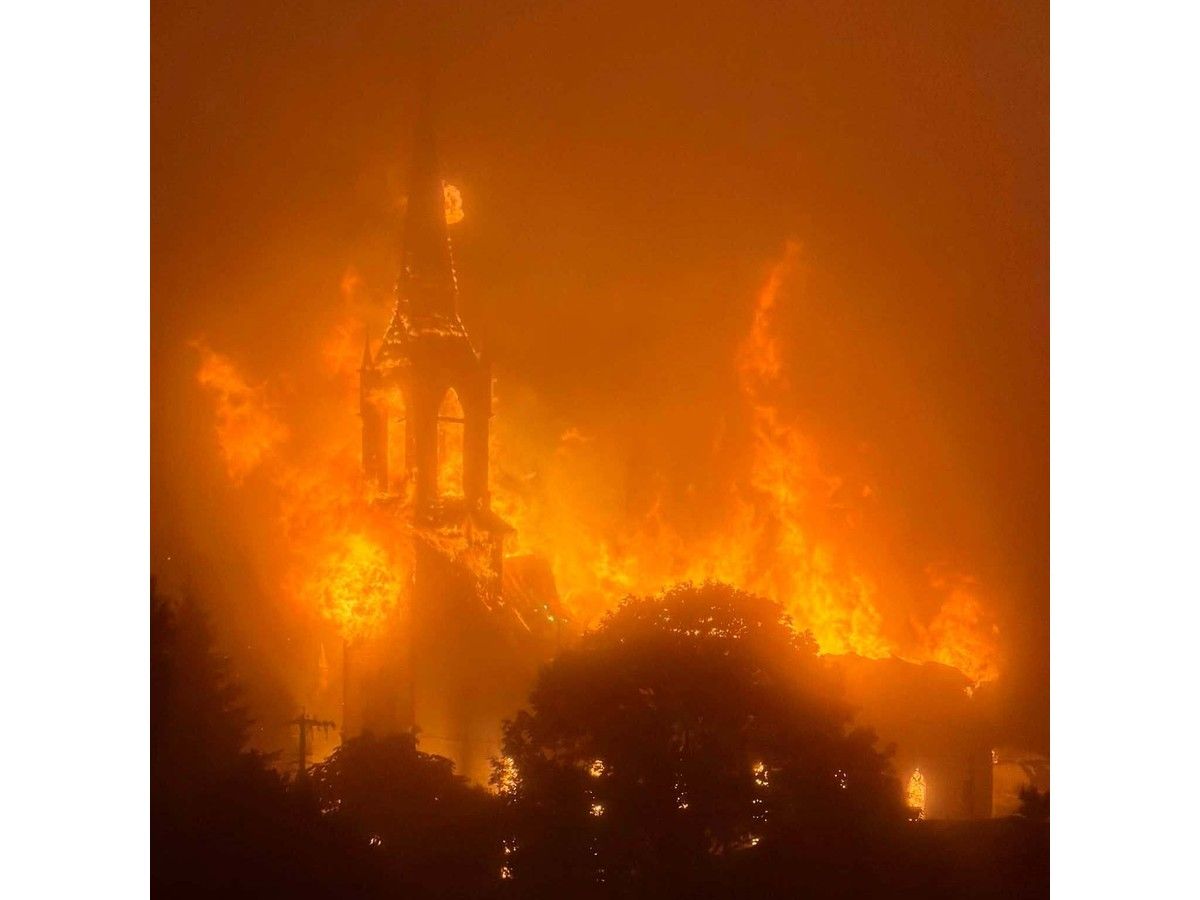
Truth and reconciliation should also include the taking of slaves, including children by force, by other First Nations
AI written:
The most famous and documented slave raid near
Fort Langley, BC, took place in
1829, just two years after the
Hudson's Bay Company established the fur trading post. [
1,
2]
During the early 19th century, the
Stó:lō and
Kwantlen peoples living along the Fraser River were frequently targeted by terrifying long-distance slave raids launched by northern maritime tribes. The most persistent threat came from the
Euclataws (Yucultas / Lekwiltok), a fierce southern branch of the Kwakwaka'wakw nation based around northern Vancouver Island and the Johnstone Strait. [
1,
2,
3,
4]
The 1829 Raid and its Aftermath
- The Attack: In 1829, Euclataw warriors paddled their massive war canoes down the coast and up the Fraser River, launching a massive raid to capture slaves and plunder the local Stó:lō communities. [1]
- Fort Intervention: Employees at Fort Langley stepped in to assist the Stó:lō. Using the fort's superior firepower—including early firearms and defenses—the fur traders helped the Stó:lō successfully repel the Euclataw invaders. [1, 2, 3]
- The Kwantlen Migration: This specific battle fundamentally shifted local geography. Recognizing the protection the fort could provide against future northern raiders, Kwantlen Chief Whattlekainum led his entire people to relocate their primary village right next to Fort Langley, establishing a community known as Chuchul (located on what is now McMillan Island)
The End of the Fraser River Raids
While smaller skirmishes and captures continued in the region through the 1830s, the threat of these raids effectively collapsed in
1840. An unprecedented, massive alliance of southern Coast Salish nations—including the Cowichan, Musqueam, and Squamish—united to decisively defeat the Euclataw and Kwakwaka'wakw forces at the famous
Battle of Maple Bay on Vancouver Island, effectively ending their ability to launch large-scale slave raids into the Fraser River delta
Freedom Village, known as
Chi'ckem in the Halkomelem language, was a unique historic community founded in the Fraser Valley by formerly enslaved First Nations people. [
1,
2]
Located further up the Fraser River near present-day
Agassiz, British Columbia, its creation represents a powerful story of self-determination during a period when colonial enforcement and local demographics were shifting rapidly. [
1,
2]
The Origins on Greenwood Island
Before the village was established, the founders lived in captivity on
Greenwood Island (called
Welqdmex), located across the river from the town of Hope, BC. [
1]
- The Captives: The Chawathil First Nation (a branch of the Stó:lō) held a population of enslaved people (skw'iyeth) who had been captured from various other First Nations communities over generations. [1, 2]
- A Growing Population: Over the years, the enslaved population on Greenwood Island grew significantly as captives had children. [, 2]
- Rising Tensions: The high number of hereditary slaves began to worry the Chawathil slaveholders, who feared a potential revolt or collective push for freedom. []
The Journey to Freedom
The opportunity for escape arrived in the mid-19th century as the Fraser Valley underwent massive changes. The establishment of British colonial outposts like Fort Langley (1827) and Fort Yale (1848), combined with the devastation of smallpox epidemics among local tribes, disrupted traditional power balances and loosened the control of slaveholders. [
1,
2]
Taking advantage of these shifting dynamics, the enslaved people of Greenwood Island staged a collective departure to permanently escape their bondage. [
1]
Founding Chi'ckem
Instead of returning to their ancestral homelands—from which they had been separated for generations—the freed individuals moved downriver together to establish their own autonomous community. [
1]
- The Settlement: They cleared land near Agassiz and founded Chi'ckem (Freedom Village). [1, 2]
- An Independent Life: In this new village, the residents built their own homes, grew crops, fished, and raised families entirely free from the jurisdiction of their former masters. [1, 2]
- Historical Significance: Chi'ckem stands as a rare, documented example of an independent settlement entirely founded and governed by formerly enslaved Indigenous people on the Pacific Coast.



permanentpeoplestribunal.org