Stirling Series | The SAS: The Past, Present and Future of UK Special Forces
Jamie Lowther-Pinkerton, Ed Butler, George Simm and Bob Parr bring decades of first-hand SAS experience to a discussion with the Daily Telegraph’s Allison Pearson on the Regiment’s past, present and future. In this highly compelling session, they will explain what the SAS truly is, why it was created, and how it has developed from its wartime beginnings in 1941 to the renowned, world-class force that it is today. They will also address one of the most urgent national security questions currently facing the UK - what happens when human rights legislation collides with the legitimate need for lethal force?
The British Army has dropped plans for armored mortar, repair and recovery, and anti-tank overwatch versions of its Boxer wheeled armored vehicle, and has ruled out using Boxer in the armored cavalry role, Defence Minister Luke Pollard told Parliament. Pollard,
defence-blog.com
“As part of reprioritisation within the Military Strategic Headquarters, the Armoured Mortar, Repair and Recovery and Mounted Close Combat Overwatch capabilities of the Mechanised Infantry Vehicle programme are no longer being pursued,” said Pollard.
He added that the Army is considering how the underlying capability requirements will be addressed, meaning the need for those three jobs remains even though the Boxer versions designed to fill them are gone.
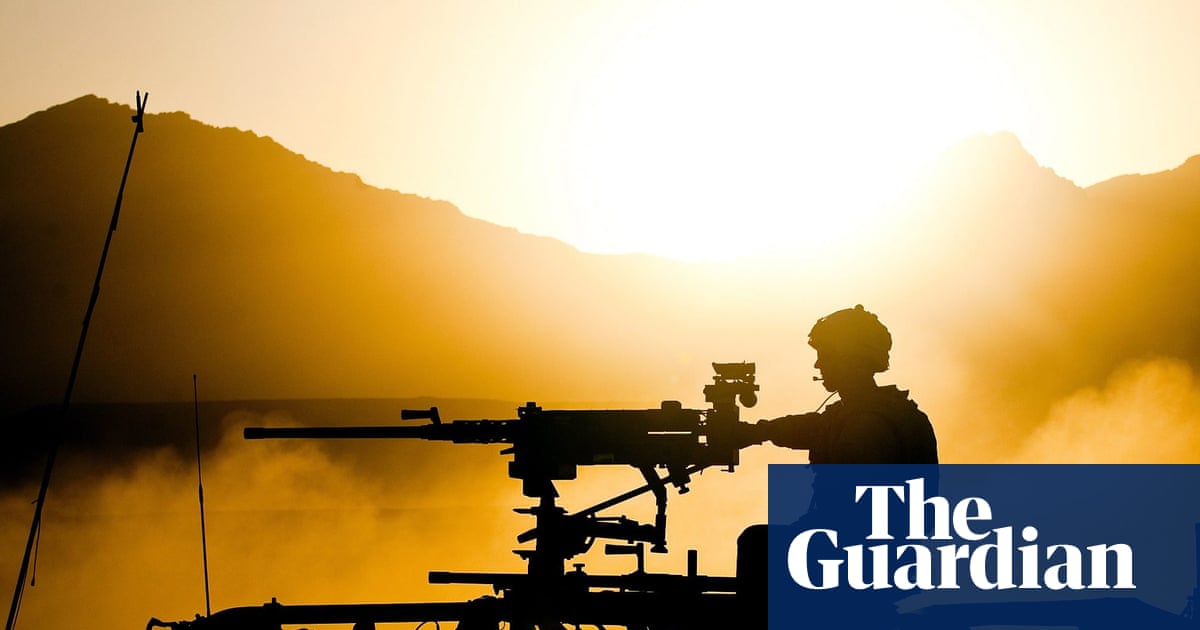
SAS personnel ‘refusing to answer’ questions about alleged extrajudicial killings in Afghanistan
Judge leading UK inquiry says most operators using privilege against self-incrimination to refuse to provide information
Most SAS personnel approached by an inquiry into alleged extrajudicial killings in Afghanistan have refused to answer any questions, the judge leading the proceedings has said.
Lord Justice Haddon-Cave is investigating allegations of more than 50 summary killings by UK special forces soldiers as well as claims of an alleged cover-up of illegal activity and inadequate investigations by the Royal Military Police.
In a public hearing, Haddon-Cave said a number of rule 9 requests – written notices asking for information – had been sent to SAS operators who were linked to the deliberate detention operations (DDOs) at the centre of allegations.
“The inquiry has identified numerous SAS personnel from whom it wishes to hear direct evidence as to the DDOs in question and has issued rule 9 requests for information to each of them,” he said.
“A high proportion have indicated their intention to rely on their privilege against self-incrimination and have refused to answer any questions asked by the inquiry.”
While journalists always make a scene when witnesses take that position, it is important to remember that, in law, absolutely nothing can be inferred from the refusal to answer a question on the basis of that privilege. A witness who, in fact, has done nothing wrong, can use that privilege to refuse to answer a question whose potential answer (not the one the witness would give because factually innocent) for anyone guilty might serve to incriminate such guilty person.
I have won two objections to evidence of such use of privilege being used as an inference of guilt all the way to Court of Appeals level.
This site uses cookies to help personalise content, tailor your experience and to keep you logged in if you register.
By continuing to use this site, you are consenting to our use of cookies.