I kinda thought it was about deterring totalitarian regimes but hey... what do I know

What Counts as Defence? The Case for Climate Adaptation in NATO’s 1.5% Commitment
NATO has consistently recognized climate change as a profound security threat. Yet when Allies convened at The Hague in 2025 to commit to what is perhaps their most ambitious defence spending target in history, climate adaptation was conspicuously absent from the conversation.
The new framework targets 5% of GDP annually by 2035, introducing a new 1.5% GDP category for defence-related resilience spending whose scope remains largely undefined, raising a crucial policy question: what should count?
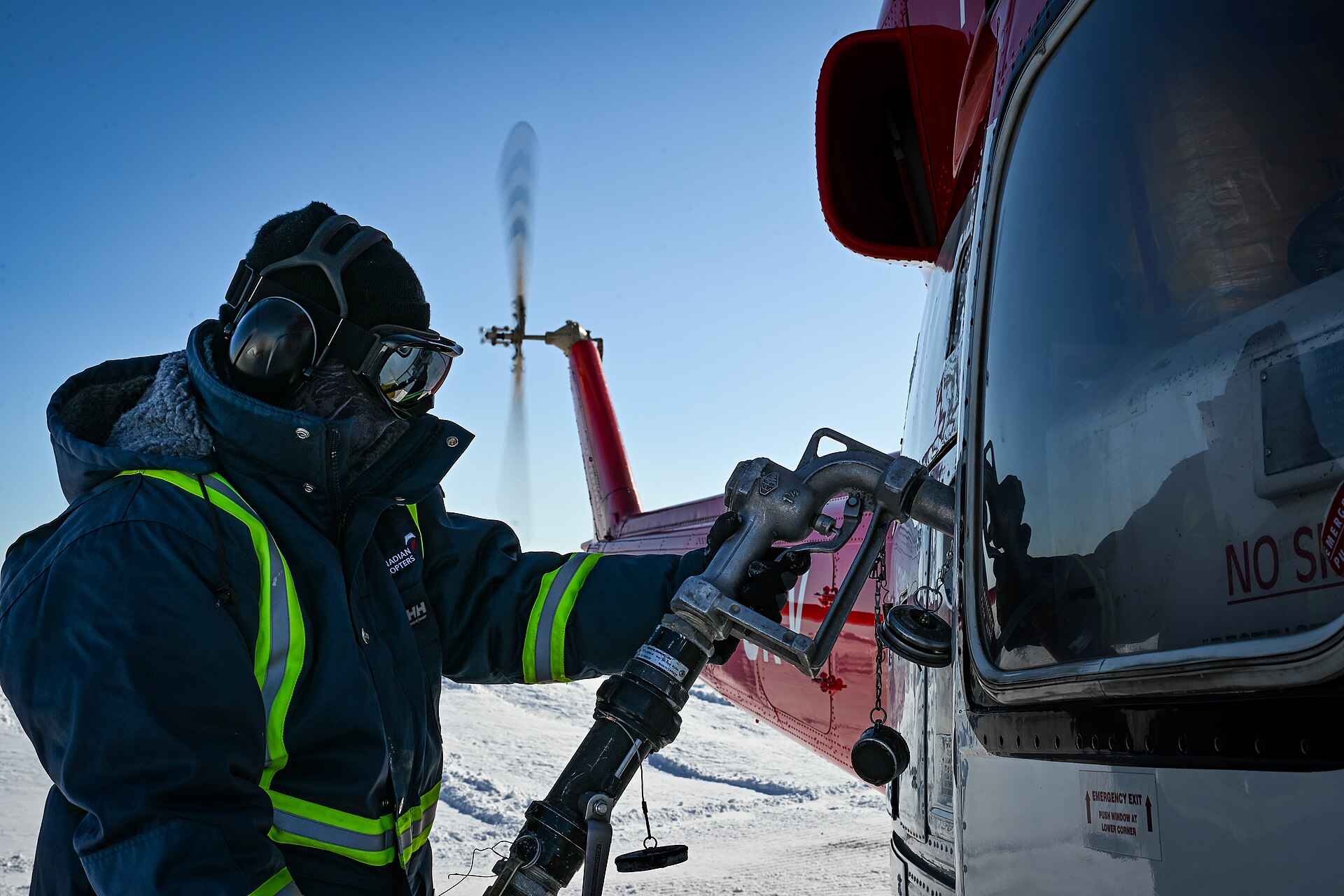
Given NATO’s own recognition of climate change as a direct threat to military readiness, infrastructure, and operational effectiveness, the Alliance should formally recognize climate adaptation as eligible spending within the 1.5% framework, particularly as Allies prepare for the plan’s 2029 review. Canada, as host of NATO’s Climate Change and Security Centre of Excellence (
CCASCOE), is institutionally well positioned to lead this push within the Alliance and would benefit strategically as an Arctic country facing growing climate-driven security threats.
An Ambiguous Spending Category
The 1.5% defence spending category remains largely open-ended and therefore offers a crucial policy opening.
The Hague Declaration describes the category as ancillary, aiming to “protect our critical infrastructure, defend our networks, ensure our civil preparedness and resilience, unleash innovation, and strengthen our defence industrial base.” Beyond this general language, however, NATO has provided
no further guidance on what expenditures qualify – in contrast to the 3.5% requirement, which the communiqué explicitly ties to direct military planning and NATO Capability Targets.
What should count as defence investment in an era of climate-driven insecurity? In this article, Olly Griesbach argues that NATO’s new and largely undefined 1.5% resilience spending category offers a crucial policy opening to formally recognize climate adaptation, and that Canada is uniquely...

natoassociation.ca