• Thanks for stopping by. Logging in to a registered account will remove all generic ads. Please reach out with any questions or concerns.

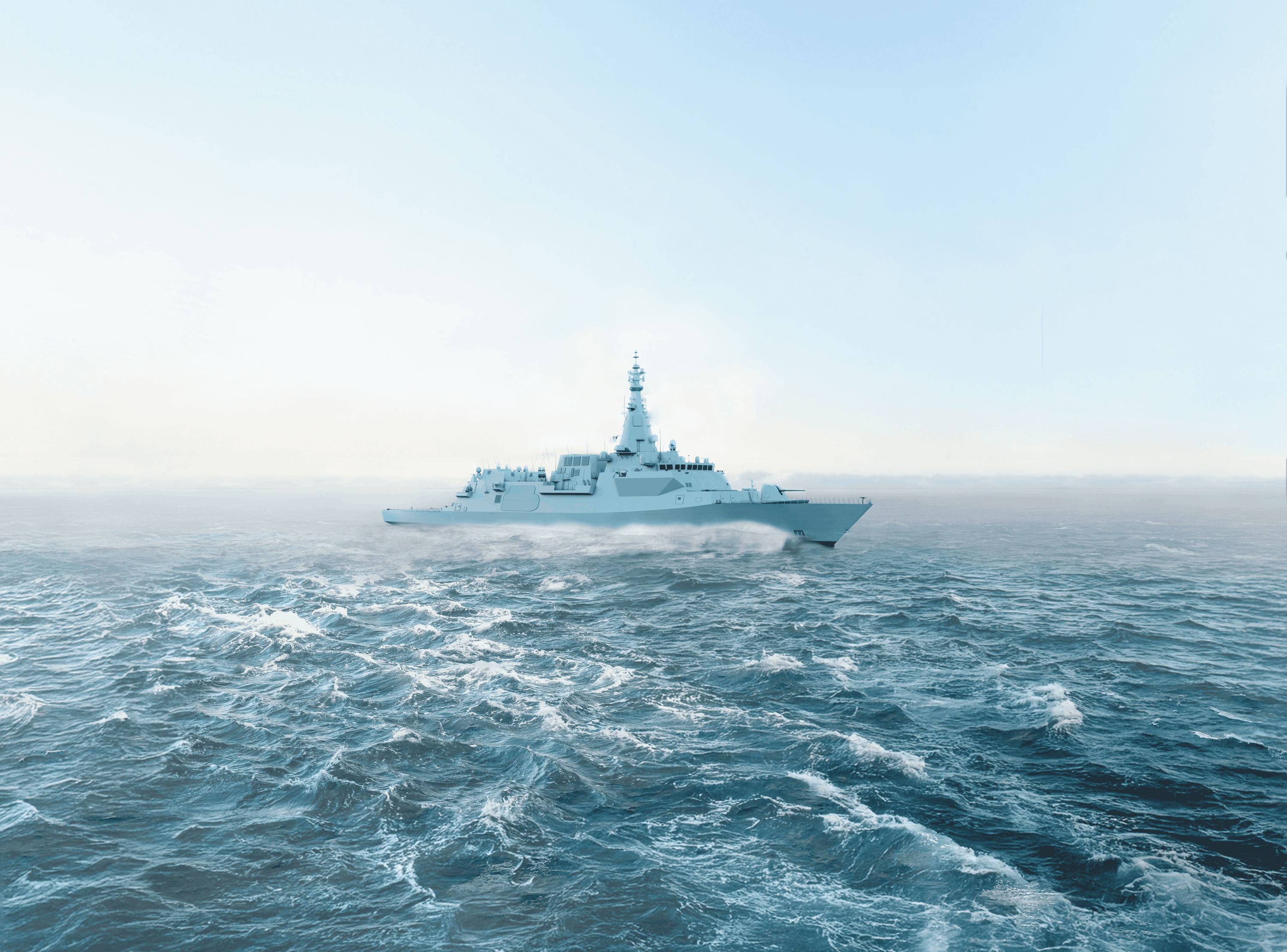
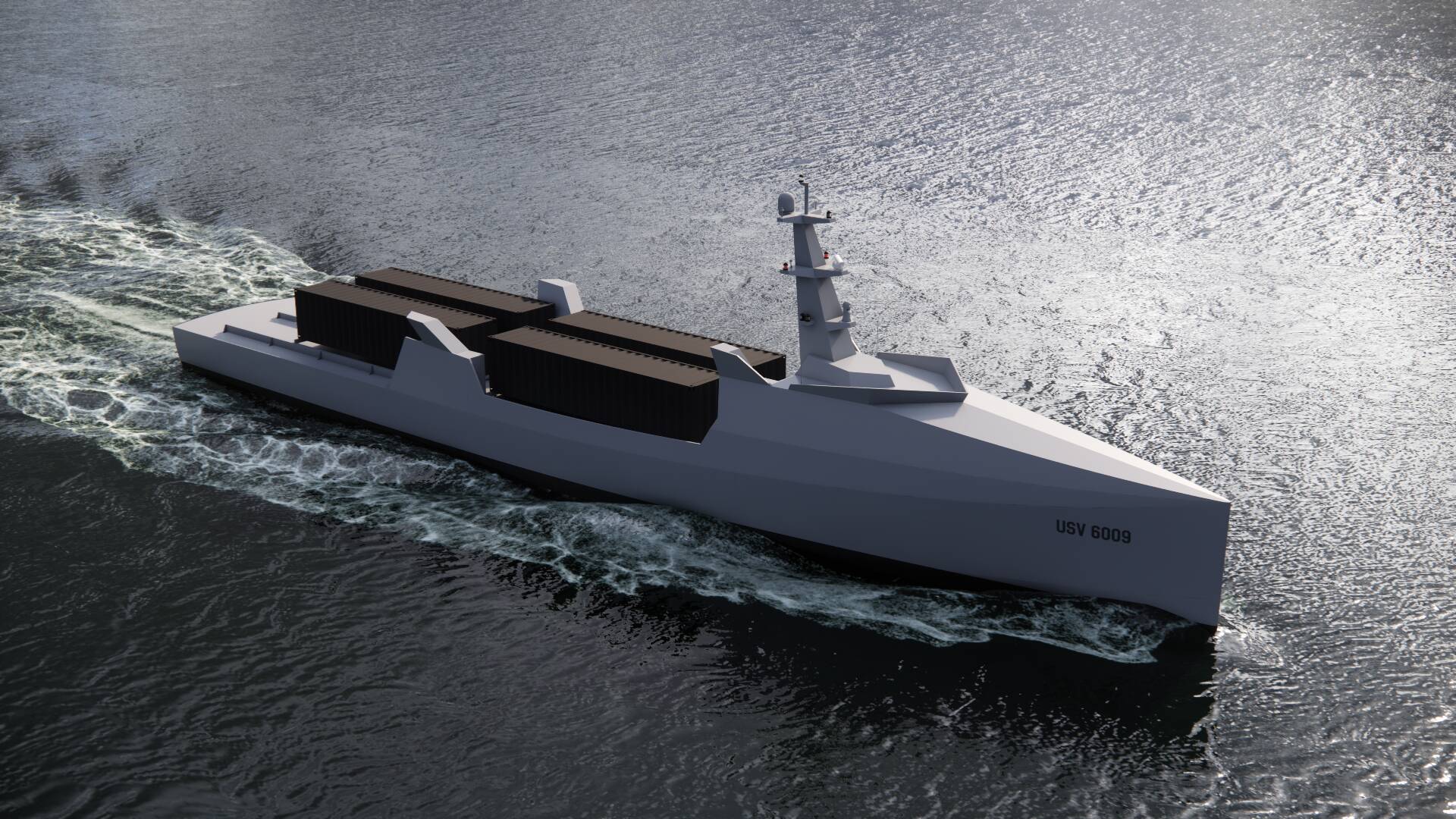
Continental Defence Corvette

@Navy_Pete , don't you think that if we could get a couple CDC with capabilities similar (or close) to the HALs in, say three yeas from now, there wouldn't be a HAL nearing 35 that would be in such bad shape that it could retire? In view of the differences in manning levels mentioned, one Hal should provide for two CDC.

That means you could retire one HAL to send it's crew to retrain for one of the RCD and at the same time, retire another HAL to split it's crew between two CDC. That way, you keep the number of hulls available and the number of sailors required stable through receiving the first six RCDs. After that, it becomes a matter of whether we managed to grow the manning pool sufficiently in that 10-12 years interval to be able to man the RCDs as they come online without reducing the number of CDCs (which would be twelve by then) or if we start mothballing or selling to allies the CDCs.
 
@Navy_Pete , don't you think that if we could get a couple CDC with capabilities similar (or close) to the HALs in, say three yeas from now, there wouldn't be a HAL nearing 35 that would be in such bad shape that it could retire? In view of the differences in manning levels mentioned, one Hal should provide for two CDC.

That means you could retire one HAL to send it's crew to retrain for one of the RCD and at the same time, retire another HAL to split it's crew between two CDC. That way, you keep the number of hulls available and the number of sailors required stable through receiving the first six RCDs. After that, it becomes a matter of whether we managed to grow the manning pool sufficiently in that 10-12 years interval to be able to man the RCDs as they come online without reducing the number of CDCs (which would be twelve by then) or if we start mothballing or selling to allies the CDCs.
Sure, that would be a good option, but would still require a ramp up on the training, LCMM, and contracting support side to take on another class, which are all currently understaffed areas we're way behind on.

I think the concept of CDC is fine, I think that the brass is way too focused on the shiny sexy bits and are ignoring all the boring things that are absolutely critical to delivery and sustain actual capabilities. Even just basic things like figuring out the SOPs for the crew to use for basic things is something we're still fairly behind on for AOPs, and we're now 6 ships in.
 
How much money have we spent trying to get one platform to do two jobs in a halfassed fashion when we could have bought two platforms that actually worked?
I think it’s important to point out that the RCD came from an era where the RCN was still on a starvation budget, and thus homogenizing the combatant force was almost required to even function. The RCN had to deal with a large logistical and training footprint in the Cold War with multiple combatant types, so this was one of the reasons for the centralization to a single class. Even going forward in a world where additional manpower, effort and funding are present, limiting the amount of different supply chains, logistical hurdles and training pipelines is still very important.

In an ideal world, Canada would have designed the ship we wanted from the ground up. We sadly lost the expertise to even design ships following the Halifax class, let alone a high end and world class combatant on the level of the Type 26.

"Just buying two platforms that works" is fine until you run into the inevitable issue of one type of ship being stuck out of action when its required most, look at the Royal Navy and their Type 45 Destroyers to see what I'm talking about. A lot of the competitors in the RCD RFP were frankly old designs bordering on entirely outdated, and unsuited to the task.

RCD has its issues, but a split fleet has its own issues, especially when you look at what our options were.

Fair points, and I agree that CDC today is unfunded, fluid, and at risk — and that under current policy constraints a CPF → RCD gap is probably unavoidable.

Where I see CDC as interesting is less as a “Halifax-lite” and more as a minimum-viable combatant: an upgrade over Kingston that gets hulls in the water sooner, keeps crews trained and current, and cuts Canadian steel. If pursued as net-new capacity rather than displacing existing NSS work, it could also reduce single-yard concentration risk.

Even with a narrower initial capability, those gaps are generally easier to close over time than regenerating ships, sailors, and options once they’re gone. Framed that way, CDC looks less like a perfect solution and more like a practical hedge against fleet risk we already know is coming.
I would argue that given the current threat environment and how many technologies are developing, the CDC as it sits really is already a "minimum viable combatant". A small main gun, a handful of missiles for self defence, a decent radar/CMS to manage sensor inputs, decoys/EW to act as a backstop, anti-boat/drone guns and a hull that can carry all of this to the locations we need at home or abroad. I think one could argue that the CPF isn't much of a combatant as of 2026, and that a minimum viable combatant needs systems even better to be relevant in the future against even lower tier threats abroad and at home.

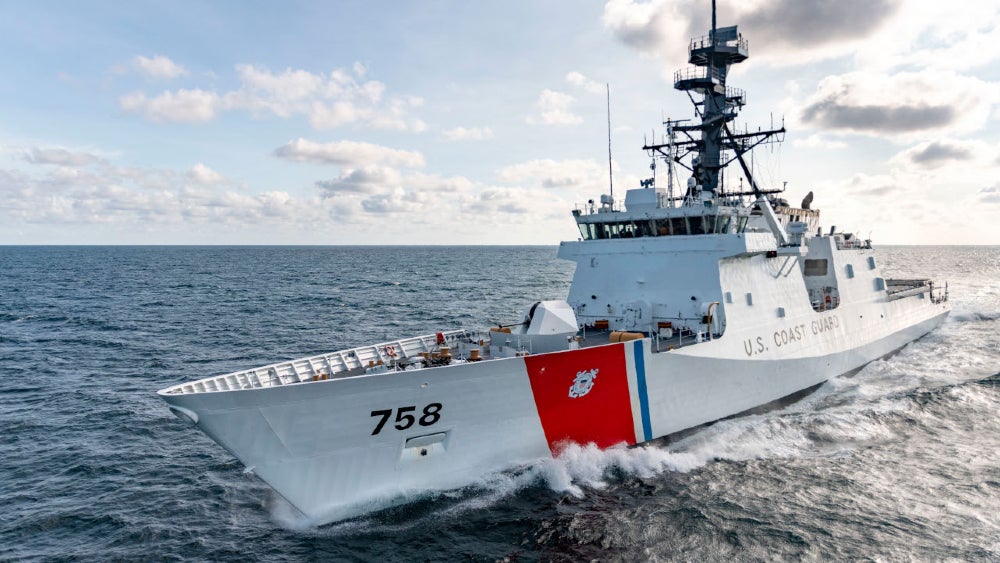
Simply putting a gun and a navigation radar onto an OPV does not make a minimum viable combatant in 2026.

Topshee seems entirely uninterested in what you are proposing, something more similar to a straight Kingston replacement. He says the RCN will build, buy or seize these sorts of vessels from private interests if required, and he doesn't want to waste his resources actively procuring them instead of what he needs.
 
Actually we lost the ability to design in house just after we completed the 280's. And to be honest I suspect a fair bit of the City class design probably went out of country.
 
I think it’s important to point out that the RCD came from an era where the RCN was still on a starvation budget, and thus homogenizing the combatant force was almost required to even function. The RCN had to deal with a large logistical and training footprint in the Cold War with multiple combatant types, so this was one of the reasons for the centralization to a single class. Even going forward in a world where additional manpower, effort and funding are present, limiting the amount of different supply chains, logistical hurdles and training pipelines is still very important.

In an ideal world, Canada would have designed the ship we wanted from the ground up. We sadly lost the expertise to even design ships following the Halifax class, let alone a high end and world class combatant on the level of the Type 26.

"Just buying two platforms that works" is fine until you run into the inevitable issue of one type of ship being stuck out of action when its required most, look at the Royal Navy and their Type 45 Destroyers to see what I'm talking about. A lot of the competitors in the RCD RFP were frankly old designs bordering on entirely outdated, and unsuited to the task.

RCD has its issues, but a split fleet has its own issues, especially when you look at what our options were.


I would argue that given the current threat environment and how many technologies are developing, the CDC as it sits really is already a "minimum viable combatant". A small main gun, a handful of missiles for self defence, a decent radar/CMS to manage sensor inputs, decoys/EW to act as a backstop, anti-boat/drone guns and a hull that can carry all of this to the locations we need at home or abroad. I think one could argue that the CPF isn't much of a combatant as of 2026, and that a minimum viable combatant needs systems even better to be relevant in the future against even lower tier threats abroad and at home.

Simply putting a gun and a navigation radar onto an OPV does not make a minimum viable combatant in 2026.

Topshee seems entirely uninterested in what you are proposing, something more similar to a straight Kingston replacement. He says the RCN will build, buy or seize these sorts of vessels from private interests if required, and he doesn't want to waste his resources actively procuring them instead of what he needs.

I accept that the issue is money and money comes from taxpayers via politicians and bureaucrats.

I just think that communally the system has ended up embracing a lot of false economies.
 
Back
Top