• Thanks for stopping by. Logging in to a registered account will remove all generic ads. Please reach out with any questions or concerns.

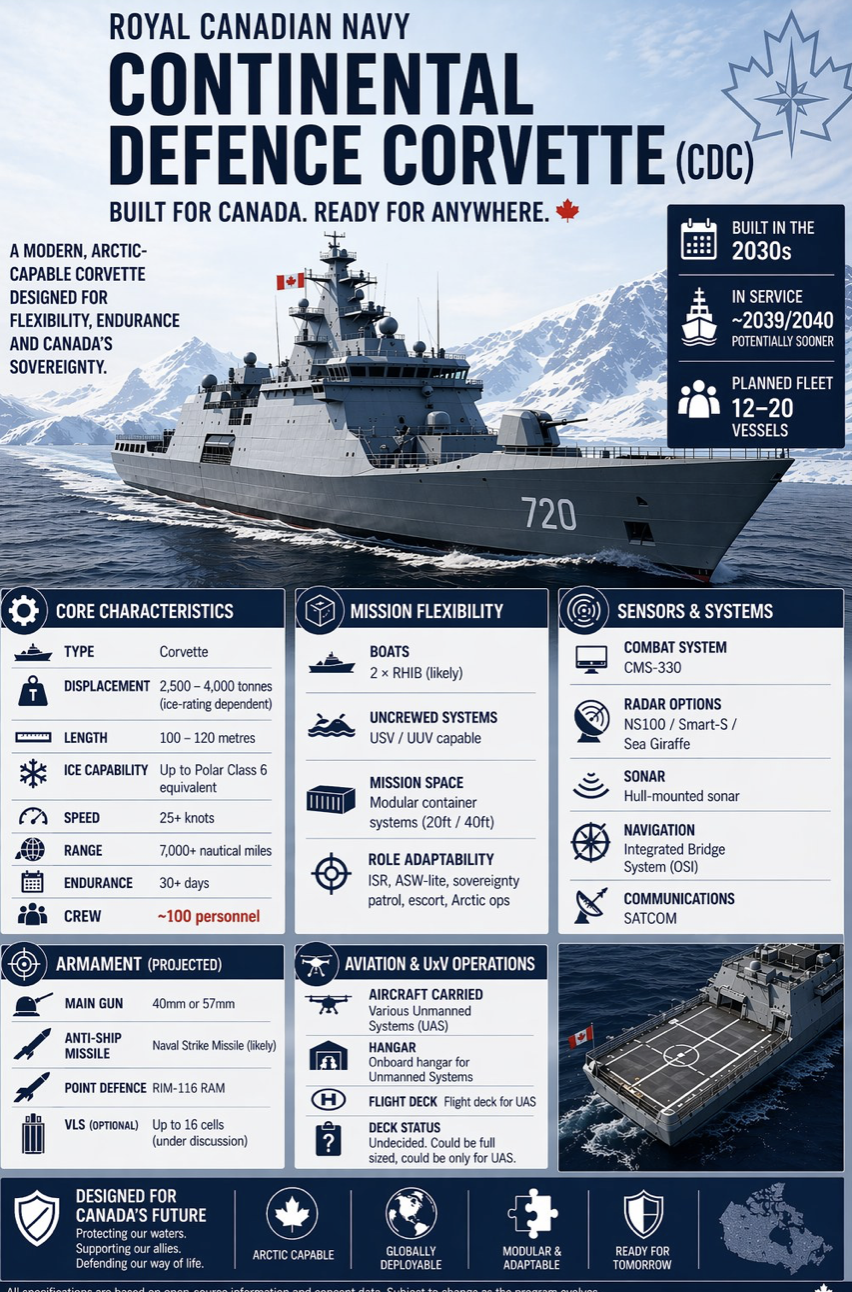
Continental Defence Corvette

And yet we still have them in preference to light ships and manned light houses.

Sometimes it is the least worst.
It's not in preference. It's the right tool for the right job. A lot of navigation aids have to be floating. You cant put a fixed light on top of a lot of dangers or in many places where the fixed one would become a hazard itself (like marking shallows or lanes).
 
It's not in preference. It's the right tool for the right job. A lot of navigation aids have to be floating. You cant put a fixed light on top of a lot of dangers or in many places where the fixed one would become a hazard itself (like marking shallows or lanes).

I think my point is: no matter how we slice it there seems to be an awful lot of attention being paid to uncrewed, automated solutions.

And lots of small units instead of one big one.
 
It was supporting technology that made electric lit buoys possible, first battery tech and then solar. Gas lit buoys were a real headache and dangerous. Light ships were basically big buoys to enable a reliable light. Lighthouses went through the same process, but require less maintenance aas they are fixed, normally 1-2 times a year, however one automated lighthouse required a visit almost every month as the fancy automated fog horn failed again and again. Also at the time CCG was actively getting out of the Navaid business and reduced the numbers of beacons, buoys and lighthouses significantly. That's been reversed as the LNG Terminals TERMPOLS indicated a lack of aids as a major risk factor.
 
Back
Top