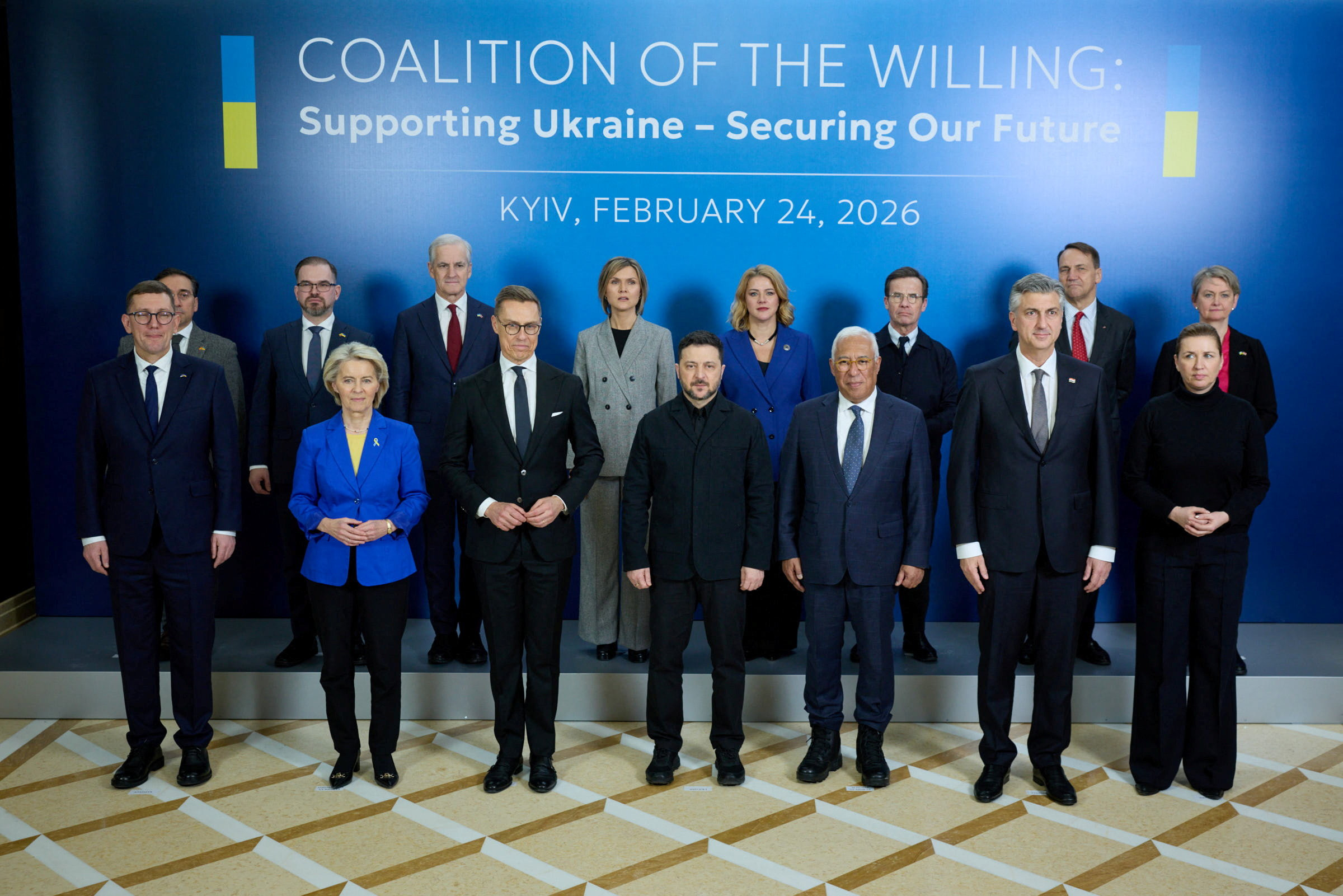
Europe, just doing some Europing....
Europe must not seek Putin’s approval before sending troops to Ukraine
European leaders will not send troops to monitor a ceasefire in Ukraine without first securing permission from Russian leader Vladimir Putin, Britain’s Telegraph reports. The news represents a significant political victory for Russia and comes following a coordinated Kremlin campaign of intimidation designed to deter any European military deployment to Ukraine.
This informal Russian veto over European troops in Ukraine places a key element of the current peace process in jeopardy. Ever since the so-called Coalition of the Willing began to take shape in early 2025, participating countries led by Britain and France have been developing plans to send a significant number of troops to Ukraine following a ceasefire in order to monitor adherence and serve as a reassurance force. However, Putin has consistently signaled that he will not agree to a European military presence, with Kremlin officials stating that any European soldiers sent to Ukraine would be “legitimate targets.”
These threats appear to have worked. With the Coalition of the Willing reportedly unwilling to act unless Putin gives them the green light, the entire concept of a reassurance force is now in doubt. This means that a viable and independently monitored ceasefire in Ukraine looks to be unattainable. All Putin need do to block the process is withhold his approval indefinitely.
European leaders representing Coalition of the Willing countries reportedly reject the idea of sending troops to Ukraine without first securing Russian President Vladimir Putin's approval, writes Stephen Blank.

www.atlanticcouncil.org