
armrdsoul77
Sr. Member
- Reaction score
- 1,042
- Points
- 960
I like the aesthetic of unmanned versions of what were designed to be manned aircraft. Friend or foe? 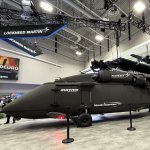
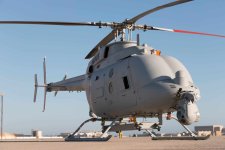
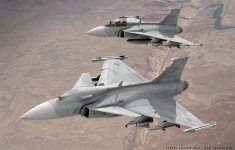




 defence-blog.com
 www.twz.com
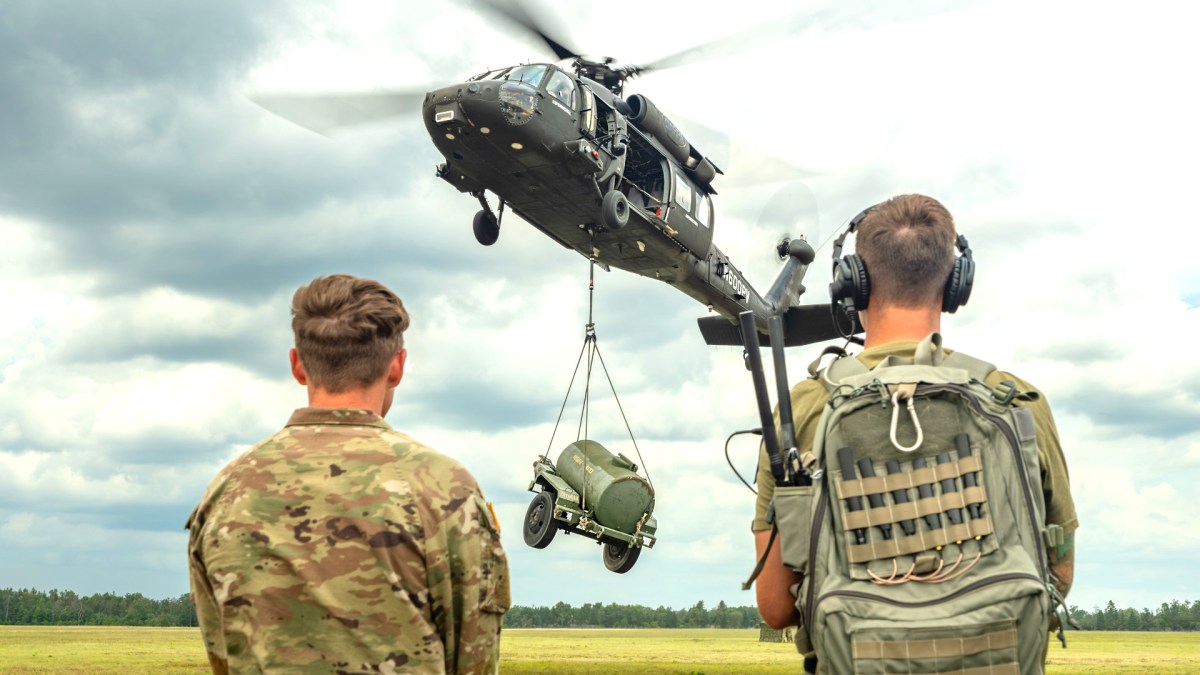
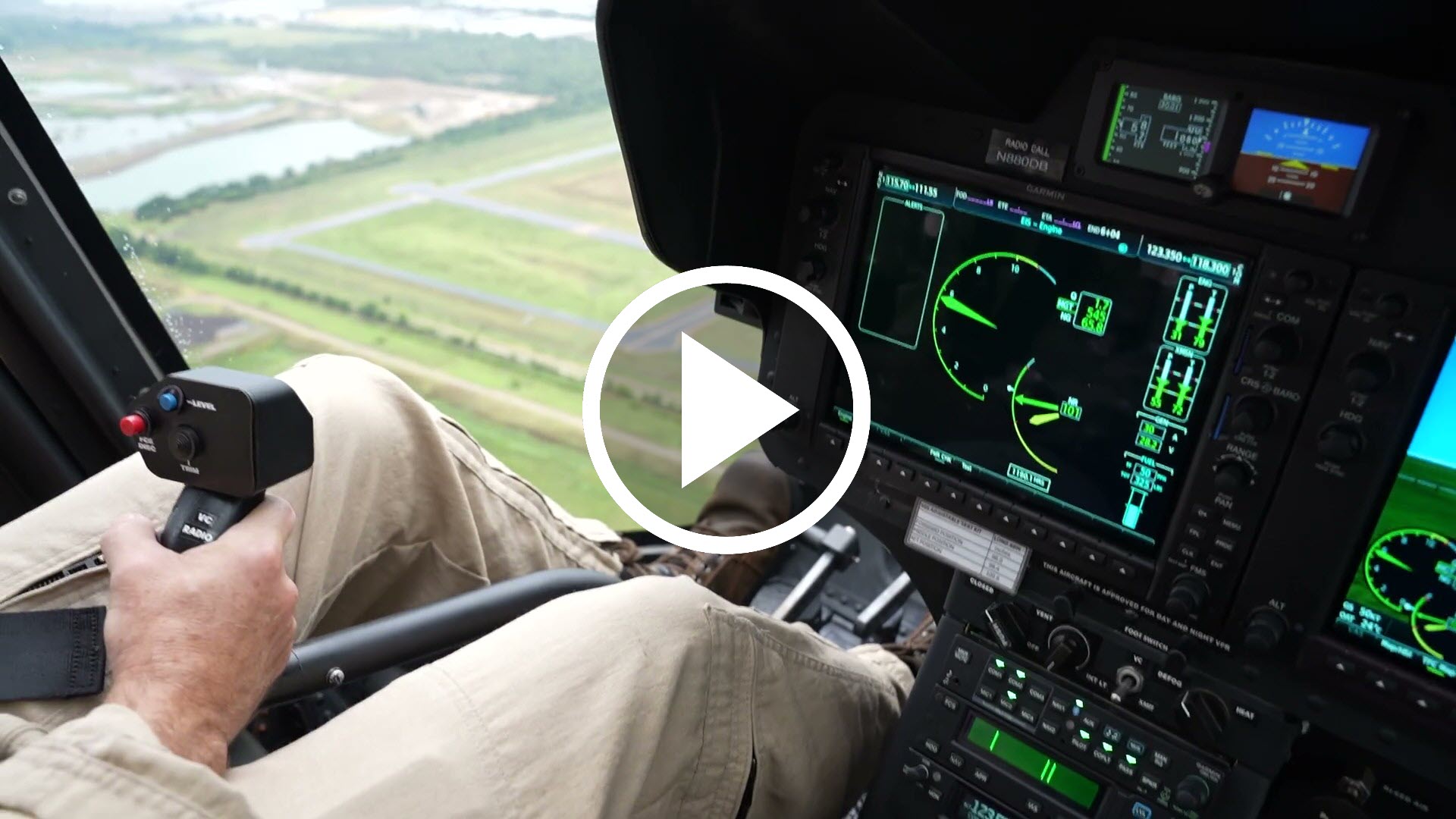
Pilot-Optional UH-60 Black Hawk Put To The Test In U.S. Military Exercise
The OPV Black Hawk showed off new abilities to drop cargo by parachute, move sling-loads, and carry out medical evacuation missions.
Optionally Piloted UH-60 commanded a non-aviator Staff Sergeant with a tablet and an hour's training.
Multiple waypoints, parachute drops and sling loads over 70 km.
And the guys doing the slinging preferred the autopilot to the real thing - more stable in the hover.
I wonder what's considered more offensive the fact that it was unmanned or that it was " flown/ operated by a mere Sargent ?Pilot-Optional UH-60 Black Hawk Put To The Test In U.S. Military Exercise
The OPV Black Hawk showed off new abilities to drop cargo by parachute, move sling-loads, and carry out medical evacuation missions.
Optionally Piloted UH-60 commanded a non-aviator Staff Sergeant with a tablet and an hour's training.
Multiple waypoints, parachute drops and sling loads over 70 km.
And the guys doing the slinging preferred the autopilot to the real thing - more stable in the hover.
 breakingdefense.com
 www.defensenews.com


Although I'm still not convinced that the proper fix for Cyclone, as an isolated situation, is to put money into it and fix it, the stars seem to be aligning into something different. Have MH-60Ms for 427, UH-60s for the rest of the Army (and a significant number of them), MH-60Rs for ASW (somewhere around 28 to replace the Cyclone), and MH-60Ss for other embarked roles (including, hopefully, the AOPS) is starting to make more and more sense.So, the latest edition of SKIES Magazine is out and they are reporting that nTACS program will be divided into three phases (p.62): Phase 1: 427 Special Operations Air Sqn will be getting 18 new helicopters; Phase 2: will be the acquisition of an attack/recce helicopter, and Phase 3: the acquisition of one or more airframes for the Army. (Hat-tip to Noah).
Noah also has a newsletter out looking at nTACS, the CH-146 Griffon and the 427 SOAS replacement and is speculating that the Sikorskys MH-60M is the most likely candidate.
From a fleet management, sustainment, and personnel generation perspective, definitely.Although I'm still not convinced that the proper fix for Cyclone, as an isolated situation, is to put money into it and fix it, the stars seem to be aligning into something different. Have MH-60Ms for 427, UH-60s for the rest of the Army (and a significant number of them), MH-60Rs for ASW (somewhere around 28 to replace the Cyclone), and MH-60Ss for other embarked roles (including, hopefully, the AOPS) is starting to make more and more sense.

You are not wrong.From a fleet management, sustainment, and personnel generation perspective, definitely.
A major problem space (right now) is a strong desire to reduce reliance on one nation for military equipment... And buying conservatively 200+ helicopters for all those roles risks becoming A Thing.
Cries in Bell Helicopter (Mirabel).You are not wrong.
But, if not Lockmart/Boeing helicopters- then who? Leonardo? NH Industries? Nobody is easy to work with in this space.
Listen, replacing 100 Bell helicopters that everyone acknowledges cannot do the job with more Bell helicopters is not the flex that you think it is….Cries in Bell Helicopter (Mirabel).

Would it make sense for the TacHel units to get MH-60S's instead of UH-60's to give additional commonality (identical engine to the MH-60R) and then then entire utility fleet would be marinized to be able to use the AOPS/JSS as "lily pads" for joint operations.Although I'm still not convinced that the proper fix for Cyclone, as an isolated situation, is to put money into it and fix it, the stars seem to be aligning into something different. Have MH-60Ms for 427, UH-60s for the rest of the Army (and a significant number of them), MH-60Rs for ASW (somewhere around 28 to replace the Cyclone), and MH-60Ss for other embarked roles (including, hopefully, the AOPS) is starting to make more and more sense.

Yet they will cry foul if anything but their product is chosen. When they do, toss them a bone and buy 12 helicopters from them, paint them grey and lease them through TC to the DND to support AOP's domestic duties in the North.Listen, replacing 100 Bell helicopters that everyone acknowledges cannot do the job with more Bell helicopters is not the flex that you think it is….
The Griffon is the LSVW of the RCAF. Discuss.Listen, replacing 100 Bell helicopters that everyone acknowledges cannot do the job with more Bell helicopters is not the flex that you think it is….

Mothership Textron can solve that by licensing the UH-1Y fabrication as a commercial variant, to resolve the BHTI and BHTC separation of church and state.Cries in Bell Helicopter (Mirabel).
Would it make sense for the TacHel units to get MH-60S's instead of UH-60's to give additional commonality (identical engine to the MH-60R) and then then entire utility fleet would be marinized to be able to use the AOPS/JSS as "lily pads" for joint operations.
I'm sure the MH-60S is more expensive than the UH-60 but the ability to deploy any airframe in the fleet aboard ship if required and all having the same glass cockpit might be worth it.
I'm past having to care about those things, but I'm well aware those are the things that will drive any decision. It will no thelp that Sikorsky is a wholly owned subsidary of LockMart.From a fleet management, sustainment, and personnel generation perspective, definitely.
A major problem space (right now) is a strong desire to reduce reliance on one nation for military equipment... And buying conservatively 200+ helicopters for all those roles risks becoming A Thing.
It is not that bad. The brakes are nowhere near as squeaky.The Griffon is the LSVW of the RCAF. Discuss.


