• Thanks for stopping by. Logging in to a registered account will remove all generic ads. Please reach out with any questions or concerns.

GBAD - The return of 'FOBS'

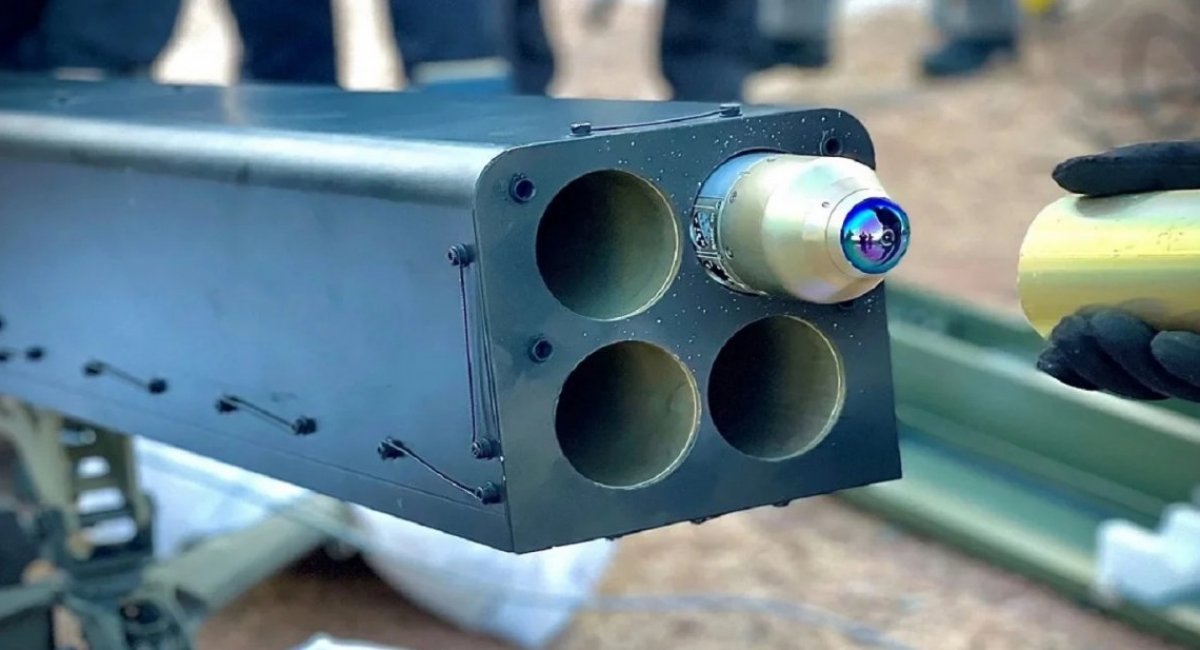
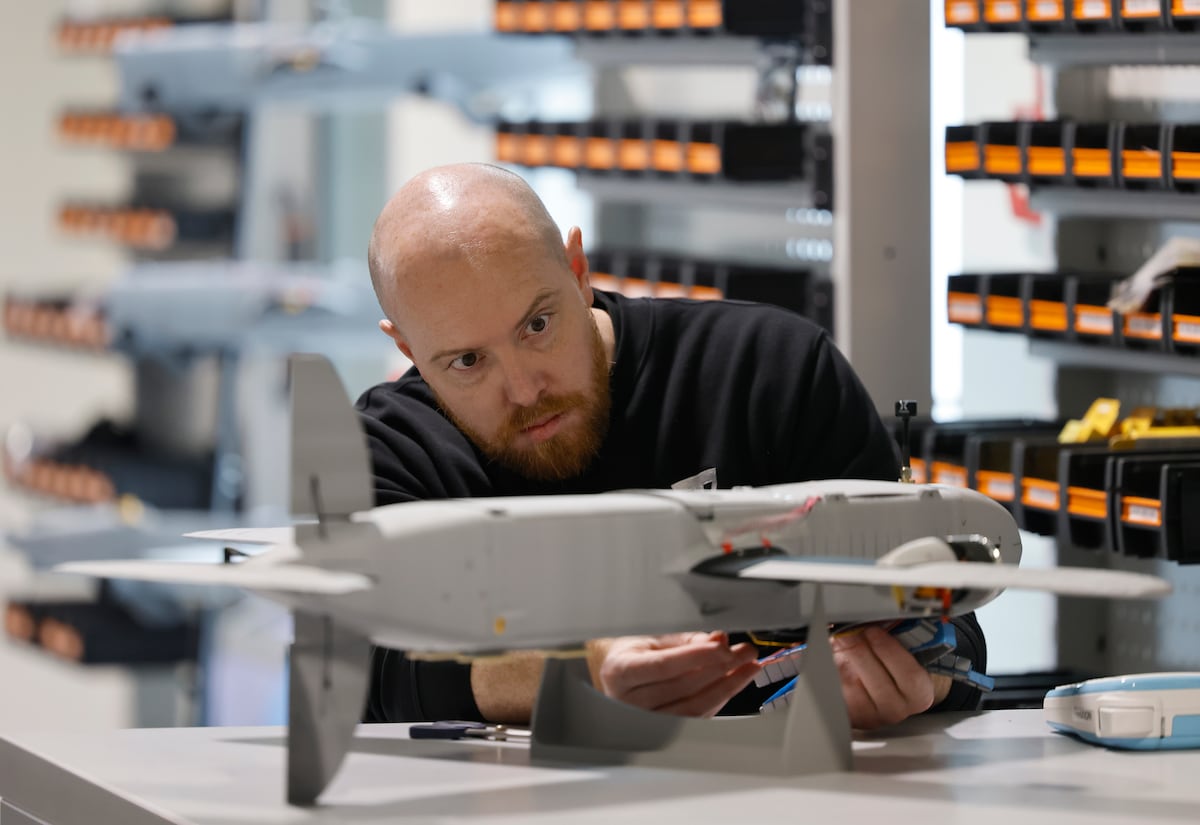
Thales Euro derivations of the APKWS II Hydra 70.

The APKWS II takes the standard 70mm Hydra 70 unguided rocket with a 10 or 17 pounder HE warhead and a proximity fuse and adds the APKWS II laser guidance system to allow the operator to steer the rocket to the general vicinity of the target and let the proximity fuse take over.

The Thales version is the LGR275 Proxy, or FZ 275 LGR.

But Thales has added a new warhead. The FZ123 disperses 6500 tungsten pellets in a cloud.


@FJAG

How should we parse this one?

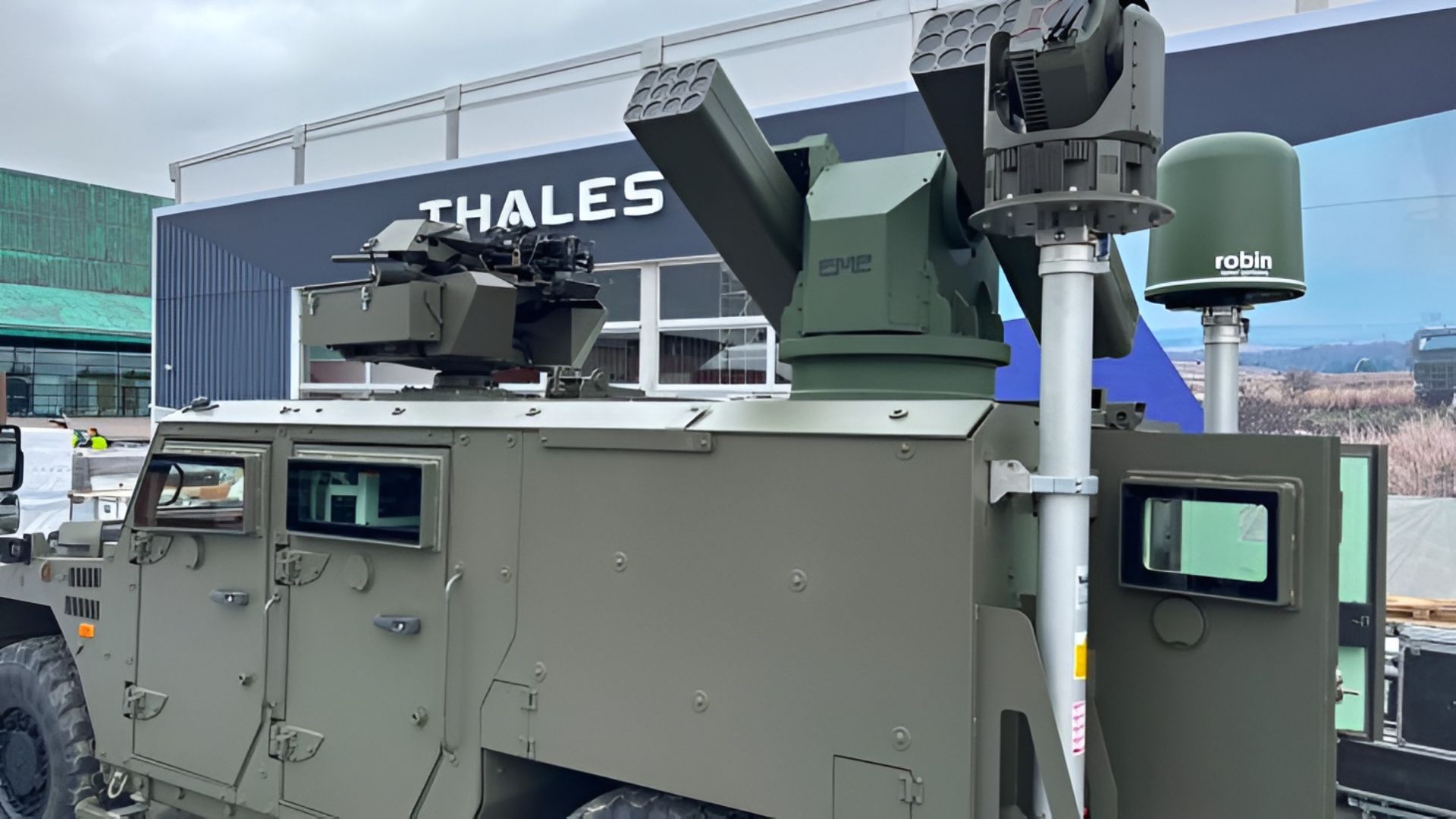
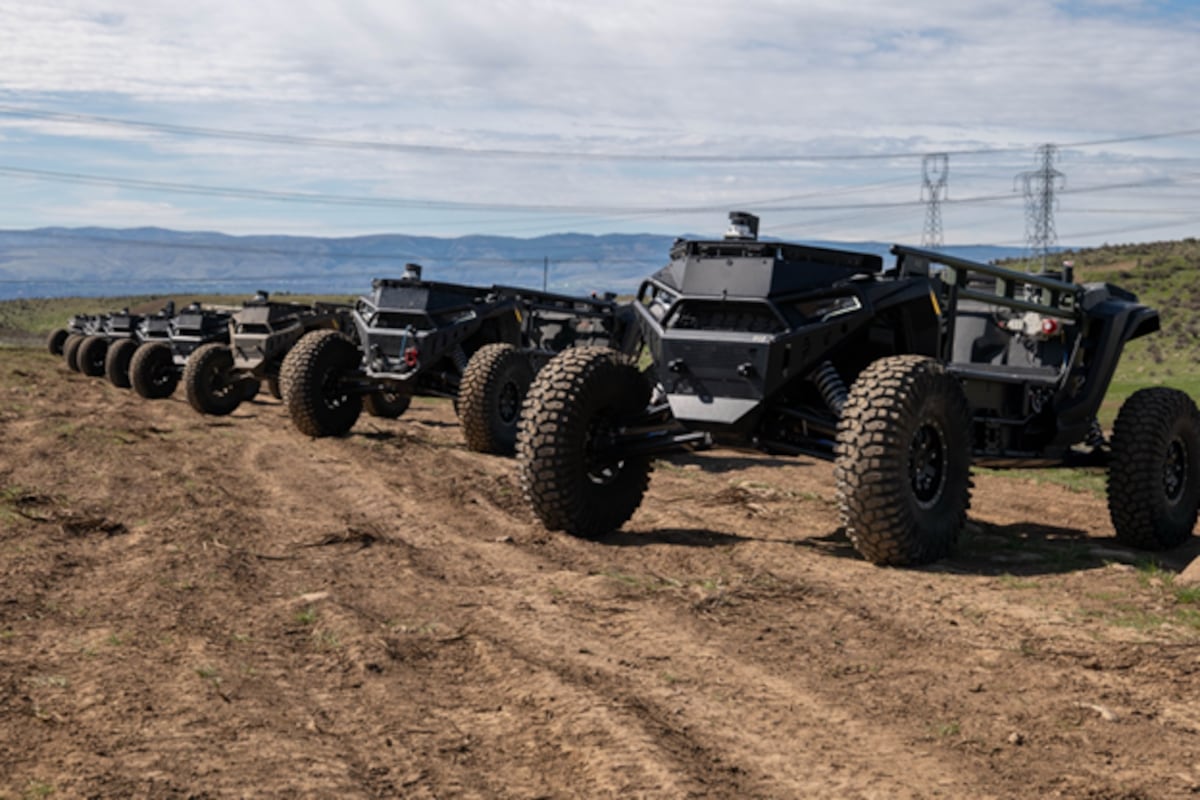
One vevicle, one mission but many sensors and weapons?


"Rather than relying on a single weapon, RapidStriker gives operators several ways to engage a target. The system pairs its sensors with automated fire control before cueing the most suitable effector for the mission.

"Operators can deploy guided or unguided 68 mm and 70 mm rockets. Small-caliber cannons and remotely operated munitions can also be integrated depending on operational needs."
 
@FJAG

How should we parse this one?

One vevicle, one mission but many sensors and weapons?


"Rather than relying on a single weapon, RapidStriker gives operators several ways to engage a target. The system pairs its sensors with automated fire control before cueing the most suitable effector for the mission.

"Operators can deploy guided or unguided 68 mm and 70 mm rockets. Small-caliber cannons and remotely operated munitions can also be integrated depending on operational needs."
You see, that's a system that I could buy into. The ability to deal with lower level drone and helicopter systems with the appropriate sensors and effectors on one vehicle makes sense - especially for point or small area defence in forward areas.

Everything was fine until the last sentence which threw in a gratuitous "Beyond counter-drone missions, they support precision strikes against ground targets and provide saturation fire when troops require broader area effects" - puffery.

🍻
 
You see, that's a system that I could buy into. The ability to deal with lower level drone and helicopter systems with the appropriate sensors and effectors on one vehicle makes sense - especially for point or small area defence in forward areas.

Everything was fine until the last sentence which threw in a gratuitous "Beyond counter-drone missions, they support precision strikes against ground targets and provide saturation fire when troops require broader area effects" - puffery.

🍻

Was the application of the LAA 20mm and 35mm cannons to the ground role at Goose Green, mere puffery?

And yes, I am being tendentious! 😁
 
Jocularity aside. From the stand point of an infantry battalion where everything is likely to be encountered and everything has to be carried on your back, then multi-role solutions have a lot of merit.

One weapon that can defeat three targets is preferable, in my opinion, to three weapons that require specialist crews with specialist training and their own logistics requirement.

The caveat is that the weapon needs to be simple and reliable and not cluttered with byzantine ornamentation.
 
Jocularity aside. From the stand point of an infantry battalion where everything is likely to be encountered and everything has to be carried on your back, then multi-role solutions have a lot of merit.

One weapon that can defeat three targets is preferable, in my opinion, to three weapons that require specialist crews with specialist training and their own logistics requirement.

The caveat is that the weapon needs to be simple and reliable and not cluttered with byzantine ornamentation.
Believe me that a system which has a radar, c2 computer and control components, two different weapon systems (gun and missile) and specialized maintenance requirements then it will need a specialist crew and a specialized care and feeding system behind it, not merely for the operation of the vehicle but also its tactical employment.

I'm not saying that you can't train an infantryman to do the job but it is a specialist's job. Once you get to that state one can argue ad infinitum as to whether it should be an air defenders job or a specialist infantryman's job, but regardless, its a specialist.

One of the simple rules of life is that you do not want to overburden the folks who have the hard job of fighting the infantry battle with having to have too many assets to divert their attention. Where you want them is to be secure in the fact that someone else is looking after that issue so they can get on with the job. That's the difference between the application of direct fire in the two-dimensional ground battle and the application of weapons in the third dimension air space and the over the horizon indirect fire role.

It's just stuff that magically happens. Yup. There are places where it interfaces closely and the question of who manages that particular effect can be legitimately debated, but at the end of the day you want to make the company or platoon commander's job as easy as possible.

🍻
 
Believe me that a system which has a radar, c2 computer and control components, two different weapon systems (gun and missile) and specialized maintenance requirements then it will need a specialist crew and a specialized care and feeding system behind it, not merely for the operation of the vehicle but also its tactical employment.

I'm not saying that you can't train an infantryman to do the job but it is a specialist's job. Once you get to that state one can argue ad infinitum as to whether it should be an air defenders job or a specialist infantryman's job, but regardless, its a specialist.

One of the simple rules of life is that you do not want to overburden the folks who have the hard job of fighting the infantry battle with having to have too many assets to divert their attention. Where you want them is to be secure in the fact that someone else is looking after that issue so they can get on with the job. That's the difference between the application of direct fire in the two-dimensional ground battle and the application of weapons in the third dimension air space and the over the horizon indirect fire role.

It's just stuff that magically happens. Yup. There are places where it interfaces closely and the question of who manages that particular effect can be legitimately debated, but at the end of the day you want to make the company or platoon commander's job as easy as possible.

🍻

I agree with you. It is not an infanteers job.
I would also tend to thinking that any vehicle of that size should not be on the battalion's kit list but should be attached when and as.

My point wrt the infantry is that the Support Coy, Heavy Weapons Coy, Coy Wpns Plts should be as broad spectrum as possible.

EG - rather than an DFS platoon, an MG platoon and an Anti-Air platoon, a couple of platoons that can address all three tasks with the same weapons system would, in my opinion, be better.
 
Back
Top