• Thanks for stopping by. Logging in to a registered account will remove all generic ads. Please reach out with any questions or concerns.

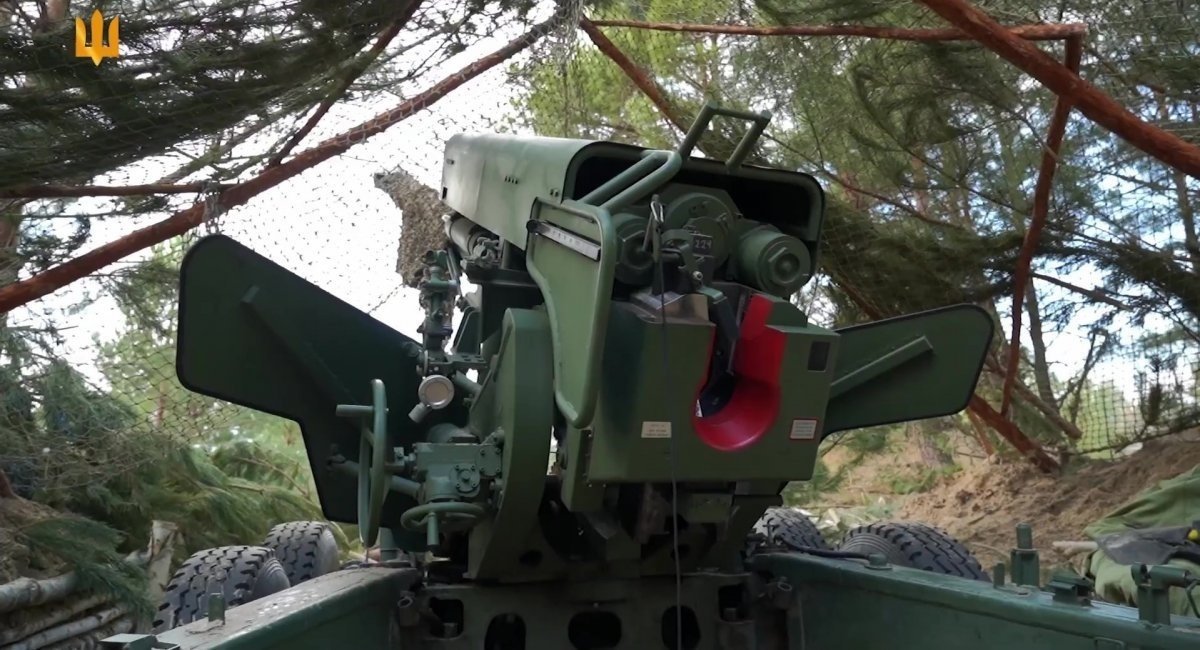
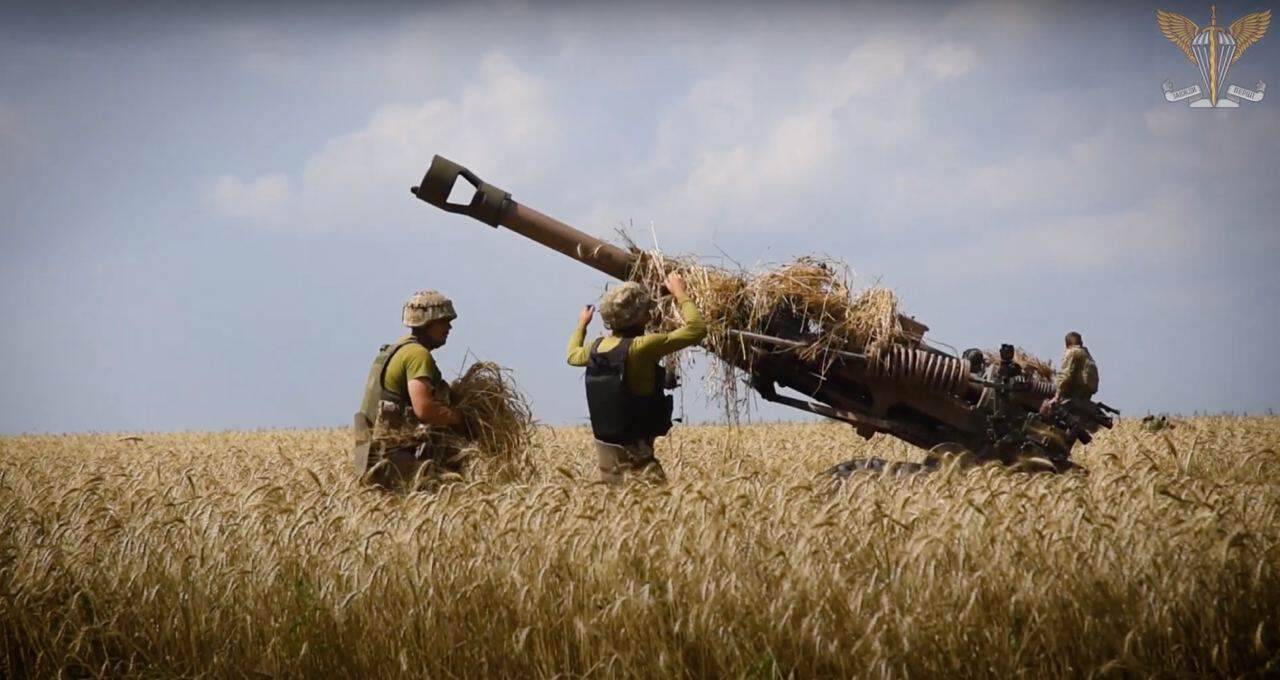
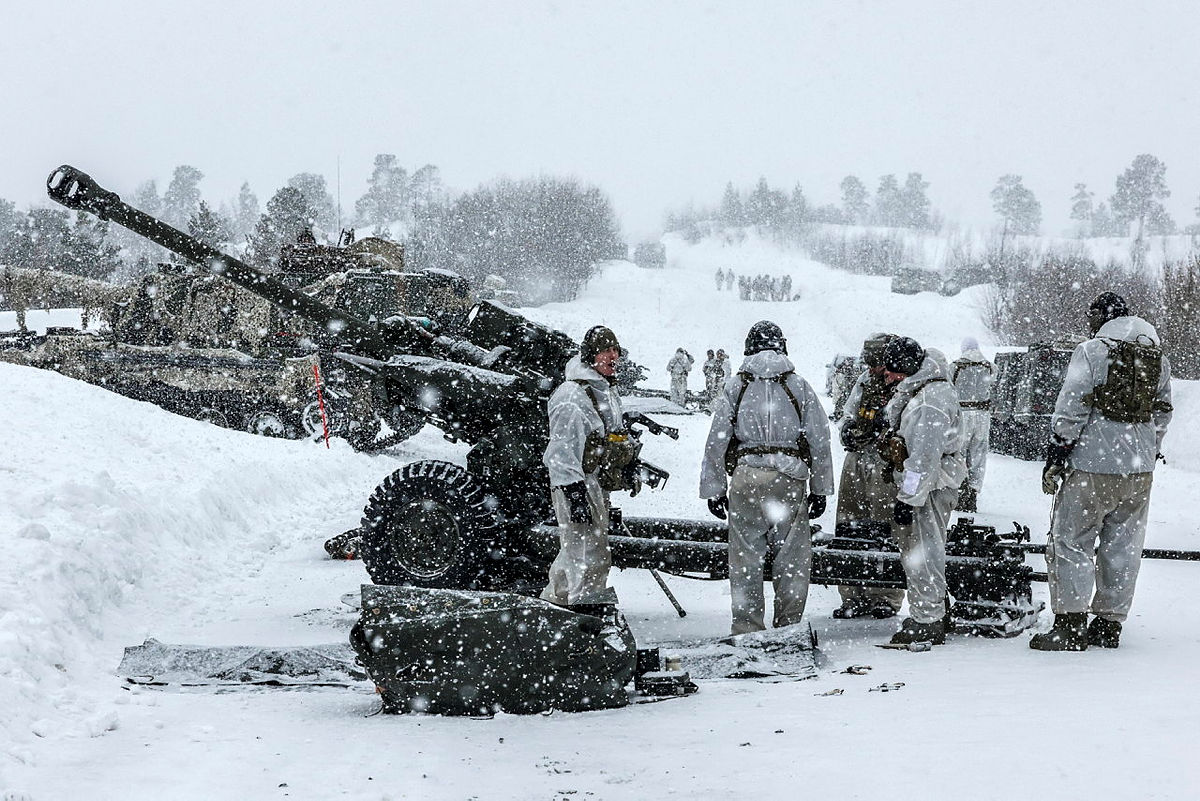
Indirect Fires Modernization Project - C3/M777 Replacement

Well keep in mind that originally this Administration was cancelling the A7 and Ammo Limber (and a bunch of other Artillery programs). So while I really hope the A8 comes quickly. I will take the small win on the A7 to keep Artillery alive.
At this rate you folks will be buying K9s and MGS on Boxer (or LAV 10X10).

🍻
 

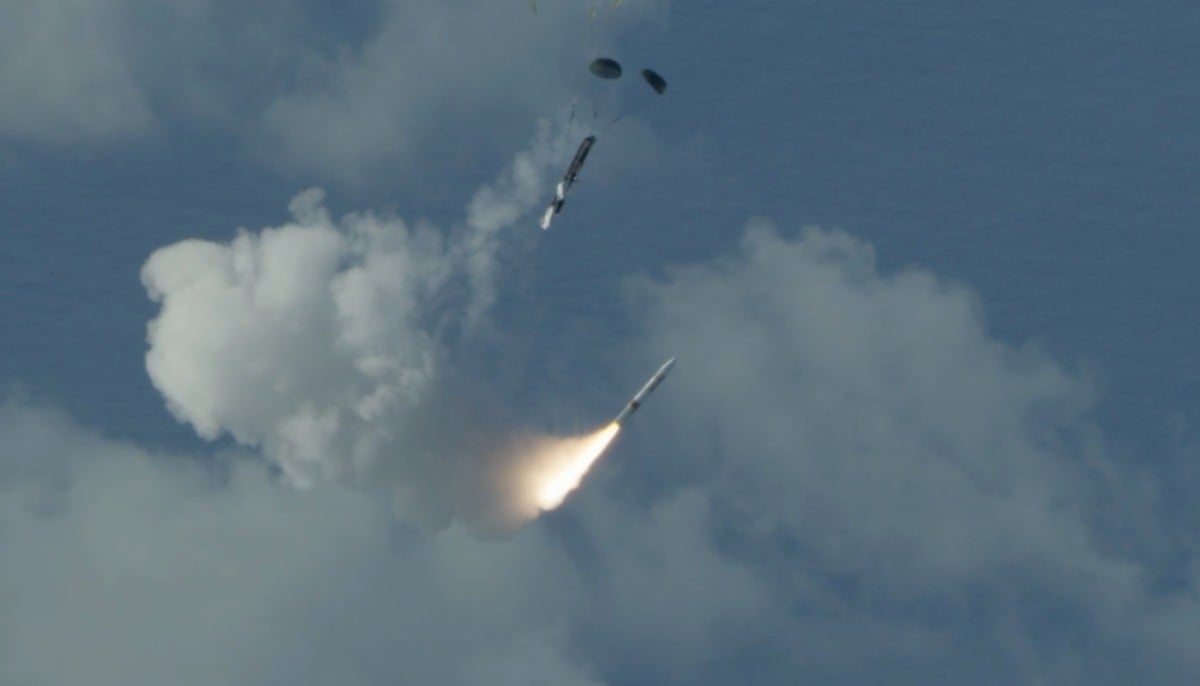
This seems incredibly silly to me. Why is the US dropping target missiles from C17s to test their Air Defense systems? Why are they looking for a new dedicated launcher for the target missiles?

Why aren't they launching targets from existing batteries and ships at existing batteries and ships? Pitch and Catch.

And if they are going this route why not just add the target missile to the families of missiles being considered for the Common Autonomous Multi-Domain Launcher program?
 

This seems incredibly silly to me. Why is the US dropping target missiles from C17s to test their Air Defense systems? Why are they looking for a new dedicated launcher for the target missiles?

Why aren't they launching targets from existing batteries and ships at existing batteries and ships? Pitch and Catch.

And if they are going this route why not just add the target missile to the families of missiles being considered for the Common Autonomous Multi-Domain Launcher program?
Because we have specific threat metrics.

We don’t design o defend against our missiles - but enemy/rival systems.
 
β€œWe’re just killing people left and right.”

3rd Inf Div, 2nd ABCT, 8th Cav Rgt, 6th Sqn, Launched Effects Platoon - 2 days, 60 11ACR Blackhorse vehicles destroyed with Switchblade 600s.


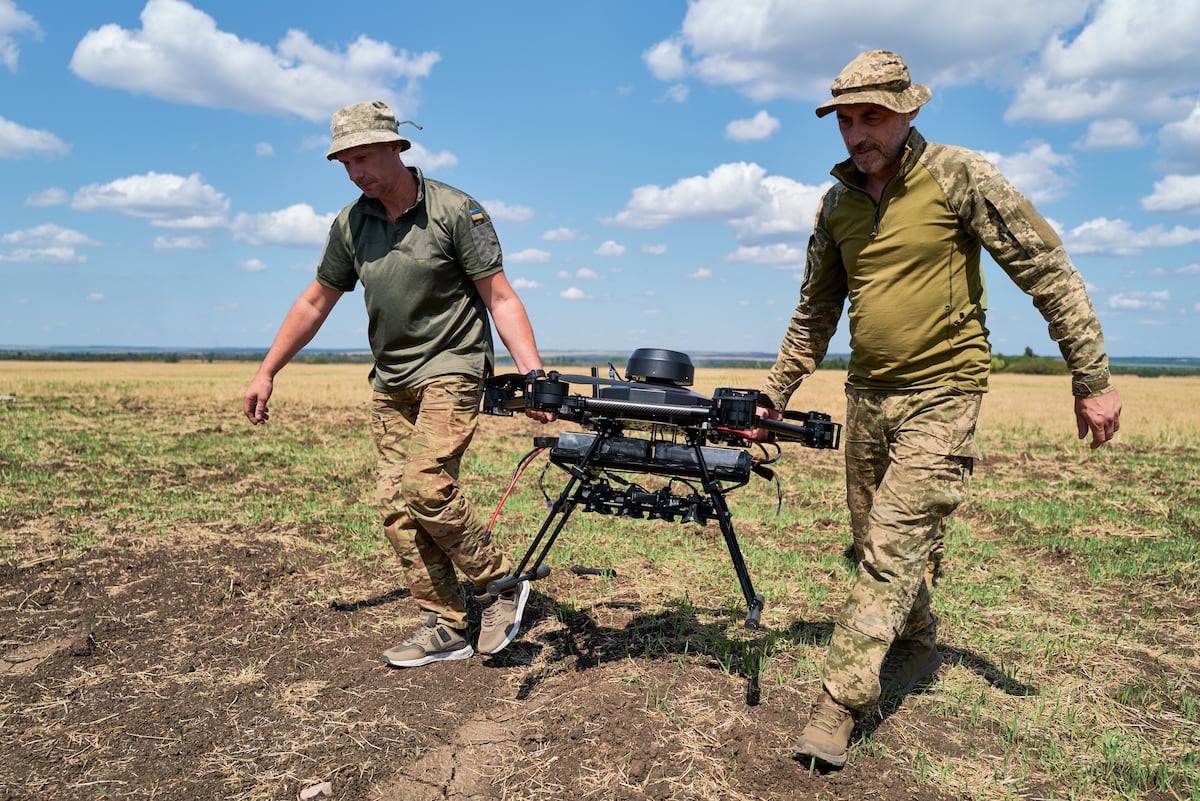
"FORT IRWIN, Calif. β€” In the first two days of its battle against Fort Irwin’s dedicated opposing force, Army 1st Lt. William Kaiser’s launched effects platoon had already destroyed 60 enemy vehicles.

"It was the first time the platoon had employed its new kamikaze drones in a major training environment, and Kaiser said it was quickly clear how useful those drones β€” Switchblade 600s β€” would be in combat.

"β€œIt can kind of feel like a God-gun, you know,” Kaiser said as his platoon rested between missions on the third day of its fight last month against the 11th Armored Cavalry Regiment, known as Blackhorse, at the Army’s National Training Center. β€œWe’re just killing people left and right.”

"The 2nd Armored Brigade Combat Team, 3rd Infantry Division established Kaiser’s launched effects platoon last year inside its 6th Squadron, 8th Cavalry Regiment to experiment with kamikaze and first-person-view attack drones as part of the Army’s Transformation in Contact initiative.

Read more on smry.ai: Article from stripes.com.

...

In line with Ukrainian experience


...

Drones vs Artillery


"Casualties from kamikaze drones are now as high as 80 percent for both sides, according to Latvia’s intelligence services. Moreover, in the past five months, Ukrainian kamikaze drones have hit 44,610 Russian troops, killing 24,731 and wounding 19,879, per official Ukrainian military data"


"Artillery Still Has Some Advantages over Drones

"Overall, however, artillery is still deadlier, often more reliable, and cheaper.

"In the same five-month period, the Russian forces have been averaging more than 30,000 casualties killed and wounded per month. Thus, the numbers show that although kamikaze drones are causing significant casualties on the Russian forces, and killing one Russian troop for every other hit, they are not the deadliest weapon on the battlefield right now.

"Notably, the lethality of artillery does not discriminate between sides. The Royal United Services Institute (RUSI), a British military think tank, has estimated that approximately 70 percent of Ukrainian casualties are the result of artillery fire. The Russian forces average 10,000 artillery rounds a day, with peaks reaching as high as 36,000 artillery rounds in a single day. Overall, casualties from artillery fire have, at different points in the war, reached as high as 80 percent of the battlefield total.

"Kamikaze drones also have shortcomings on the battlefield. They can be jammed through electronic means, or shot down with a variety of methods. Moreover, unmanned aerial systems cannot operate effectively in poor weather conditions. The Russian forces have sometimes used the weather to their advantage, launching more attacks during heavy rain or snow while Ukrainian drone countermeasures are grounded. Artillery rounds do not have such issues.

"Furthermore, artillery shells are cheaper than drones. Artillery rounds, including the standard 155mm shell, typically cost from $3,000 to $5,000. A single one-way attack unmanned aerial system, however, can cost two or three times that. To be sure, there are kamikaze drones that cost very little, but their capabilities are limited both in terms of range and payload.

"Artillery shells are also deadlier than drones on a pound-for-pound basis. Artillery’s greater firepower and the ability to concentrate that firepower effectively translate into devastating results on the battlefield. An artillery barrage can level an entire area and suppress enemy defensive positions, enabling main battle tanks and mechanized infantry to approach safely. So far, drones are unable to replicate this effect.

"Finally, artillery is simpler than one-way attack unmanned aerial systems. A standard 155mm howitzer round does not rely on complex modern software or electronics, which can malfunction. It will work at any time, under any conditions, with minimal potential for human error. And in the chaos of a war, that reliability is incomparable."

...

I am going to posit an advantage of drones over artillery.

When you are fighting in your neighbourhoods, among your houses and backyards, you are incentivized to limit the damage to the intended target as much as possible.

If you are fighting in someone else's neighbourhood, having a pretext to flatten every house in existence and drive out the locals has its own particular attraction.

 
Ukraine takes out 121 artillery pieces in 48hrs
This is what happens when you become complacent and don't take enough defensive measures.

If drones can kill tanks then they can kill anything on the battlefield that can be found and which isn't adequately defended.

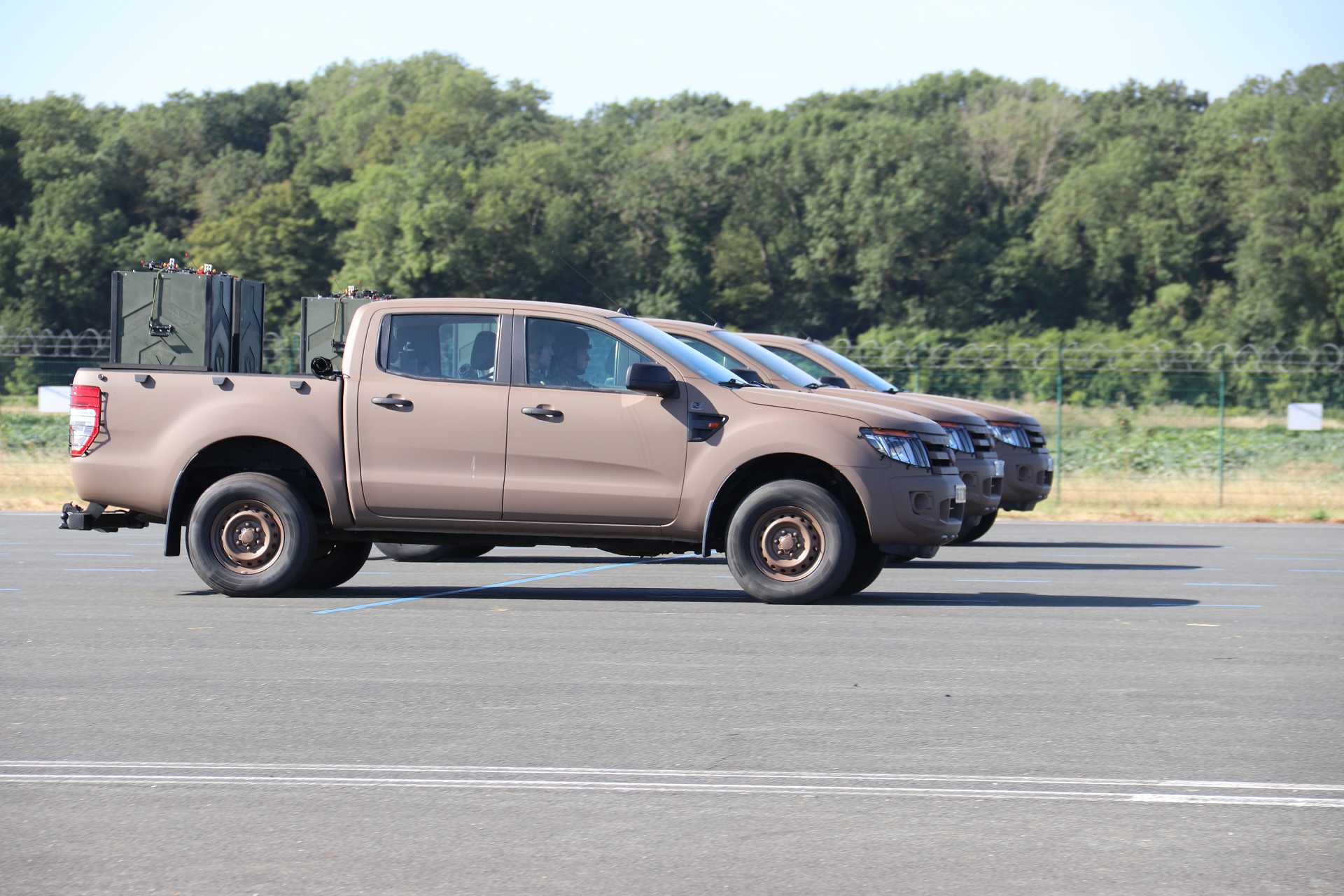
I've long ago come to the conclusion that close support artillery regiments should have at least a 3 to 1 ratio of gun batteries to loitering munition launcher batteries. I'm not far away from saying a 2 to 2 ratio but a lot of that depends on the survivability of drones in the field. The technology is progressing in both attack and defence fields so the future is, and probably will remain, unpredictable.

I support the current IFM plan. There ought to be enough SPs to support 4 full 18-gun regiments. Unfortunately the LM component inside IFM or outside of it is opaque to me but I just don't see "launcher batteries" in the cards. I think it would be foolish on the part of the artillery - and the army - to leave the field to just within the armoured and infantry units. Incidentally, I feel the same about any HIMARS regiment. It should have even longer range LM launch batteries than the close support regiment. 3 to 1 or 2 to 2.

This latest example from Ukraine makes it clear that there needs to be a bigger LM strike capability at brigade and division level. If we did form LM strike batteries and integrated them in field regiments on a 2 to 2 ratio, we could probably form some 7 to 8 field regiments which would provide both a proper divisional artillery brigade plus a second brigade for a second deployable division (or as a theatre general support capability). You can never have too much artillery.

🍻
 
Last edited:
Ukraine continues down the towed 105mm path.


Still a viable tool for the Defence of Canada Division?

AI turreted MGs and GMGs on trailers along with the 81mm mortars for the light infantry?

Skyrangers and 105s on trailers/autonomous trucks for "garrison artillery" (fixed installations)?

Rockets for IAMD, Coastal Defence and Long Range Fires?

Armoured formations to be equipped with turreted systems in all calibers up to 155mm.

Why autonomous trucks for fixed installations? They can run themselves into and out of battery for reloading and repair, relocate to make templating by the enemy harder and they can be redirected to new enemy threats.
 
And the Brits are refurbishing their Light Guns

 
Ukraine continues down the towed 105mm path.

Still a viable tool for the Defence of Canada Division?
I wouldn't say Defence of Canada per se but still a viable system.

We currently have enough M777s for 4 batteries and enough LG1s for three. I won't count the C3s other than as saluting base guns.

With the number of M777s and G1s, we have enough guns for two regiments (or maybe three if you use two gun batteries and one or two loitering munitions launchers per battery.) I think that is enough for the army.

I wouldn't place them in any of the Defence of Canada divisions (yes I see multiple ones - at least three) I would put them in the general support division's fires brigade to be assigned to either Defence of Canada or to expeditionary as required. My armament of choice for Defence of Canada is long range precision (especially anti-ship) fires and air defence.

A complication here is ammunition production to support the 105mm calibre as the amount needed is relatively small compared to the 155mm.

Don't forget that there will also be 120mm/81mm mortars and other LMs available.

For armour I see only the turreted 120mm, 155mm and LMs. Don't complicate life.

🍻
 
I wouldn't say Defence of Canada per se but still a viable system.

We currently have enough M777s for 4 batteries and enough LG1s for three. I won't count the C3s other than as saluting base guns.

With the number of M777s and G1s, we have enough guns for two regiments (or maybe three if you use two gun batteries and one or two loitering munitions launchers per battery.) I think that is enough for the army.

I wouldn't place them in any of the Defence of Canada divisions (yes I see multiple ones - at least three) I would put them in the general support division's fires brigade to be assigned to either Defence of Canada or to expeditionary as required. My armament of choice for Defence of Canada is long range precision (especially anti-ship) fires and air defence.

A complication here is ammunition production to support the 105mm calibre as the amount needed is relatively small compared to the 155mm.

Don't forget that there will also be 120mm/81mm mortars and other LMs available.

For armour I see only the turreted 120mm, 155mm and LMs. Don't complicate life.

🍻

We continue to drive closer to each other. I agree with three DOC Divs. And two expeditionary divs. The GS Div could also include the Light Infantry Brigade (another weapon to be projected).

My thinking on the 105 for the domestic installations is that as the SAS found in the Radfan, even a single gun can have a profound effect when holding a fortified position.


10 British soldiers (9 SAS, 1 Int Corps)
25 men from Omani Gendarmerie[1]
30 Balochi Askari[1]
60 soldiers of a local firqat[2]
12 BAC Strikemaster light attack jets[2]
21 SAS reinforcements[2]
3 helicopters[2]

vs

200–300 guerrillas

British weaponry - SLRs, 1x Browning HMG, 1x 81mm, 1x 25 pdr.

....

At the other end of the spectrum - Goose Green

2 or 3 of your trailered GDF-005s in 35mm, some 20 from the Airforce's Airfield defence and some mortars.

....

A troop of 105s, a couple of troops of 35s, a NASAMs troop, and a security force anchored by turreted GPMGs and GMGs, and that strikes me as a very solid defence for any VP in Canada given the threats likely.
 
I agree with three DOC Divs. And two expeditionary divs. The GS Div could also include the Light Infantry Brigade (another weapon to be projected).
I currently have a primarily RegF light airborne brigade as part of the central Canada DOC div with a primary role up north and a secondary role as Canada's QRF. I'm toying with the idea of putting it in the GS Div.
My thinking on the 105 for the domestic installations is that as the SAS found in the Radfan, even a single gun can have a profound effect when holding a fortified position.
In '72 when I was in 3 RCHA in Wainwright, we worked together with the Brits' 14 Fd Regt, RA - an L5 regiment like we were - that had just come back from a tour in Oman. They were an interesting bunch with some interesting stories.

In those days a light mostly static gun was very useful. Today I'm not so sure. It's very vulnerable unless given almost foolproof AD protection and is heavily dug in.

🍻
 
Back
Top