

• Thanks for stopping by. Logging in to a registered account will remove all generic ads. Please reach out with any questions or concerns.

Ottawa: No apology for forced adoptions of kids from unwed moms

The Bread Guy

Moderator
Staff member
Directing Staff
Subscriber
Donor
Reaction score
8,388
Points
1,360
Quick summary: More than 350,000 unmarried women and their babies were apparently subject to forced adoption post-WW2. A 2018 Senate report called for a federal apology, but nothing happened. Petition to Parliament started in September 2025 - government response July 2026: no apology for YOU! Australia, Ireland & Wales have already apologized.

MSM stories:
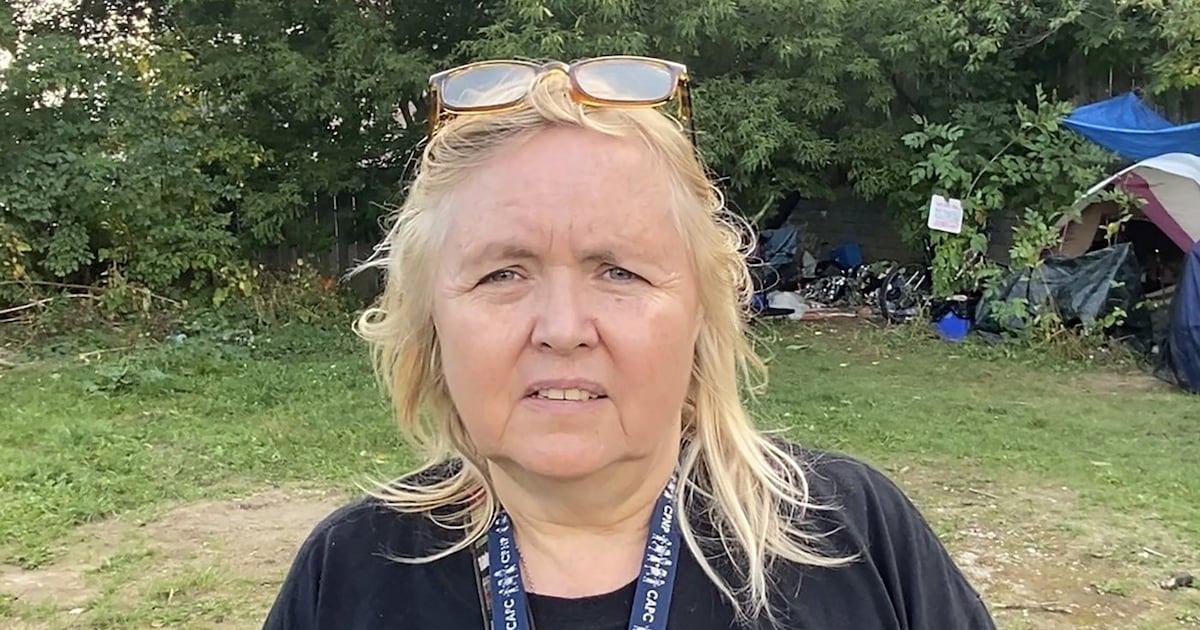
Petition and government's response:
 
Twice the number of children that attended residential schools yet no comprehensive compensation scheme comparable to the residential school settlements, let alone an apology.

Did you seriously think this government would be concerned over anything that is likely comprised of mostly white, European heritage?
 
Twice the number of children that attended residential schools yet no comprehensive compensation scheme comparable to the residential school settlements, let alone an apology.
<<flips through the playbook of some of those leery about residential schools and associated settlements>>

<sarcasm> I'm sure not all of the kids were negatively affected - heck, some probably even appreciated being in a better place than they came from. </sarcasm>
 
My birth mother was forced to put me up for adoption when I was born. She wasn't unmarried but her situation could be charitably be described as "chaotic". My adoptive parents were wonderful and gave me an excellent life. I have made contact with my birth family and all I can say is that I thank God (literally) every night for having been adopted. I'm sure there are many, many variations on how adoptive children, and their birth parents, fared during this time, but for adoptees, it wasn't all a sad story. Was it a sad situation for my birth mother? Probably. Was it the right thing for me, undoubtedly.
 
Twice the number of children that attended residential schools yet no comprehensive compensation scheme comparable to the residential school settlements, let alone an apology.

Had a quick look at the Senate report to see if they made mention of this.


While they did not reference "residential schools", the report did make note of the "sixties scoop" (the truly forced taking of indigenous children, not just babies, regardless of parents status) which would be a closer comparison. The entirety of that analysis was in a footnote.

The committee acknowledges the practices, sometimes referred to as the “Sixties Scoop,” conducted between the 1950s and the 1980s in which Indigenous children were removed from their homes and placed in foster care or given up for adoption to non-Indigenous families. It notes the recent settlement of the resultant litigation in this matter signed in November 2017. As such, the committee has not included the Sixties Scoop within this study.

The discussion in the report as to federal government responsibility for, involvement in, or even acceptance of the practice was not much longer:

The Federal Involvement
In Canada, adoption policies and practices are the responsibility of the provinces and territories. However, under the federal spending power the government has implemented, over the course of several decades, a variety of social assistance grants and programs, some of which address the needs of children, pregnant women and mothers. Beginning in the mid-1960’s, the federal government committed to an annual investment of $25 million to permanently establish the Canada Assistance Plan (CAP), intended to help provincial social assistance programs.2 With respect to the forced adoption issue, the committee was told that federal funds, through CAP to the provinces and municipalities, specifically contributed to the maintenance of maternity homes for unmarried mothers, the provision of adoption and counselling services, and supporting the casework of social workers. As well, the federal government has a limited role to play when an adoption crosses national borders because of its authority over immigration and citizenship matters.

2 In 1995, the CAP was combined with the federal health and post-secondary education transfer of the day, the Established Programs Funding, to become the Canada Health and Social Transfer (CHST). The CHST was subsequently divided into the Canada Health Transfer and the Canada Social Transfer in 2003.

Could you explain what a federal government compensation scheme would be compensating? Would the shitty attitudes of the unwed mothers' parents/families that contributed to children being given up for adoption be compensated by them directly, though most all of them are now likely dead? Like @OldTanker, my parents gave me away abandoned me and my brother. Though I was not adopted, I was raised by my grandparents. Out of those 350,000 stories of unwed mothers giving up their children, there are probably 350,000 variations of the story assigning blame to both sides.
 
Could you explain what a federal government compensation scheme would be compensating? Would the shitty attitudes of the unwed mothers' parents/families that contributed to children being given up for adoption be compensated by them directly, though most all of them are now likely dead? Like @OldTanker, my parents gave me away abandoned me and my brother. Though I was not adopted, I was raised by my grandparents. Out of those 350,000 stories of unwed mothers giving up their children, there are probably 350,000 variations of the story assigning blame to both sides.
Sure. They would be compensating the fact children were taken away from their their mothers by the government against their will (opposed to voluntarily given up).

In some cases the adoptions worked out swimmingly and for the best. In other cases kids were sexually abused or killed.


Some residential school survivors over the years have said being sent to the schools were the best thing that happened to them and they had a great time there. I think for obvious reasons those voices don't get amplified very much. They're compensated all the same.
 
Back
Top