daftandbarmy
Army.ca Fossil
- Reaction score
- 48,561
- Points
- 1,160
"Reliable".
Low-trust cultures generally fail to meet the requirement. Also affects "abundant" and "inexpensive". Too many palms to grease can simply put projects out of reach.
There was a time when the policies of 'personal rule' mainly applied to places like sub-Sharan Africa, with predictable chaos ensuing.
Lately, as we can see in Russia and with our Yankee neighbours to our south, it's become more of a political fashion statement and is worth understanding a bit more about e.g.,
The rise of personalist rule
Over the last decade, authoritarians have pushed back against the world’s prevailing democratic order. For the 11th year in a row, Freedom House has announced an overall drop in freedom worldwide. Most countries today (55 percent) are considered not free or partly free according to the civil liberties and political rights citizens enjoy. At the same time, highly personalized regimes are taking control of autocratic and even democratic political systems.
Compared to the Cold War era when powerful Communist and socialist parties presided over most dictatorships, today around 40 percent of autocratic governments are ruled by strongmen. Across regions, consolidated power is settling into the hands of one man or a small group of illiberal individuals, ranging from Russian President Vladimir Putin to Turkish President Recep Tayyip Erdoğan, the Philippines’ Rodrigo Duterte and leaders in Ecuador, Venezuela, Hungary, and Poland.
There are four primary reasons that personalist systems can lead to more aggressive foreign policies. First, the inherent characteristics of the kinds of individuals who become personalist rulers—ambitious, cut-throat and divisive—drive them to pursue more adventurist international goals than leaders of other kinds of regimes. Second, personalist leaders perceive lower costs of fighting than leaders of democracies or more constrained autocratic systems because they have fewer normative aversions to force, do not internalize the costs of fighting, and view force as more effective than other tools of statecraft. Third, personalist leaders do not fear defeat to the extent that other leaders do because of the lack of strong institutions able to punish the leader for his mistakes. Fourth, subordinates to personalist leaders are typically unwilling to challenge a leader’s personal biases, leading to profound “groupthink” and overestimation of the likelihood of victory.
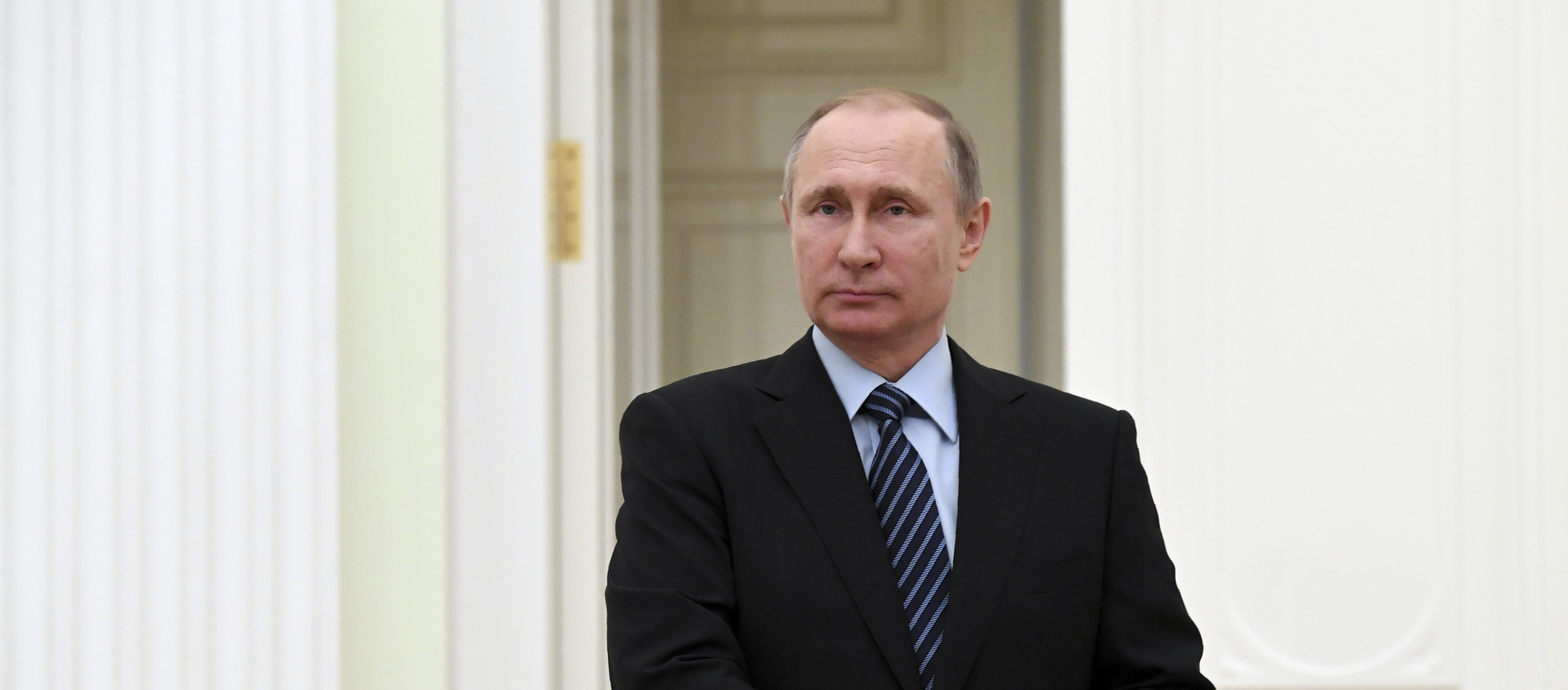
The rise of personalist rule | Brookings
Beyond the most imminent foreign policy challenges facing the new administration looms a macro-trend that deserves attention: the rise of personalist “strongmen” authoritarian governments.
 www.brookings.edu
The rise of personalist rule | Brookings
Beyond the most imminent foreign policy challenges facing the new administration looms a macro-trend that deserves attention: the rise of personalist “strongmen” authoritarian governments.
www.brookings.edu