• Thanks for stopping by. Logging in to a registered account will remove all generic ads. Please reach out with any questions or concerns.

Pipelines, energy and natural resources

  • Thread starter Thread starter QV
  • Start date Start date
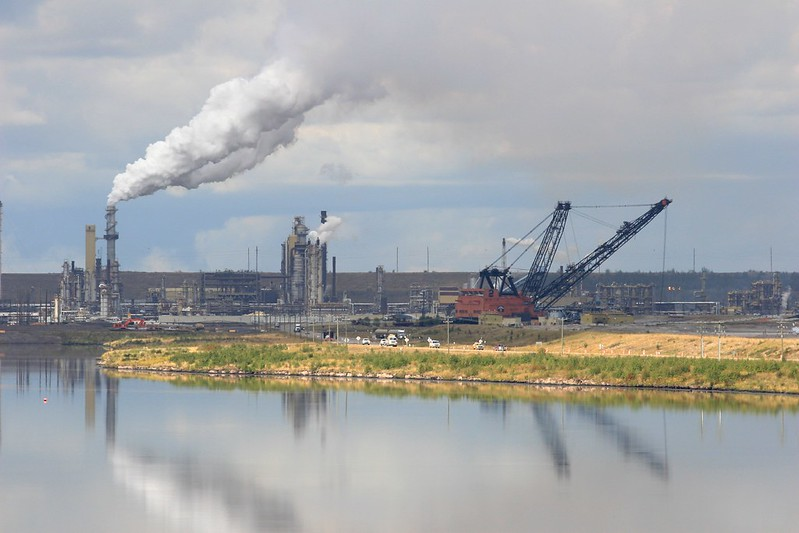
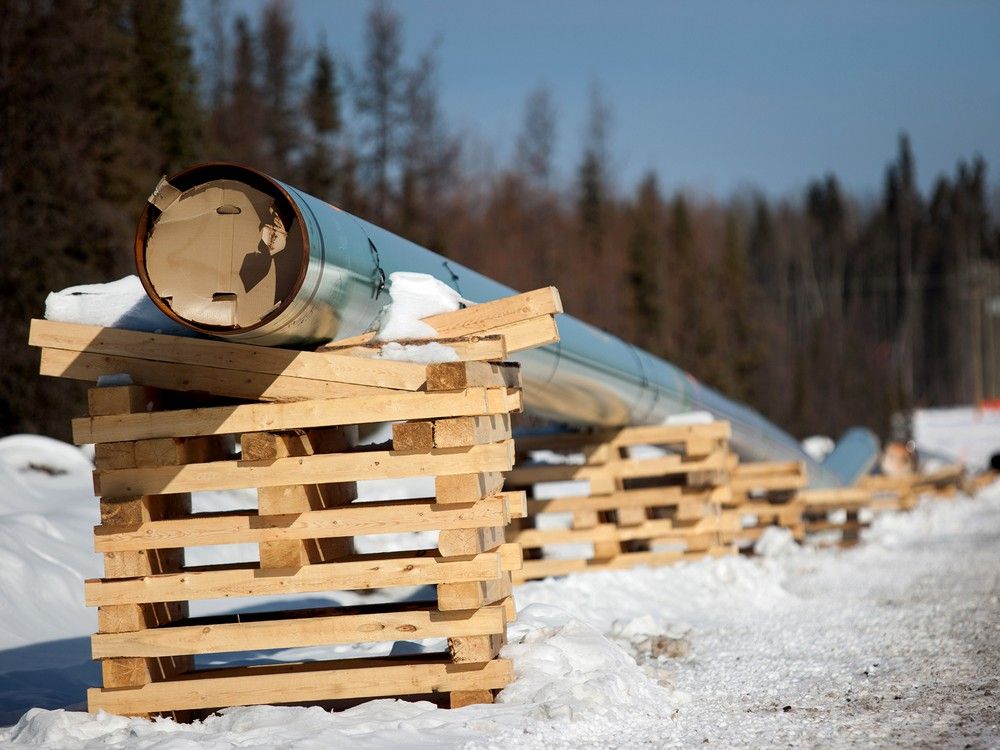
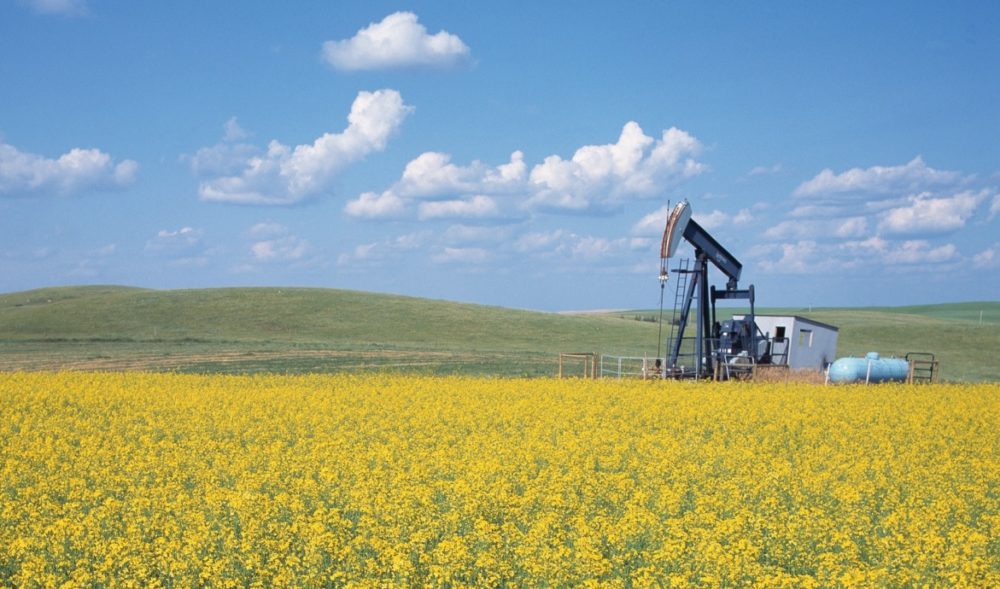
Why Alberta wants more pipelines...

35 Billion Canadian Dollars a year in taxes and royalties for the public purse.


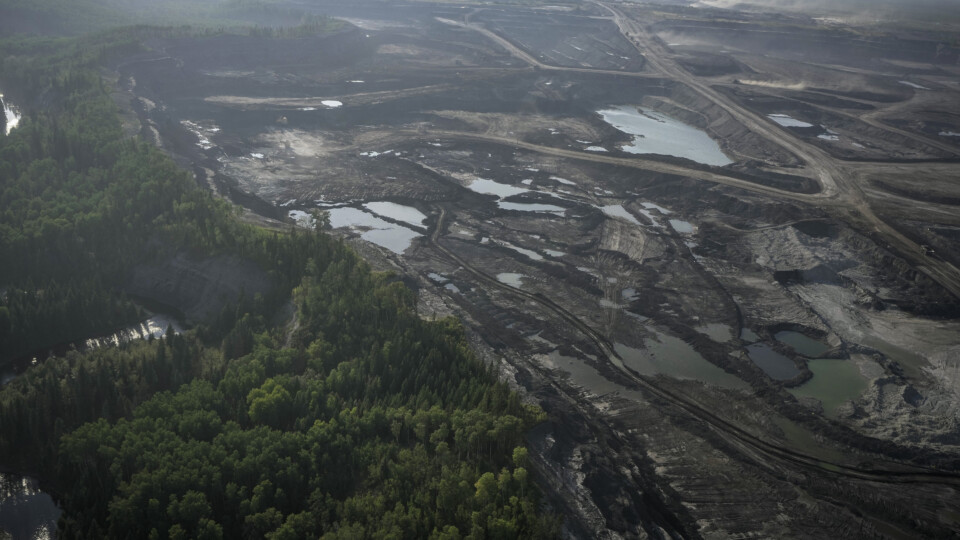
"By Pathways Alliance’s estimate, oilsands extractions contribute roughly $35 billion a year in taxes and royalties.

"Lacey has run his own numbers that put that scale in perspective.

"“When I look at the big four banks in Canada, they made a contribution in current taxes last year of almost $14 billion,” he said. “Not an insignificant amount. But if you look at the big four oil companies in Canada—Canadian Natural, Cenovus, Imperial, Suncor—they contributed $22 billion during that same 12-month period.”"


....


.....

Prior to the Alberta-Ottawa MOU the US could count on fuelling Data Centres with Alberta gas supplied to American distributors at give-away prices. The distributors sold it on at market prices a bit cheaper than Europe and Asia. And made a fortune while driving up energy costs for consumers.

After the MOU they can't count on that. It now makes more sense to build on top of the zero cost fuel and transfer data by cable and air. The supply of free gas is drying up.
 
Last edited:
Why Alberta wants more pipelines...

35 Billion Canadian Dollars a year in taxes and royalties for the public purse.

And.... they are wholly dependent on the energy sector for most of their income.

Apparently most Albertans would like to see some diversification away from that sector, but good luck with that...

 
Well they might get some relief


Selling natural gas as bandwidth?

But given just how big the oil and gas economy is anything else is going to have to be awfully attractive to beat it.

....

At the end of the day it is exports that allow you to buy imports.

 
"Once upon a time, I imagined there was a layer of people at the top of the world order that were supremely wise, experienced, and of the finest judgement."

"However, with age comes a bit of wisdom, and I now know that the world is run by chance, buffoons, egomaniacs, pretty but dumb people, power mongers, and, ok, occasionally good and smart people."

 
In New Zealand the conservative government is dealing with a lot of pushback.
It wants to increase the amount of affordable energy and is promoting the redevelopment of carbon fuels.
It approved exploration licenses.

The Supreme Court just found that the government needs to take climate change into consideration but stopped short of saying that climate change prevented carbon exploitation.

The government responded this way:

"....the government would "take on board the dicta of the Supreme Court but we must never overlook the fact that the highest court in the land is Parliament".

""I don't want to support any climate change transition that worsens our ability to maintain our economic resilience and the ability of our energy system to not only deliver for industry but to be affordable for day-to-day Kiwis," he said.

"Asked if that meant the government would consider amending the law, he said he would ask officials to "take a comprehensive look" at the ruling.

""We have already overruled Supreme Court decisions in the area of the seabed and foreshore legislation," he said."

....

Some common threads developing in the parliamentary nations.
 
And America is waking up to the threat to its Canadian gas supply


The US domestic market benefited from low cost natural gas for home heating. Much of that gas came from Canada suppressing the consumer price in the US.

But two things have happened.

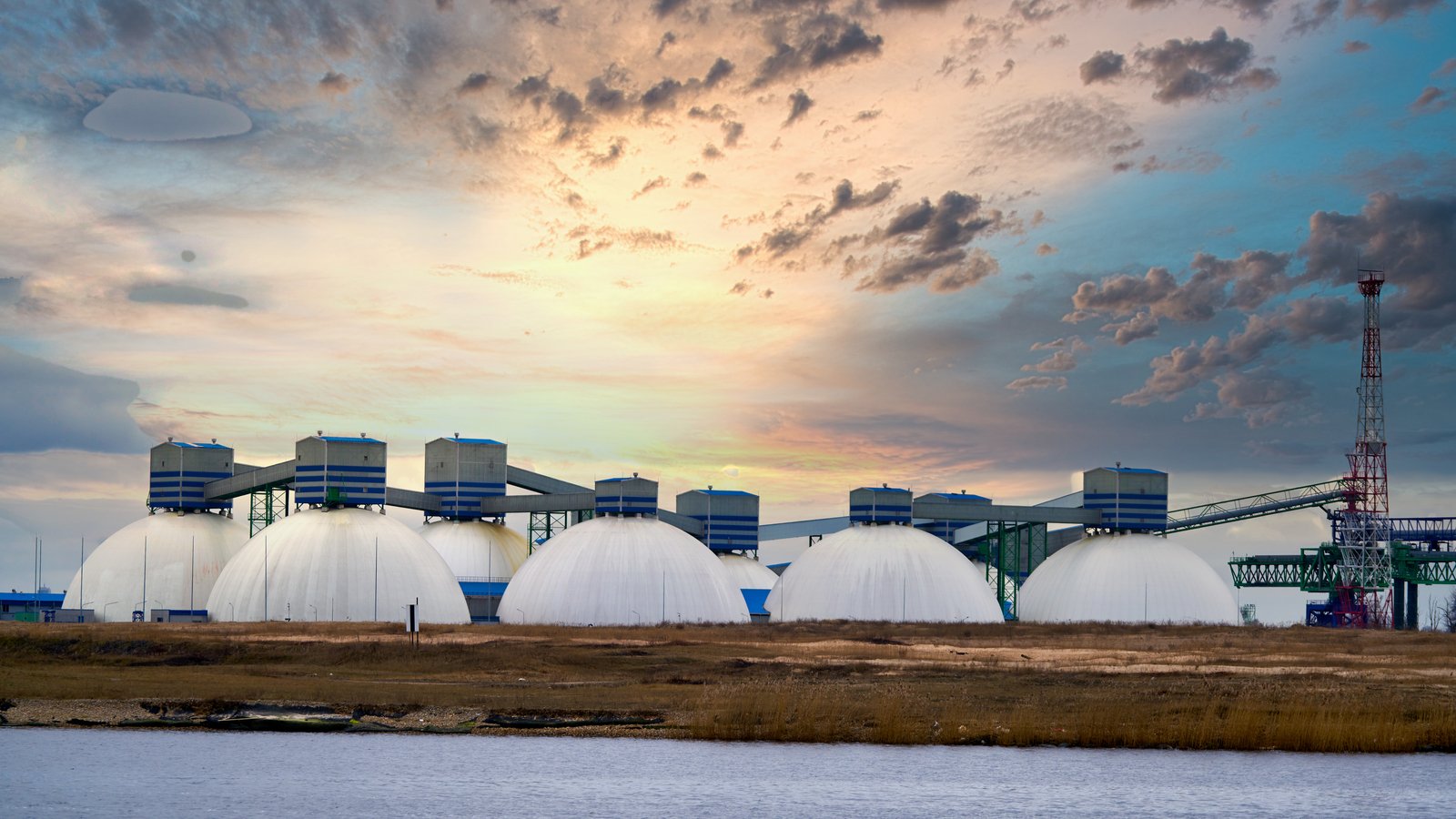
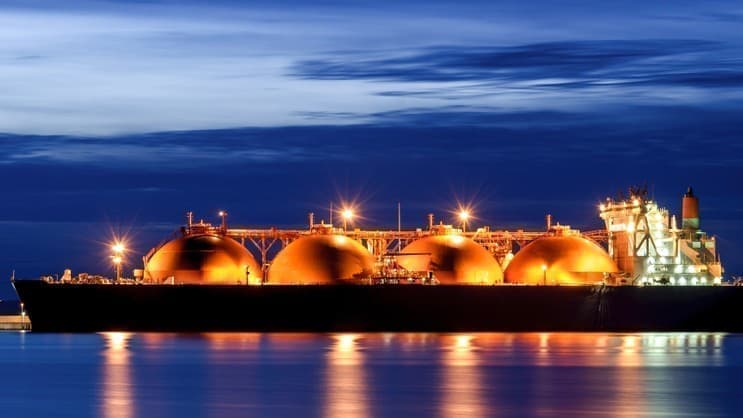
Some Americans started concentrating cheap Canadian Natural Gas in coastal ports and shipping overseas to high value markets in Europe and Asia.

Consumers were now competing with Europeans and Japanese to keep their homes warm.

And then this happened...

"Last summer, Canada shipped its first-ever LNG shipments to Asia from a new facility in British Columbia. At first, the plant will ship about 1.8 billion cubic feet (bcf) of natural gas per day – equal to about one quarter of the gas Canada currently pipes down to the U.S. But by the end of the decade, it may divert as much as 5 bcf per day."

That one BC LNG project is equal to one quarter of the total export to the US. And there are more projects on the books now of similar scale.
The supply is going to dry up.

Recently, and concurrently, the second thing started happening, AI data centres started up demanding more electricity and natural gas was the cheapest and most consistent supplier.

Consumers in the US no longer just competed with Europeans and Asians to keep their homes warm they now competed with Google and Meta to power their entertainment needs. They saw both their gas and electric bills go up.

And if we build more LNG ports and start using our own natural gas to power 100 BCAD of data centres in the next 5 years then the American consumer is likely to see an even greater increase in gas prices.

.... But

So will Canadians.
 

And what do you do when your car's battery won't hold a charge? You get rid of the car as well as the batteries.
And when does that happen? When your battery capacity has dropped by 20% and wll only hold 80% of the charge of the battery when new.

"Like the batteries in our phones and laptops, those in EVs today are mostly lithium-ion packs. Their capacity drops a little every year, making the car slower to charge, shorter in range, and more prone to safety issues. Three professionals who work in EV retail and battery recycling told MIT Technology Review that a battery is often considered to be ready to retire from a car after its capacity has degraded to under 80%. The research institution EVtank estimates that the year’s total volume of retired EV batteries in China will come in at 820,000 tons, with annual totals climbing toward 1 million tons by 2030. "

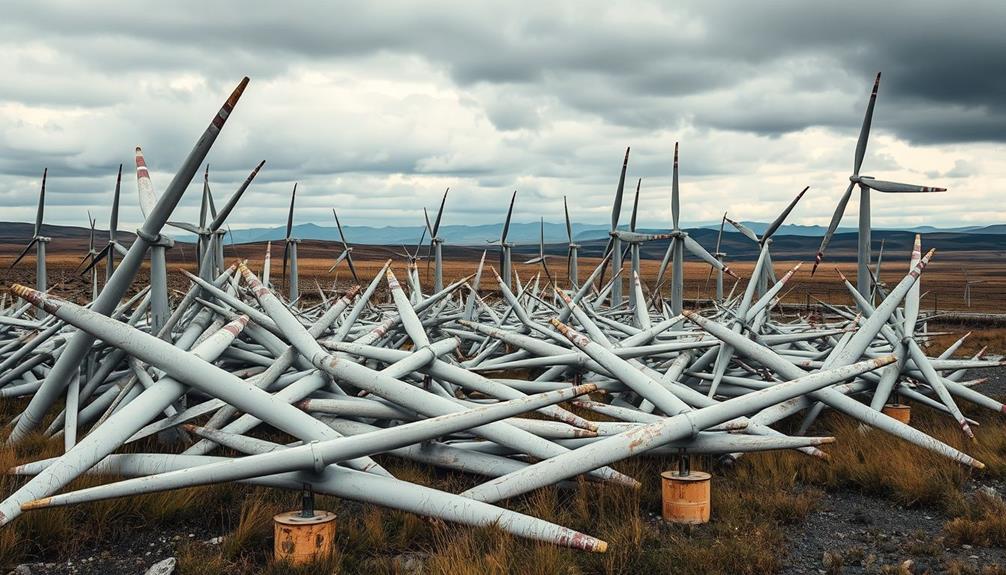
I suppose they can always put them back where they came from

 
Back
Top