Solar panels making rain in the UAE
The generate their own air pump.
Scientists say giant solar panels could trigger rainfall in deserts and even supply water for thousands of people

www.techradar.com
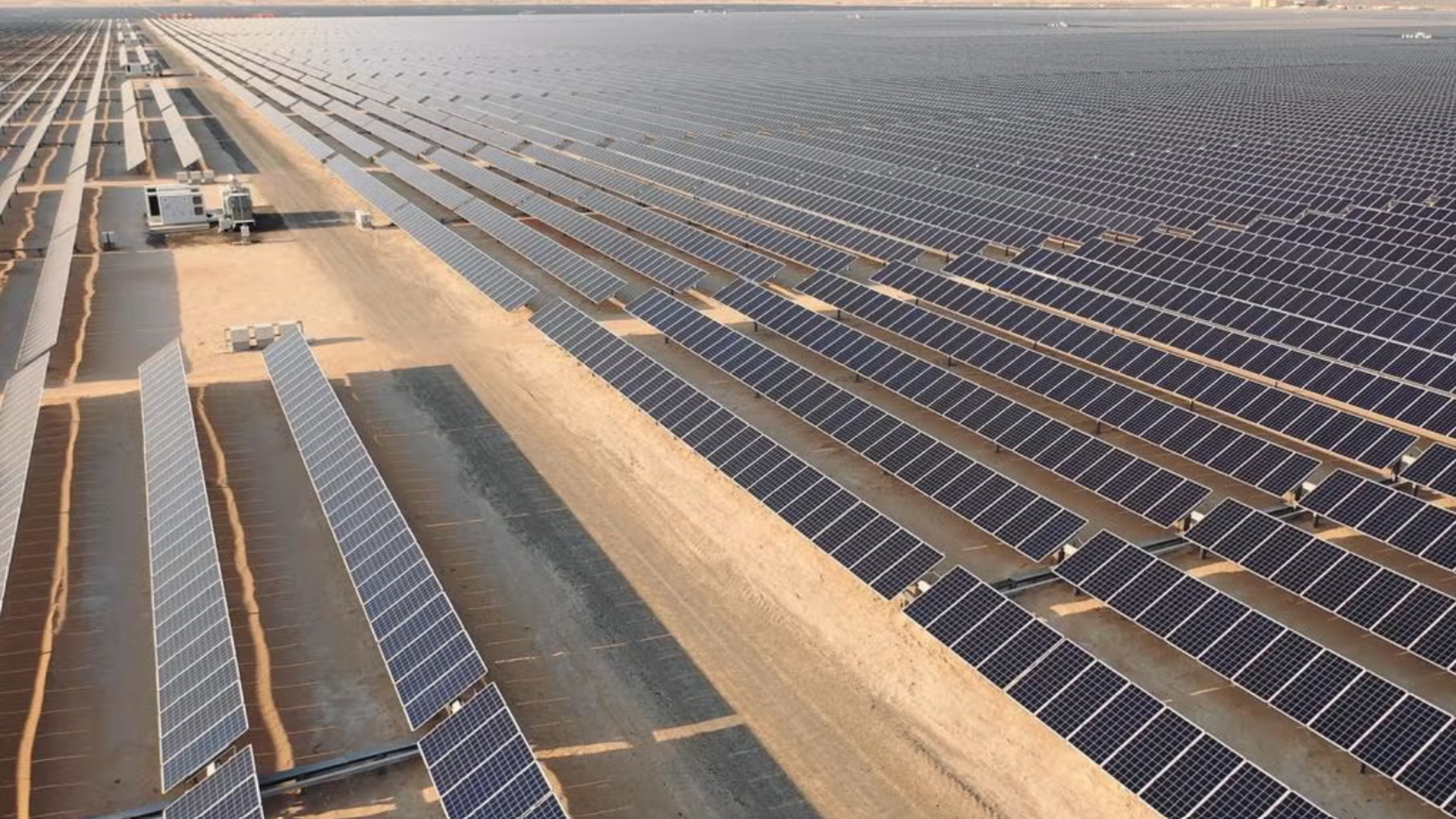
"A modelling study led by climate scientist Oliver Branch at the University of Hohenheim found dark solar panels absorb more heat than the surrounding reflective desert sand.
"This temperature difference drives updrafts that can lead to rain, potentially providing water for tens of thousands of people."
"....A 20 square kilometer solar field would increase rainfall by nearly 600,000 cubic meters under the right conditions, equivalent to 1cm of rain falling across an area the size of Manhattan.
"If such rainstorms occurred ten times in one summer, they would provide enough water for more than 30,000 people for a year"
The researchers modeled solar panels as nearly black surfaces that absorb 95% of incoming sunlight.
......................
20 km2 is about 8 sections.
The largest solar array in Canada is the Travers project outside of Vulcan which is about 5 sections.
Key Details on Solar Grazing at Travers:
Location: South of Lomond, Alberta.
Scale: Canada's largest solar project.
Agrivoltaics: A local farming family uses the site to pasture thousands of sheep (eventually planned to reach 8,000 head) for vegetation management, with plans to expand animal production.
Alberta Farmer Express
Other Notable Alberta Solar Projects with Livestock:
Strathmore Solar: A 400+ flock of sheep, pigs, and chickens use the rows of panels as shelter for grazing and fertilizing.
Cardston Solar: A pilot project by SunCycle that grazed cows around the panels, navigating tighter spacing.
W.A. Ranches (U of C): A project at the University of Calgary's ranch is researching vertical solar panels specifically to allow for cattle grazing.
ucalgary.ca
...
power generators
air pumps
windbreaks
shades
conserve water by inhibiting evaporation from both plants and beasts
promote vegetation
reduce migration of dirt as dust in the wind
enhances feed production
promotes rain production
makes money from all of the above directly and indirectly.
down side is the cost of building them sturdy enough and high enough to allow cattle to graze under them with adequate airflow and light and not have them knocked down by cattle rubbing up against the legs.
Which in the grand scheme is a minor engineering problem.
I would sooner see those in the fields and feedlots around me than be confronted by those wind turbines.
....
Presumably the same logic applies to dark coloured roofs in towns.