
Not sure how everyone else does it, but human source info would not, I hope, be in a notebook being brought out and about on regular business. I’m less concerned about that possibility. That would be a whole different level of holy shit bad.

You are using an out of date browser. It may not display this or other websites correctly.
You should upgrade or use an alternative browser.
You should upgrade or use an alternative browser.
Police Folk Allegedly Behaving Badly
- Thread starter Bruce Monkhouse
- Start date

- Reaction score
- 13,632
- Points
- 1,160
Like soldiers writing down orders complete with passwords in their FMP then going on patrol with it.Not sure how everyone else does it, but human source info would not, I hope, be in a notebook being brought out and about on regular business. I’m less concerned about that possibility. That would be a whole different level of holy shit bad.

- Reaction score
- 28,572
- Points
- 1,360
Except gloves, toques and raincoats…we know a lot about those things…This is the internet. All we do is random uninformed speculation.


Booter
Army.ca Veteran
- Reaction score
- 2,380
- Points
- 1,010
Not sure how everyone else does it, but human source info would not, I hope, be in a notebook being brought out and about on regular business. I’m less concerned about that possibility. That would be a whole different level of holy shit bad.


- Reaction score
- 7,502
- Points
- 1,160
The OPP was looking into digital note-keeping. I don't know anything about the project other than it existed or exists.I wonder how feasible it would be for police to use PDAs for note taking.
- Reaction score
- 7,502
- Points
- 1,160
A long time coming. At first, the Conservative government wanted nothing to do with it, probably simply by virtue that it was a Liberal Bill. Once they slowly warmed to it, development of the Regulations took a lot of legwork, particularly ones involving personnel and discipline. The fact that Human Rights Commission and Info & Privacy Commission think it is lacking, to me, is an endorsement.
Overhaul of Ontario police law set to take effect 5 years after act passed | Globalnews.ca
An overhaul of Ontario's 34-year-old law governing policing in the province is set to take effect next month.globalnews.ca
Some interesting changes
I wonder how feasible it would be for police to use PDAs for note taking.
The OPP was looking into digital note-keeping. I don't know anything about the project other than it existed or exists.
I think Calgary has that capability. There’s some provincial court case law out of Alberta about electronic notes and what makes them presumptively reliable in terms of being an officer’s contemporaneous notes that can later be relied on for testimony.
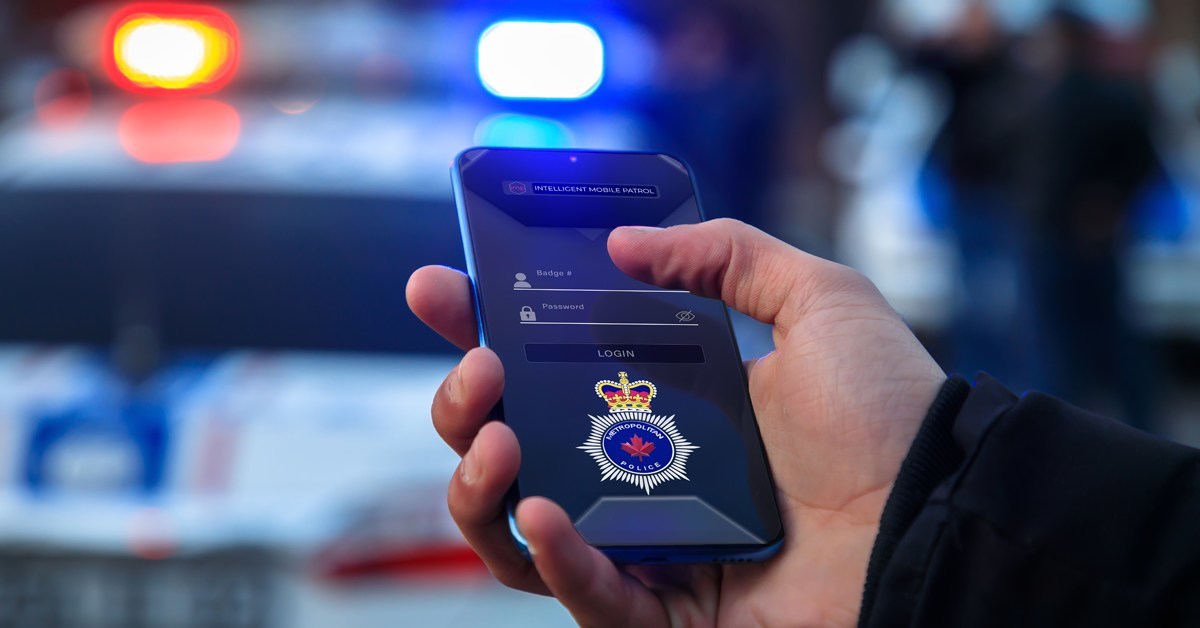
I believe there are a couple of Ontario departments using some form of electronic note taking. I think so far as I know its Brantford, Halton, York (maybe). Not sure of anywhere else.
 www.newswire.ca
York Regional Police Selects IMP for their e-notes digital transformation
/CNW/ - York Regional Police announced today that it will be implementing use of new policing software called Intelligent Mobile Patrol (IMP) throughout its...
www.newswire.ca
- Reaction score
- 7,502
- Points
- 1,160
Many police services are at various places along that road. In speaking to folks who are still working, they are finding it hard to keep up with the speed of technical changes. A credible voice-to-text system will be a game-changer. The younger generation is pretty fast with thumb-typing, but it's still comparatively slow. Proving notes will remain a challenge, particularly for disclosure and court. Traditional handwritten notes are original evidence in its original form. Once software converts voice - the original form - to digital, there will be a need to ensure, for example, it didn't turn 'can't' into 'can'.I believe there are a couple of Ontario departments using some form of electronic note taking. I think so far as I know its Brantford, Halton, York (maybe). Not sure of anywhere else.
York Regional Police Selects IMP for their e-notes digital transformation
/CNW/ - York Regional Police announced today that it will be implementing use of new policing software called Intelligent Mobile Patrol (IMP) throughout its...
- Reaction score
- 43,701
- Points
- 1,210
Many police services are at various places along that road. In speaking to folks who are still working, they are finding it hard to keep up with the speed of technical changes. A credible voice-to-text system will be a game-changer. The younger generation is pretty fast with thumb-typing, but it's still comparatively slow. Proving notes will remain a challenge, particularly for disclosure and court. Traditional handwritten notes are original evidence in its original form. Once software converts voice - the original form - to digital, there will be a need to ensure, for example, it didn't turn 'can't' into 'can'.
Their is know weigh it cod go wrong.
I hope CPS doesn't get this before Edmonton does. Those lowsy scoundrels...I think Calgary has that capability. There’s some provincial court case law out of Alberta about electronic notes and what makes them presumptively reliable in terms of being an officer’s contemporaneous notes that can later be relied on for testimony.
Many police services are at various places along that road. In speaking to folks who are still working, they are finding it hard to keep up with the speed of technical changes. A credible voice-to-text system will be a game-changer. The younger generation is pretty fast with thumb-typing, but it's still comparatively slow. Proving notes will remain a challenge, particularly for disclosure and court. Traditional handwritten notes are original evidence in its original form. Once software converts voice - the original form - to digital, there will be a need to ensure, for example, it didn't turn 'can't' into 'can'.
I was speaking to a Toronto police officer. They use a voice to text program to translate the voices on the body cams to text. As part of their process they have to listen to the body cams and compare what was said to what the program translates it to, to ensure it is an accurate translation. I can see an issue if the department doesn't use body cams.
Booter
Army.ca Veteran
- Reaction score
- 2,380
- Points
- 1,010
That would make sense as that is the same process for statement transcription in a lot of places as well. Once transcribed it has to be compared to the originals again and certified- so the natural leap to BWC would be to have the same process.I was speaking to a Toronto police officer. They use a voice to text program to translate the voices on the body cams to text. As part of their process they have to listen to the body cams and compare what was said to what the program translates it to, to ensure it is an accurate translation. I can see an issue if the department doesn't use body cams.
Transcription is a problem at all levels. Very time consuming.
- Reaction score
- 7,502
- Points
- 1,160
Surely they must be doing this if only required for a Crown Brief. I can't imagine every road warrior reviewing every recorded moment of previous shifts.I was speaking to a Toronto police officer. They use a voice to text program to translate the voices on the body cams to text. As part of their process they have to listen to the body cams and compare what was said to what the program translates it to, to ensure it is an accurate translation. I can see an issue if the department doesn't use body cams.
The public doesn't realize how astonishingly time consuming and resource intensive this single aspect of a criminal investigation is. In days gone by, hours and hours of typists transcribing every 'um' and 'ah', and hours and hours of proof-reading the transcript against the tape. Everybody thinks once the charges are laid its all done except the wrap-up party.That would make sense as that is the same process for statement transcription in a lot of places as well. Once transcribed it has to be compared to the originals again and certified- so the natural leap to BWC would be to have the same process.
Transcription is a problem at all levels. Very time consuming.
My organization has given preliminary approval for generative AI being used for initial transcription of audio, to then be verified by a human ear. That will likely be vastly more efficient. My unit has some fantastic civilian transcribers for our file disclosure. The general rule of thumb is one minute of audio is ten minutes of work- and that’s when done by properly equipped pros. It’s a great example of a task that can and should be done by violin support staff and not cops, although it’s fair to expect an officer to do a final review of their own audio against a transcript for court purposes.
It can be tough for us because we do large crown disclosures with potentially many dozens of statements, and often they want transcripts for all of them rather than summaries/will-says. New technology is gonna be great for this task. Hopefully we can start throwing AI at redaction/vetting as well.
It can be tough for us because we do large crown disclosures with potentially many dozens of statements, and often they want transcripts for all of them rather than summaries/will-says. New technology is gonna be great for this task. Hopefully we can start throwing AI at redaction/vetting as well.
Booter
Army.ca Veteran
- Reaction score
- 2,380
- Points
- 1,010
That’s HUGE. That’s a good use of the technology. Man in twenty years when we start our five year pilot on something you’ve been doing since tomorrow it’s going to be something.My organization has given preliminary approval for generative AI being used for initial transcription of audio, to then be verified by a human ear. That will likely be vastly more efficient. My unit has some fantastic civilian transcribers for our file disclosure. The general rule of thumb is one minute of audio is ten minutes of work- and that’s when done by properly equipped pros. It’s a great example of a task that can and should be done by violin support staff and not cops, although it’s fair to expect an officer to do a final review of their own audio against a transcript for court purposes.
It can be tough for us because we do large crown disclosures with potentially many dozens of statements, and often they want transcripts for all of them rather than summaries/will-says. New technology is gonna be great for this task. Hopefully we can start throwing AI at redaction/vetting as well.
I can't speak to what calls they have to do this for, I'm not a police officer, just a fire inspector. We have our own special hell of paperwork to do.Surely they must be doing this if only required for a Crown Brief. I can't imagine every road warrior reviewing every recorded moment of previous shifts.
The public doesn't realize how astonishingly time consuming and resource intensive this single aspect of a criminal investigation is. In days gone by, hours and hours of typists transcribing every 'um' and 'ah', and hours and hours of proof-reading the transcript against the tape. Everybody thinks once the charges are laid its all done except the wrap-up party.
- Reaction score
- 7,502
- Points
- 1,160
Similar to my last posting; Crown Briefs that were often denoted in volumes (I've seen an search warrant ITO fill a banker's box)My organization has given preliminary approval for generative AI being used for initial transcription of audio, to then be verified by a human ear. That will likely be vastly more efficient. My unit has some fantastic civilian transcribers for our file disclosure. The general rule of thumb is one minute of audio is ten minutes of work- and that’s when done by properly equipped pros. It’s a great example of a task that can and should be done by violin support staff and not cops, although it’s fair to expect an officer to do a final review of their own audio against a transcript for court purposes.
It can be tough for us because we do large crown disclosures with potentially many dozens of statements, and often they want transcripts for all of them rather than summaries/will-says. New technology is gonna be great for this task. Hopefully we can start throwing AI at redaction/vetting as well.
Long before the current tech advancements, but even back then one challenge was convincing the bean counters that any kind of tech or new way of doing things doesn't always equal fewer staff (either cops or support), and sometimes it means more, somewhere.
Having a room full of typists/transcribers may seem anachronistic to many, but here we are. Presenting a body of evidence that is intended to restrict someone's rights requires a high level of accuracy and court confidence, and the tech is nowhere near there yet.

daftandbarmy
Army.ca Fossil
- Reaction score
- 48,859
- Points
- 1,160
Where there's smoke...
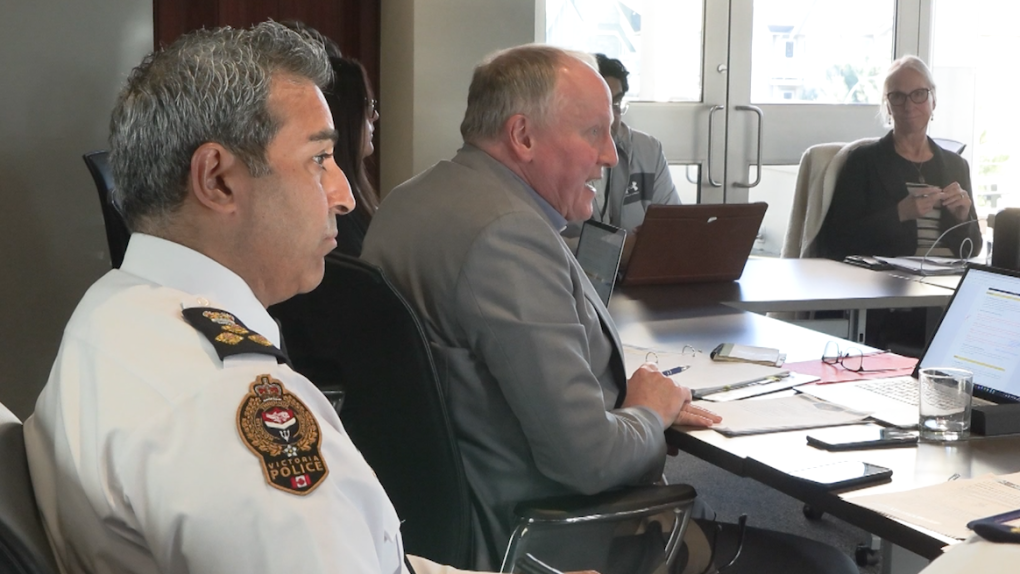
The Victoria and Esquimalt Police Board has tasked Delta and Surrey police departments with investigating corruption concerns within the Victoria Police Department.
The board’s governance committee announced its decision at a public meeting on Tuesday evening.
“We take (this complaint) very seriously. I can’t emphasize that enough,” governance committee chair Paul Faoro said at the meeting.
Former board member and retired human rights lawyer Paul Schachter triggered the investigation on Feb. 16 when he f(opens in a new tab)iled a Police Act complaint against VicPD(opens in a new tab),(opens in a new tab) which is in the throes of a corruption controversy.
 vancouverisland.ctvnews.ca
Corruption concerns within VicPD to be investigated by Delta, Surrey police
The Victoria and Esquimalt Police Board has tasked Delta and Surrey police departments with investigating corruption concerns within the Victoria Police Department.
The board’s governance committee announced its decision at a public meeting on Tuesday evening.
“We take (this complaint) very seriously. I can’t emphasize that enough,” governance committee chair Paul Faoro said at the meeting.
Former board member and retired human rights lawyer Paul Schachter triggered the investigation on Feb. 16 when he f(opens in a new tab)iled a Police Act complaint against VicPD(opens in a new tab),(opens in a new tab) which is in the throes of a corruption controversy.
Corruption concerns within VicPD to be investigated by Delta, Surrey police
The Victoria and Esquimalt Police Board has tasked Delta and Surrey police departments with investigating corruption concerns within the Victoria Police Department.
Similar threads

- Replies
- 0
- Views
- 7K
- Replies
- 5
- Views
- 18K


- Replies
- 4
- Views
- 20K


