Some research on that topic ...
Study finds misconduct spreads among police officers like contagion
According to new research, reassigning police officers with a history of misconduct makes it more likely that their new peers will also misbehave.
Nearly five years after
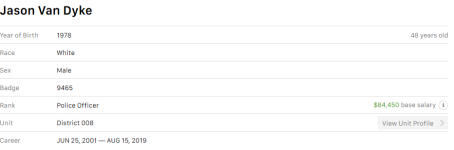
fatally shooting 17-year-old Laquan McDonald in October 2014, former Chicago police officer Jason Van Dyke is now serving a
seven-year prison sentence on a
conviction of second-degree murder.
But firing 16 bullets at a black teenager holding a knife was likely far from Van Dyke’s first offense. Since he began policing in 2001,
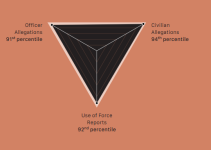
at least 25 separate
complaints have been filed against Van Dyke by civilians and fellow officers, most involving excessive force. Prior to the most recent charges, none of these allegations resulted in disciplinary action, leaving Van Dyke in the employ of the Chicago Police Department until he was stripped of the position during indictments.
Van Dyke’s case is extreme. But his trajectory wasn’t anomalous. Rather than being fired, officers accused of stealing, lying, mistreating civilians, or otherwise abusing their power are often allowed to retain their roles as public servants, with some
rerouted into new positions in the force as a reprimand for bad behavior.
Now,
new research published today in the journal
Nature Human Behavior suggests that retaining misbehaving officers in police organizations may have far worse consequences than leaving accusations unaddressed: It could actually
propagate misconduct itself.
According to new research, reassigning police officers with a history of misconduct makes it more likely that their new peers will also misbehave.

www.pbs.org




 to affirm a truthful statement.