
My limited understanding of the SOR is that it’s weighted as a jobs program not a weapons program.It has quite a few people tilting that way, but unfortunately is not in the specs.

You are using an out of date browser. It may not display this or other websites correctly.
You should upgrade or use an alternative browser.
You should upgrade or use an alternative browser.
Replacing the Subs
- Thread starter Spencer100
- Start date

- Reaction score
- 6,915
- Points
- 1,160
Makes sense to have a SLBM capability already in place if you were to someday decide you want/need a nuclear capability...The VLS has me tilting SK.


- Reaction score
- 7,175
- Points
- 1,120
One of the SK subs was scheduled to visit Canada in the next couple of months, wasn't it? Imagine if they sent it over to start training crews right away....? That'd be a stunning tour de force....

- Reaction score
- 9,583
- Points
- 1,210
It's clearly a weapons program. But given that both submarines meet the requirements the RCN wants for combat capability then you need other factors to outscore the other guy. It's a tight race.My limited understanding of the SOR is that it’s weighted as a jobs program not a weapons program.
If the navy was more specific in its requirements then maybe there would more differential between bids based on platform performance. But I think broad requirements were better for this one. As well the service and support portion is a huge part of the bid. It may look only like "jobs" but it's more about capability sustainment and domestic sustainment to keep that combat capability operational.
Not being sarcastic at all: does the navy even know? It has never had a modern fleet of submarines to work with and plan around. The Canadian Navy is entering into a whole new world of possibilities. This is good.It's clearly a weapons program. But given that both submarines meet the requirements the RCN wants for combat capability then you need other factors to outscore the other guy. It's a tight race.
If the navy was more specific in its requirements then maybe there would more differential between bids based on platform performance. But I think broad requirements were better for this one. As well the service and support portion is a huge part of the bid. It may look only like "jobs" but it's more about capability sustainment and domestic sustainment to keep that combat capability operational.
- Reaction score
- 9,583
- Points
- 1,210
Even know what? That they need domestic sustainment? That they know how to operate submarines? Not sure what you're driving at.Not being sarcastic at all: does the navy even know? It has never had a modern fleet of submarines to work with and plan around. The Canadian Navy is entering into a whole new world of possibilities. This is good.

- Reaction score
- 4,317
- Points
- 1,190
The Navy WAS more specific in its requirements. You just haven't seen that list of requirements.It's clearly a weapons program. But given that both submarines meet the requirements the RCN wants for combat capability then you need other factors to outscore the other guy. It's a tight race.
If the navy was more specific in its requirements then maybe there would more differential between bids based on platform performance. But I think broad requirements were better for this one. As well the service and support portion is a huge part of the bid. It may look only like "jobs" but it's more about capability sustainment and domestic sustainment to keep that combat capability operational.
Your second paragraph suggested that the navy wasn't specific enough with respect to operational requirements/platform performance. With no disrespect intended, I suggested that the navy wasn't really certain of what they could get/ask for because they have never been in a position to solicit a modern, capable system. They knew that it needed to be suitable for operating under ice and they knew the endurance they were seeking. Weapon systems and the like varied from boat to boat and since we were ordering off the shelf they sort of left that up to the mfg. to a certain extent. Did they know what to ask for, I suspect that they knew what they wanted but were worried about shutting out a potential supplier by being too specific. Also from a negotiation standpoint it made the mfg. come to them in a constant up-bidding which could end up giving us a whole lot more than the basic 12 hulls. My comment originated from yours.Even know what? That they need domestic sustainment? That they know how to operate submarines? Not sure what you're driving at.
I just read Lumber's response which more or less negates my entire thought pattern so I will just leave it here as a this is what I was thinking but I am out to lunch in the wrong direction
- Reaction score
- 9,583
- Points
- 1,210
No, the navy reviewed all the submarines with their requirements in mind. Took the two that met them. The requirements for operational abilities were specific enough but broad enough. For example they didn't tell anyone how to get the indiscretion rate they wanted (AIP, batteries whatever) just that they wanted a specific number.Your second paragraph suggested that the navy wasn't specific enough with respect to operational requirements/platform performance. With no disrespect intended, I suggested that the navy wasn't really certain of what they could get/ask for because they have never been in a position to solicit a modern, capable system. They knew that it needed to be suitable for operating under ice and they knew the endurance they were seeking. Weapon systems and the like varied from boat to boat and since we were ordering off the shelf they sort of left that up to the mfg. to a certain extent. Did they know what to ask for, I suspect that they knew what they wanted but were worried about shutting out a potential supplier by being too specific. Also from a negotiation standpoint it made the mfg. come to them in a constant up-bidding which could end up giving us a whole lot more than the basic 12 hulls. My comment originated from yours.
I just read Lumber's response which more or less negates my entire thought pattern so I will just leave it here as a this is what I was thinking but I am out to lunch in the wrong direction
That's what I mean by not specific. You don't want to write the requirements such that no one can meet them or you lock out creative solutions to problems for example.

Oldgateboatdriver
Army.ca Fixture
- Reaction score
- 5,371
- Points
- 1,040
Or rite requirements in such precise and specific terms that the only system that meets the requirements is the one the brass had decided in advance that it wanted ... because they like the looks or the neighbours had the same. 

- Reaction score
- 8,106
- Points
- 1,260
You mean like how the Army specified how a certain artillery piece needed to go at a very certain speed, which effectively took out a few of the main contenders?No, the navy reviewed all the submarines with their requirements in mind. Took the two that met them. The requirements for operational abilities were specific enough but broad enough. For example they didn't tell anyone how to get the indiscretion rate they wanted (AIP, batteries whatever) just that they wanted a specific number.
That's what I mean by not specific. You don't want to write the requirements such that no one can meet them or you lock out creative solutions to problems for example.

- Reaction score
- 10,194
- Points
- 1,140
Spent some time in the RCAF?Or rite requirements in such precise and specific terms that the only system that meets the requirements is the one the brass had decided in advance that it wanted ... because they like the looks or the neighbours had the same.

- Reaction score
- 4,317
- Points
- 1,190
There were requirements drafted ,studies done, and a table produced. If you are CAF and have DWAN access, it's unclass and you can just search in Teams and you can find the table. They listed 8 or 9 operational requirements on they axis, and compared 6 or 7 different subs along the x axis of the table. The requirements seemed reasonable and actually made sense for what Canada needed, and based on a review of those 6 or 7 subs, it was clear that the Germans and Koreans were the best, if not only, option.Your second paragraph suggested that the navy wasn't specific enough with respect to operational requirements/platform performance. With no disrespect intended, I suggested that the navy wasn't really certain of what they could get/ask for because they have never been in a position to solicit a modern, capable system. They knew that it needed to be suitable for operating under ice and they knew the endurance they were seeking. Weapon systems and the like varied from boat to boat and since we were ordering off the shelf they sort of left that up to the mfg. to a certain extent. Did they know what to ask for, I suspect that they knew what they wanted but were worried about shutting out a potential supplier by being too specific. Also from a negotiation standpoint it made the mfg. come to them in a constant up-bidding which could end up giving us a whole lot more than the basic 12 hulls. My comment originated from yours.
I just read Lumber's response which more or less negates my entire thought pattern so I will just leave it here as a this is what I was thinking but I am out to lunch in the wrong direction

HavokFour
Army.ca Veteran
- Reaction score
- 3,719
- Points
- 1,040
Even more carrot. Oil and shipbuilding R&D.
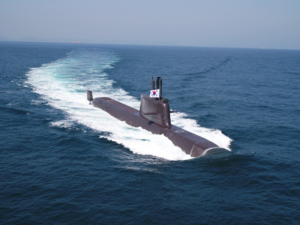
 www.koreaherald.com
Beyond shipbuilding, HD Hyundai plans to collaborate with top Canadian universities and research institutions to pursue joint research and development in shipbuilding and manufacturing and expand further into areas including artificial intelligence and biotechnology, the company said.
In the energy sector, HD Hyundai Oilbank, the group’s refining arm, said it will work with Canadian crude producers to import trillions of won worth of oil over the duration of the submarine program.
HD Hyundai expands Canada pitch beyond submarines
HD Hyundai Heavy Industries, which is teaming up with Hanwha Ocean for Canada’s submarine procurement, is stepping up efforts with a multibillion-dollar package
www.koreaherald.com
maybe that will encourage enbridge to buildEven more carrot. Oil and shipbuilding R&D.
HD Hyundai expands Canada pitch beyond submarines
HD Hyundai Heavy Industries, which is teaming up with Hanwha Ocean for Canada’s submarine procurement, is stepping up efforts with a multibillion-dollar package

MilEME09
Army.ca Fixture
- Reaction score
- 8,118
- Points
- 1,210
Or someone elsemaybe that will encourage enbridge to build

- Reaction score
- 1,858
- Points
- 1,160
Thought I would post a couple of videos about the South Korean KS-III submarines Canada is looking at buying. The first compares the size of the KS-III to several iconic Canadian sports venues.
The second video shows an interview with four South Korean submariners who are serving on a KS-III Batch I subs, not the Batch II Canada is looking at, which is 30 ft longer. Unfortunately, the video is in Korean, but it does show some the living quarters, including showers. I have no idea on how these quarters compare to the Victoria subs other Allied subs.
The second video shows an interview with four South Korean submariners who are serving on a KS-III Batch I subs, not the Batch II Canada is looking at, which is 30 ft longer. Unfortunately, the video is in Korean, but it does show some the living quarters, including showers. I have no idea on how these quarters compare to the Victoria subs other Allied subs.

- Reaction score
- 2,058
- Points
- 1,160
Pretty spacious actually and quite nice in comparison.Thought I would post a couple of videos about the South Korean KS-III submarines Canada is looking at buying. The first compares the size of the KS-III to several iconic Canadian sports venues.
The second video shows an interview with four South Korean submariners who are serving on a KS-III Batch I subs, not the Batch II Canada is looking at, which is 30 ft longer. Unfortunately, the video is in Korean, but it does show some the living quarters, including showers. I have no idea on how these quarters compare to the Victoria subs other Allied subs.
Last edited:

Similar threads


- Replies
- 22
- Views
- 3K


- Replies
- 42
- Views
- 12K


