- Reaction score
- 14,006
- Points
- 1,160
Maritime autonomy: the race is on for the Navy of the future
Anthony Kirby, Group Chief Executive of Serco, argues that the race to build effective autonomous naval fleets will be decided by how quickly governments, industry and the military can integrate new technology at scale.
 ukdefencejournal.org.uk
I think this article is worth quoting in full
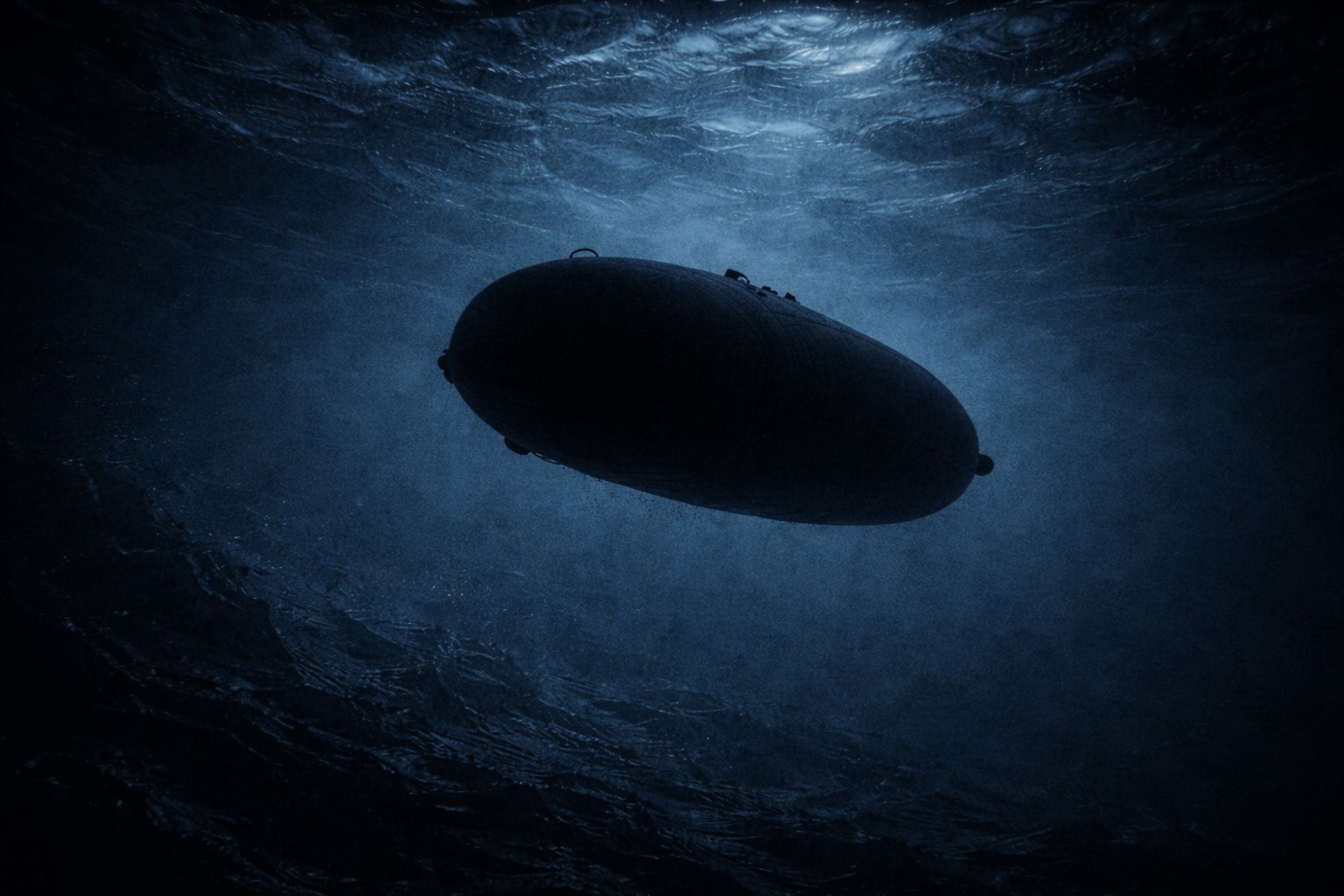
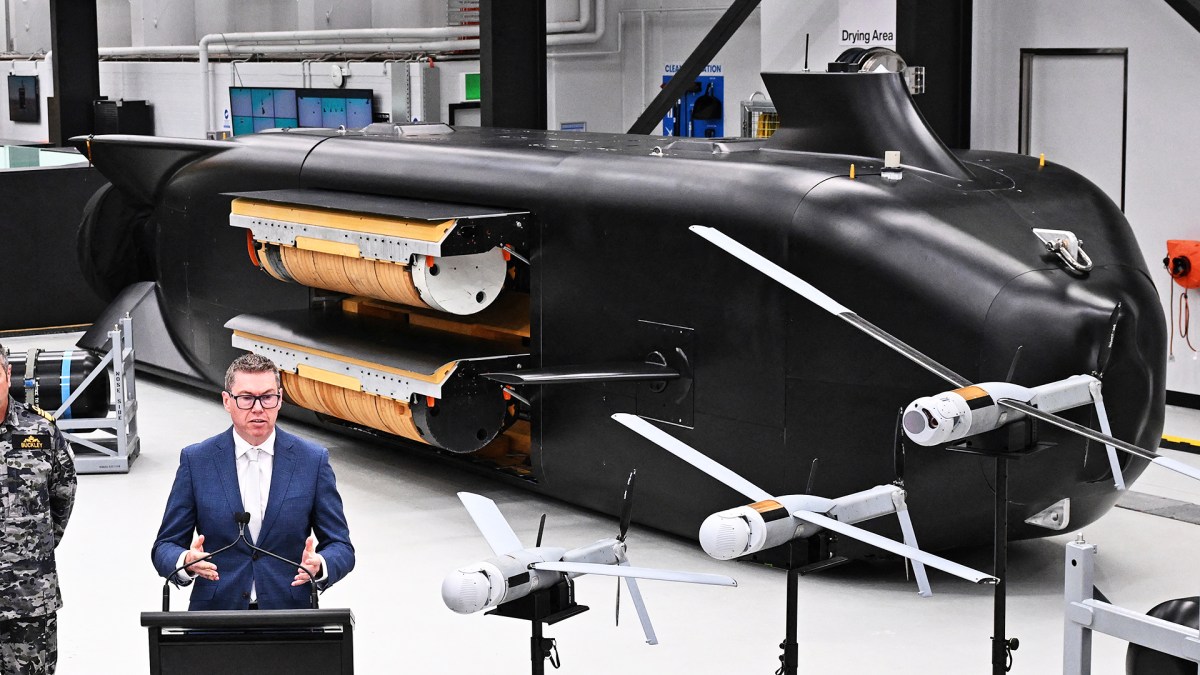
One question has surfaced time and again from naval leaders across the world: how do we best monitor undersea threats to protect our national security and economic interests?
The challenge sits at the centre of the Defence Investment Plan here in the UK, where the ambition to shift investment from conventional destroyers towards more futureproof autonomous platforms is laudable and reflects the Defence Secretary’s recognition that a global transformation is already under way and that the UK needs to catch up.
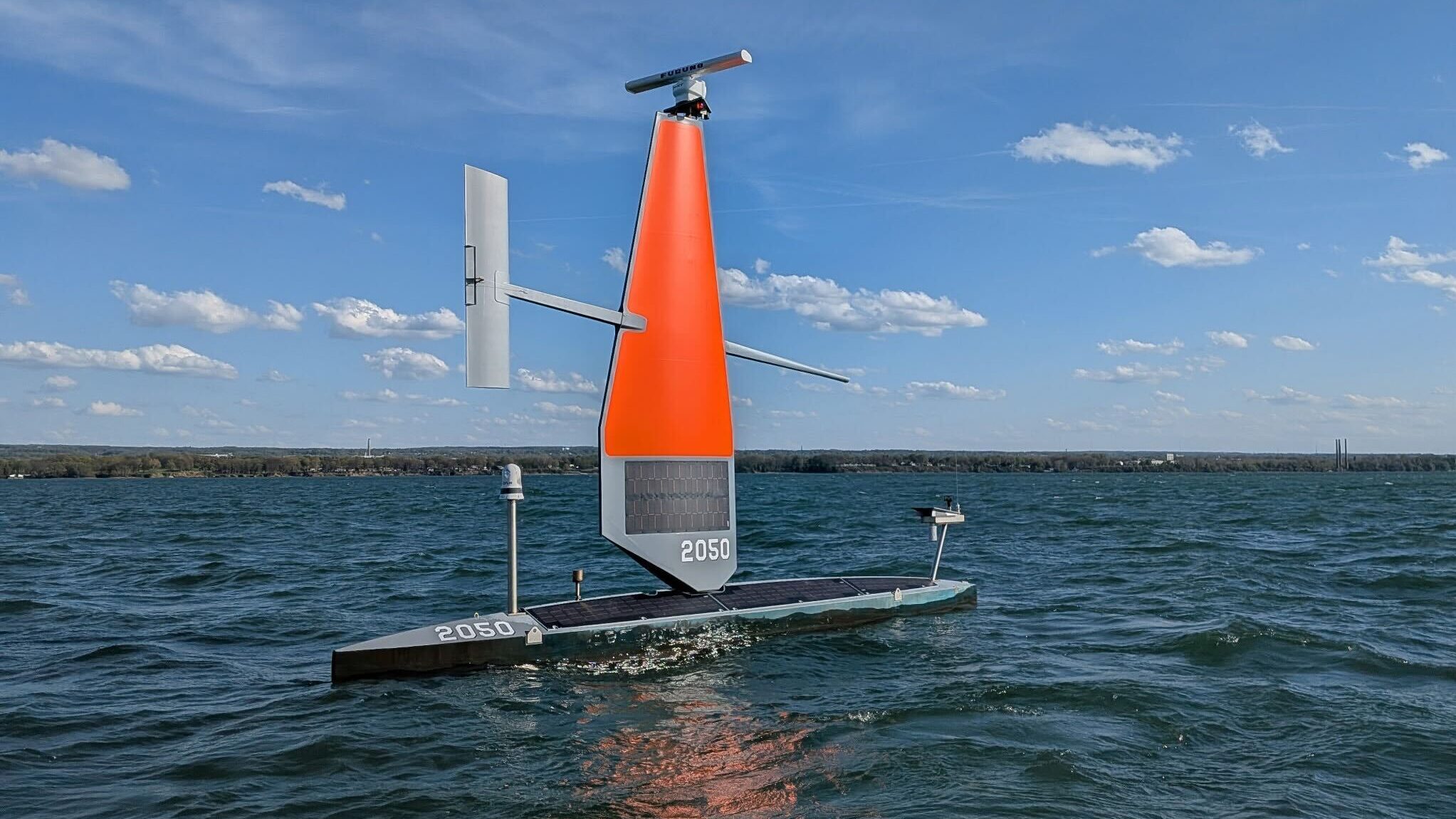
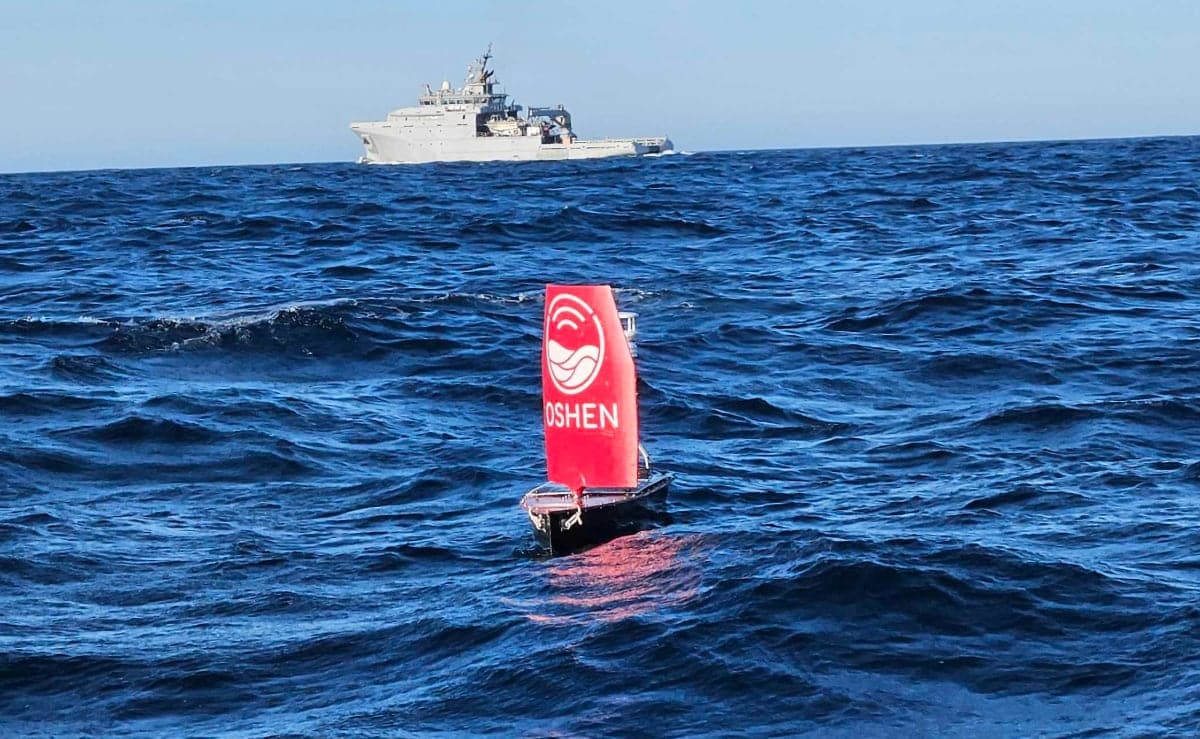
We have seen drones reshape conflicts on land and in the air in Ukraine, while the deployment of uncrewed vessels in the Strait of Hormuz has demonstrated how maritime autonomy is transforming the way nations protect their interests at sea.
The technology has crossed the threshold from invention to adoption, and the challenge now is to move at sufficient scale and speed to translate it into usable, integrated military capability that can successfully deter our adversaries.
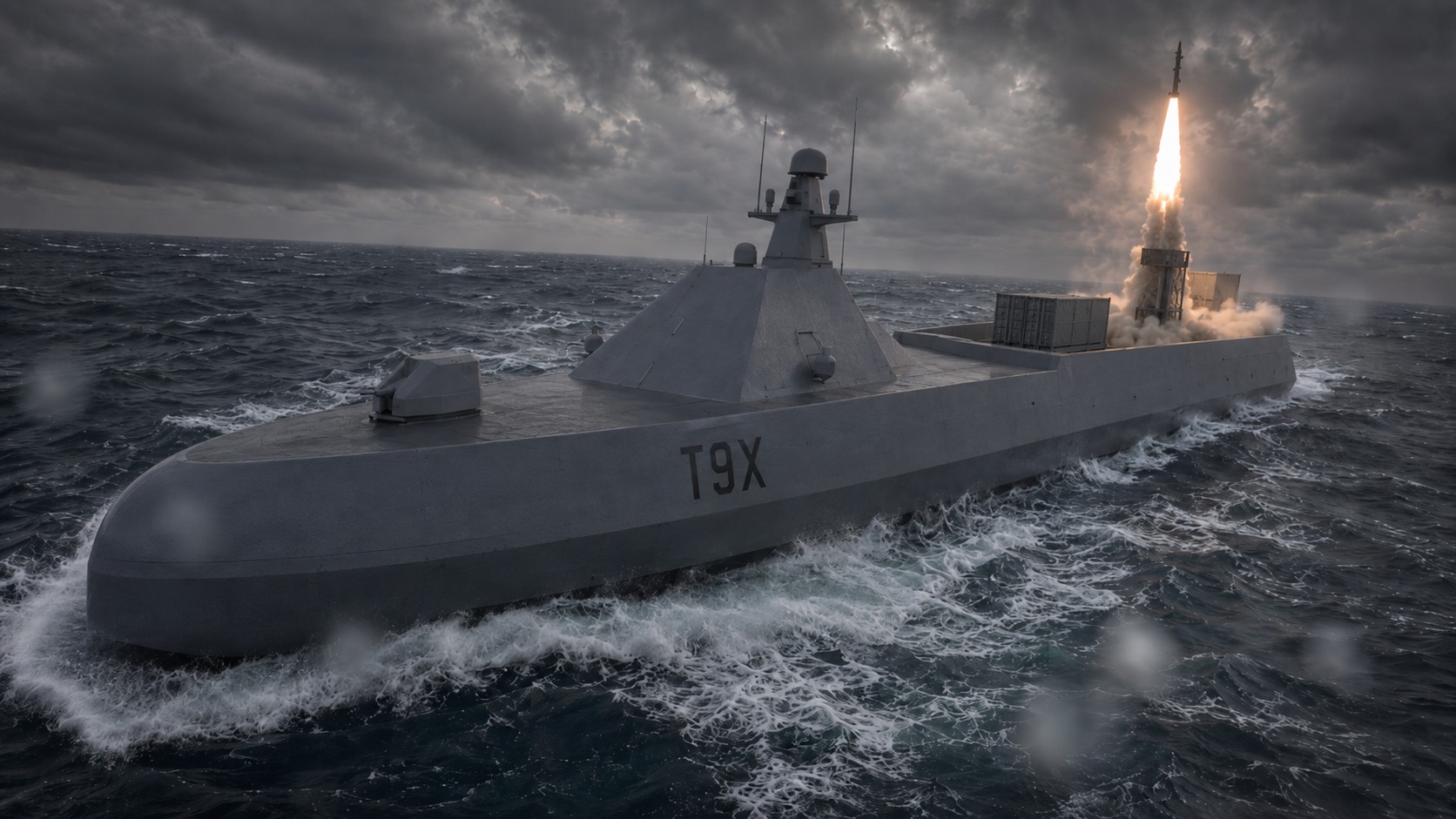
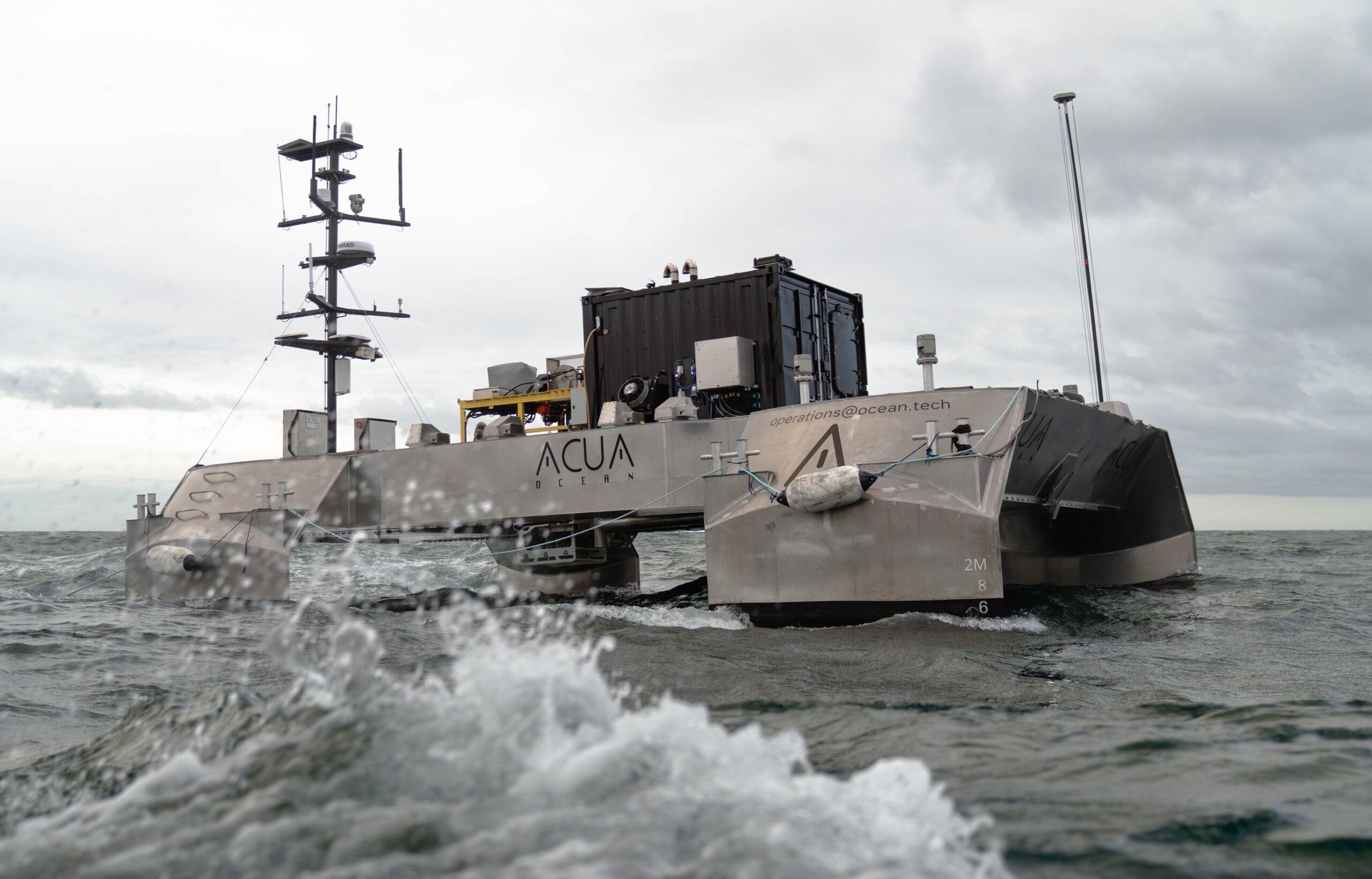
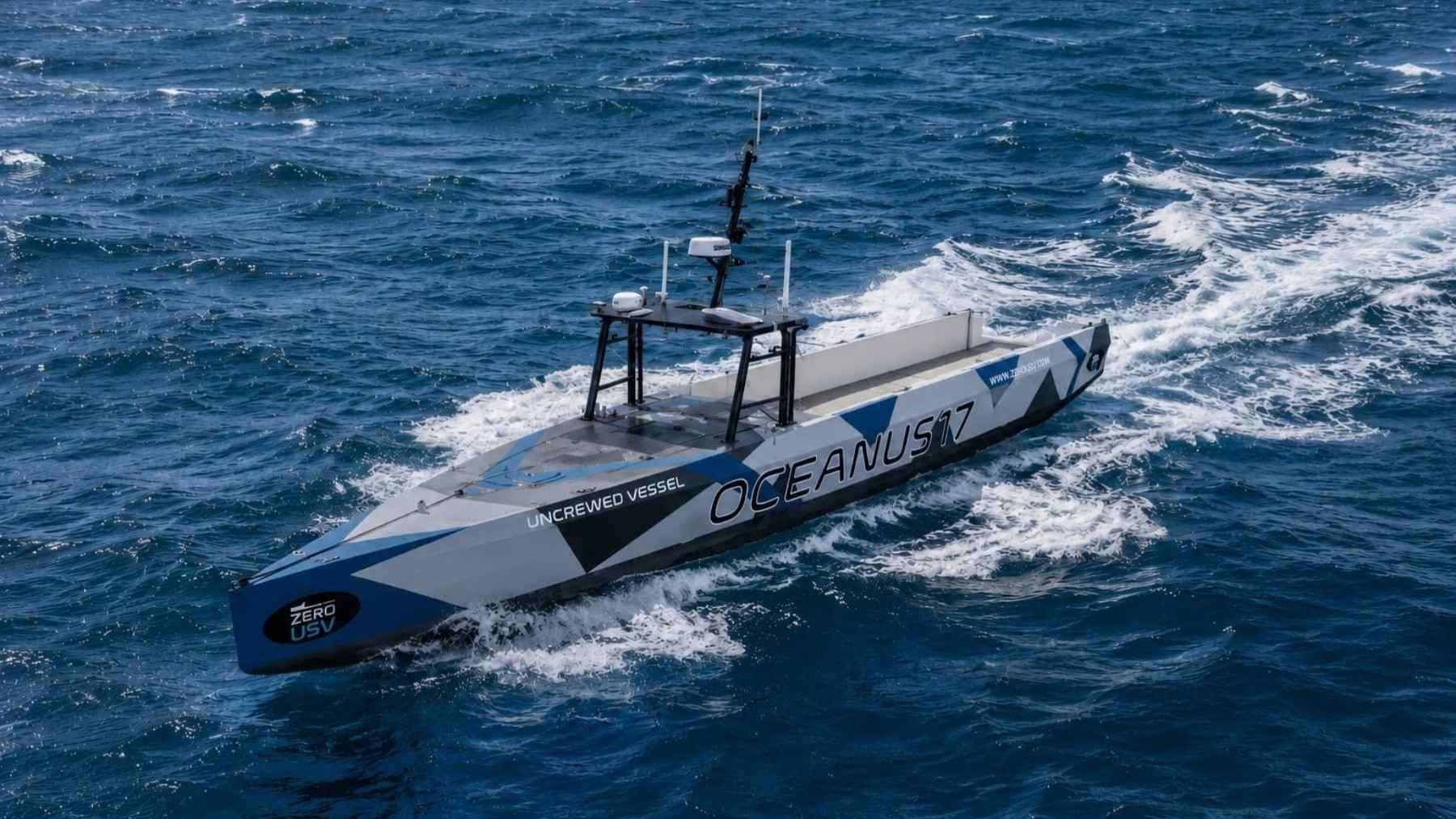
Through its evolving ‘hybrid fleet’ concept, the US Navy is planning to build more than 100 large uncrewed platforms over the next decade or so, while the Royal Navy is aiming to get its first large Uncrewed Surface Vessels, measuring more than 24 metres, into the water next year. As the First Sea Lord recently set out, USVs will be crucial to increasing the mass, survivability and lethality of UK forces.
Working with naval experts around the world, we have identified five challenges that governments, militaries, industry and academia need to overcome.
Firstly, regulatory lag is becoming a strategic vulnerability, which means certification, safety and liability frameworks must move quickly enough to counter emerging threats. Adaptive and flexible regulation that develops at the pace of innovation will increasingly determine which nations can operate, scale and insure autonomous fleets.
Secondly, there is no established ‘home port’ model for an autonomous fleet, so distributed logistics, forward support, new maintenance models, secure methods of updating software, and modern communications and data infrastructure must all be designed as core capabilities rather than treated as afterthoughts.
Thirdly, traditional procurement, or ‘acquisition’, logic is likely to deliver obsolete capability because autonomy favours iterative procurement, modular payloads and software-paced upgrades across a fragmented and highly specialised supply chain. Industry and governments must therefore align around what technologists call ‘rapid spiral’ development, a software design approach in which a product is developed through repeating stages or loops, allowing teams to build, test and adapt it in response to feedback.
Fourthly, navies must learn how to ‘crew’ uncrewed systems, as remote operations, mission-data roles, cyber defence, robotic maintenance and software development will require a fundamental transformation in how commanders operate and how personnel are recruited, trained and developed.
Finally, and most immediately, the success of the hybrid fleet will depend on ships that are already in the water because, if today’s in-service vessels cannot integrate uncrewed systems, navies will field fragmented and ineffective forces while their opponents use technology to leapfrog them.
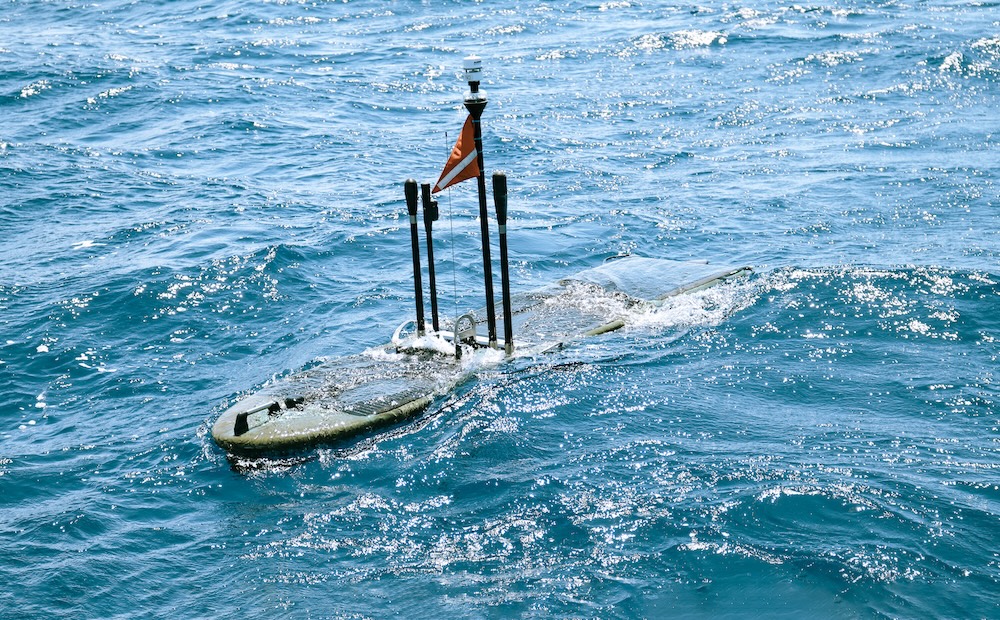
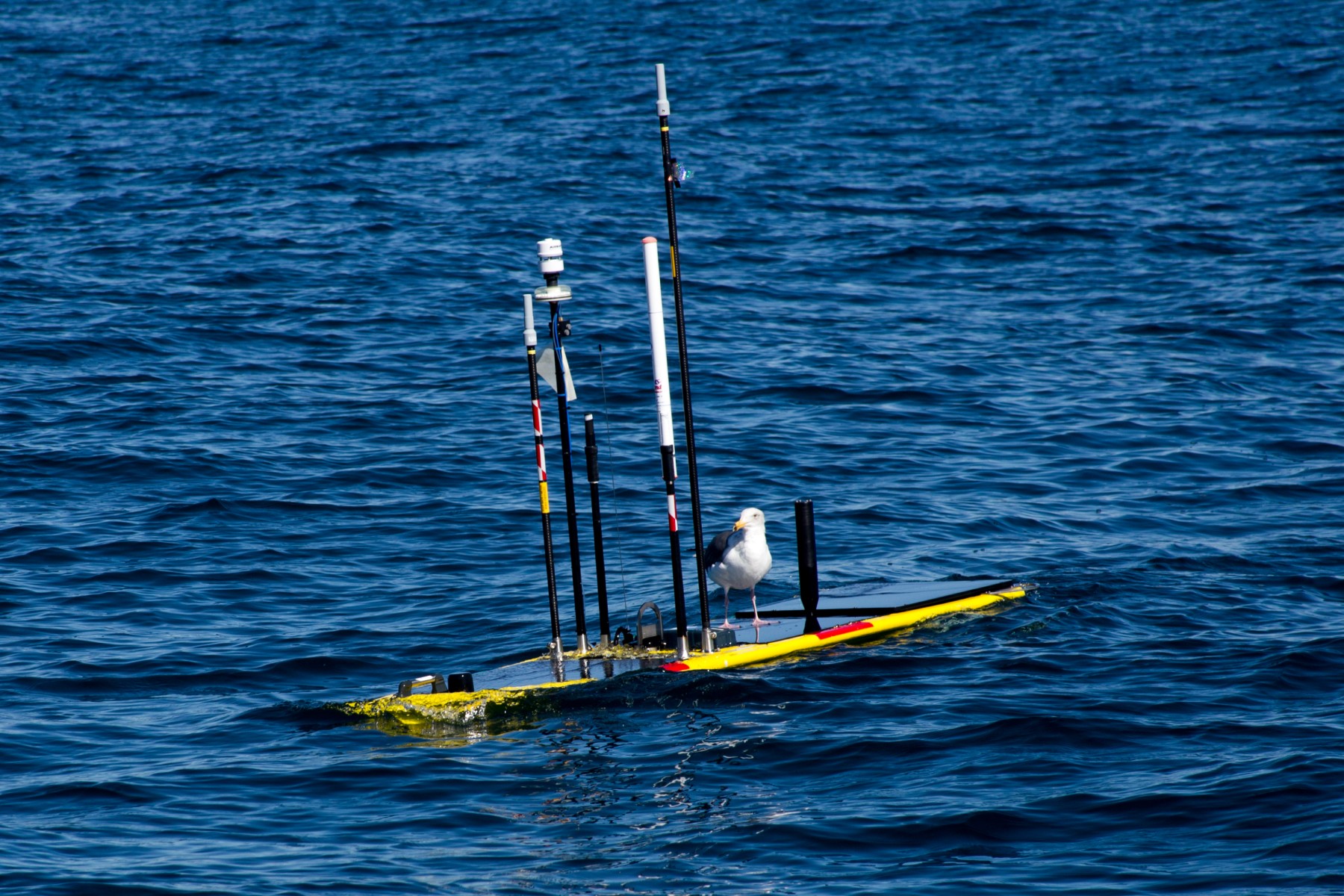
The benefits of USVs are clear because they can provide reach, persistence and responsiveness at a fraction of the cost of a conventional warship, while keeping crews out of harm’s way. In navies where fleets are ageing and recruiting sufficient personnel is increasingly difficult, autonomous platforms can also help alleviate some of the most immediate pressures.
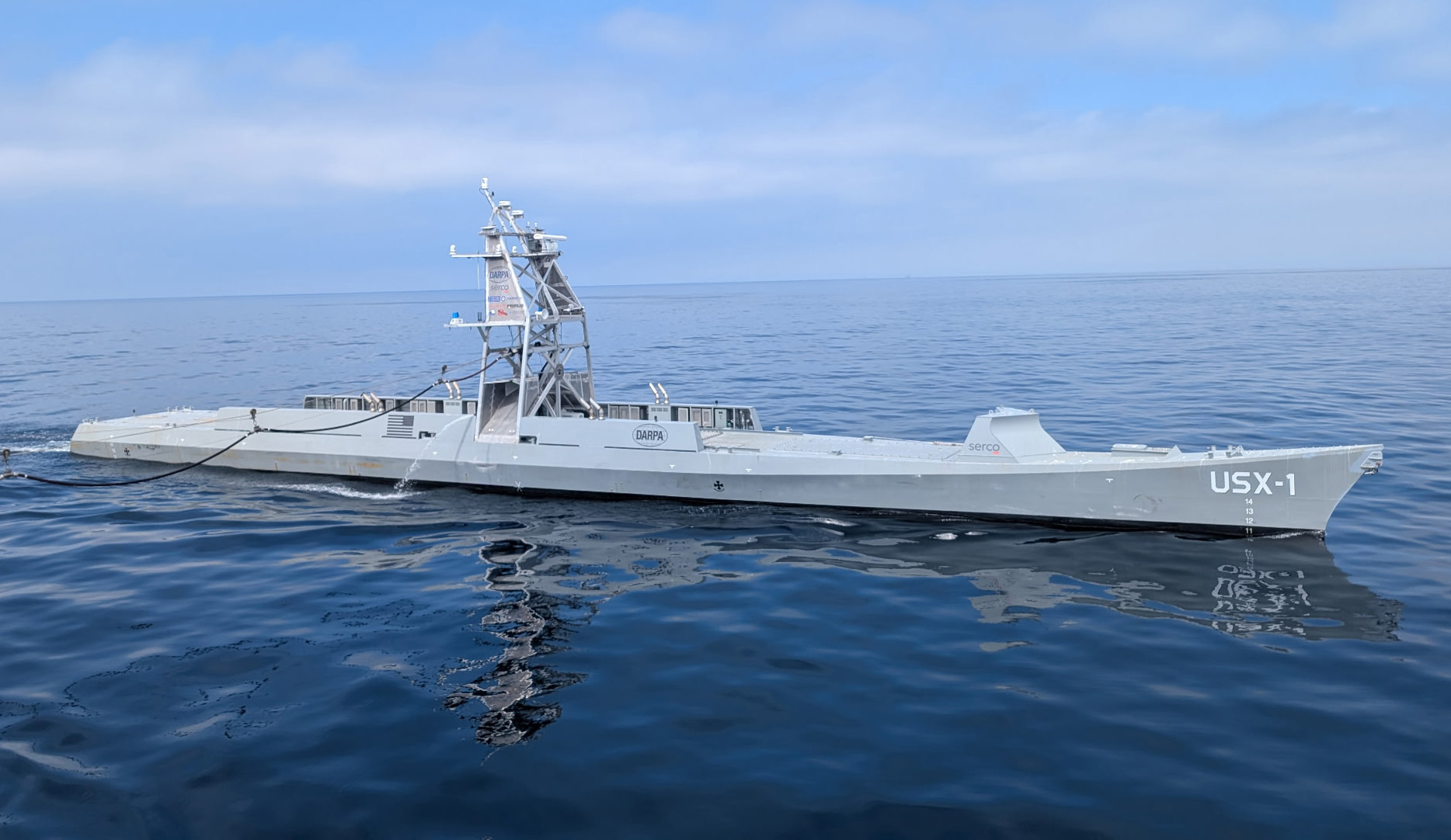
The most advanced platforms are no longer simply ‘remote controlled’ but are genuinely autonomous, with capabilities that continue to evolve rapidly, as demonstrated by Defiant USX-1, which was designed and developed by Serco for the US military research agency DARPA. The 55-metre vessel is currently conducting extended autonomous operations at sea, showing how quickly maritime autonomy is progressing from experimentation to real-world operations.
Effective partnership will be essential because realising the full potential of maritime autonomy requires close collaboration between navies, industry and academic partners that possess the expertise needed to turn innovation into operational reality.
Our oceans are more contested, congested and vulnerable than at any time since the Cold War, and military leaders are clear that autonomous vessels will play an increasingly important role in protecting defence and economic security. The race is no longer about proving whether maritime autonomy works, but about determining which nations can integrate it fastest, which means every part of the defence supply chain must work together to overcome the remaining hurdles and bring the Navy of the future into service rapidly.