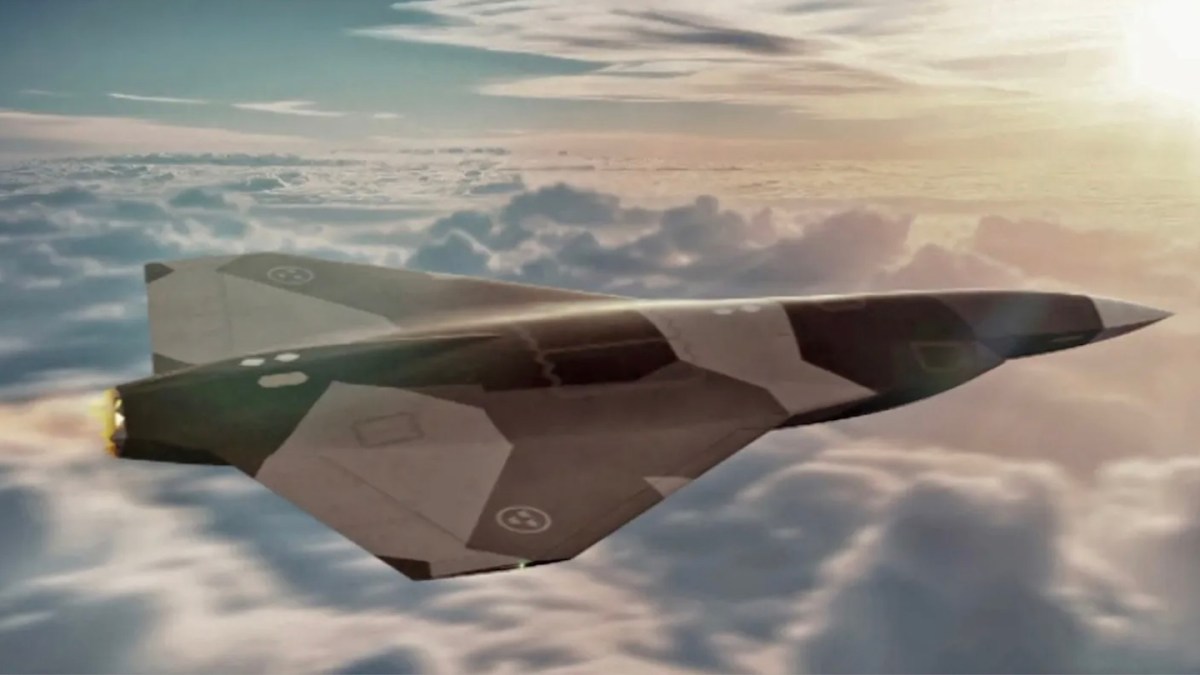
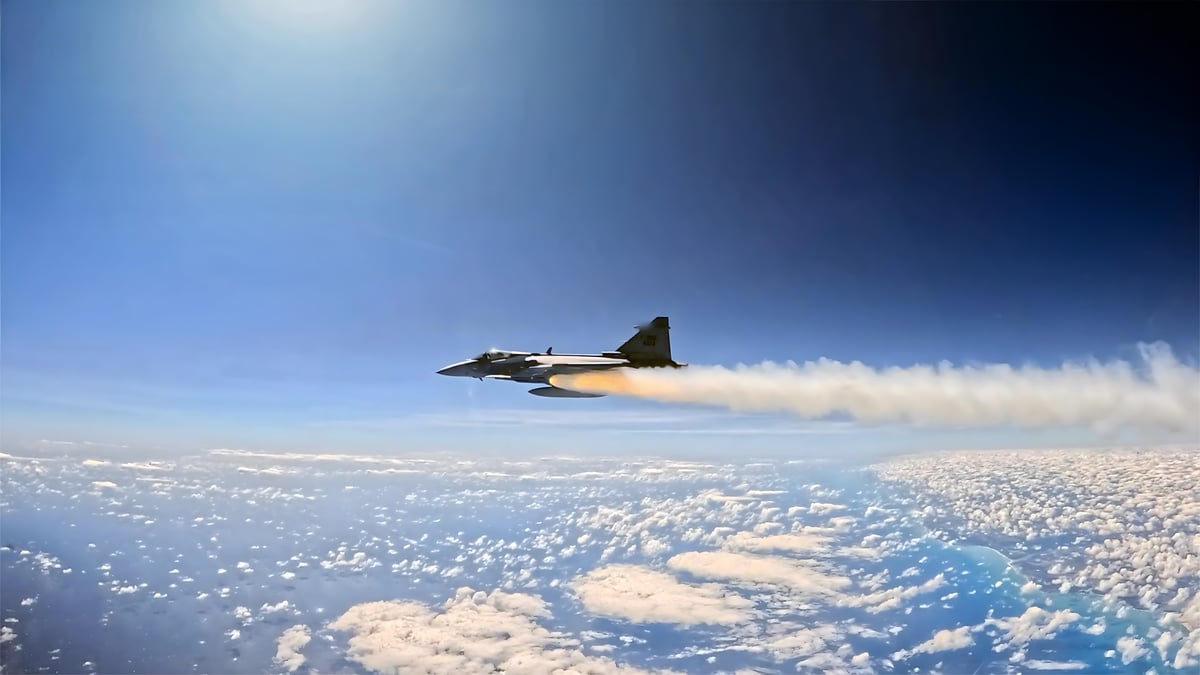
The big issue would be the different datalinks. The fighter community did have somewhat of a vision to move to MADL. Beyond that, the big issue has always been that all of the IT systems and good chunk of mission systems and software have to be CANUS certified for NORAD. These costs were enough to get Rafale and Typhoon to drop out before. There's a suspicion here that Saab is just telling us what we want to hear to get a contract.
Those numbers don't work. Two points.
1) Any dual fleet will definitely have to be larger. In part because of the transition.
2) We don't have the capacity to operate three fighter fleets simultaneously. The F-35 transition is already a huge lift for the RCAF at every level. From tech staff in Ottawa, to the training system to the infrastructure folks to security certification. Forcing the operation of three fighter fleets simultaneously and a double transition would break the RCAF. This means the transitions need to be sequenced and that means there need to be enough F-35s to retire the Hornet. That means 50-60 F-35s at least. Probably closer to the higher end.
And heck, even if this Gripen plan was announced today, zero chance they get a facility built and certified and delivering jets before 2031. By which point we'll have over 50 F-35s in service. To explain how hard this is. There's currently an effort to come up with a process to certify industrial facilities to Level III in Canada. That's right. We don't even have a way to certify a manufacturer to TS. A lot of Canadian OEMs don't even have certified SDAs. Let alone SCIFs. But now they're going to build 4.5 Gen combat jets?
The problem now is that having hyped up the Gripen to get concessions out of LockMart, there are so many America haters riled up who think the F-35 fleet should be 16. And Saab is saying 72 frames for a FAL. The government knows they need 50-60 F-35s. And they know that Gripen order if it happens won't be 70 frames. How do they break that news to their base?