
Boeing’s problem was integrating McDonnell Douglas management into theirs. Nothing good came of it.Boeings used to have a great reputation, then things changed.

You are using an out of date browser. It may not display this or other websites correctly.
You should upgrade or use an alternative browser.
You should upgrade or use an alternative browser.
The RCAF's Next Generation Fighter (CF-188 Replacement)
- Thread starter WingsofFury
- Start date

Fabius
Army.ca Veteran
- Reaction score
- 1,936
- Points
- 1,010
It may or may not. If you’re going to depend on another country to plan and fund the upgrades and do the actual heavy lifting can it be said to be indigenous? Is it going to help you develop your industry?So why could a licensed indigenously built fighter not be able to benefit from the licensor’s baseline in-service support and upgrade program.
Again it goes to what is the end state or the entire program.
For the JSF we were only a Tier 3 partner not what I would describe as one of the main ones, ie Tier 2. Even so I would not argue that our approach to the JSF / F35 procurement was a good one or that it is one that would work if we are trying to establish a robust indigenous industry and capability as a major partner.And wasn’t that the case with the F-35 when Canada joins the JSF Program? Why would this be a problem for a non-US program but was okay for a US-program?
Why would industry value or trust the relationship if we bail when it comes time to buy aircraft? Same for our partner nations?
you are too hard on the voters. They don't really know. The blame goes to the governments which weren't adult enough to invest wisely but instead chose to tailor their budgets to grab the most votes. In many ways similar to the Roman circuses. Plus, as discussed in other areas many of our Canadians weren't born here and have no reason to want to defend the place however many have lived in countries with significant military presence and would probably accept it as being necessaryAnd why don't we want to invest in defense? Because voters don't see an advantage in it perhaps? Would having lots of well-paid jobs in the defense industry likely change opinions on the matter?
Look at GDLS, the CA never seems to have problems getting more LAVS. The GoC isn't talking about cutting RCDs for the RCN, despite them costing more than the F-35s...

- Reaction score
- 28,457
- Points
- 1,360
You said earlier a licensed indigenously built aircraft. That means it’s licensed from somewhere else., like *Canadair Sabres. US design licensed and built in Canada. Or CF-5/116 Freedom Fighters. ISS still coordinated with the OEM.It may or may not. If you’re going to depend on another country to plan and fund the upgrades and do the actual heavy lifting can it be said to be indigenous? Is it going to help you develop your industry?
If that’s not what you meant, then what do you mean?
Again it goes to what is the end state or the entire program.
Which I proposed.
For the JSF we were only a Tier 3 partner not what I would describe as one of the main ones, ie Tier 2. Even so I would not argue that our approach to the JSF / F35 procurement was a good one or that it is one that would work if we are trying to establish a robust indigenous industry and capability as a major partner.
And any collaboration in a European 6th Gen fighter program like GCAP, which I personally prefer, would likely learn from the lessons of tepid collaboration like the JSF program.
No different than what should the JSF JPO trust us and keep the Canadian aerospace suppliers still in the program, which it does. So a mediocre F-35 program is still better than what another joint program based say in Europe could ever be?Why would industry value or trust the relationship if we bail when it comes time to buy aircraft? Same for our partner nations?
You asked for input, which I gave. If your view is different than mine, that’s fine. We don’t have to see things the same way.
If I were *PM for a day (or *however long might I have a decision last) I would have put more focus on the operational capability, and as I have said over a long duration of months *in this thread, I would have pushed for a second fleet based on the Rafale M, a nuclear strike capable (as the F-35 is) fighter aircraft that is a proven interoperable with U.S. aircraft (only non-US fighter to integrate and operate from a USN Nimitz-class carrier — without MADL btw), and reinforcing French and European aerospace industrial capacity.
Last edited:

Maxman1
Army.ca Veteran
- Reaction score
- 3,245
- Points
- 1,190
Or people get too wrapped up in the idea of a plane being built here that they miss the forest for the trees, namely that a limited run of final assembly doesn't give us a domestic industry.Alternatively, people are trying to have a discussion about the advantages of having domestic capacity to build fighter aircraft, and it gets derailed by "but the F-35 is better".
No, we're continually stuck with old equipment because we don't replace it in time, and almost always don't buy enough in the first place.If we stick to the current model of just buying from the Americans every 40+ years the RCAF will continuously find itself stuck with old and worn-out aircraft.
For example, the government was at one point going to buy Super Hornets as an interim, then canceled and bought used Hornets from Australia.
Shipbuilding and fast jet building is really apples and oranges.Looking at the NSS, there is zero reason we couldn't have an National Aircraft Strategy for the RCAF as well.
Maxman1
Army.ca Veteran
- Reaction score
- 3,245
- Points
- 1,190
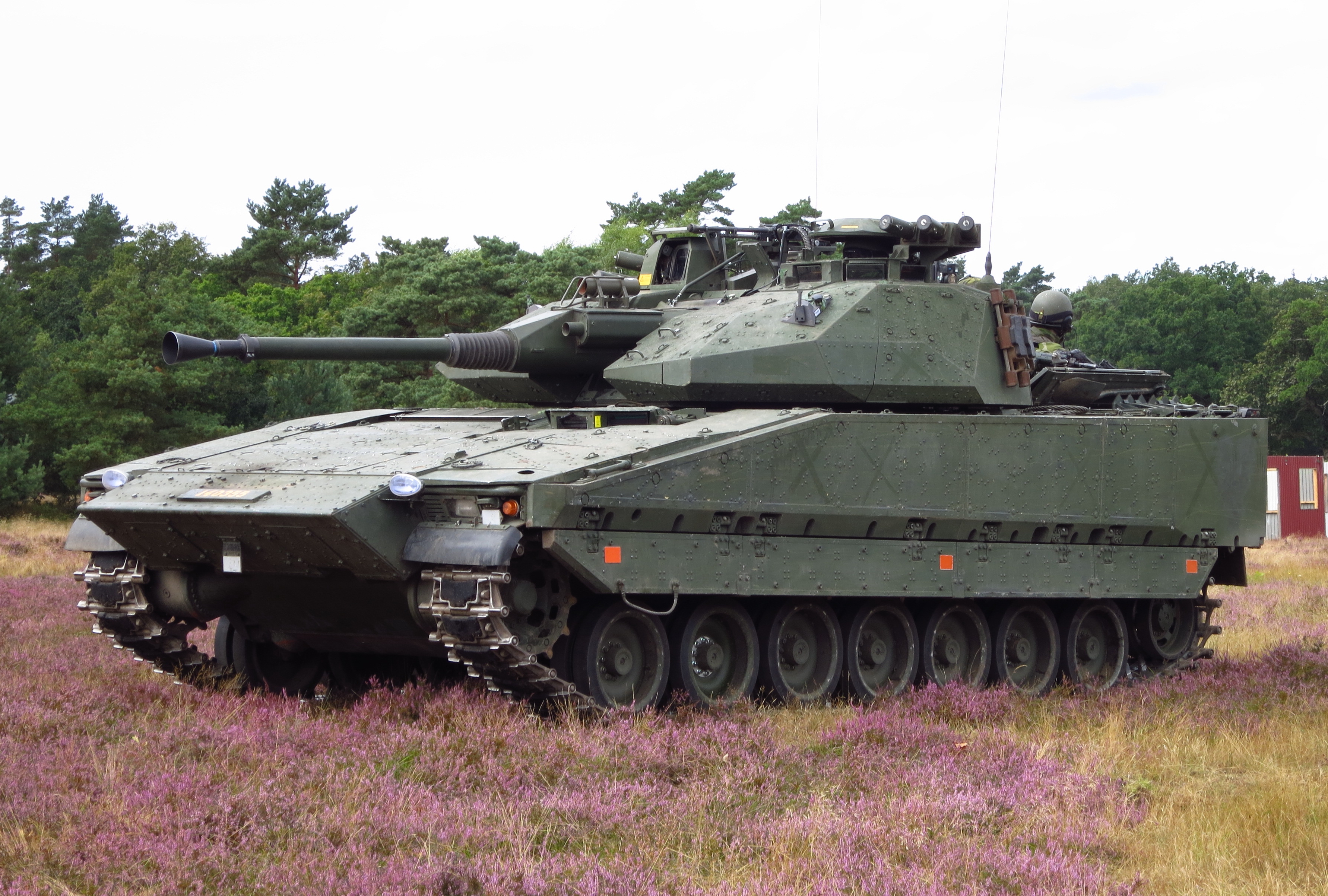
Pretty sure Sweden is set for armoured vehicles.Couple of thoughts. Maybe if we get Gripens to go with our F35 fleet, I think Sweden would really like a fleet of LAV6s and/or LAV ACSV. Hint, cough, hint.
Fabius
Army.ca Veteran
- Reaction score
- 1,936
- Points
- 1,010
You said earlier a licensed indigenously built aircraft. That means it’s licensed from somewhere else., like Canadait Sabres. US design licensed and built in Canada. Or CF-5/116 Freedom Fighters. ISS still coordinated with the OEM.
The Canadair Sabre in the Mk 6 variant actually is a good example of what I mean. It was significantly improved by Canada independent of the US or other nations. Specifically all Mks were powered by Canadian designed engines.
The same is true of the CF-5, specifically the development of the CRV-7 rockets in Canada to arm it.
Although the aircraft is certainly a licensed version, I see the indigenous component meaning that over time the aircraft is upgraded and modernized with specific avionics, weapons, perhaps engines etc. that are all designed, tested and built in Canada.
Hence growing the Canadian industrial and technological capacity.
- Reaction score
- 28,457
- Points
- 1,360
WHO amongst us here can say definitively that that cannot happen with the Gripen?Although the aircraft is certainly a licensed version, I see the indigenous component meaning that over time the aircraft is upgraded and modernized with specific avionics, weapons, perhaps engines etc. that are all designed, tested and built in Canada.
Alas, my preferred Rafale M will likely never see the light of day, so I’ll leave things back to the F35 versus JAS39 crowd.

Fabius
Army.ca Veteran
- Reaction score
- 1,936
- Points
- 1,010
It could happen with any aircraft. My point is simply two things:WHO amongst us here can say definitively that that cannot happen with the Gripen?
1. That’s how you develop and maintain a defence industry.
2. It’s more expensive than piggybacking off of another forces modernization efforts.
- Reaction score
- 28,457
- Points
- 1,360
1. Yes. However, bespoke comes at a notable cost. The more you’re your own program, the more you’re on your own.
2. Which is precisely a collaborating path, with varying degrees of work share, is the way to go.
Which leads right back to my saying your option 2 and 3, back when you posted…no to bespoke indigenous cap, and yes to participate with a current capability and maximize fabrication in Canada where possible, and yes to collaborating with other partner nations for a Gen 6 *capability.
2. Which is precisely a collaborating path, with varying degrees of work share, is the way to go.
Which leads right back to my saying your option 2 and 3, back when you posted…no to bespoke indigenous cap, and yes to participate with a current capability and maximize fabrication in Canada where possible, and yes to collaborating with other partner nations for a Gen 6 *capability.
Last edited:
Fabius
Army.ca Veteran
- Reaction score
- 1,936
- Points
- 1,010
1. Yes. However, bespoke comes at a notable cost. The more you’re your own program, the more you’re on your own.
2. Which is precisely a collaborating path, with varying degrees of work share, is the way to go.
Which leads right back to my saying your option 2 and 3, back when you posted…no to bespoke indigenous cap, and yes to participate with a current capability and maximize fabrication in Canada where possible, and yes to collaborating with other partner nations for a Gen 6 alability.
Absolutely fine but let’s not pretend that is a road to sovereign capability that insulates us from geopolitics and allied shifts in policy etc. ( Not saying your saying that, it’s just a general statement)
It’s a short term job program for the first and likely nothing more than something like GCAP observer status for the second. Which is also okay if that’s what we want to do with our available resources.

- Reaction score
- 9,802
- Points
- 1,210
Something we are not considering in this conversation is not that Canada provides attractive finished military effectors. We're far more specialized in systems that go into something else (like environmental control systems or sonar recievers).Couple of thoughts. Maybe if we get Gripens to go with our F35 fleet, I think Sweden would really like a fleet of LAV6s and/or LAV ACSV. Hint, cough, hint.
The attraction of Canada for military industry is the ability to provide capacity for industrial build out that frankly does not exist in Europe or Korea as an example. Saab doesn't just look to Canada as the place where they can sell the jets. Its a place where they can increase their capacity to build jets at a higher pace from 5 a year to 15 a year and fill Ukraines orders. Rhienmetal looks at Canada as a place where they can build out capacity to help them meet their orders for tanks.
They also look at Canada as a partner to diversify and provide redundancy to their supply chain. The current Iran situation has showed EU industry just how fragile things can be, and relocating some of that industry to a location where they have trusted secure supplies of resources within a continental system is attractive. They are also looking at negative population growth and wondering if they will be able to fill those factories with workers. These are things that the big defence industries have never had to look at before. Particularly as other trusted relationships are showing themselves as less stable.
So the discussion now is not just can we make the sale. But can we make a sale and leverage that investment into putting our company in a more secure position.

- Reaction score
- 3,258
- Points
- 1,140
Yes, we have a lot of spare industrial capacity, and access to natural resources.Something we are not considering in this conversation is not that Canada provides attractive finished military effectors. We're far more specialized in systems that go into something else (like environmental control systems or sonar recievers).
The attraction of Canada for military industry is the ability to provide capacity for industrial build out that frankly does not exist in Europe or Korea as an example. Saab doesn't just look to Canada as the place where they can sell the jets. Its a place where they can increase their capacity to build jets at a higher pace from 5 a year to 15 a year and fill Ukraines orders. Rhienmetal looks at Canada as a place where they can build out capacity to help them meet their orders for tanks.
They also look at Canada as a partner to diversify and provide redundancy to their supply chain. The current Iran situation has showed EU industry just how fragile things can be, and relocating some of that industry to a location where they have trusted secure supplies of resources within a continental system is attractive. They are also looking at negative population growth and wondering if they will be able to fill those factories with workers. These are things that the big defence industries have never had to look at before. Particularly as other trusted relationships are showing themselves as less stable.
So the discussion now is not just can we make the sale. But can we make a sale and leverage that investment into putting our company in a more secure position.
Moreso due to the tariff war brought on by the USA. We should absolutely be leveraging that when it comes to military procurement, either directly or indirectly .
Which is why you have subs for cars deals being negotiated (indirectly) and the potential deal with SAAB (directly)

ArmyRick
Army.ca Fixture
- Reaction score
- 4,218
- Points
- 1,160
Thats an IFV, I think Sweden would love the LAV6 ACSV to provide fast armoured road mobility for force protection and support units. Cough, better than Patria, cough. At least in my opinion.Pretty sure Sweden is set for armoured vehicles.
See, I am doing my part for "Canada strong"
Maxman1
Army.ca Veteran
- Reaction score
- 3,245
- Points
- 1,190
They'vegot that covered, too.Thats an IFV, I think Sweden would love the LAV6 ACSV to provide fast armoured road mobility for force protection and support units. Cough, better than Patria, cough. At least in my opinion.
See, I am doing my part for "Canada strong"
.jpg)

- Reaction score
- 13,920
- Points
- 1,160
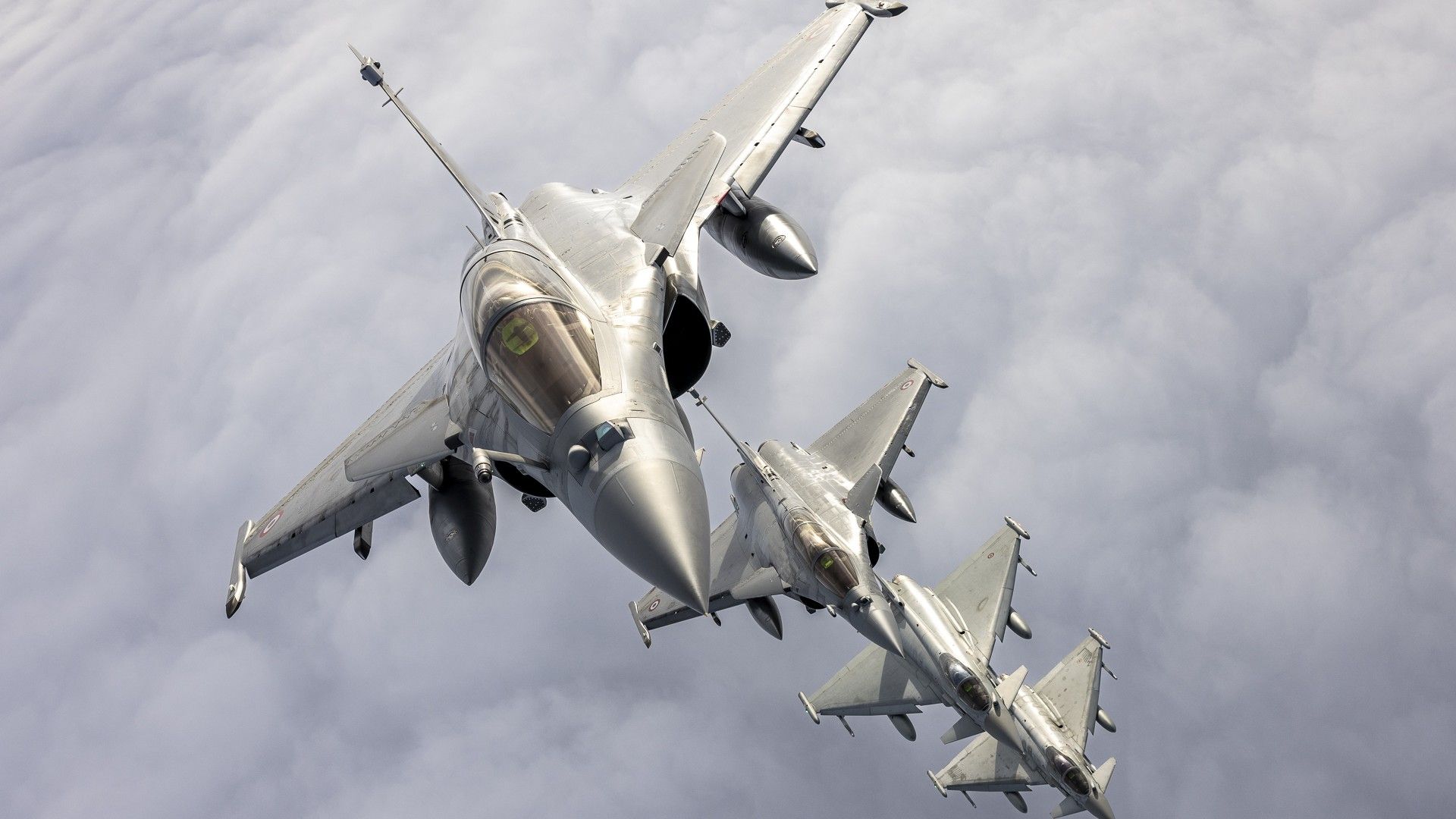
Airbus pivots to Saab after FCAS collapse
The Future Combat Air System has officially collapsed — but that doesn’t mean it’s over. At least three alternative paths remain, one of them centred on an Airbus–Saab consortium.
 defence24.com
Pragmatism vs Nationalism.
ArmyRick
Army.ca Fixture
- Reaction score
- 4,218
- Points
- 1,160
I see tracks, not wheels. Not every armoured vehicle has to be tracked. Go back and read what roles I suggested for the LAV6 ACSV.They'vegot that covered, too.

- Reaction score
- 7,026
- Points
- 1,160
Sweden already has the Patria AMV...I see tracks, not wheels. Not every armoured vehicle has to be tracked. Go back and read what roles I suggested for the LAV6 ACSV.
In addition to the Patria Pasi
I think they've already got wheeled mobility covered.
ArmyRick
Army.ca Fixture
- Reaction score
- 4,218
- Points
- 1,160
I am trying to help Uncle Mark out here. Give me some back up.Sweden already has the Patria AMV...
View attachment 100917
In addition to the Patria Pasi
View attachment 100918
I think they've already got wheeled mobility covered.
However in that logic, Canada already has F35s on the order (30 ish) so zero need for Gripen then, since the F35 will cover that.
- Reaction score
- 3,258
- Points
- 1,140
Not counting the Globaleye?I am trying to help Uncle Mark out here. Give me some back up.
Except that there are industrial benefits to go along with the jet purchase.However in that logic, Canada already has F35s on the order (30 ish) so zero need for Gripen then, since the F35 will cover that.
Which is fine for the LAV series, as we don't buy other or "better" light armored vehicles, we buy Canadian. Or with subs, where we are looking for industrial benefits for which sub we decide on, nobody seems to have a problem with that.
But god forbid we treat the air force like we do the Army or Navy, everybody loses their minds.
Similar threads


- Replies
- 559
- Views
- 319K

- Replies
- 68
- Views
- 77K


- Replies
- 3
- Views
- 19K