- Reaction score
- 2,008
- Points
- 1,160
And in the god news department, its appears that a wayward Russian missile may be responsible for the destruction on an oil storage tank:




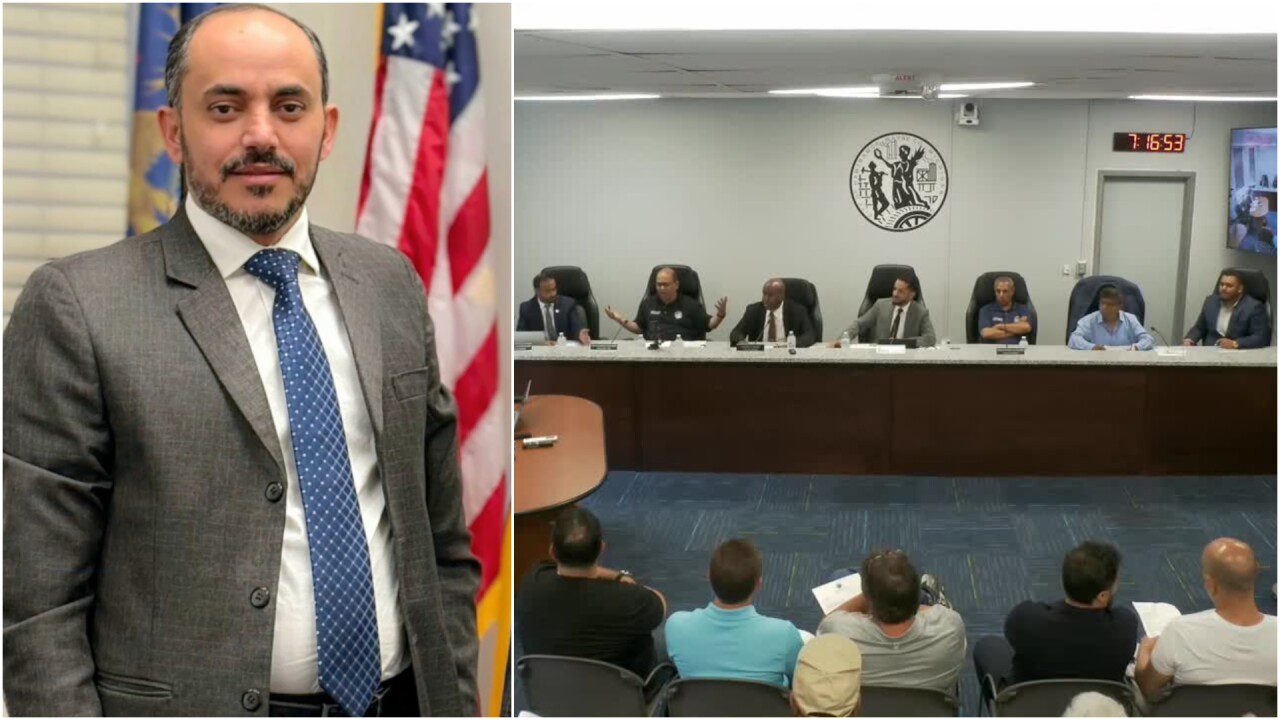
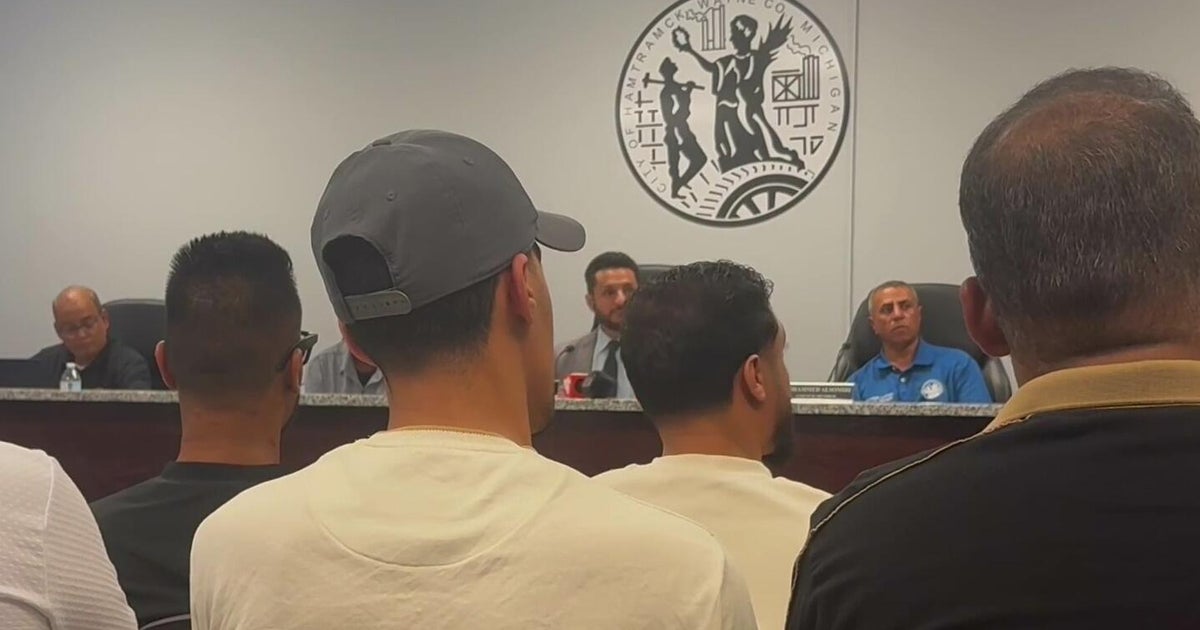
Interesting the opposition arguments, even when this passed in 2023: "... Opponents say they're concerned about odors, kids being traumatized and community health violations ..." Elsewhere on the boards, some folks suggest this sort of thing might be good as a way to teach more people - including youth - where food comes from and the natural order of things. We'll have to see how it continues to unfold, right?Any satan worshippers out there? Hamtramck City Council passes religious animal slaughter ordinance

 www.cbsnews.com

 www.mlive.com

Hamtramck used to be 100% Polish when I was a kid growing up in Windsor. My Mom knew a lot of people from their when she was younger, she grew up in a 90% Polish, 10% Irish neighborhood in Detroit close by. We used to go to Polish bakery and deli stores in Hamtramck during the weekend and bring it all back to Windsor. Some of the best rye/caraway seed bread came from there.Interesting the opposition arguments: "... Opponents say they're concerned about odors, kids being traumatized and community health violations ..." Elsewhere on the boards, some folks suggest this sort of thing might be good as a way to teach more people - including youth - where food comes from and the natural order of things. We'll have to see how it unfolds, right?

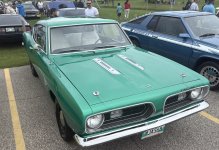
Real cars !Hamtramck was where Plymouth made Barracudas. This one was made there


It does seem odd just going by the short clip, but we don't know the evidence presented or defence raised.This was in Mississauga.
Not for me to judge, but a little bit surprised by the verdict.
From this:It does seem odd just going by the short clip, but we don't know the evidence presented or defence raised.
... The judge said there were two reasons the crash could have happened: Dhaliwal was distracted or the brakes on the bus she drove were faulty.
Dhaliwal did not testify in her own defence, but her lawyers argued the brakes on the bus she was driving failed, and she had to use a hand brake to eventually stop the bus.
A mechanic for the Crown testified that the brakes on the bus were working at the time of the collision, but the defence called that witness unreliable.
The Crown also told the judge it was their theory that the brakes were working, but Dhaliwal didn’t apply them due to a “pattern of inattention” on the day of the deadly crash.
In his final decision, the judge called the series of events “bewildering.”
“Taking all the evidence together, the mystery of what caused this accident has not been solved. Brake failure remains a viable possibility,” Harris wrote.
“Contrary to this, proof in a criminal case requires a high degree of certainty as expressed in the beyond a reasonable doubt standard. Reasonable doubt must be excluded. That standard, in my view, has not been achieved. The Crown has failed to convincingly remove brake malfunction as the cause of the collision.” ...
The judge said there were two reasons the crash could have happened: Dhaliwal was distracted or the brakes on the bus she drove were faulty.
A mechanic for the Crown testified that the brakes on the bus were working at the time of the collision, but the defence called that witness unreliable.
The Crown also told the judge it was their theory that the brakes were working, but Dhaliwal didn’t apply them due to a “pattern of inattention” on the day of the deadly crash.



2) no evidence that the brakes were faulty - because she gave no evidence - just a defence theory pulled out of counsel's butt.
In August 1993 one of our soldiers was killed in Croatia when the brakes in an MLVW failed and it rolled back, crushing him between two vehicles.That decision is more bewildering than the accident. What we have is:
1) evidence that the brakes were okay by the crown expert; and
2) no evidence that the brakes were faulty - because she gave no evidence - just a defence theory pulled out of counsel's butt.
One would think in a case like this the judge would have to give clear and compelling reasons why he accepted the "bad brakes" theory in the face of expert evidence and no contrary evidence.

Went through Cornwallis with him...In August 1993 one of our soldiers was killed in Croatia when the brakes in an MLVW failed and it rolled back, crushing him between two vehicles.
The MLVW was inspected by techs and IIRC the brake was faulty - the temp park brake.
RIP Johnny B
He was a good soldier. I was on site the day he was killed - I didn't see it but saw the stretcher being taken to the UMS.Went through Cornwallis with him...
As a Heavy truck mechanic brake failure on an air brake system is HIGHLY unlikely. I have not seen it on a truck in my 20+ year career. More likely she didn't brake or she missed the brake pedal and hit the throttle instead. Why did the crown not retrieve the onboard computer data?
That was my first thought. Apparently MiWay (Mississauga Transit) buses also have onboard video and audio (not sure what it captures).Why did the crown not retrieve the onboard computer data?
I have not seen it on a truck in my 20+ year career.