
HavokFour
Army.ca Veteran
- Reaction score
- 4,461
- Points
- 1,040
State broadcaster... good now?



Trembles angrily in Louis XIVIt's not the state's broadcaster if it's owned by the king himself.


Off with his head!


 www.cp24.com

So... Canada is destroying itself by letting millions into the country.
The only way for millions of people to enter a country is over a land border.
Han Island is uninhabited.
Therefore, Canada has a problem with its land neighbour having a lack of border control.
Trump says Canada is ‘destroying itself,’ Carney to speak at event with European leader. Live updates here.
U.S. President Donald Trump says, 'Canada is destroying itself by allowing millions and millions of people into the Country.' Follow for live updates.
So... Canada is destroying itself by letting millions into the country.
The only way for millions of people to enter a country is over a land border.
Han Island is uninhabited.
Therefore, Canada has a problem with its land neighbour having a lack of border control.
Trump says Canada is ‘destroying itself,’ Carney to speak at event with European leader. Live updates here.
U.S. President Donald Trump says, 'Canada is destroying itself by allowing millions and millions of people into the Country.' Follow for live updates.
Low population growth for a brief time so we can catch up on policy and infrastructure is good and necessary, but we’re gonna need to get back to more robust population growth sooner rather than later for all the normal economic reasons. There needs to be a solid, multi-layered plan for that, fed led with as much provincial buy-in as can reasonably be achieved.

You need to tie this policy to some form of contributing to society though, not just encouraging more single parent baby factories.I agree.
Give major financial breaks for having kids. Multiply those breaks for every kid.
Target your immigration on professional sectors we need. Target it only to working aged people, with no health complications.
You need to tie this policy to some form of contributing to society though, not just encouraging more single parent baby factories.
Pay more to individuals who are working and raising a family. Make incentives to those who own family businesses where the children are part of the business (be it farming, fishing, small business owners, etc). I was going to say make it means based, but logically, you want to incentivize all families to increase the birth rate, not just the poor.
Maybe also make it attractive to have one stay at home parent or caregiver (such as a grandparent).
Qualified individuals able to 'add economic value' to Canada when they hit the ground running. We do not need 'parental/grandparent reunification.' That creates an undo burden on our federal/provincial finances and our health care systems.Low population growth for a brief time so we can catch up on policy and infrastructure is good and necessary, but we’re gonna need to get back to more robust population growth sooner rather than later for all the normal economic reasons. There needs to be a solid, multi-layered plan for that, fed led with as much provincial buy-in as can reasonably be achieved.
Low population growth for a brief time so we can catch up on policy and infrastructure is good and necessary, but we’re gonna need to get back to more robust population growth sooner rather than later for all the normal economic reasons. There needs to be a solid, multi-layered plan for that, fed led with as much provincial buy-in as can reasonably be achieved.

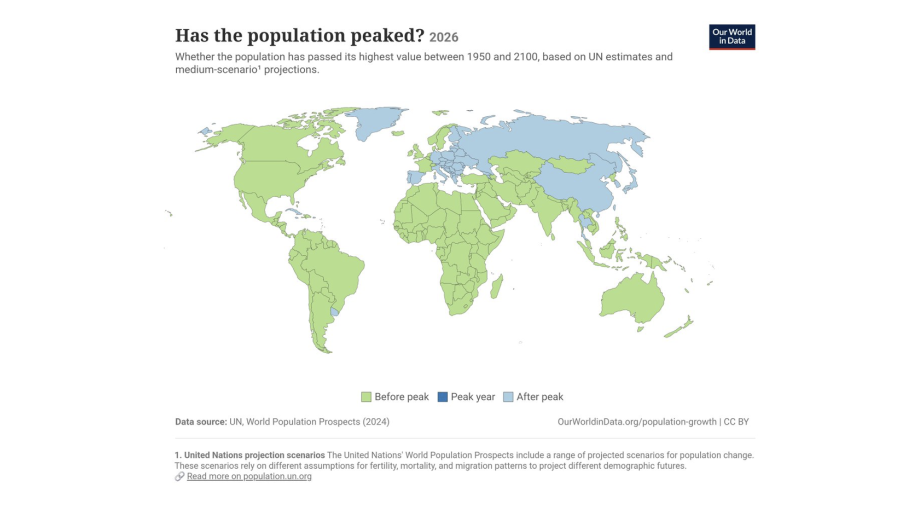
 www.intellinews.com
Some initial thoughts:Solid points. I don't have a perfect answer, just an opinion on the direction I'd like to see us go. I agree, If we're going to use public policy to encourage larger families, it should reward both raising children and contributing to society through work, business ownership, or caregiving. I'd rather see incentives that strengthen stable family formation, make it easier to raise children, and recognize the value of parents or grandparents who provide care. The goal shouldn't be simply more births, but more families that have the support and stability needed to succeed.

The American Dream.Figure out why so many successful people around the world want to go to the US. Emulate that to the best of our ability. This is radical, I know, because it would mean rethinking our economic policies.
For my 2cents, things peaked throughout the 90s and then began swirling the toilet bowl.The American Dream.
The problem is it is generally an illusion, as our economy isn’t sustainable, and private and public debt is insane.
Don’t get me wrong, there are many many great things about America but both the DNC and RNC are ruining it as quick as they can.
Addendum:For my 2cents, things peaked throughout the 90s and then began swirling the toilet bowl.

