Please remember that our system of 'responsible' (vs 'representative') democratic government is very old - it does back beyond Simnon de Montfort and beyond even Magna Carta. It has its roots in the Anglo Saxon '
witan' which, eventually, established control over the king's "privy purse,' and controlled him (or very occasionally her) by limiting his ability to raise taxes. Some historians say that some witans even elected their monarchs when there was not a clear and popularly acceptable choice. (Remember, please, that there were many kingdoms in Anglo Saxon Britain.)
De Montfort gave us the idea of a modern parliament in the 13th century (which he lifted from the Icelandic
Althing which was established in the 9th or 10th century) in which every 'commune' (or community) was represented by someone other than just the hereditary lord of bishop - by
knights of the shire or
burghers (landowners or merchants). We still use his term in Canada: the House of Commons in French is 'Chamber des Communes.)
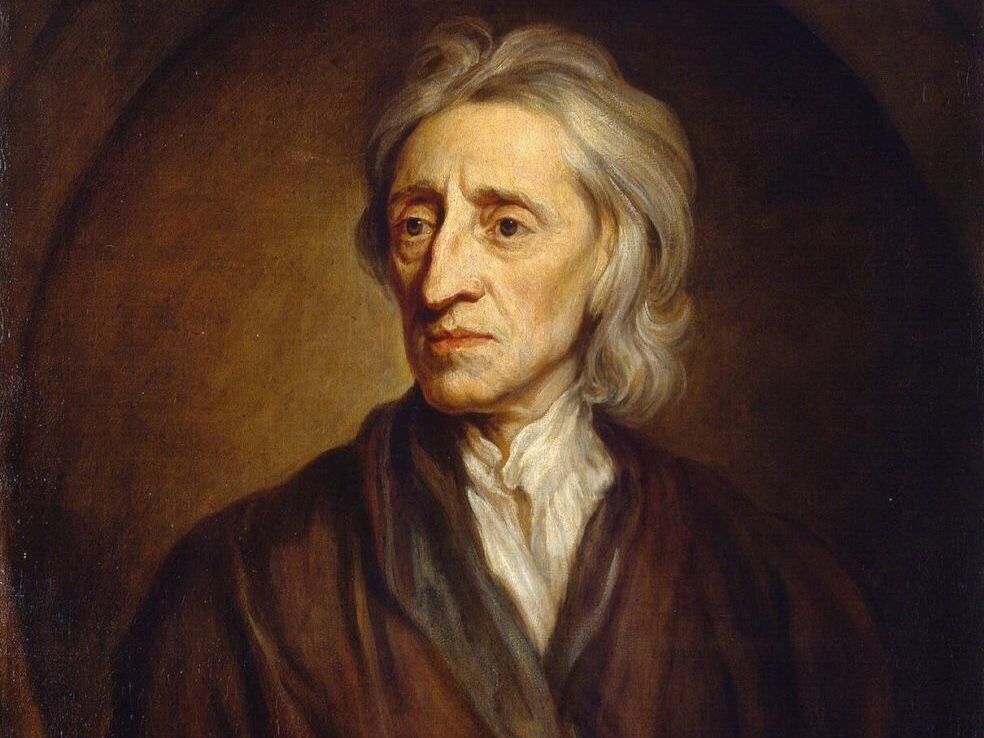
John Locke, in the 17th century, gave Britain (and America) the idea that each individual had certain fundamental, natural (or "inalienable") rights which the sovereign and her for his government was duty bound to maintain but did NOT grant and could not take way.
In the 17th and 18th centuries the British developed the idea that the government, actually the "executive - "the sovereign's "privy council" - was "responsible" to the people by requiring it to have the "confidence" of the House of Commons, of the people's elected representatives. The Americans, and many others, adopted a slightly different system: once elected by a free and fair vote a "representative" government held power for a fixed term.
Canada's constitution represents the first attempt to write a formal, written constitution for a "responsible" ('Westminster' type) parliamentary democracy. It's many flaws, including PEI's Senate seat allocation, for example, were not addressed inter 1970s and '80s when Pierre Trudeau was negotiating the partition and reform of the British North America Act of 1867 because, simply, he didn't care about or even much like "liberal democracy;" his primary interests were: language rights for French Canadians and national management by the political executive.




 www.ctvnews.ca