Don't shoot the messenger!

"A warship is, once you strip the paint off the idea, an apartment building that shoots. Most of what fills a destroyer’s hull exists to feed, bunk, ventilate and generally keep alive the few hundred people who run the place."
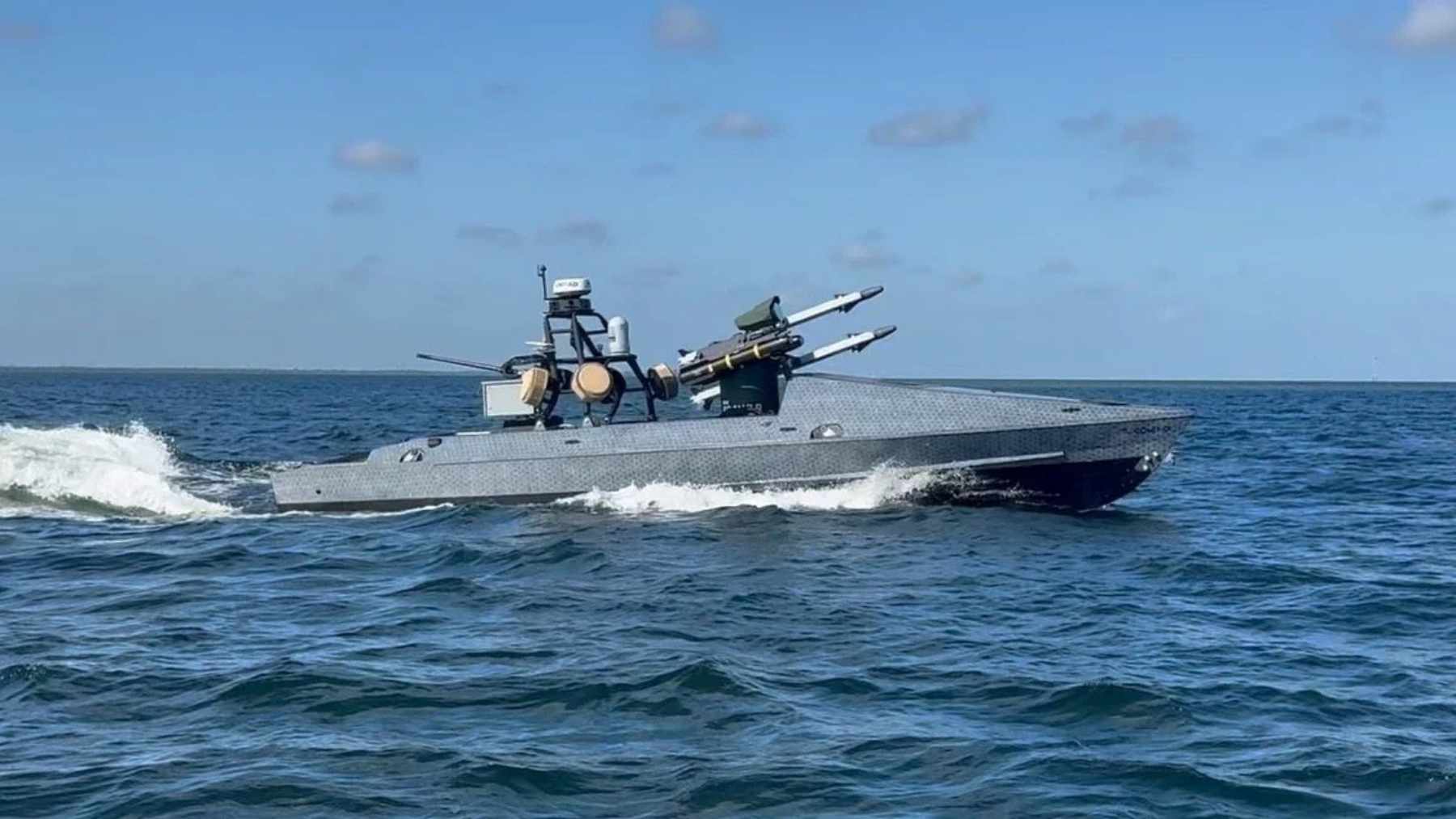
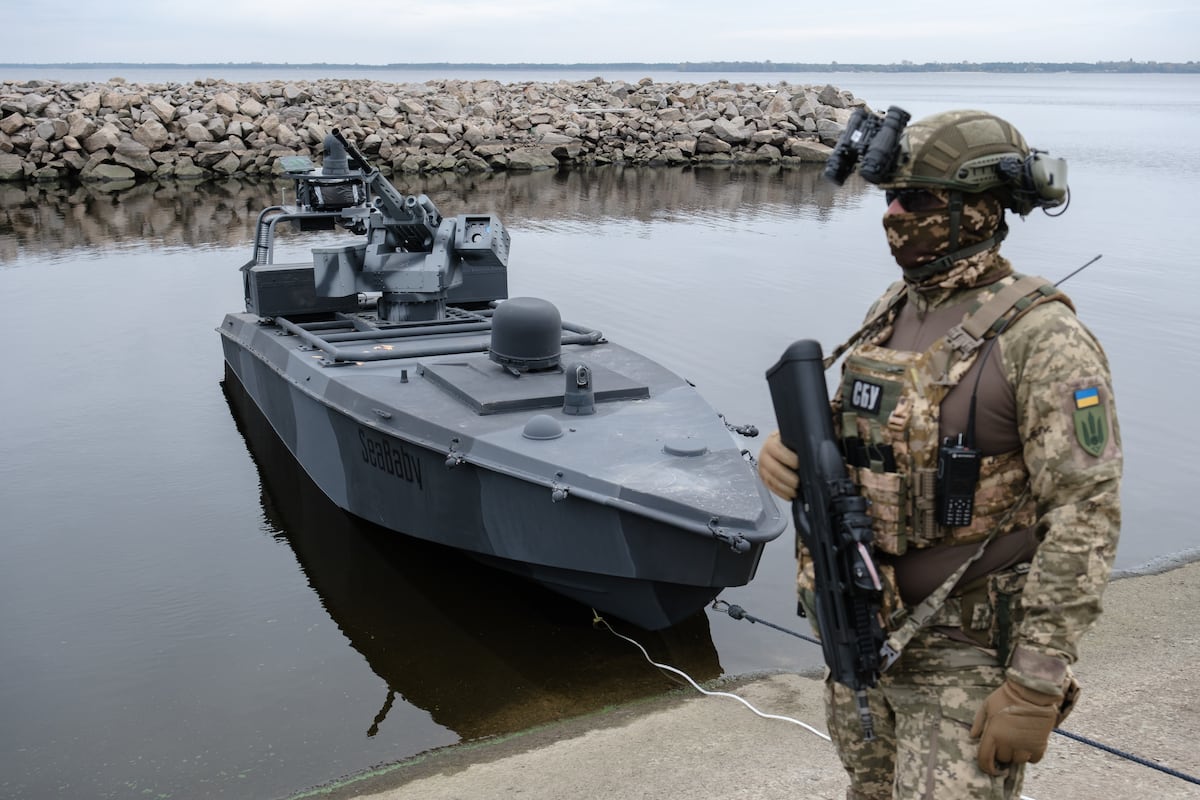
And it arrives into a fleet suddenly crowded with crewless hulls. The Navy just sent armed drone boats to the Caribbean for a three-month deployment, and the

www.autonocion.com
"DARPA looked at that century-old arrangement and asked a rude question: what happens to a ship if nobody ever comes aboard? Not a smaller crew. Nobody, ever.
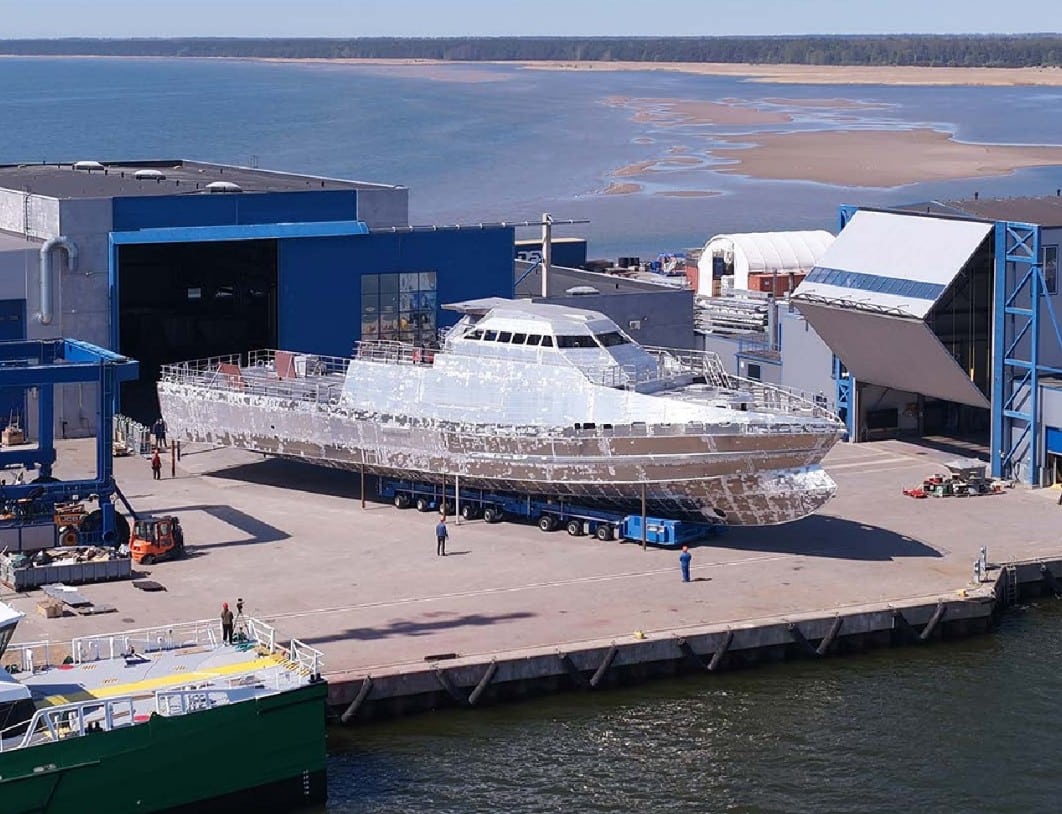
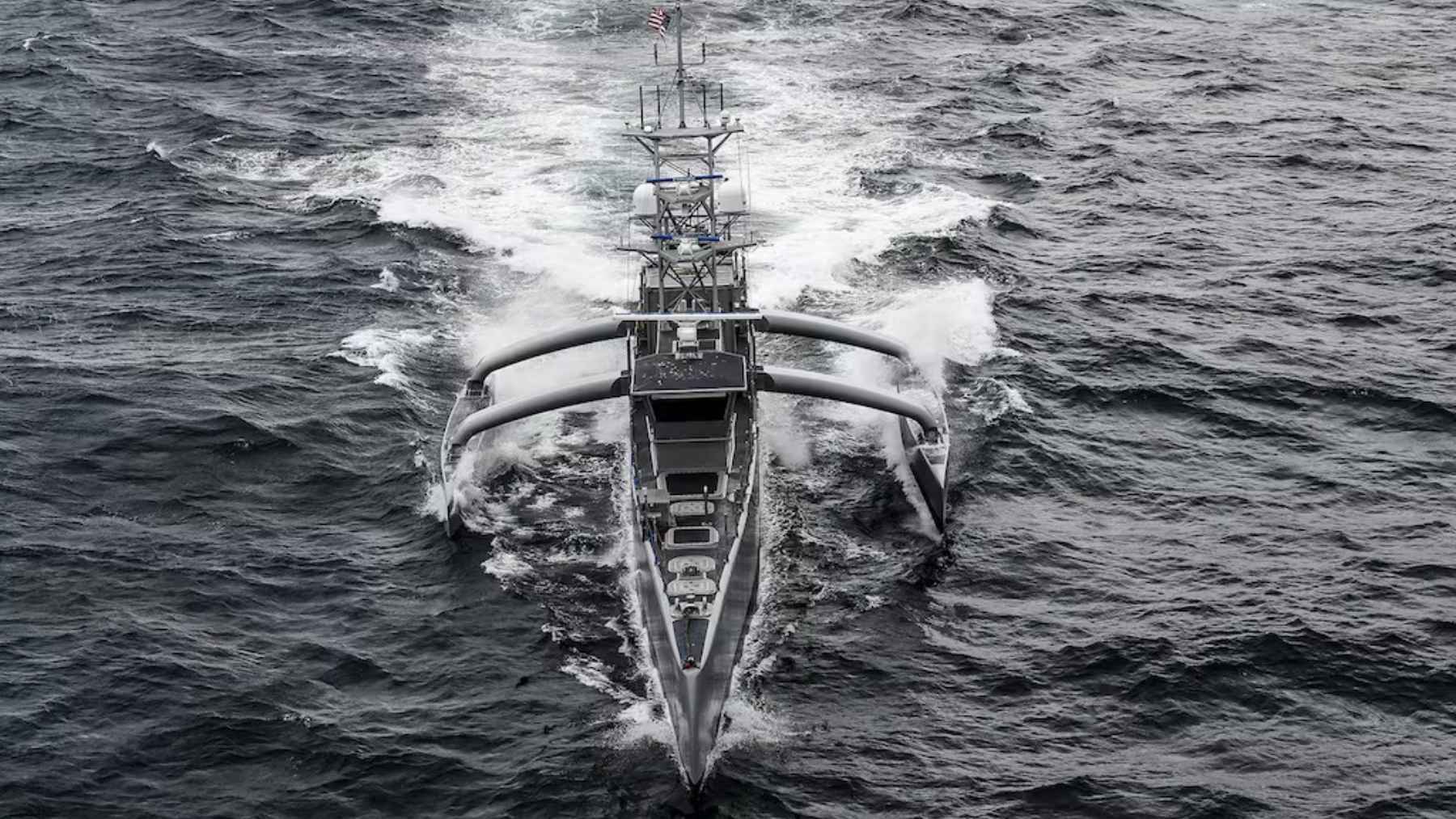
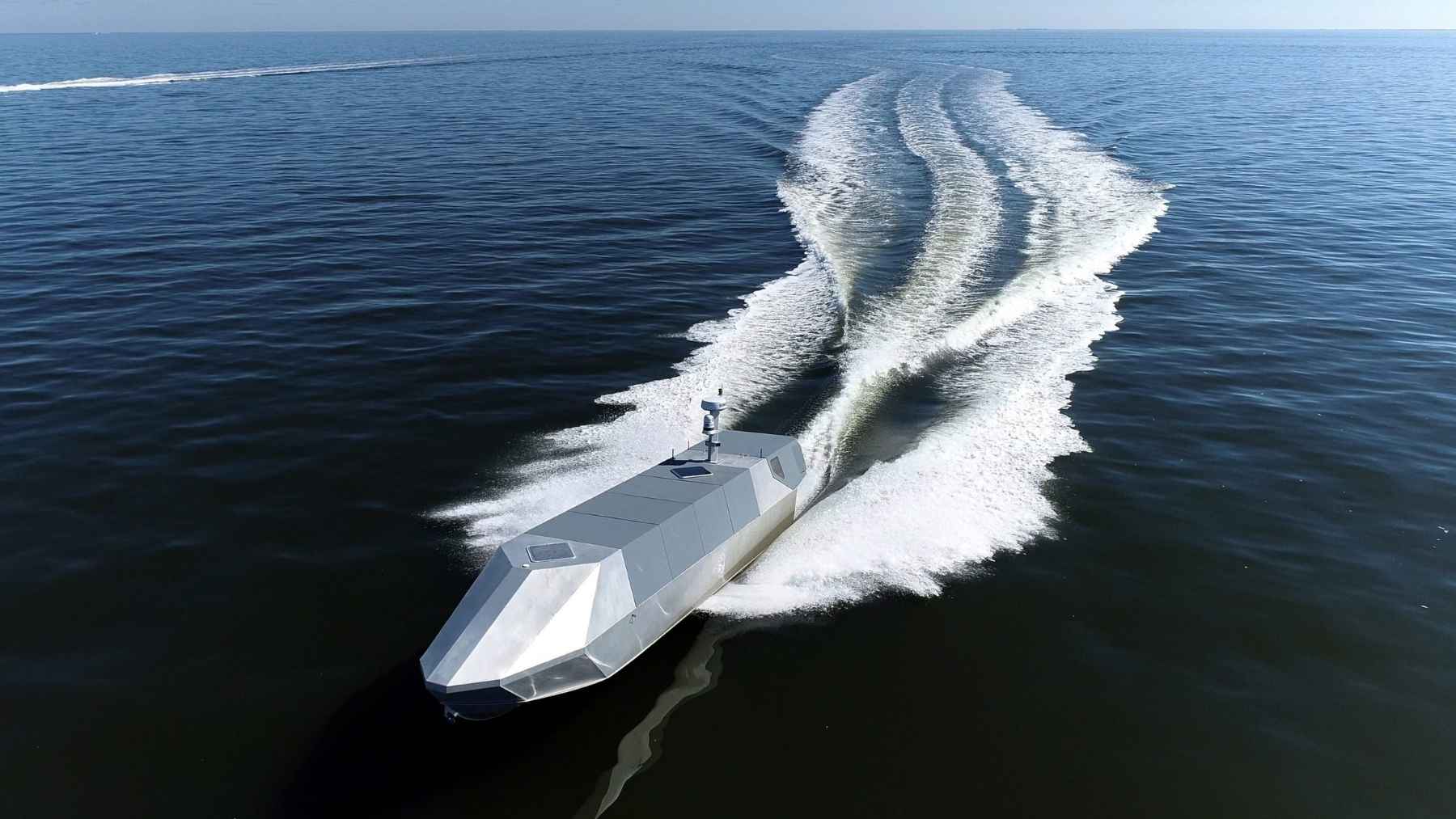
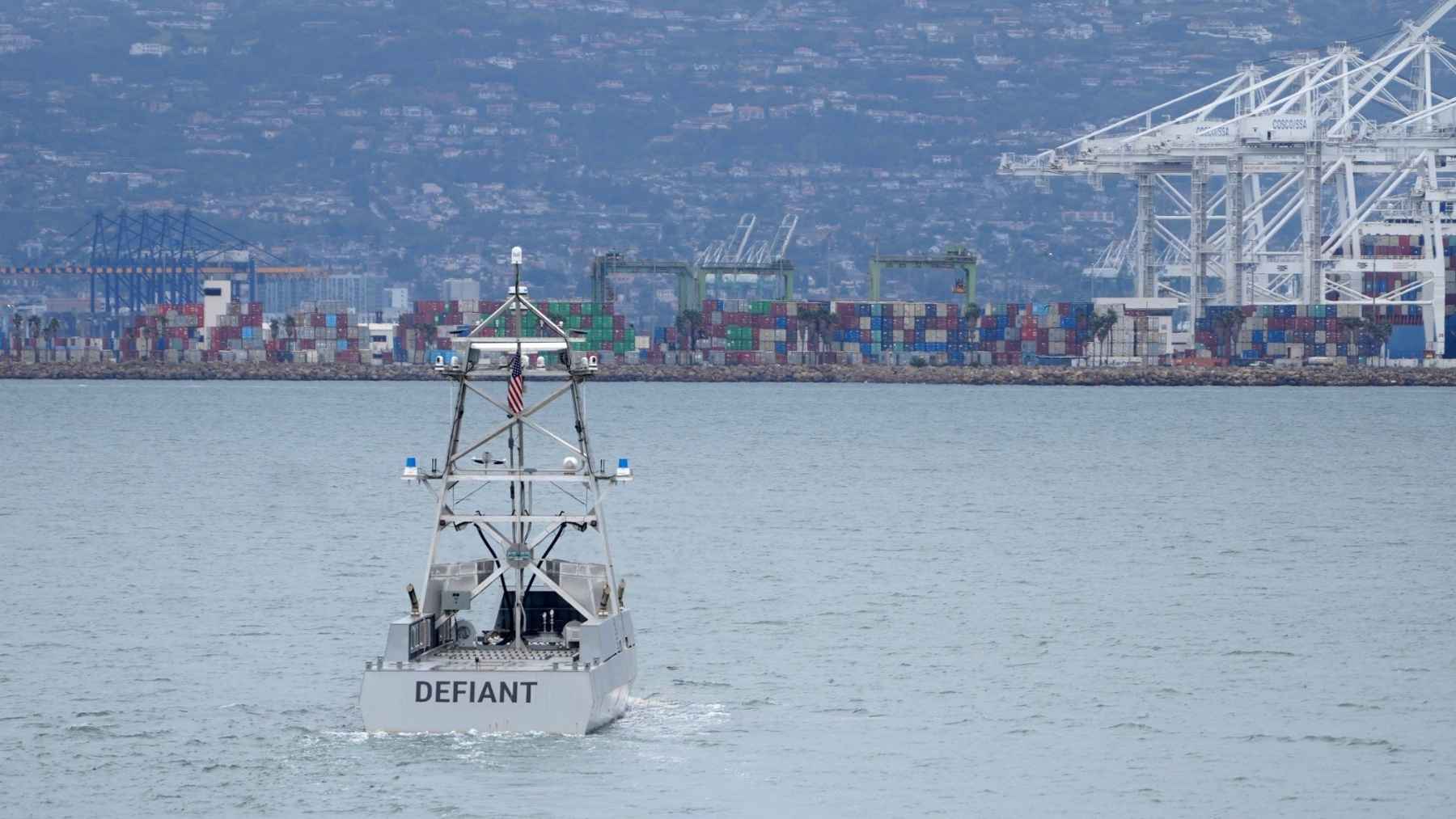
"The answer is called USX-1 Defiant, a 180-foot, 240-metric-ton vessel with no bunks, no galley and no doors sized for people. Right now it is sitting its final acceptance trials off the California coast. Pass them, and DARPA hands the ship to the US Navy.
"Every “unmanned” ship before this one was a manned ship with the people deleted. This one never had them in the blueprints."
...
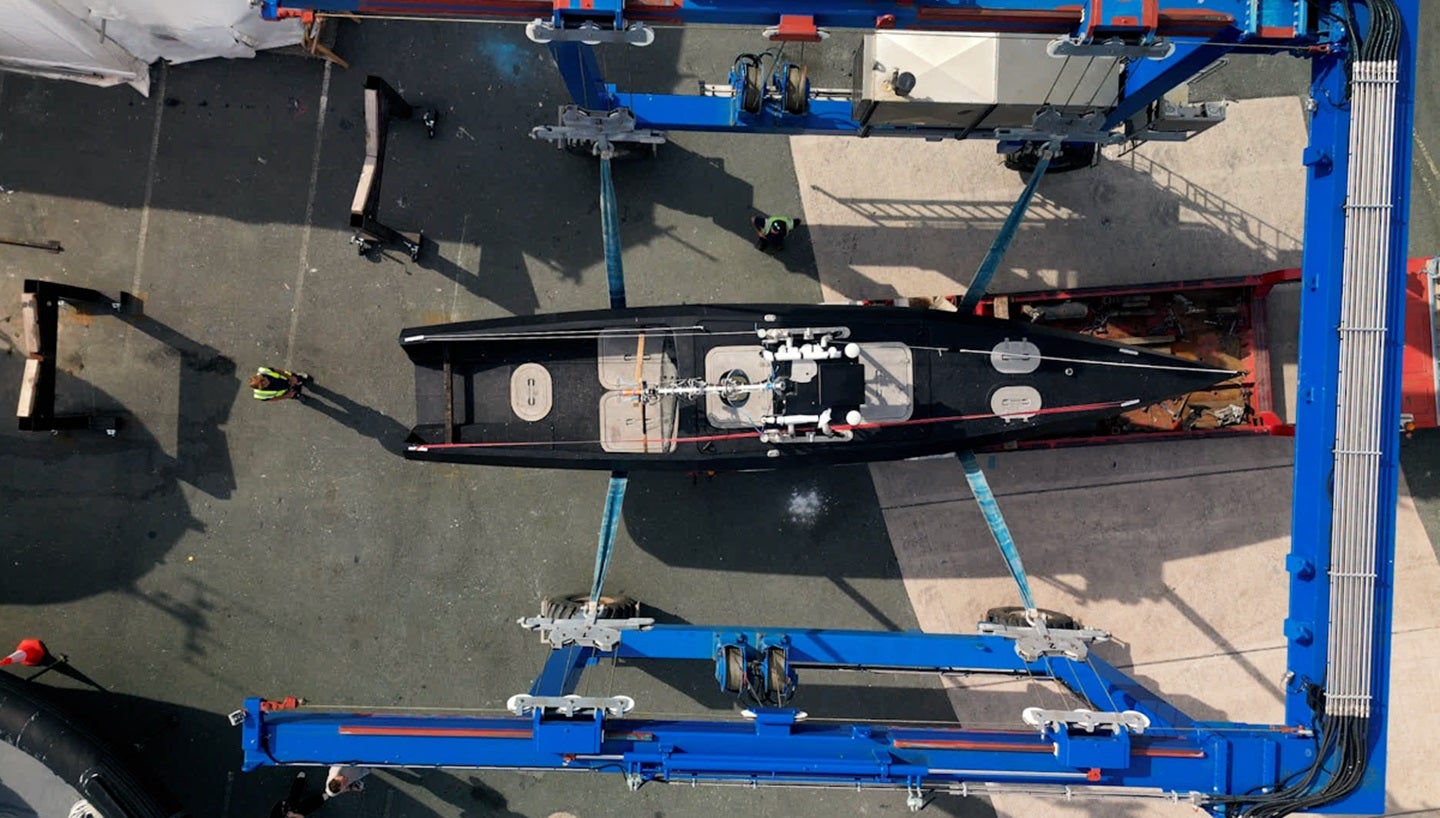
"Deleting the people deletes a shocking amount of ship. No passageways, no life support, no bridge, no manual controls. What’s left is a hull no wider than its largest piece of hardware, which buys a smaller, cheaper vessel with far more of its 240 metric tons available for fuel and payload instead of bunk rooms.
"It also buys toughness. The design “can handle operations in sea state 5 with no degradation,” NOMARS program manager Greg Avicola said at the christening ceremony last August, and it’s rated to survive 30-foot seas and get back to work once the storm passes. DARPA puts top speed at 20 knots and endurance at up to a year at sea without a port call.
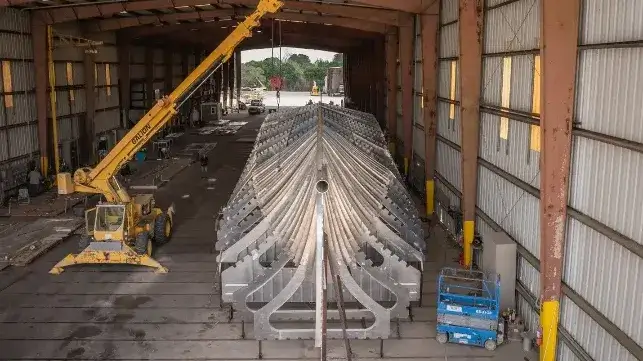
"The hull is deliberately simple, too. DARPA designed it so the yards that normally build yachts, tugs and workboats, the Tier III end of American shipbuilding, can produce and maintain it. That’s the industrial-base play hiding inside the robot: a warship you can order from places that have never touched a destroyer."
...
2,100 nautical miles with nobody aboard
Construction wrapped in February 2025, the hull went into the water at Nichols Brothers Boat Builders in Washington state that March, and DARPA broke the traditional bottle on the bow at Everett in August.
Then it went to work. The first open-ocean leg ran more than 1,100 nautical miles from Port Angeles, Washington, down to Port Hueneme, California, covered in five days with no one aboard.
Port Hueneme is where the trials got interesting. The team refueled the ship at sea from a crewed vessel, the Melissa C, passing lead-lines and connecting hoses without a single person stepping onto Defiant. They used water instead of fuel for the demo, which is the kind of caution you appreciate in people testing a robot for the first time.
The same week brought high-speed turns, straight-line runs close to 20 knots, and harbor entries, exits and dockings handled entirely by the autonomy system. Sailors from the Navy’s Unmanned Surface Vessel Squadron One were on hand at Port Hueneme, getting a close look at their possible future.
Another roughly 1,000 nautical miles of autonomous open-ocean transit brought the ship back to Long Beach at the end of September. Call it about 2,100 autonomous nautical miles through September 2025. DARPA hasn’t published an updated mileage figure since.
The ship spent the winter at Long Beach getting engineering changes for reliability and robustness, and was back on the water in February.



 militarnyi.com