• Thanks for stopping by. Logging in to a registered account will remove all generic ads. Please reach out with any questions or concerns.

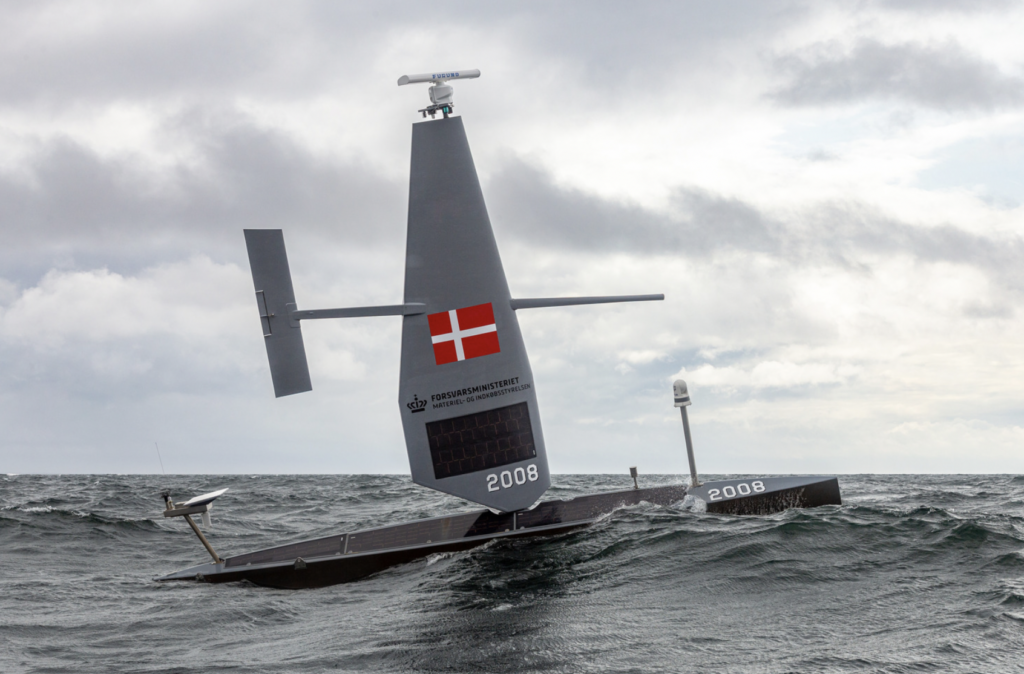
Who needs sailors anyway?

9 days from concept drawings to sea trials.
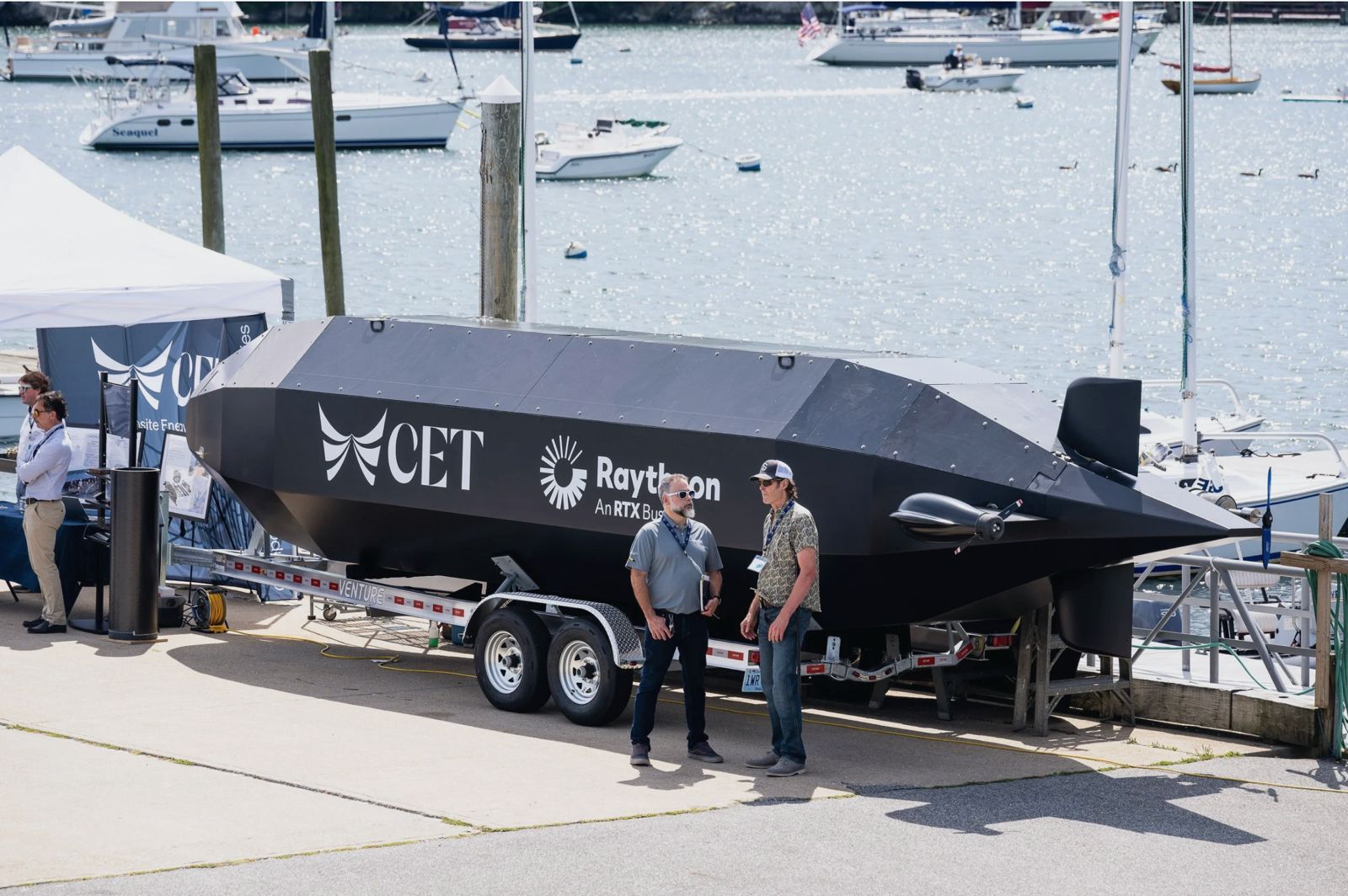
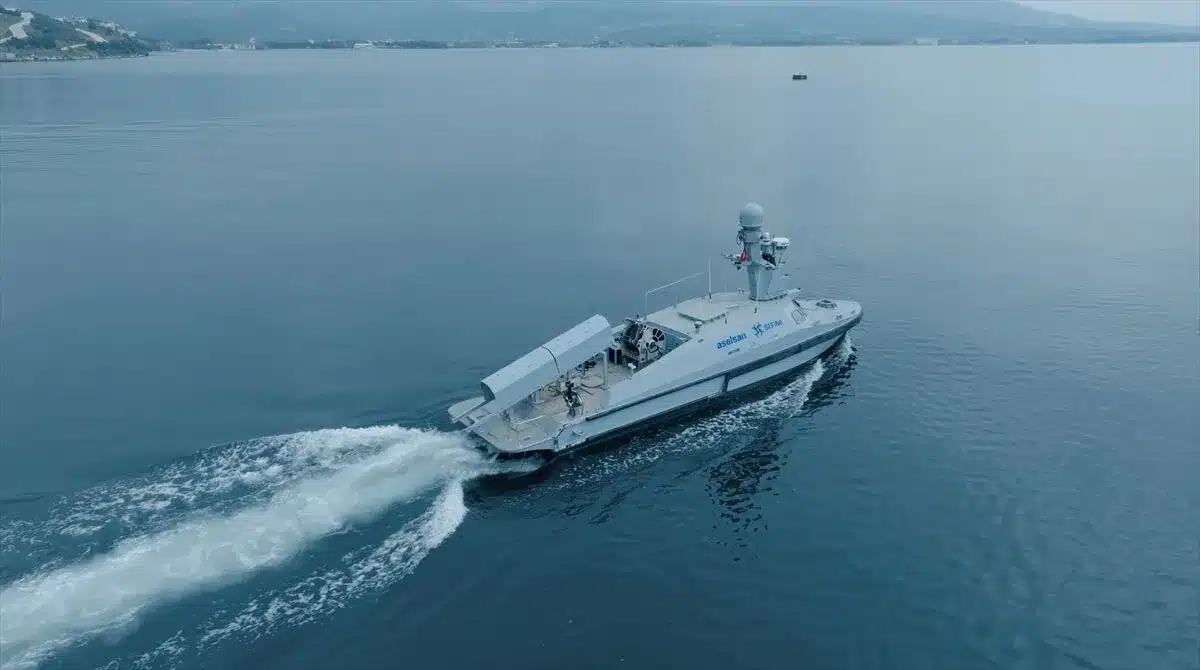
Autonomous 40 ft semi-submersible sea boat that displaces 7000 lb fully loaded
Trans-oceanic range

50% scale

Full scale

Option A 80 ft and 56,000 lbs?
Option B 50 ft and 14,000 lbs?


The boat is known as the TF-179 or the Harbinger.


.....

This is in keeping with this mandate

....

We have been here before


And in WW2 Lord Beaverbrook and C.D. Howe led the Commonwealth effort.
 

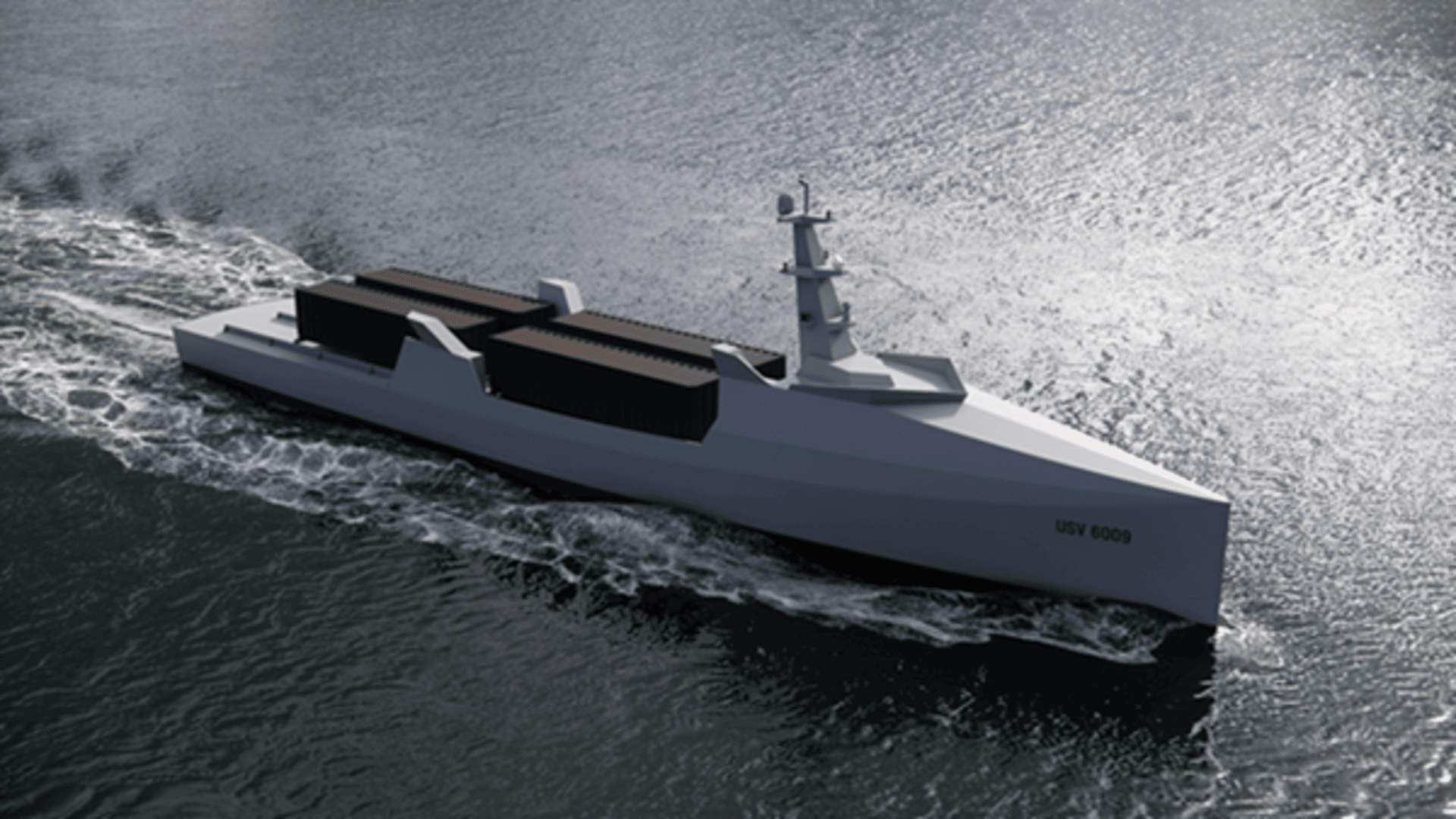
Oceanus 17

USV Specifications

Autonomy Level 4: GuardianAI

Length 17 m
Payload 4000 kg, 20 ft ISO
Payload Power Up to 30kW

Endurance 50-100 days
Range 5,000+ nm @ 6 kts
Top Speed 12 kts+

Powertrain Hybrid diesel-electric
Battery only Endurance 12 hours
Redundancy Critical system full dual redundancy: drivetrain, comms & compute

Mobilisation < ½ day
Transportation 60 ft MAFI - no escort UK


....

And from the same company


The Slocum ( up to 13,000 km range with the right batteries)


....

In WW1 and 2, to fill gaps in combat fleets navies reached out to the commercial fleets and requisitioned hulls which were the applied to the tasks which most closely approximated their capabilities.

The navies then worked with those hulls that were most successful and easiest to produce and built their fleets and tactics around them.

The problem the navies have today is that there is a shortage of hulls of any type for requisition.

The current ask is: "What can you give me today and what can I do with it?"

As in WW1 and WW2 the navies are being forced to revise TTPs to meet the realities of the tools available.
 

Excellent! The Cartel was looking for something better than their home made contraptions. ;)
 
More on the Hadalus


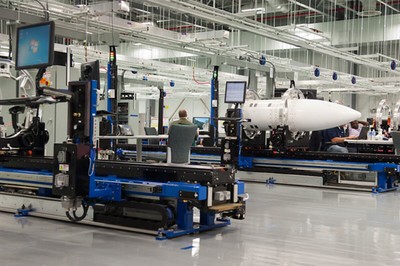
AUVs designed and manufactured in days
Repeatable, robot-driven manufacturing for delivering AUVs at scale
CET’s revolutionary, modular AUV design allows us to pack multiple AUVs in a single 20-foot container.
3000 nautical miles at 3000 m. (5600 km)
Payload of up to 2.5 tonnes.
HADALUS’ per-unit cost is a fraction of our direct competitors.

....

RTX/CET Hadalus has a range of 5600 km and a payload of 2.5 tonnes (USN)
BAE/Cellula Robotics has a comparable range and payload on hydrogen with a duration of 45 days (RN)
Anduril Ghost Shark is in the same family. (RAN).

What happens if coupled with these?

A deployable gas station (or Forward Refuelling Point) for subs and a system of "tankers" to replenish them.

Cellula Robotics Porter

"The Porter AUV is equipped with a spacious payload bay, designed to carry various cargo, including equipment for the installation and replenishment of remote subsea power stations. These subsea power stations allow in-field assets and resident vehicles to operate continuously without the need for refueling onshore or resurfacing, thereby enhancing operational uptime and reducing costs by minimizing dependence on resupply vessels."


Cableless Autonomous seabed sensors with real time comms


And Power and Comms nodes on existing subsea cables


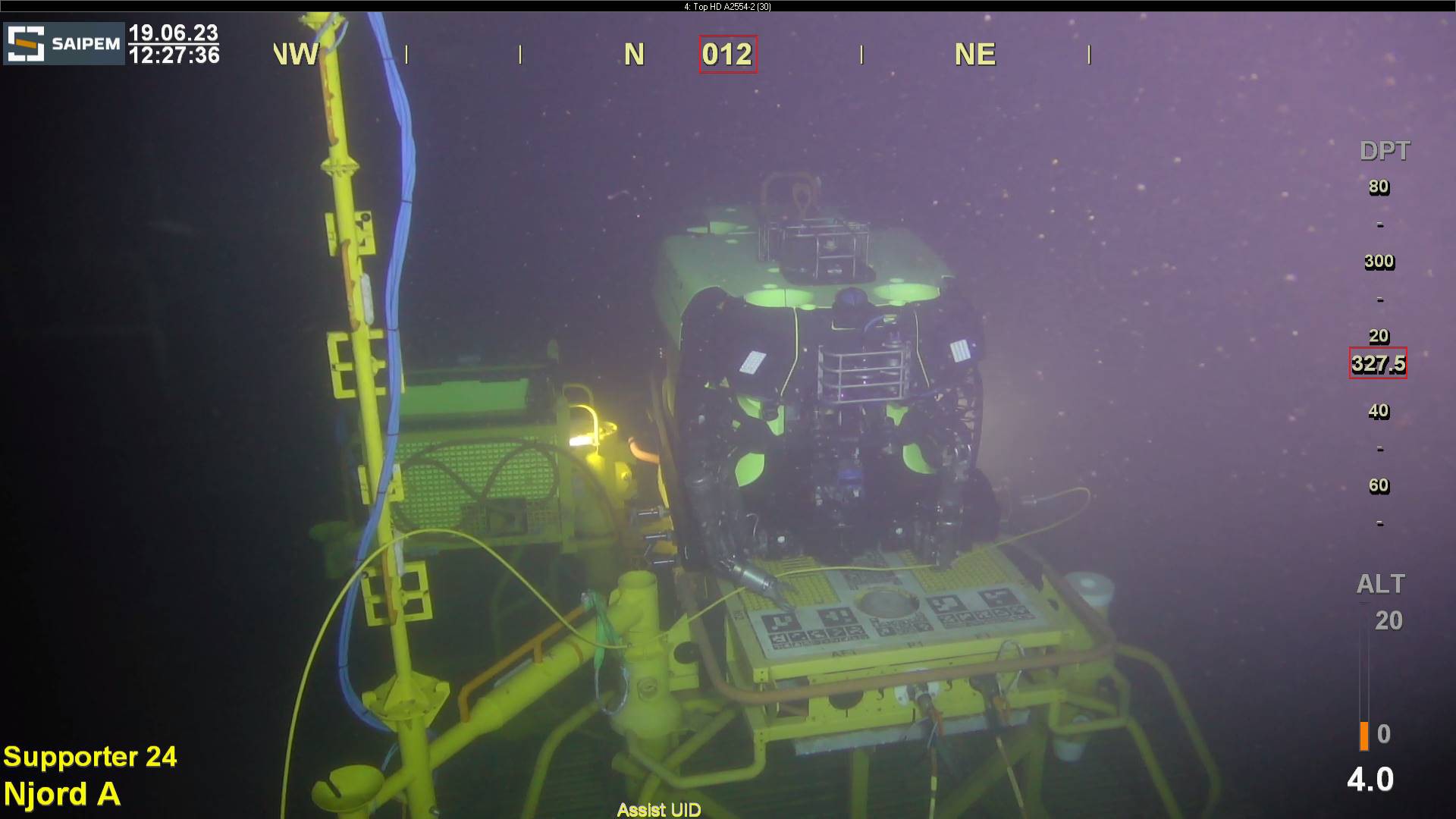
A typical subsea communications cable requires a booster station every 100 km or so to boost the signal so it can reach the next repeater station. Those repeater stations are powered by an electrical cable that parallels the comms cable. Those booster stations are already being used to power AUVs and ROVs that patrol and inspect the comms cables. They are also used to communicate with the AUVs.

....

What does the world ocean look like if it is filled with cruise missiles and torpedoes stooging around at 1000m below the surface?
 
And Power and Comms nodes on existing subsea cables


A typical subsea communications cable requires a booster station every 100 km or so to boost the signal so it can reach the next repeater station. Those repeater stations are powered by an electrical cable that parallels the comms cable. Those booster stations are already being used to power AUVs and ROVs that patrol and inspect the comms cables. They are also used to communicate with the AUVs.

....

What does the world ocean look like if it is filled with cruise missiles and torpedoes stooging around at 1000m below the surface?

That's a nice touch. However, there is very little if any such communications cables in the area that would be of greatest concern to us: the Arctic. Nor is the Arctic friendly to such communication cables if we were to decide to install some.
 
That's a nice touch. However, there is very little if any such communications cables in the area that would be of greatest concern to us: the Arctic. Nor is the Arctic friendly to such communication cables if we were to decide to install some.

Fair, as usual.

But not universally considered impossible. Greenland, Denmark, Norway and Quebec appear to have some related experience


I see that the completion date on the North West Passage one was indicated as 2016. That was ten years ago. I wonder what the current status is as I haven't heard of this being operational. Any more recent articles discussing the current state?
 

Assertion:

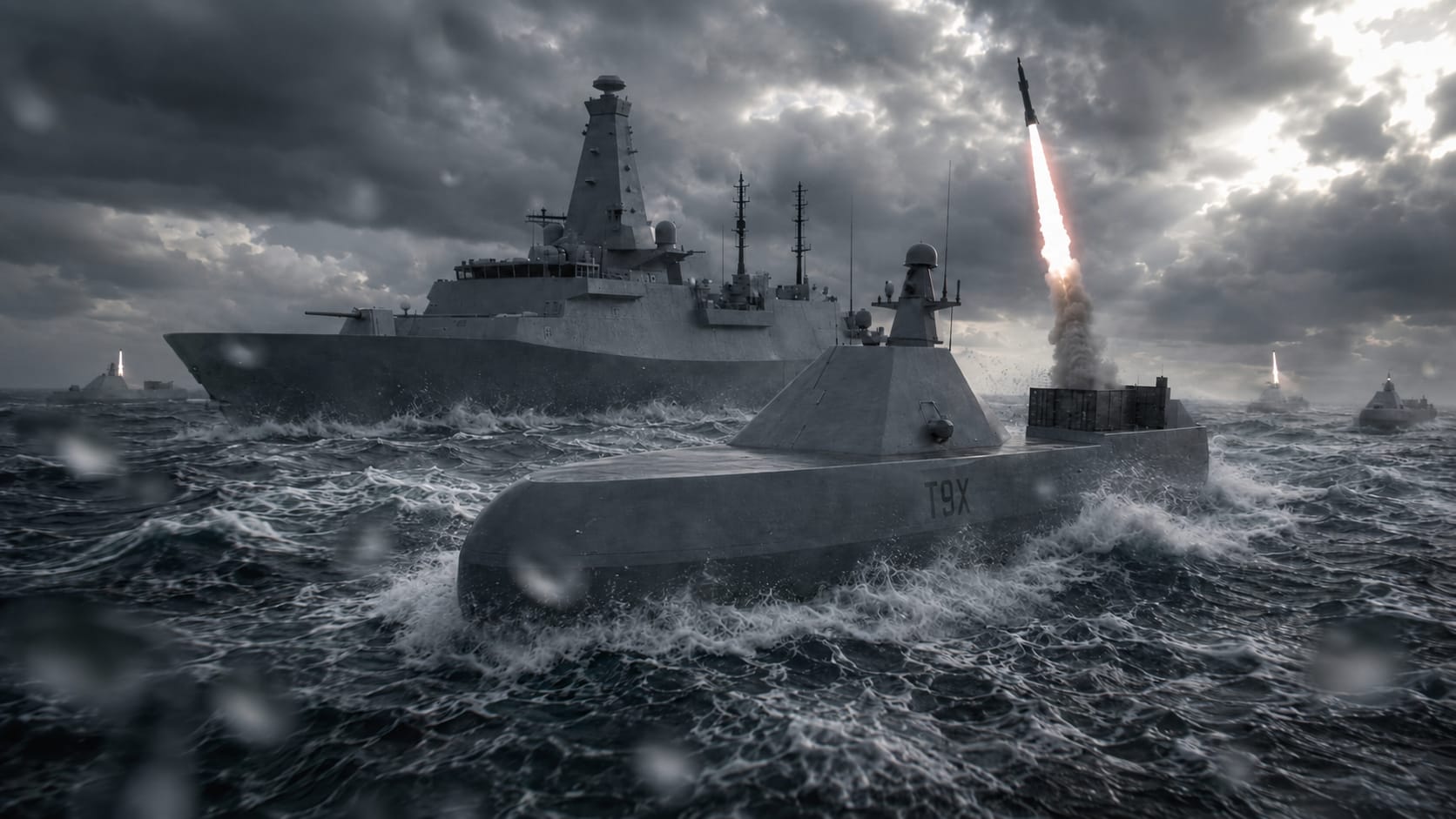
The strength of a navy is defined by the depth of its magazine afloat.

Corollary:

A dispersed magazine is more effective than a concentrated magazine.

...

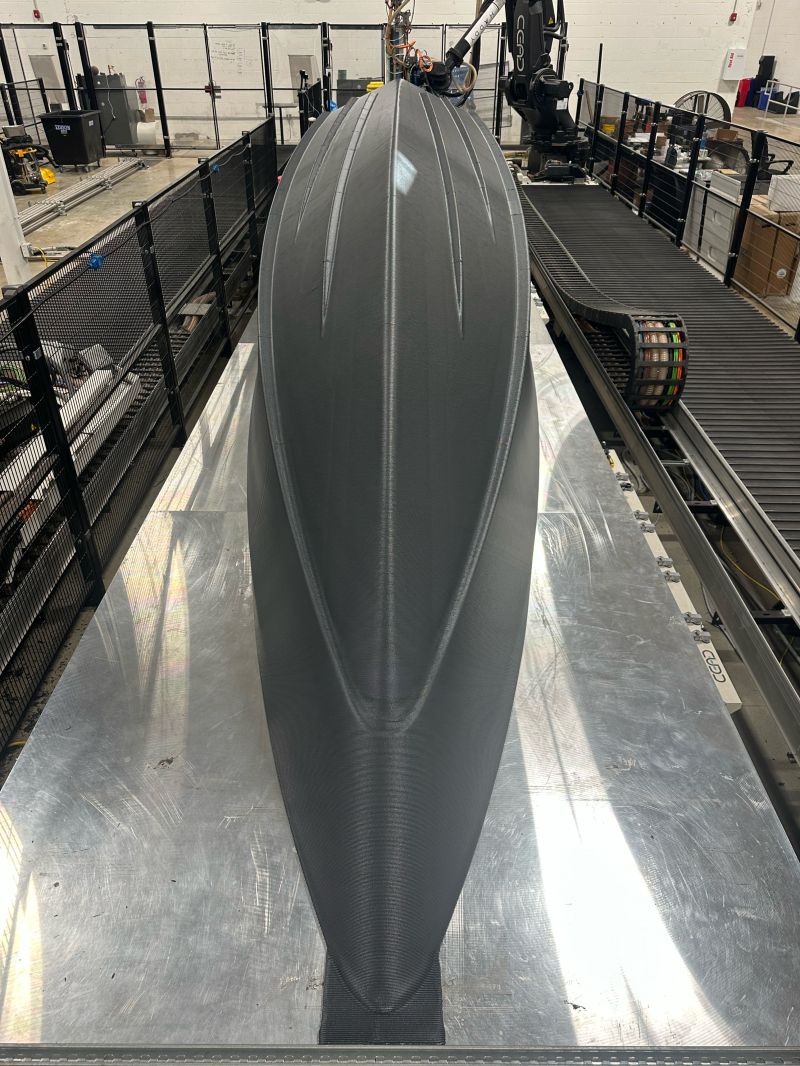
Missiles and torpedoes can be floated faster in small 3D printed hulls than in big welded steel hulls.
 
24 metres

"regulatory constraints as a potentially significant obstacle. According to Parkin, the permissions required to operate uncrewed surface vessels larger than 24 metres routinely in British waters have yet to be established. He states that no uncrewed vessel above that size has so far received either Maritime and Coastguard Agency or Defence Maritime Regulator operating clearance, while neither civilian classification societies nor the Naval Authority and Technical Group have approved such a design"

So what can be achieved under 24 m.
WW2 MTBs/MGBs were in the 18 to 35 m range

.....


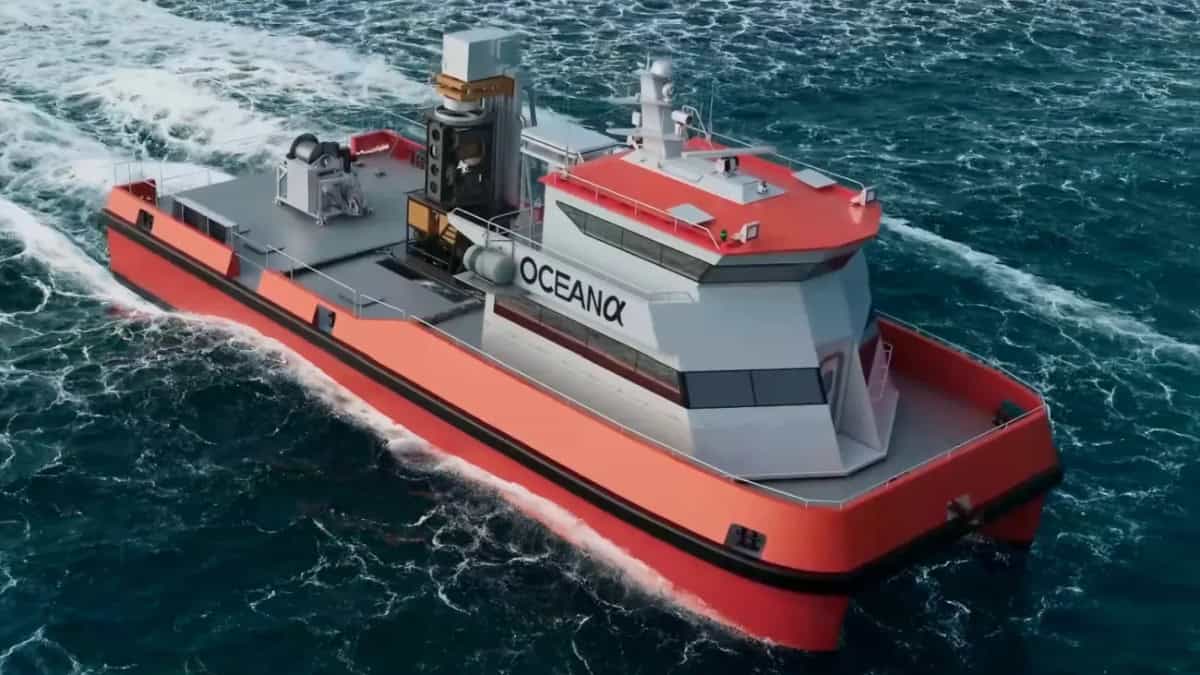
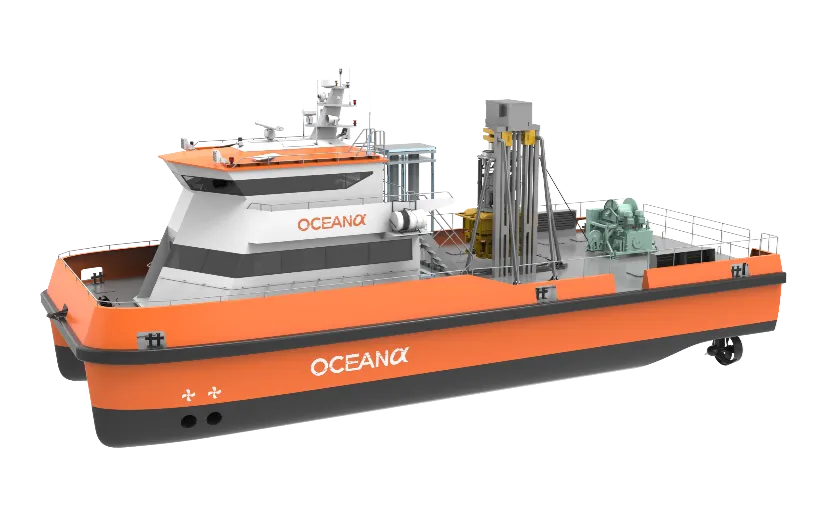
ModelV180
Length OverallApprox. 23.78 m
Beam OverallApprox. 10.66 m
Design DraftApprox. 1.60 m
Full-Load DisplacementApprox. 182 t
Mission Payload AllowanceApprox. 35 t, including ROV system and associated mission equipment
Max. SpeedUp to 12 kn
Uncrewed EnduranceUp to 30 days on the defined duty profile
Manned EnduranceUp to 15 days on the defined duty profile
Main ROV MoonpoolNominal 2.0 m × 4.0 m
Payload Moonpool Nominal 1.5 m × 1.5 m
Dynamic Positioning DP2-capable architecture
Integrated Operating DepthUp to 3,000 m, subject to final system configuration
ROV Launch and RecoveryUp to Sea State 4 design basis, subject to final operating envelope
Operating ModesManned and uncrewed
ClassificationCCS or Bureau Veritas, subject to project selection and approval

Potential Payloads

Lockheed Martin Kodiak Containerized Launcher with 12 GMRLS missiles or 4 PrSMs per container.
Lockheed Martin Grizzle Containerized Launcher with 4 rails for SAMs and up to 16 NGSRIs or 76 APLWS II

.....

I am reminded of the SWATH T-AGOS concept ships of the 1980s for SURTASS - only without the crew.


.........................

Companion vessels.

....


A High‑capacity Platform for Commercial and Customer-furnished Payloads
Surveyor provides the endurance, power, space, communications, and data interfaces required for complex sensing and data-collection payloads. Configurations can support surface ISR, full-ocean-depth mapping, environmental monitoring, and other customer-defined applications.

LENGTH 20 m
WING HEIGHT (Sail) 13 m
DRAFT3.6 m

PRIMARY PROPULSION 80 hp high-efficiency diesel
AUXILIARY PROPULSION Wind (Saildrone Wing)

MAPPING SPEED 6 knots
ENDURANCE 100 days between service stops

PAYLOAD POWER 3 kW steady state, 6 kW peak

.....


Guardian AUV Specifications

Guardian AUV – Battery

Dimensions: Length: 11.7 m, Width/Height: 1.66 m
Weight: 7500 to 9000 kgs
Depth Rating: 300, 1000, or 3000 m
Energy Source: Lithium Ion (rechargeable batteries)
Endurance (hrs): 480 hours (20 days)
Max Range (km): 2650 km
Payload Bays: 2 bays: 1.2 x 1.2 x 1.7 m each or 1 single bay
Persistence: Ability station keep or anchor to the seafloor for prolonged periods
Autonomy Options: Pipe/cable tracking, terrain/feature based navigation, performance based management

Guardian AUV – Fuel Cell

Dimensions: Length: 11.7 m, Width/Height: 1.66 m
Weight: 8000 kg
Depth Rating: 300, 1000, or 3000 m
Energy Source: Hydrogen Fuel Cell
Endurance (hrs): 925 hours (38.5 days)
Max Range (km): 5000 km
Payload Bays: 2 bays: 1.2 x 1.2 x 1.7 m each or 1 single bay
Persistence: Ability station keep or anchor to the seafloor for prolonged periods
Autonomy Options: Pipe/cable tracking, terrain/feature based navigation, performance based management

....
 
Back
Top