- Reaction score
- 13,909
- Points
- 1,160
The Straits of Hormuz closed by swarms of motor launches with machine guns

 www.telegraph.co.uk
Somali pirates still operating off the Horn of Africa

 www.aljazeera.com
Drug runners still operating in the Caribbean
Russians in the Channel and Storebaelt

 www.globalbankingandfinance.com
 gcaptain.com
Mine and countermine operations in the Straits of Hormuz

 www.navylookout.com
Drone operations in the Black Sea
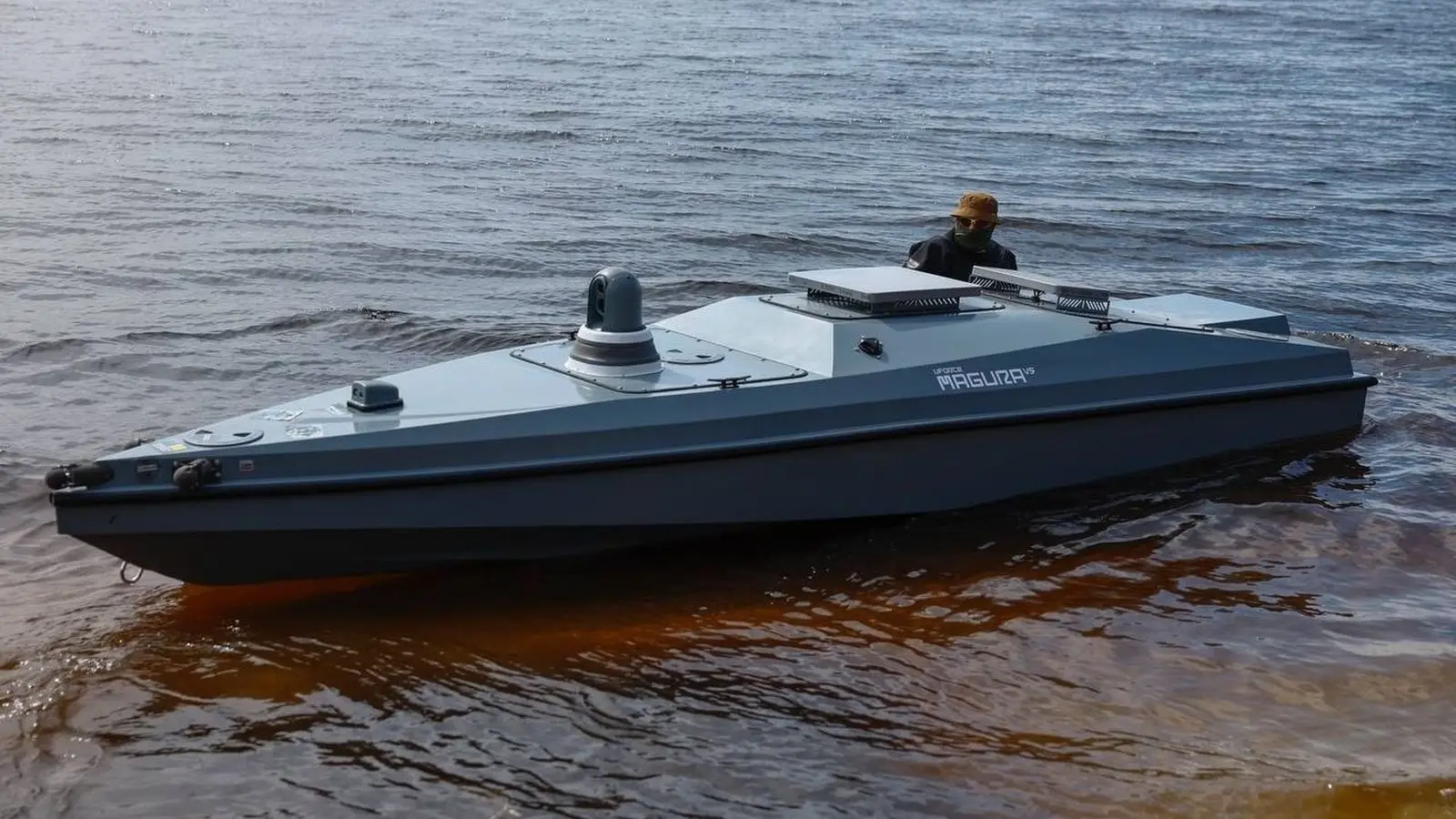
 voennoedelo.com

 www.ctvnews.ca
Drone operations in the Gulf of Arabia
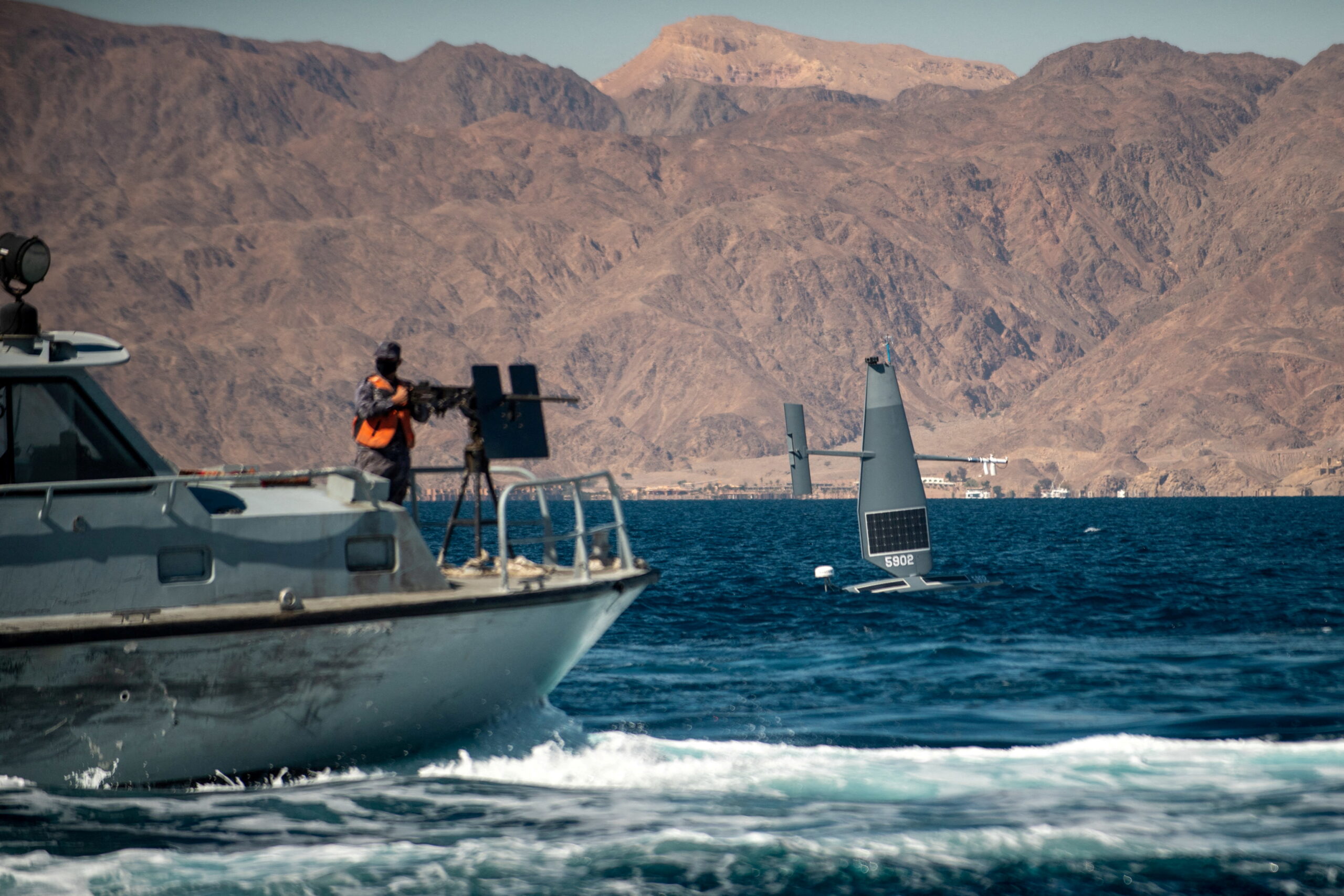
 agsi.org
....
Indonesia contemplating closing the Straits of Malacca and charging mail
.....
Aussies select the HIMARS - PrSM combination for Coastal Defence (500 to 1000 km range for this Increment 2 missile)

 www.abc.net.au
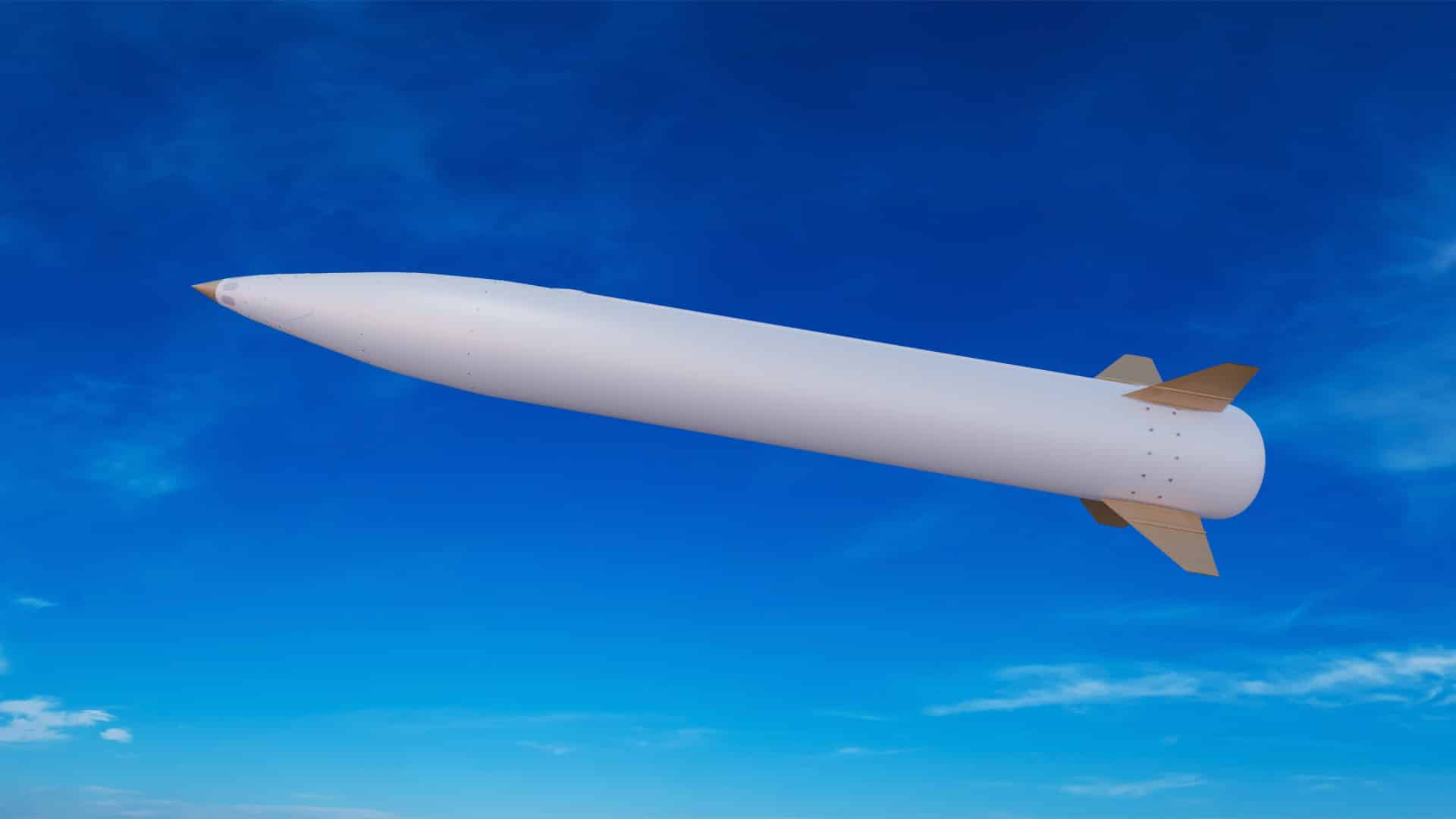
 www.navalnews.com
Aussie Littoral Ops
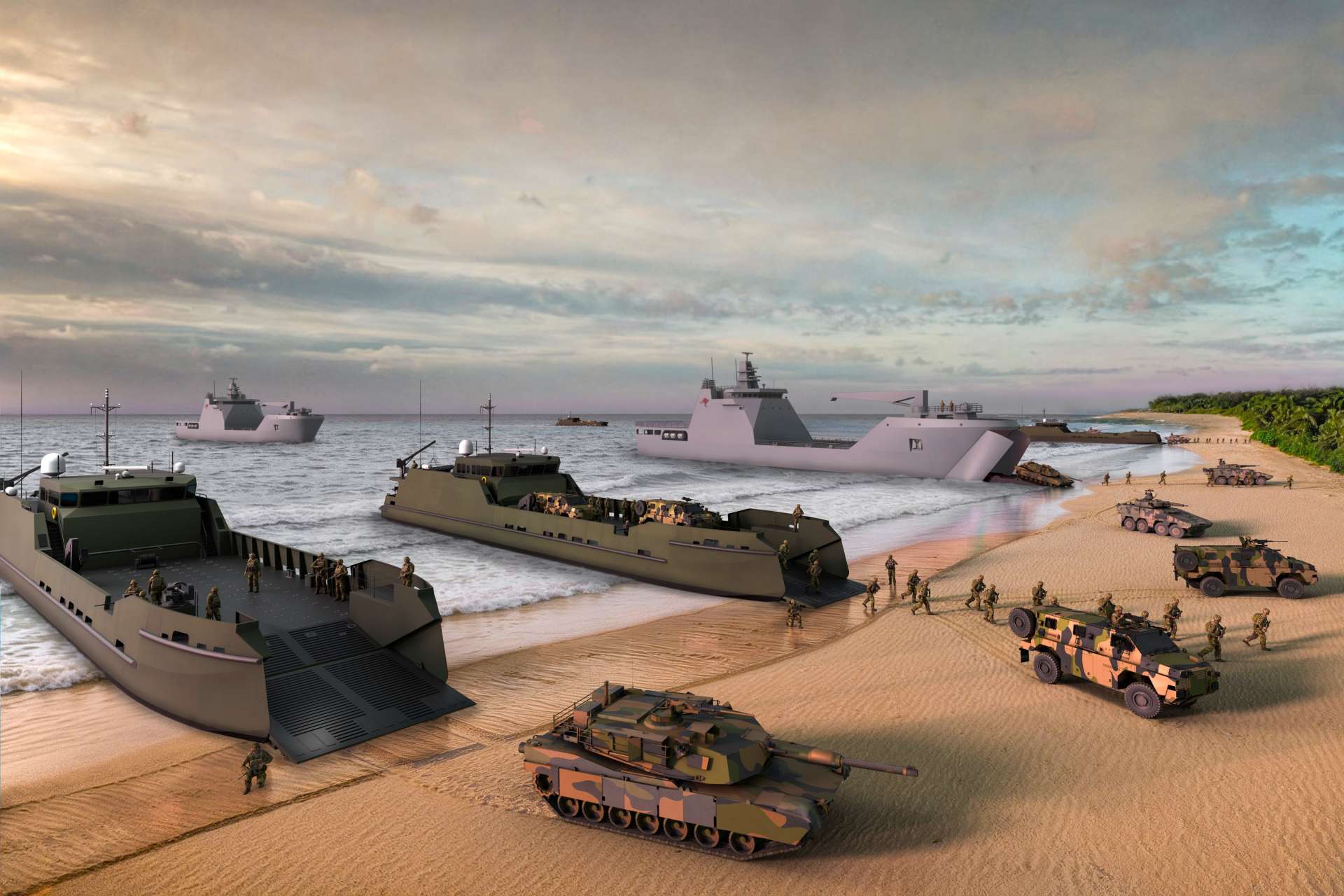
 armyrecognition.com
.....
And if the Littoral is defined in terms of the area defined by the range of Coastal Artillery (the move from High Tide, to 3 miles, to 12 miles, to 200 miles of the EEZ), how much of the North Atlantic is not coverable from shore bases on Newfoundland, Greenland, Iceland, the Faroes, the United Kingdom and Norway?
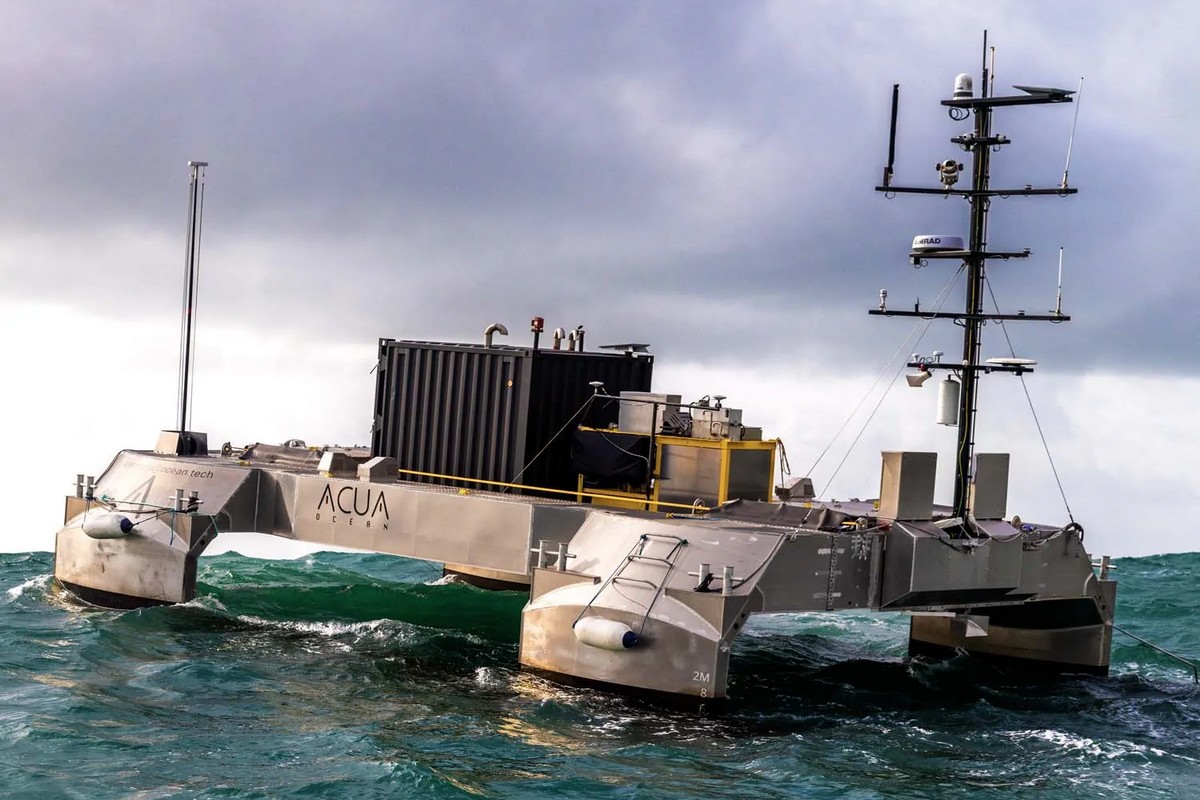
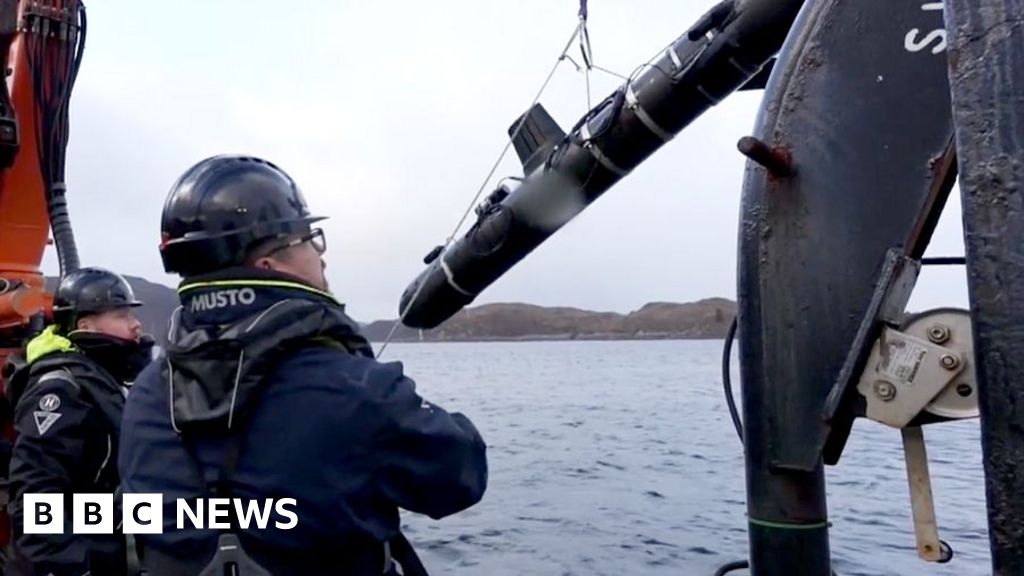
Drone operations in the North Atlantic
 ukdefencejournal.org.uk
 www.bbc.com

 www.futurenavy.com
 ukdefencejournal.org.uk
.....
"The reliance on drones has drawn criticism from defence analysts, who argue it highlights long-term underinvestment in traditional antisubmarine warfare capabilities.
"“The Royal Navy does not have the ships to do this job coherently or credibly and is looking to address it with drones as they are cheaper,” said RUSI Professor, Peter Roberts, in comments to the BBC."
 www.brookesbell.com
....
They say that, that it is cheaper, as if it is a bad thing.
Most people want to minimize the cost of defence.
But...
Making defence cheaper has a cost
....
Here in the Strait, Iran’s mosquito fleet renders Trump blockade futile
Despite the loss of its navy, Tehran is finding it easier to hold the world to ransom than expected – as our reporter witnessed
www.telegraph.co.uk
Somali pirates still operating off the Horn of Africa
Suspected pirates steer cargo vessel towards Somalia
Hijacking reported as maritime traffic is diverted towards Africa while Strait of Hormuz is essentially closed.
Drug runners still operating in the Caribbean
Russians in the Channel and Storebaelt
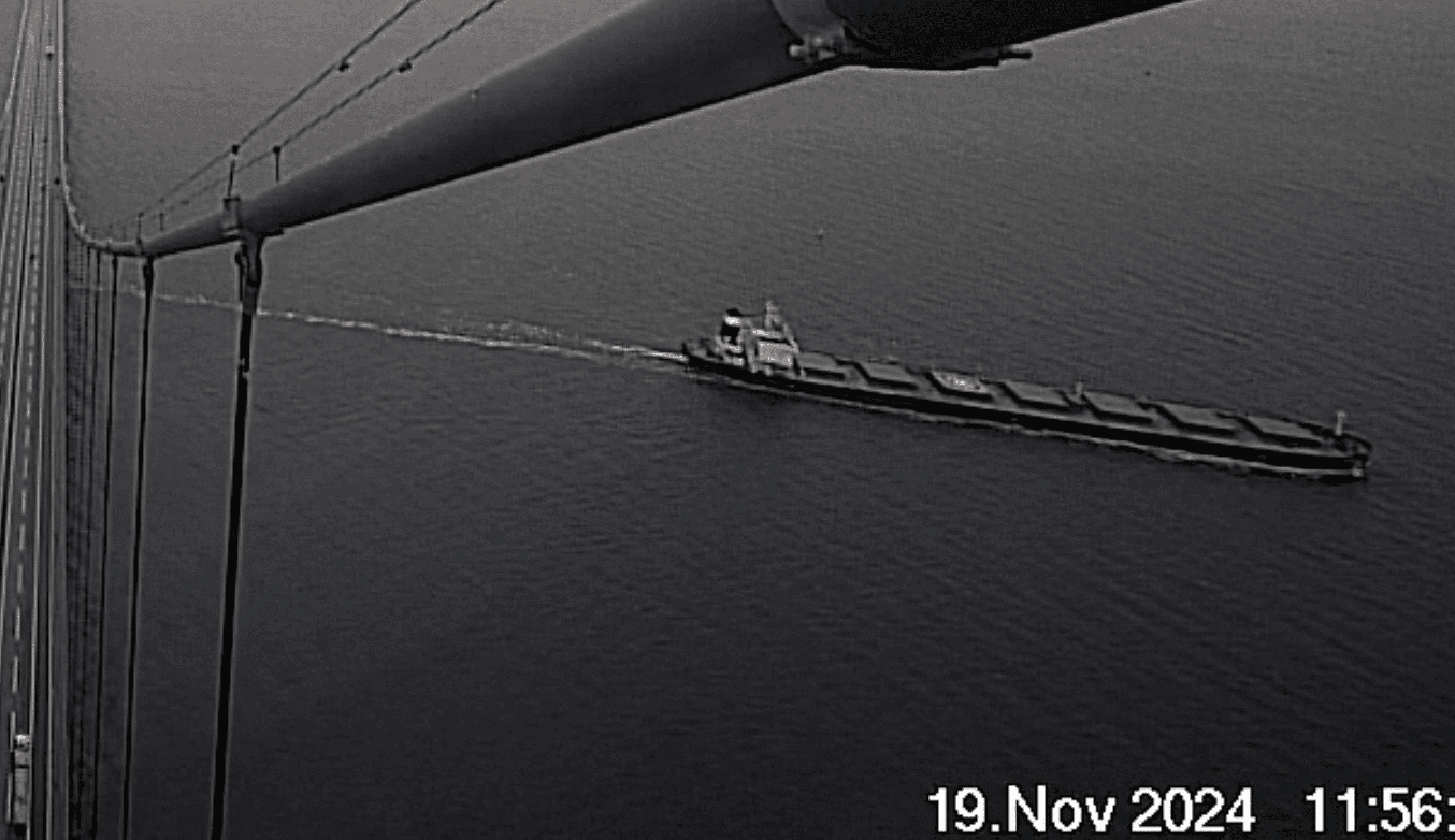
Russian Shadow Fleet Crosses UK Waters Despite Sanctions Threat
Nearly 100 Russian shadow fleet ships cross UK waters undeterred by PM Keir Starmer's recent threats, raising maritime security & sanctions concerns.
Denmark Records 292 Russian ‘Shadow Fleet’ Tankers Passing Through Danish Straits
New data compiled by the Danish Maritime Authority reveals that EU-sanctioned tankers linked to Russia’s so-called “shadow fleet” made 292 voyages through Danish territorial waters in 2025, underscoring both the strategic importance of the Danish straits as a gateway to the Baltic Sea and...
gcaptain.com
Mine and countermine operations in the Straits of Hormuz
US Navy conducts autonomous minehunting operations in the Strait of Hormuz - Navy Lookout
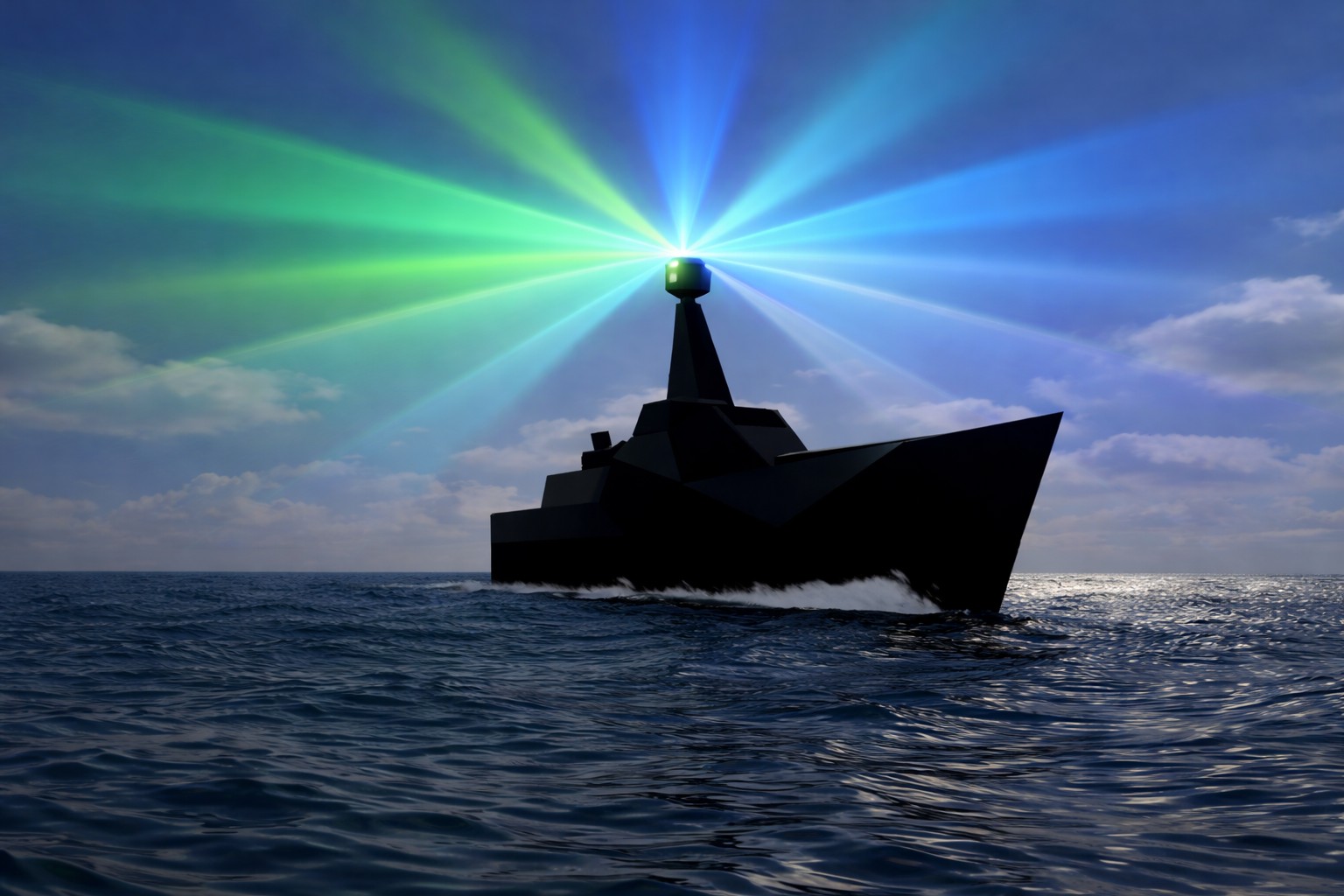
With Iran possibly having mined the Strait of Hormuz, it has been confirmed that the US Navy is deploying autonomous systems in an effort to assess and then clear the mine threat. This will be a major test of autonomous mine countermeasures capabilities in a very demanding operational...
www.navylookout.com
Drone operations in the Black Sea
Drone Warfare Expands at Sea in Black Sea Conflict Zone
Unmanned naval systems are increasingly used in the Black Sea conflict, with drones targeting ships and infrastructure, while air defenses intercept hundreds of threats.
voennoedelo.com
Ukraine says it shot down 33,000 Russian drones in March, a monthly record
Ukraine used interceptor systems to shoot down more than 33,000 Russian drones of various types in March, a record monthly figure since Moscow launched its all-out invasion more than four years ago, Ukraine’s defence minister claimed.
www.ctvnews.ca
Drone operations in the Gulf of Arabia
Drones, AI, and Task Force 59: A Solution for the UAE Navy’s Lack of Manpower - AGSI
Unmanned systems and artificial intelligence could help bridge the manpower gap in Gulf navies and provide new opportunities for the United States and its partners to maintain maritime security.
agsi.org
....
Indonesia contemplating closing the Straits of Malacca and charging mail
The roots of piracy in Southeast Asia | Nautilus Institute for Security and Sustainability
The roots of piracy in Southeast Asia Introduction Carolin Liss of Murdoch University writes that “combating piracy is a difficult and complex task, requiring more than the patrolling of piracy-prone waters.” Liss argues that five factors “are of particular importance in shaping piracy in...
nautilus.org
.....
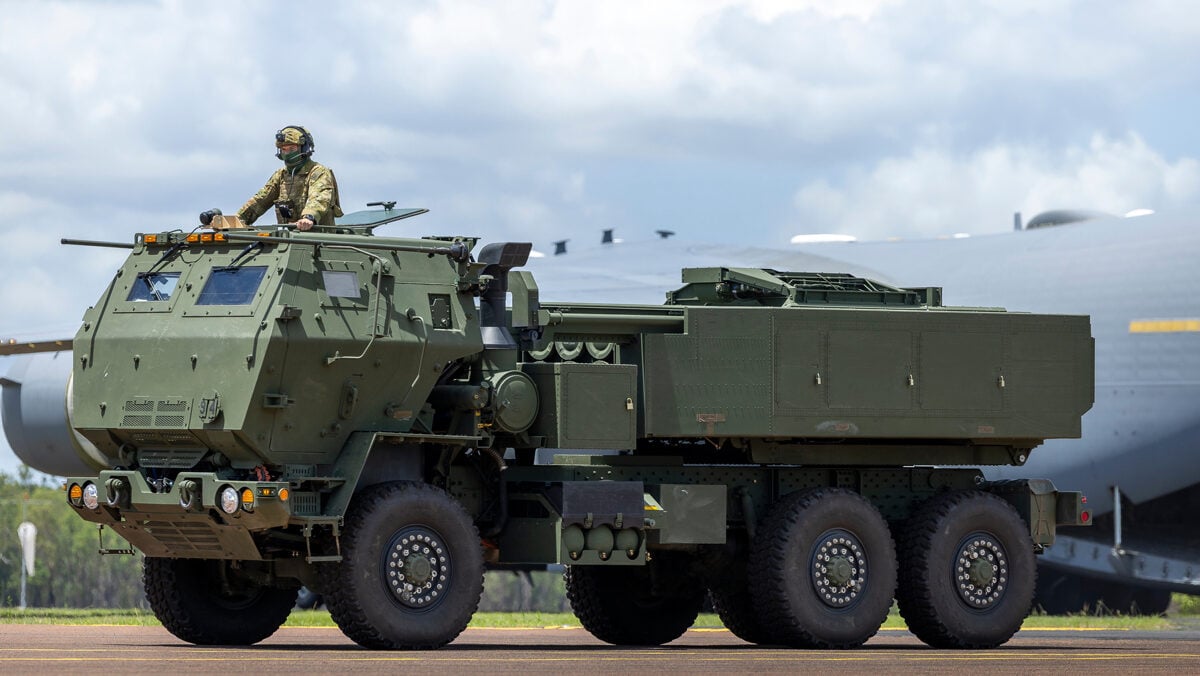
Aussies select the HIMARS - PrSM combination for Coastal Defence (500 to 1000 km range for this Increment 2 missile)
Weapons maker Thales loses out on multi-billion-dollar missile contract
Thales was the favourite to win the contract to develop a mobile missile system for Australia, but now the future of its StrikeMaster missile launcher is uncertain.
www.abc.net.au
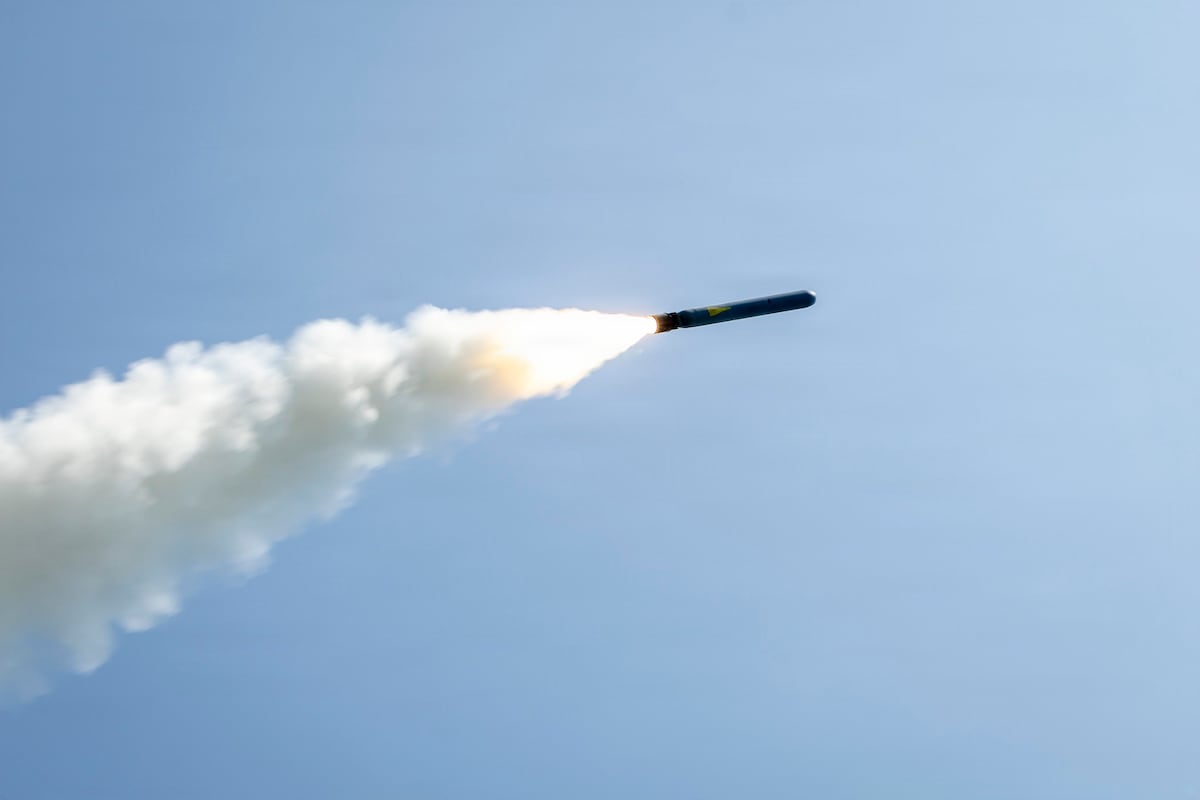
PrSM Increment 2 Takes Flight and Advances Army’s Moving-Target and Maritime Capability - Naval News
On March 12, 2026, Lockheed Martin announced the successful completion of the first flight test of the PRSM Increment 2 missile, which is capable of engaging moving targets in the maritime domain.
www.navalnews.com
Aussie Littoral Ops

Some thinking from a force that we are often compared to.
 www.aspistrategist.org.au
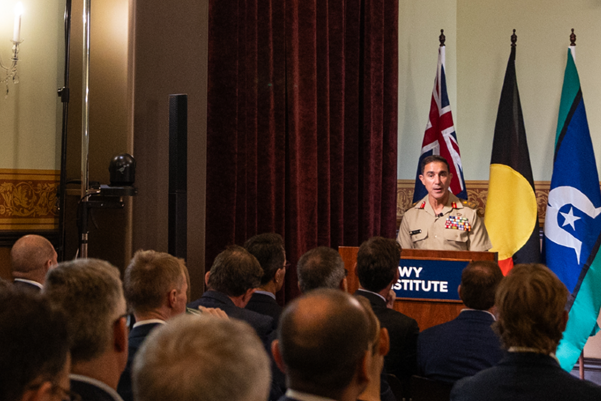
Australian Army Chief searches for a new ‘theory of the army’ | The Strategist
The Australian Army needs a clearer sense of self. With no warning time for conflict, the army must cap its ongoing transformation with a new ‘theory of the army’ that enables civilian leaders to choose ...
www.aspistrategist.org.au
In his April address—the third in a series of four keynotes on the state of the army profession—the Chief of Army, Lieutenant General Simon Stuart, outlined the aims of this new theory. It will build on what the army already is, and what it wants to be: a littoral fighting force ready to compete and fight to secure strategic land positions and logistics supply lines, and protect remote airfields and ports in northern Australia...

Australian Army Creates New Littoral Manoeuvre Group for Indo-Pacific Amphibious Operations
Australian Army forms Littoral Manoeuvre Group in Brisbane to expand amphibious lift, coastal deployment and Indo-Pacific deterrence.
armyrecognition.com
.....
And if the Littoral is defined in terms of the area defined by the range of Coastal Artillery (the move from High Tide, to 3 miles, to 12 miles, to 200 miles of the EEZ), how much of the North Atlantic is not coverable from shore bases on Newfoundland, Greenland, Iceland, the Faroes, the United Kingdom and Norway?
Drone operations in the North Atlantic
Royal Navy tests drone tech for North Atlantic sub hunting
The Royal Navy has completed a four-month trial with industry partners testing off-the-shelf drone and autonomous technology for anti-submarine warfare in the North Atlantic, under the Atlantic Bastion programme.
ukdefencejournal.org.uk
Royal Navy unveils new Atlantic strategy to counter Russian threat
Experimental underwater drones form part of a new plan to protect the UK's undersea cables and pipelines.
www.bbc.com
Atlantic Bastion Meets the Grey Fleet
The Royal Navy is building a barrier against submarines. But the next threat may arrive as a merchant ship.
www.futurenavy.com
Frigates remain key to UK Atlantic Bastion plan
Royal Navy general-purpose frigates will still play a central role in the emerging Atlantic Bastion concept for defending the North Atlantic.
ukdefencejournal.org.uk
.....
"The reliance on drones has drawn criticism from defence analysts, who argue it highlights long-term underinvestment in traditional antisubmarine warfare capabilities.
"“The Royal Navy does not have the ships to do this job coherently or credibly and is looking to address it with drones as they are cheaper,” said RUSI Professor, Peter Roberts, in comments to the BBC."
Royal Navy Unveils Drone-Led Plan to Monitor Russian Submarine Activity in North Atlantic
The Royal Navy has launched a drone-led GIUK Gap strategy to counter rising Russian submarine activity and protect UK subsea cables. Read more at Brookes Bell.
www.brookesbell.com
....
They say that, that it is cheaper, as if it is a bad thing.
Most people want to minimize the cost of defence.
But...
Making defence cheaper has a cost
....